Key takeaways
- They make activity visible. A daily step count or active-minute goal gives you a practical measure of movement. Even an imperfect estimate can help you compare this week with last week.
- They encourage small, repeatable habits. Reminders to stand, walk, or wind down for sleep can be more useful than an ambitious exercise plan you abandon after two weeks.
- They are usually cheaper than smartwatches. Basic trackers often cost roughly $20 to $60, while better-known or more polished models commonly range from $80 to $150. You can get useful activity feedback without paying for cellular service or a large app ecosystem.
- They are lighter and less distracting. A narrow band or screenless tracker is generally easier to wear overnight than a large smartwatch. It also avoids the temptation to answer every message from your wrist.
- Sleep tracking can reveal routines. The most useful information is usually bedtime consistency and total time in bed, not the exact minute you entered deep sleep. Trends may show that late caffeine, alcohol, or irregular schedules affect your rest.
- Heart-rate trends can support better training. Resting heart rate and workout heart rate may help you recognize whether an easy walk is becoming easier over time. This is especially useful for beginners who do not yet know how to judge exertion.
- They can provide gentle accountability. Streaks, badges, shared challenges, and weekly reports work well for people who enjoy visible progress and simple goals.
- Many offer useful safety-adjacent features. Some models provide inactivity alerts, irregular-heart-rate notifications, or emergency functions. These features vary by product, region, phone, and subscription, so they should be checked before purchase.
What's inside
The Short Answer
Yes—fitness trackers are worth buying if you want a simple, low-cost way to notice trends in your activity, sleep, and heart rate. The one condition is that you treat the numbers as estimates for everyday coaching, not as medical diagnoses or perfectly accurate measurements.
That distinction is the key to understanding fitness tracker pros and cons. A tracker can encourage you to walk more, establish a bedtime routine, or notice that your heart rate is unusually high during an easy workout. It cannot replace a doctor, a clinical heart monitor, or a properly fitted sports watch when accuracy and safety matter.
As an Amazon Associate we earn from qualifying purchases at no extra cost to you. Product prices and availability are accurate as of the date shown and are subject to change.


What You Actually Get
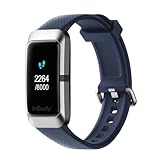
A fitness tracker is a small wearable that records movement and selected body signals throughout the day. Basic models typically count steps, estimate distance, measure calories, and monitor sleep. More advanced devices add continuous heart-rate readings, blood oxygen estimates, workout modes, stress scores, menstrual-cycle tracking, smartphone notifications, and automatic exercise detection.
Most trackers connect to an iPhone or Android phone through an app. The app turns raw readings into trends: daily steps, resting heart rate, sleep duration, active minutes, and weekly summaries. Some devices have a screen, while others rely almost entirely on the phone app. The Fitbit Google Air Screenless Activity Tracker, for example, is designed around a screen-free experience and is listed at about $99. A screenless model can be less distracting, but you will need your phone to see most details.
At the budget end, a device such as the USMECBL fitness tracker costs about $23.98 and includes a 1.47-inch OLED display, step counting, calorie estimates, sleep monitoring, heart-rate tracking, and blood oxygen readings. That feature list sounds similar to more expensive products, but app quality, sensor consistency, comfort, waterproofing, warranty support, and software updates can vary substantially.
Battery life commonly falls between five and 14 days, depending on the model, screen brightness, notifications, GPS use, and how often health sensors sample. Most trackers charge with a proprietary cable or cradle rather than a standard USB-C port. Before buying, check whether the charger is included and whether replacement chargers are easy to find.
Pros
- They make activity visible. A daily step count or active-minute goal gives you a practical measure of movement. Even an imperfect estimate can help you compare this week with last week.
- They encourage small, repeatable habits. Reminders to stand, walk, or wind down for sleep can be more useful than an ambitious exercise plan you abandon after two weeks.
- They are usually cheaper than smartwatches. Basic trackers often cost roughly $20 to $60, while better-known or more polished models commonly range from $80 to $150. You can get useful activity feedback without paying for cellular service or a large app ecosystem.
- They are lighter and less distracting. A narrow band or screenless tracker is generally easier to wear overnight than a large smartwatch. It also avoids the temptation to answer every message from your wrist.
- Sleep tracking can reveal routines. The most useful information is usually bedtime consistency and total time in bed, not the exact minute you entered deep sleep. Trends may show that late caffeine, alcohol, or irregular schedules affect your rest.
- Heart-rate trends can support better training. Resting heart rate and workout heart rate may help you recognize whether an easy walk is becoming easier over time. This is especially useful for beginners who do not yet know how to judge exertion.
- They can provide gentle accountability. Streaks, badges, shared challenges, and weekly reports work well for people who enjoy visible progress and simple goals.
- Many offer useful safety-adjacent features. Some models provide inactivity alerts, irregular-heart-rate notifications, or emergency functions. These features vary by product, region, phone, and subscription, so they should be checked before purchase.
Cons
- The measurements are estimates. Step counts can be affected by arm movement, pushing a stroller, carrying bags, or walking on uneven ground. Calorie numbers are especially approximate because they depend on assumptions about your body and activity.
- Sleep stages should not be overinterpreted. A tracker may estimate light, deep, and REM sleep, but it cannot diagnose insomnia, sleep apnea, or another sleep disorder. A poor score is a prompt to look at your routine—not proof that your body is failing.
- Heart-rate and blood oxygen readings are not medical tests. Loose fit, skin tone, tattoos, motion, cold hands, and poor sensor contact can affect readings. If you have symptoms or a concerning result, use professional medical care rather than relying on the band.
- Accuracy is inconsistent across brands. A $24 tracker may advertise the same metrics as a $99 model but deliver a less polished app, more confusing graphs, or weaker syncing. Feature lists alone do not tell you how dependable a product will feel.
- Phone compatibility can be a nuisance. Some devices require location permissions, background syncing, or a specific app account. Older phones may have trouble with setup or notifications.
- Battery charging interrupts continuous data. A tracker cannot record sleep while it is charging. Models with five-day battery life may require more planning than a device rated for two weeks.
- Notifications can become another source of stress. Checking steps, calories, and sleep scores repeatedly can make exercise feel like a performance review. For some people, a screenless tracker is a better choice precisely because it removes constant feedback.
- Subscriptions may limit the best insights. Some brands put detailed reports, coaching, or historical analysis behind a monthly membership. Confirm the free features before treating the purchase price as the full cost.
Who Should Buy It
Buy a fitness tracker if you want accountability for walking, basic exercise, or sleep habits and are comfortable using trends instead of exact measurements. It is a particularly good fit for beginners, desk workers who forget to move, people returning to exercise, and shoppers who want a smaller wearable than a smartwatch.
Choose a screenless option if you want low distraction and do not mind checking your phone. Choose a screen model if you want to see steps, time, heart rate, or workout duration without carrying your phone. A $20-to-$30 model can be a reasonable trial purchase, while a roughly $80-to-$100 model may offer a better app and more dependable long-term support.
Who Should Skip It
Skip a fitness tracker if you know you will obsess over every calorie, sleep stage, or heart-rate fluctuation. It may also be the wrong tool if you need serious running metrics, built-in GPS, music controls, navigation, or highly consistent workout data. In those cases, a dedicated sports watch may be a better investment.
Do not buy one as a substitute for medical monitoring. If a clinician has prescribed a specific device or asked you to monitor a condition, follow that recommendation. Consumer trackers can complement professional care, but they should not determine whether you seek it.
Cheaper Alternatives
| Option | Cost | Trade-off |
|---|---|---|
| Use your phone’s built-in step counter | $0 | No wearable or charging, but it misses movement when your phone is left behind and offers less continuous data. |
| Basic pedometer | About $10–$25 | Simple and private, but usually lacks sleep, heart-rate, app syncing, and historical trends. |
| Budget OLED fitness band | About $20–$40 | Provides a display and several health estimates, but app support and sensor consistency may be weaker. |
| Screenless activity tracker | About $80–$100 | Less distracting and often comfortable overnight, but you must use a phone to review results. |
| Used or previous-generation tracker | About $25–$75 | Can offer better hardware for less money, but battery wear, software support, and warranty coverage are uncertain. |
FAQ
Are cheap fitness trackers worth buying?
They can be, especially if your main goal is step counting, basic sleep timing, and reminders to move. A cheap tracker is best viewed as a habit tool. Before buying, check recent customer feedback about syncing, battery life, charging, app reliability, and whether the device works with your phone.
How accurate are fitness trackers?
Accuracy varies by metric and activity. Step counts and heart-rate trends can be useful during ordinary walking and steady exercise, while calorie estimates, sleep stages, and blood oxygen readings deserve more caution. Fit the band snugly above the wrist bone and compare trends over time rather than treating one reading as definitive.
Should I wear a fitness tracker to sleep?
Wear it overnight if sleep timing and consistency are useful to you and the band is comfortable. Look for total sleep time, bedtime, wake time, and regularity. Ignore a single strange sleep score, and stop wearing it if the strap causes irritation or the data increases anxiety.
Is a fitness tracker better than a smartwatch?
It depends on what you need. A tracker is usually smaller, less expensive, and longer-lasting between charges. A smartwatch is better for notifications, apps, GPS, calls, and richer workout controls. For simple health habits, a tracker is often the more sensible purchase; for phone-free exercise and broader wrist functionality, choose a smartwatch.