Key takeaways
- If you are trying to improve your sleep at home, the choice between a fitness tracker vs smartwatch for sleep tracking comes down to one simple trade-off: do you want the most comfortable, distraction-free night or the most detailed data…
What's inside
If you are trying to improve your sleep at home, the choice between a fitness tracker vs smartwatch for sleep tracking comes down to one simple trade-off: do you want the most comfortable, distraction-free night or the most detailed data and daytime smarts? Both will track how long you slept, estimate sleep stages, and wake you with a silent vibration, but they feel very different on your wrist at 2 a.m. and fit differently into a bedroom routine. In 2026, sensors have gotten better across the board, so the deciding factors are now comfort, battery life, accuracy for your needs, and how much tech you actually want in bed with you.
Quick Verdict
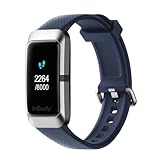
Choose a fitness tracker if your priority is comfortable, consistent sleep tracking night after night. It is lighter, smaller, lasts days longer on a charge, and stays out of your way. You will get reliable sleep duration, sleep stage estimates, and recovery trends without nightly charging or a bright screen.
As an Amazon Associate we earn from qualifying purchases at no extra cost to you. Product prices and availability are accurate as of the date shown and are subject to change.


Choose a smartwatch if you want sleep tracking plus deeper health insights and daytime integration. It offers more advanced sensors, on-wrist sleep coaching, SpO2 and ECG features on many models, and smart alarms that tie into your calendar and smart home. The trade-off is larger size, more weight, and charging every 1 to 2 days if you track sleep nightly.
For most people who simply want to understand and improve sleep habits at home, a fitness tracker is the easier habit to stick with. For data-driven users who want one device for fitness, health, notifications, and sleep, a smartwatch is worth the extra charging and bulk.
Side by Side
| Feature | Fitness Tracker | Smartwatch for Sleep Tracking |
|---|---|---|
| Comfort Overnight | Excellent – 0.6 to 0.9 oz, slim band 10-16mm wide, low profile for side sleepers | Good to Fair – 1.1 to 2.2 oz, case 40-46mm wide, can press on wrist bone or pillow |
| Durability | High – simple design, IP68 or 5 ATM water resistance, flexible TPU/silicone band | High – IP68 and 5 ATM common, stronger glass (Gorilla Glass / sapphire on premium models), but larger screen more prone to scratches |
| Price Range | $24 to $160 – entry bands like the USMECBL Fitness Tracker at $23.98 to mid-range options like Fitbit Inspire 3 and the screenless Fitbit Google Air at $99 | $45 to $400+ – budget smartwatches around $44.92 for feature-packed models to $250-$400 for Apple, Samsung, Garmin and Google flagships |
| Maintenance | Very low – charge 1-2 times per week, wipe band, no OS updates to manage weekly | Moderate – charge 3-5 times per week with nightly tracking, regular software updates, more settings to manage |
| Space Needed | Band only – no dock required, USB or proprietary clip charger fits in a drawer | Slightly more – magnetic puck or stand on nightstand, ideally kept within Bluetooth range of phone |
| Look | Minimalist and discreet – thin bar or small OLED, blends with sleepwear | Watch-first design – 1.4 to 1.9 inch AMOLED display, interchangeable bands for daytime style |
| Battery Life With Sleep Tracking | 5 to 10 days (typically 6-8 days) with 24/7 heart rate and sleep tracking on | 18 hours to 4 days depending on model; most last 1 to 2 nights before needing a charge |
| Resale Value | Low – bands depreciate quickly, less demand secondhand | Moderate – brand-name smartwatches retain 30-45% of value after 2 years |
| Best For | Light sleepers, consistent habit building, kids and teens, anyone sensitive to weight on wrist | Users who want sleep plus recovery, stress, and smart home/ notification features in one device |
Where Fitness Tracker Wins
The biggest win for a fitness tracker is compliance. You cannot track sleep if the device is on the charger, and that is where slim bands pull ahead. A typical tracker like the Google Fitbit Inspire 3 weighs under an ounce and is 12mm thick, so you barely feel it when you roll over. Options like the screenless Fitbit Google Air in Obsidian take that even further by removing the display entirely, which eliminates the accidental light-ups that wake a partner at night. That design is deliberate for sleep-first users.
Battery life is the second major advantage. While a smartwatch may need a top-up every night or every other night, most fitness trackers run 6 to 10 days even with continuous heart rate and automatic sleep detection. Budget models such as the USMECBL Fitness Tracker with its 1.47-inch OLED still manage 5 to 7 days on a single charge, so you can wear it for a full workweek and charge it on Sunday morning without missing a night of data. Fewer charging interruptions means more complete sleep trends, which is what actually helps you spot patterns.
Simplicity also helps accuracy in the real world. Fitness trackers focus on the basics: accelerometer plus optical heart rate to estimate sleep onset, awakenings, and light vs. deep vs. REM periods. You get a nightly sleep score, a consistent bedtime reminder, and a silent vibrating alarm that does not require you to set up sleep modes or theater modes to keep the screen dark. For shared bedrooms, that no-fuss vibration and lack of notifications overnight is a real benefit.
Finally, price and upkeep favor the band. If you lose it, sweat through a band, or want one for a partner, replacing a $24 to $99 tracker hurts less than replacing a $300 smartwatch. Bands cost $6 to $15, chargers are small clips, and you are not tied to a specific phone ecosystem to get core sleep features.
Where Smartwatch for Sleep Tracking Wins
A smartwatch wins when you want sleep data in context. Instead of just time asleep, you get a more connected health picture. Many 2026 smartwatches pair heart rate variability, skin temperature variation, SpO2, and even on-demand ECG with sleep stages to estimate recovery and readiness. That matters if you train hard, manage stress, or want to correlate a poor night with late caffeine, alcohol, or a hard workout. A model such as the Smart Watch Fitness Tracker with 24/7 Heart Rate, Blood Oxygen and 120 Sports Modes around $44.92 shows how even affordable smartwatches now bundle sleep tracking with blood oxygen, blood pressure estimates, and extensive activity modes.
Smartwatches also offer better on-wrist coaching. You will find detailed sleep graphs, snore detection when paired with your phone on the nightstand, smart wake windows that aim to wake you in light sleep within a 15 to 30 minute window, and daytime nudges like wind-down reminders that sync with Do Not Disturb. If your home is already set up with smart lights or a smart thermostat, a watch can trigger a dimming routine at bedtime or turn off notifications automatically.
The display, which is a downside at night, is an upside in the morning. You can review last night’s breakdown, weekly averages, and heart rate trends without opening your phone. Premium watches allow you to check trends over months and export data to Apple Health or Google Health Connect for your doctor, which is useful if you are troubleshooting chronic poor sleep.
For users who do not want two devices, the smartwatch consolidates everything. You get calls, messages, contactless payments, and music control during the day, and sleep tracking at night without swapping devices. If you will wear a watch anyway, adding sleep tracking to it is more convenient than adding a separate band.
Cost Over 5 Years
Upfront price is only part of the math because bands, chargers, and battery replacement add up.
A fitness tracker typically costs $24 to $160 to buy. Add $12 to $30 for two replacement bands over five years and one replacement charging cable at $10 to $15. There is usually no paid subscription required for basic sleep scores, though some brands offer optional premium memberships at $7 to $10 per month. Without a subscription, the 5-year total for a budget to mid-range tracker lands around $45 to $205. With a premium subscription kept for two of the five years, expect $210 to $400 total.
A smartwatch typically costs $45 to $400 upfront. Add $20 to $50 for bands, $15 to $29 for a second charger for travel, and potentially a battery service at year 3 to 4 for $79 to $99 if capacity drops. Many smartwatches also tie advanced sleep analytics to a subscription. Without that, the 5-year total is about $80 to $480. With a subscription for three years, totals often reach $330 to $750 for flagship models.
Energy cost for charging is negligible for both, under $2 per year. The real cost difference is how often you replace the device. Fitness trackers are often replaced every 2 to 3 years due to limited resale value, while a well-cared-for smartwatch from a major brand can last 4 to 5 years before sensors or battery feel outdated.
Which One for Your Home
Your living situation changes what will work best night after night.
Small Apartment
Pick a fitness tracker. In a studio or one-bedroom where your bed is feet from your nightstand, a slim, screenless or dim-OLED band is less disruptive. It takes no nightstand space, will not light up the room with notifications, and its vibrating alarm wakes you without waking a partner or a neighbor on the other side of a thin wall. Battery life of a week also means one less cable competing for outlets.
Family With Kids or Pets
Pick a fitness tracker for adults who co-sleep or are on call for night wake-ups, and a durable budget band for teens. The light weight stays comfortable during frequent awakenings, and the low profile snags less on sheets and pet beds. You will not worry as much about a $23.98 to $99 band getting chewed, yanked, or covered in lotion and sunscreen. If you want sleep tracking for a child, a small tracker with a soft silicone band in sizes small to large, like the Inspire 3 which includes both bands in the box, fits better than a 45mm watch case.
Rental
Pick based on flexibility. If you move often or live with roommates, a fitness tracker is easier to keep private. It does not require a permanent charging stand and pairs quickly to any phone you upgrade to. If your rental has a smart home setup you control, a smartwatch can add value by automating bedtime lighting and thermostat schedules tied to your sleep mode, but you can get most of that from your phone alone.
Long-Term Home
Pick a smartwatch if you are building a long-term health baseline in one place. With a dedicated nightstand puck and a consistent Wi-Fi setup, nightly charging becomes routine, and you can build years of correlated data linking sleep, resting heart rate, and temperature trends. This is where the extra sensors and larger health app ecosystem pay off. If you prefer a bedroom with no screens or want the same device for travel and home without thought, a long-lasting fitness tracker remains the lower-maintenance choice.
FAQ
Is a fitness tracker or smartwatch more accurate for sleep tracking?
Neither replaces medical sleep testing, and both estimate sleep stages using movement and heart rate. In daily use, the most accurate device is the one you wear consistently. A tracker you forget you have on will yield more complete, comparable data over weeks than a feature-rich smartwatch you leave on the charger. For stage-by-stage precision, premium smartwatches with SpO2 and skin temperature sensing tend to offer more detailed reports, but night-to-night trends matter more than any single score.
Will wearing a smartwatch at night disturb my sleep?
It can if you do not set it up correctly. Enable sleep mode, theater mode, or Do Not Disturb to silence the display and notifications. Tighten the band one notch from your daytime fit so the optical sensor maintains contact without leaving a mark, and choose a soft silicone or woven band if the stock link band presses into your wrist. Fitness trackers avoid most of this because they have smaller or no displays and no overnight alerts by default.
How often do I need to charge each type if I track every night?
Most fitness trackers need charging once a week for 60 to 120 minutes. Most smartwatches need charging every 1 to 2 days for 45 to 90 minutes. To avoid gaps, charge your smartwatch while you shower or make breakfast rather than overnight. If you cannot build that habit, a tracker is the safer way to avoid missed nights.
Can I track sleep without wearing anything?
Under-mattress sensors and phone-based sonar can estimate sleep without a wrist device, but they are less reliable for stage detail and heart rate trends. They also require more space and setup. For most homes, a wrist-worn tracker or watch remains the simplest way to get nightly sleep duration, consistency, and basic recovery metrics without adding another gadget to the bedroom.