Key takeaways
- It makes invisible habits visible. A daily step count, weekly activity total, and bedtime history can reveal patterns that are otherwise easy to overlook.
- It provides gentle accountability. A goal such as 7,000 to 10,000 steps or 150 minutes of moderate activity per week gives ordinary movement a clear target.
- It can encourage small improvements. Adding a 10-minute walk after lunch is more realistic than relying on motivation to start a demanding workout program.
- It can simplify workout records. Trackers may automatically log walks, runs, cycling sessions, and other activities, reducing the need to write everything down.
- It may improve sleep awareness. Bedtime and wake-time trends can help you notice inconsistent schedules, late caffeine, or habits that leave you feeling tired.
- Many models are inexpensive. Basic bands often cost $20 to $50, so you do not need to spend several hundred dollars to get step and heart-rate tracking.
- Screenless designs are discreet. A device without a display can be lighter, less distracting, and harder to turn into a constant notification source.
- It can support conversations with a professional. A record of symptoms, activity, or unusual trends may provide useful context, though it does not replace clinical testing.
What's inside
The Short Answer
Yes—if you will use the information to change a specific habit. A fitness tracker is worth it when seeing your steps, sleep schedule, heart rate, or workout duration helps you walk more, train consistently, or go to bed on time. It is not worth it if you enjoy collecting numbers but rarely act on them.
The best tracker is not necessarily the one with the most sensors or the brightest screen. It is the one you will wear comfortably, charge regularly, and understand without becoming preoccupied with daily fluctuations. In 2026, that may mean spending about $20 on a basic smart band, around $100 on a screenless tracker, or using the phone and watch you already own.
As an Amazon Associate we earn from qualifying purchases at no extra cost to you. Product prices and availability are accurate as of the date shown and are subject to change.


What You Actually Get
A fitness tracker is a small wearable designed to turn everyday movement and selected body signals into usable feedback. Most models count steps, estimate distance, record active minutes, and monitor workouts. Many also measure heart rate throughout the day and during exercise. Sleep tracking is common, although sleep-stage estimates should be treated as trends rather than medical measurements.
Depending on the model, you may also get blood oxygen estimates, guided breathing, alarms, smartphone notifications, menstrual-cycle logging, workout recognition, and stress-related scores. Some devices include a screen for checking information at a glance. Others, such as the Fitbit Google Air Screenless Activity Tracker in Obsidian, keep the display off entirely and send results to a phone app. Its listed price is $99.
The physical differences matter more than they may appear on a product page. A compact tracker usually weighs roughly 15 to 35 grams without its band, while a larger fitness watch can weigh 35 to 70 grams or more. A narrower band may be less noticeable at night, but a larger device can be easier to read and operate. Battery life commonly ranges from several days to roughly two weeks, depending on screen use, notifications, GPS, and monitoring settings.
Most trackers use an optical sensor that shines light into the skin to estimate pulse. Step counts come from motion sensors, and distance is often estimated from steps and stride length. These methods are useful for consistency, but they are not perfect. Wrist movement can look like steps, strength training can confuse calorie estimates, and a tracker may miss activity when worn loosely or on the wrong wrist.
That distinction is important: a tracker is a behavior tool, not a diagnostic device. It can show that your resting heart rate appears higher than usual or that your sleep duration has declined. It should not be used to diagnose a heart, sleep, or oxygen-related condition.
Pros
- It makes invisible habits visible. A daily step count, weekly activity total, and bedtime history can reveal patterns that are otherwise easy to overlook.
- It provides gentle accountability. A goal such as 7,000 to 10,000 steps or 150 minutes of moderate activity per week gives ordinary movement a clear target.
- It can encourage small improvements. Adding a 10-minute walk after lunch is more realistic than relying on motivation to start a demanding workout program.
- It can simplify workout records. Trackers may automatically log walks, runs, cycling sessions, and other activities, reducing the need to write everything down.
- It may improve sleep awareness. Bedtime and wake-time trends can help you notice inconsistent schedules, late caffeine, or habits that leave you feeling tired.
- Many models are inexpensive. Basic bands often cost $20 to $50, so you do not need to spend several hundred dollars to get step and heart-rate tracking.
- Screenless designs are discreet. A device without a display can be lighter, less distracting, and harder to turn into a constant notification source.
- It can support conversations with a professional. A record of symptoms, activity, or unusual trends may provide useful context, though it does not replace clinical testing.
Cons
- The numbers are estimates. Calories burned, sleep stages, stress scores, and blood oxygen readings can vary by person, fit, skin contact, movement, and software.
- Accuracy is not uniform across activities. Step tracking may be reasonable during walking but less reliable while pushing a stroller, carrying groceries, cycling, or doing resistance training.
- It requires maintenance. Even a long-lasting battery eventually needs charging. Depending on the model, charging may take about one to two hours and interrupt overnight or workout tracking.
- Comfort can become a problem. Sweat, a tight band, skin irritation, or sleeping with a device on your wrist can make you stop wearing it.
- Notifications can add distraction. A tracker intended to support health may instead encourage frequent checking, especially when it mirrors calls, messages, and app alerts.
- Some features are locked behind subscriptions. Certain brands reserve deeper sleep analysis, coaching, readiness scores, or historical reports for a monthly plan.
- It can create unnecessary anxiety. A low sleep score or an unexpected heart-rate reading is not automatically a warning sign. Trends and symptoms matter more than one number.
- Basic models may feel limited. A low-cost band may have a small screen, weak app experience, limited workout modes, or no built-in GPS.
Who Should Buy It
A fitness tracker makes sense if you have a measurable goal and a simple way to respond to the data. It is especially useful for someone trying to walk more, establish a regular exercise routine, monitor general activity during a sedentary workday, or create a consistent sleep schedule.
It can also be a practical first step for people who do not want a full smartwatch. If you mainly want steps, basic heart-rate readings, and sleep trends, a slim band is usually less expensive and less distracting than a smartwatch. Look for a comfortable band, automatic activity tracking, a companion app you can understand, and at least several days of battery life.
Buyers who want fewer interruptions may prefer a screenless option. The $99 Fitbit Google Air Screenless Activity Tracker, for example, is positioned around collecting activity information without placing a display on your wrist. That design can work well if you are happy reviewing data on your phone rather than checking it throughout the day.
Who Should Skip It
Skip a tracker if you already meet your goals without one or if you know you dislike wearing anything on your wrist. There is no benefit to buying a device that spends most of its life in a drawer. You may also want to skip it if daily scores make you anxious, guilty, or overly focused on hitting an arbitrary number.
A tracker is not the right purchase for diagnosing a medical issue. If you have concerning symptoms, a diagnosed condition, or a need for clinically reliable readings, discuss appropriate equipment and monitoring with a qualified medical professional. Consumer wearables can supplement that process but should not substitute for it.
Cheaper Alternatives
| Option | Cost | Trade-off |
|---|---|---|
| Phone health app | $0 if you already own a smartphone | Tracks walking reasonably well when the phone is carried, but misses movement when the phone is left behind and cannot provide continuous wrist-based readings. |
| Basic pedometer | About $10–$25 | Simple and battery-efficient, but usually lacks heart-rate tracking, sleep data, workout records, and a companion app. |
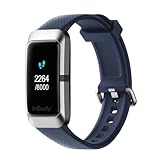
| USMECBL fitness band | $23.98 | Offers a 1.47-inch OLED display, step counting, heart-rate and blood oxygen estimates, and sleep monitoring, but low-cost hardware and software support may be less polished. |
| Used or older fitness tracker | About $20–$60 | Can provide useful basics for less money, but battery aging, discontinued app support, and worn bands are greater risks. |
| Paper habit log | About $2–$15 | Excellent for recording walks, workouts, and bedtime manually, but requires consistency and provides no automatic measurements. |
The $23.98 USMECBL model is an example of how little you can spend for a conventional screen-based band. Its listed features cover many basics, including a 1.47-inch OLED display, pedometer functions, heart-rate monitoring, blood oxygen estimates, and sleep tracking. The trade-off is that inexpensive trackers may have less refined sensors, apps, materials, and long-term support than established brands.
FAQ
Are fitness trackers accurate?
They are generally most useful for tracking your own trends under similar conditions. Step counts and workout duration can be helpful, while calorie burn, sleep stages, stress scores, and blood oxygen readings are more approximate. Wear the device snugly, keep its software updated, and avoid treating any single reading as definitive.
Do I need to wear a fitness tracker all day?
No. Wearing it during the times relevant to your goal is enough. For step tracking, wear it during the day. For sleep trends, wear it overnight. Remove it for charging, bathing if the manufacturer advises against water exposure, or whenever your skin needs a break.
Is a fitness tracker better than a smartwatch?
Not automatically. A tracker is usually smaller, cheaper, and more focused on health metrics. A smartwatch typically offers a larger screen, apps, calls, navigation, music controls, and sometimes built-in GPS, but it may be heavier, more expensive, and require more frequent charging. Choose based on the functions you will actually use.
What is the best way to use fitness-tracker data?
Choose one or two measures connected to a real decision. You might use steps to schedule a daily walk, sleep duration to set a consistent bedtime, or workout minutes to plan weekly activity. Review weekly trends rather than reacting to every daily score. If the data does not change your behavior after a few weeks, the tracker may not be worth keeping.