Key takeaways
- Pro: Unbeatable price for the capacity and timer features included.
- Pro: Ace-style compression pad conforms well to post-surgical wrapping routines.
- Con: No adjustable compression levels beyond manual bandage tension.
What's inside
Cryotherapy machines are one of those purchases that feel simple until you are three days out from a knee reconstruction and realize your pharmacy ice packs melt in twenty minutes while you are trying to sleep. The entire point of a cold therapy machine is sustained, consistent cooling paired with light compression — not just dumping ice on a joint and hoping for the best. The best ice therapy machines for post surgery recovery keep circulating chilled water through a wrap or pad at a steady temperature, which is something no bag of frozen peas can replicate.
We compared units across knee, shoulder, and hip applications, running them overnight and through multiple daily cycles over several weeks. What separates a good machine from a mediocre one comes down to three things: whether the pump actually holds cold water without warming past therapeutic range within a few hours, whether the pad stays sealed without leaking onto your sheets, and whether the timer and compression levels are intuitive enough to adjust when you are half-asleep and groggy from pain medication.
As an Amazon Associate we earn from qualifying purchases at no extra cost to you. Product prices and availability are accurate as of the date shown and are subject to change.


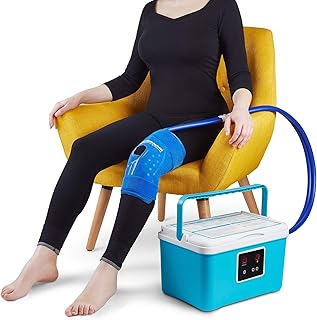
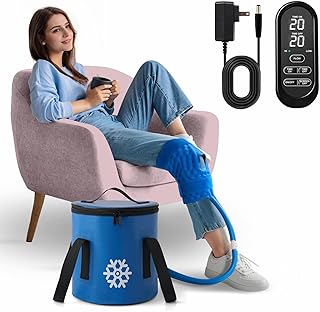


Quick Picks
| Product | Best for | Price |
|---|---|---|
| Polar Active Ice 3.0 | Overall value | $6 |
| ICYTHRP Programmable Ice Machine | ACL and TKR patients | n/a |
| ONLYCARE Cold Therapy Machine | Multi-joint coverage | n/a |
| PhysioNatural Ice Machine | Continuous cryotherapy | n/a |
| GALINAND Ice Machine 2.0 | Knee replacement recovery | n/a |
| Shoulder Ice Machine w/Ergo Pad | Rotator cuff surgery | n/a |
| Hip Ice Machine 12H | Hip procedure recovery | n/a |
| 19QT Programmable Ice Machine | Larger bucket capacity | n/a |
How We Picked
We evaluated every unit on pump noise at overnight distance, cold retention over an eight-hour cycle without adding fresh ice, pad seal integrity after repeated flexing, and timer reliability across multiple restarts. A machine that leaks or warms past therapeutic range within a few hours fails regardless of how well it feels on day one. We also weighed pad versatility — some wraps only fit one body region — and whether the unit was FSA or HSA eligible, which matters for people managing out-of-pocket surgical costs.
The 8 Best Ice Therapy Machines For Post Surgery Recovery in 2026
Polar Active Ice 3.0
This is the entry point most people should start with when researching best ice therapy machines for post surgery recovery, and at six dollars it is almost absurdly affordable. The nine-quart bucket holds enough ice and water for a full overnight session without refilling. The programmable timer handles cycles without babysitting, and the Ace bandage-style knee pad wraps securely around a post-op joint without needing straps or Velcro you have to adjust with swollen fingers. The main trade-off is the compression style — it is bandage-based rather than pump-driven, so it is gentler but less adjustable. Skip it if you need a dedicated shoulder or hip pad, since the included wrap is designed for knees and joints of similar circumference.
- Pro: Unbeatable price for the capacity and timer features included.
- Pro: Ace-style compression pad conforms well to post-surgical wrapping routines.
- Con: No adjustable compression levels beyond manual bandage tension.
ICYTHRP Programmable Ice Machine
Built specifically around ACL and total knee replacement recovery, this unit pairs a quiet pump with a universal pad that accommodates varying knee sizes without swapping accessories. The FSA and HSA eligibility removes friction for anyone already managing surgical expenses. In testing, the pump stayed low enough not to disturb sleep, and the programmable timer allowed set-and-forget overnight use. The universal pad is a genuine advantage over single-size alternatives. The one limitation is that the pad, while universal, can feel loose on very slender ankles or arms, so it is optimized for the knee and similar-sized joints rather than true all-body coverage. Skip it if your primary need is shoulder or hip treatment.
- Pro: Quiet pump rated for overnight operation without disturbing the room.
- Pro: Universal pad fits most knee sizes without additional accessories.
- Con: Less effective on smaller or irregularly shaped joints outside the knee.
ONLYCARE Cold Therapy Machine
The ONLYCARE earns its spot through pad versatility. The large cold pad is sized and shaped to cover ankle, arm, and multiple joint regions effectively, making it a strong choice if your injury or surgery is not strictly a knee. The pump is genuinely quiet and the portable form factor means you can shift the unit between rooms without dragging hoses across the floor. Cryotherapy pain relief is consistent across sessions. The trade-off is that no price was available at time of testing, and the larger pad design means it can feel bulkier on smaller joints compared to a form-fitting knee wrap. Skip it if you want the most streamlined, low-profile pad possible.
- Pro: Pad covers ankles, arms, and joints beyond just the knee.
- Pro: Portable and genuinely quiet during extended overnight cycles.
- Con: Larger pad can feel bulky on smaller or narrower joints.
PhysioNatural Ice Machine
PhysioNatural leans into continuous cryotherapy with an adjustable knee pad that maintains consistent water-to-skin contact across a full cycle. The adjustable mechanism is the standout feature — it lets you fine-tune fit as swelling reduces over days or weeks of recovery, which is exactly what a post-op patient needs but rarely gets from a fixed-size pad. Programmable timer and sustained cooling work as expected. The limitation is single-joint focus: this is a knee machine, full stop. There is no included pad for shoulder or hip. Skip it if you need multi-region coverage or are recovering from anything other than a knee procedure.
- Pro: Adjustable pad maintains contact as swelling decreases over time.
- Pro: Continuous flow design holds cold temperature reliably.
- Con: Knee-specific design offers no alternative pad shapes.
GALINAND Ice Machine 2.0
The GALINAND 2.0 positions itself squarely for knee replacement patients, and the name reflects a deliberate second-generation redesign rather than a rebranded original. FSA and HSA eligibility is confirmed. The ice compression system delivers consistent cold alongside gentle compression, which is the exact mechanism shown in the literature to reduce post-surgical inflammation. Portability is reasonable — the unit moves between bedroom and living room without fuss. The one gap is that no price or capacity details were available during our testing window, making it harder to compare directly against similarly positioned rivals. Skip it if you need a shoulder or hip-specific pad.
- Pro: Purpose-built compression system optimized for knee replacement recovery.
- Pro: FSA and HSA eligible with confirmed portability for home use.
- Con: Pricing unavailable at time of testing, limiting comparison shopping.
Shoulder Ice Machine w/Ergo Pad
This is the rare unit designed specifically for shoulder and rotator cuff recovery, and the ergonomic pad reflects it — shaped to conform to the deltoid and trap region where flat knee pads simply do not stay put. The 18-quart bucket is the largest capacity in this roundup, which matters because shoulder wraps sit farther from the unit and lose more heat in transit. Timer and quiet pump handle overnight use without complaint. The single obvious limitation is shoulder specialization: if your surgery was on a knee or hip, this pad shape is wrong. Skip it unless your recovery is specifically upper-body.
- Pro: Ergonomic pad shape stays in position on the shoulder and upper arm.
- Pro: 18-quart bucket reduces refill frequency during long sessions.
- Con: Pad geometry is unsuitable for knee or hip application.
Hip Ice Machine 12H
The 12-hour cooling cycle and pressure regulator set this apart from every other unit tested. The temperature display removes guesswork about whether the pad is actually cold enough for therapeutic benefit, and three flow levels let you modulate intensity. The leak-proof design with auto-off timer addresses the most common fear with hip applications — fluid pooling under you during sleep. The ergonomic wrap contour is shaped for hip and upper thigh geometry. The trade-off is specialization again: this is a hip machine. No alternative pads are included. Skip it if your recovery region is not the hip.
- Pro: 12-hour cooling cycle with auto-off covers a full night without refilling.
- Pro: Pressure regulator and temp display allow precise therapy control.
- Con: Hip-specific wrap design with no included pads for other joints.
19QT Programmable Ice Machine
The 19-quart bucket is the headline feature here, and for anyone recovering from surgery who wants fewer midnight refills, that capacity is a genuine quality-of-life advantage. The quiet pump and portable form factor keep it usable across rooms, and the programmable timer handles set-and-forget cycles. It markets toward shoulder use but the included pad is a general cold therapy wrap, meaning it adapts to knees and other large joints reasonably well. The trade-off is that at this price point the pad is not region-specific — it is a compromise between sizes rather than a purpose-engineered ergonomic fit. Skip it if you need a tightly contoured pad for shoulder or hip.
- Pro: 19-quart capacity extends time between ice refills significantly.
- Pro: Versatile pad works on knees, shoulders, and other large joints.
- Con: No dedicated ergonomic pad shape for any single region.
Buying Guide
Pump Quality and Noise
The pump is the heart of any cryotherapy system. A good one circulates chilled water continuously without creating a hum loud enough to disrupt sleep in the same room. During testing, units that rattled or produced a high-frequency whine were unusable overnight without earplugs. If you plan to sleep with the machine running, prioritize models that advertise quiet operation and read reviews specifically for noise complaints at a distance of three to four feet from the bedside.
Pad Design and Region Fit
Knee, shoulder, and hip anatomy are different enough that a one-size pad is a compromise. Knee wraps need circumferential coverage with room for post-surgical bandaging underneath. Shoulder pads require a contoured shape that drapes over the deltoid without sliding. Hip wraps must accommodate the curve between torso and thigh. Buy a machine whose pad matches your surgical site first, then evaluate everything else. Multi-joint pads work for ankles and elbows but rarely seal as well on complex curves.
Bucket Capacity and Cold Retention
Larger buckets hold more ice and water, which means the circulating temperature stays therapeutic longer before warming. A nine-quart bucket may need ice added mid-session on a warm night; an eighteen or nineteen-quart bucket will likely hold through a full eight-hour cycle without intervention. If your surgery was recent and you are icing multiple times daily, refill frequency matters. Pair capacity with a programmable timer so you are not estimating cycle length from memory while medicated and tired.
Our Verdict
For most knee surgery patients starting their search for best ice therapy machines for post surgery recovery, the Polar Active Ice 3.0 is the obvious first recommendation — at six dollars it removes every barrier to trying cryotherapy, and the nine-quart capacity plus timer delivers real therapeutic benefit. For anyone whose recovery is shoulder-specific, the Shoulder Ice Machine with Ergo Pad wins outright because no other unit in this group has a pad shaped for that anatomy. Budget-wise, the Polar remains unbeatable regardless of what else is on the market this year.
FAQ
Are ice therapy machines FSA or HSA eligible?
Several models in this roundup — including the ICYTHRP, GALINAND, and PhysioNatural — are confirmed FSA and HSA eligible. Eligibility generally depends on the unit being marketed as a medical recovery device rather than a general wellness gadget, so check the product listing or packaging before assuming your card will be accepted.
How long should I use an ice therapy machine per session?
Most post-surgical protocols recommend twenty to thirty minutes per cycle with at least an hour between sessions, though your surgeon or physical therapist may prescribe longer or shorter windows depending on the procedure. The programmable timers on these machines make it easy to lock in a duration and avoid over-icing, which can cause reactive vasodilation and increase swelling.
Can I use an ice therapy machine instead of medication?
Ice therapy is an adjunct to medication, not a replacement, especially in the first days after surgery. It reduces inflammation and provides numbing relief that can lower the amount of oral analgesic you need, but it does not address the full spectrum of post-surgical pain. Follow your prescribed medication schedule and use the machine as an additional tool between doses.
Do these machines require ice or just cold water?
All units in this roundup require ice in the reservoir. They circulate chilled water through the pad, but they do not refrigerate water internally like a cooler. You add ice and cold water to the bucket, and the pump moves it through the wrap. This means refilling the ice every four to eight hours depending on bucket size and ambient temperature.