Key takeaways
- Frame: often 10 years or lifetime.
- Motor: commonly several years or lifetime, depending on the brand and application.
- Parts: frequently one to five years.
- Labor: commonly one to two years, sometimes with separate commercial terms.
- Wear items: belts, decks, rollers, brushes, and cosmetic components may be excluded or limited.
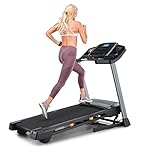
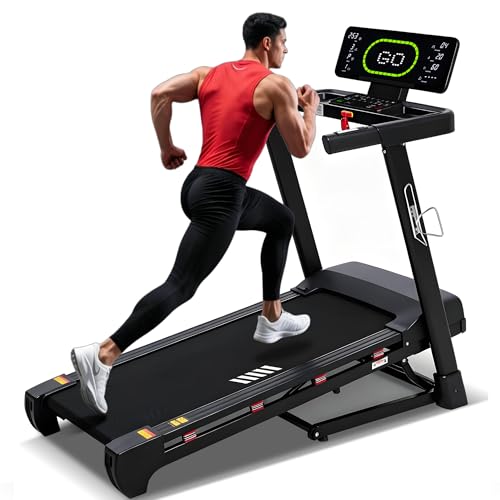
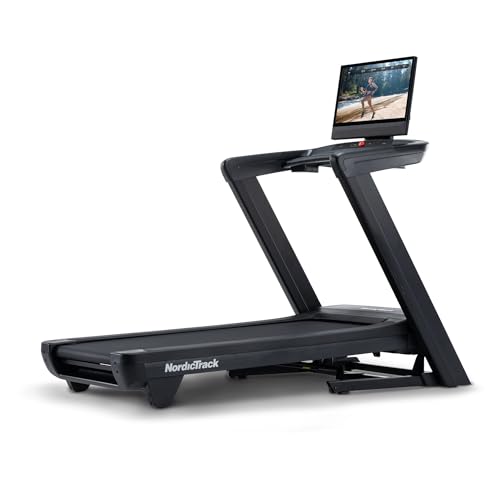
The best commercial treadmills for 2026 are the TRUE Performance 8000 for maximum durability, the Precor TRM 800 for busy gyms, the Life Fitness Club Series+ for serious home use, and the Woodway 4Front when belt longevity and a premium running feel matter more than purchase price.
Commercial treadmills differ from residential models mainly in their cooling systems, frames, drive components, belt construction, serviceability, and duty cycle. A treadmill can advertise a large motor yet still be a poor choice for a gym if its belt deck, rollers, electronics, or warranty are not designed for repeated daily use.
Our top picks


As an Amazon Associate we earn from qualifying purchases at no extra cost to you. Ratings are shown as listed on Amazon.
Best commercial treadmills at a glance
| Treadmill | Motor class | Running surface | Maximum user weight | Best suited to | Ownership note |
|---|---|---|---|---|---|
| TRUE Performance 8000 | 5 HP AC motor class | 22 x 60 inches | 500 lb | High-volume gyms and demanding home users | Heavy frame and substantial warranty coverage; costly to move |
| Precor TRM 800 | 5 HP AC motor class | 22 x 60 inches | 400 lb | Fitness clubs, hotels, and apartment gyms | Strong service network and commercial-grade deck system |
| Life Fitness Club Series+ | 4 HP AC motor class | 22 x 60 inches | 400 lb | Serious home use and moderate commercial use | Comfortable controls and broad parts support |
| Woodway 4Front | 4 HP motor class | 22 x 63 inches | Approximately 800 lb | Performance facilities and premium home gyms | Slat belt avoids conventional belt-and-deck replacement, but service is specialized |
| Matrix T75 | Commercial AC motor class | 22 x 60 inches | 400 lb | Clubs seeking a feature-rich, value-oriented treadmill | Confirm console and warranty configuration before ordering |
Specifications can vary by console, voltage, country, and production revision. Treat the figures above as comparison points, then obtain the exact specification and commercial warranty for the configuration being purchased.
Our picks by situation
| Your situation | Best direction | Why |
|---|---|---|
| One or two users, frequent running, limited budget | Commercial-grade home model such as Life Fitness Club Series+ | You get a 60-inch deck, strong frame, and better parts availability without paying for a full fleet platform. |
| Small apartment or hotel gym | Precor TRM 800 or Matrix T75 | Both fit the familiar 22-by-60-inch commercial footprint and are designed for repeated public use. |
| Heavy daily traffic and larger users | TRUE Performance 8000 | The 500-pound capacity and robust construction provide more margin than many lighter commercial units. |
| Sprinters, athletes, or maximum belt life | Woodway 4Front | The slat belt and long deck support demanding use, though acquisition and specialist service costs are higher. |
| Several treadmills in one facility | Choose the brand with the strongest local service partner | Downtime, shipping, and technician availability often matter more than a small difference in horsepower. |
Motor horsepower: compare cooling and duty cycle, not just the number
Commercial treadmills generally use AC drive motors because they tolerate repeated starts, long operating periods, and frequent speed changes better than many inexpensive DC systems. Motor horsepower still matters, but published ratings are not always measured in the same way. Continuous horsepower, peak horsepower, and “motor class” are not interchangeable.
For a gym, prioritize a motor with adequate cooling, a substantial controller, and a warranty that covers commercial duty. A 4 HP commercial AC motor with good airflow can be a better ownership choice than a consumer treadmill advertising a higher peak figure.
Incline work, heavier users, and high-speed intervals increase electrical and mechanical load. If a treadmill will regularly run for many hours each day, leave headroom rather than selecting the smallest model that meets the nominal user-weight limit.
Belt dimensions and running feel
A 22-by-60-inch belt is the practical baseline for commercial use. It gives most walkers and runners enough lateral and longitudinal room while keeping the machine within a manageable footprint. Tall runners or users doing fast intervals may prefer the Woodway 4Front’s approximately 63-inch deck.
Do not confuse external machine dimensions with running-surface dimensions. Measure the clear belt area, then allow additional space behind the treadmill for safe access and maintenance. A crowded installation makes cleaning, emergency access, and belt adjustment harder.
Conventional treadmills use a continuous belt over a deck. The belt and deck are wear items, and friction rises when lubrication, cleaning, or alignment is neglected. Slat-belt designs such as Woodway’s use individual slats and different bearing components. They can offer a durable, distinctive running surface, but replacement parts and technician labor are typically more specialized.
Weight capacity: use it as a durability indicator
Maximum user weight is not a guarantee that every user experience will be identical. It is better viewed as one indicator of frame, roller, deck, and drive-system strength. A facility with many larger users should seek a machine with meaningful capacity margin rather than operating close to the published maximum every day.
For example, a 400-pound-rated treadmill may be adequate for a home user weighing 250 pounds. A gym with several 350-pound users, repeated incline sessions, and little cooling time should consider a 500-pound commercial model or a slat-belt unit, subject to the manufacturer’s installation requirements.
Warranty coverage is part of the purchase price
Compare warranties by component and by duty category. A typical commercial warranty may separate:
- Frame: often 10 years or lifetime.
- Motor: commonly several years or lifetime, depending on the brand and application.
- Parts: frequently one to five years.
- Labor: commonly one to two years, sometimes with separate commercial terms.
- Wear items: belts, decks, rollers, brushes, and cosmetic components may be excluded or limited.
Read the commercial warranty rather than relying on a residential warranty displayed on a retailer’s page. Some manufacturers require professional installation, approved electrical service, routine maintenance records, or registration. Ask whether travel time, diagnostic visits, and shipping are covered after the labor period ends.
Noise, vibration, and electrical planning
Noise comes from the motor, belt impact, rollers, incline mechanism, fan, and the user’s footfalls. A heavy frame and well-damped deck usually reduce vibration, but no treadmill is silent. In apartments, hotels, and upstairs gyms, floor construction may matter as much as the treadmill itself.
Place the machine on a level, solid surface and use an appropriate equipment mat where permitted. Avoid placing it directly against a shared wall. For a facility, have an electrician confirm the required voltage, amperage, dedicated-circuit needs, and plug configuration before delivery. Undersized or shared circuits can cause nuisance shutdowns and complicate troubleshooting.
Maintenance demands and the parts that wear first
Commercial treadmills are not maintenance-free. The highest-wear items are usually the running belt, deck, front and rear rollers, incline components, motor controller, and cooling fans. Dust and textile fibers can restrict airflow and increase heat around electronics.
- Daily: vacuum or sweep around the machine, wipe sweat from rails and console, and look for belt fraying, unusual noise, or tracking changes.
- Weekly: clean beneath and around the treadmill, inspect power cords, and check that the belt remains centered.
- Monthly: inspect fasteners, rollers, deck condition, and cooling openings. Review error logs if the console provides them.
- According to the manual: lubricate a conventional belt only with the specified product and schedule. Some belts are pre-lubricated or use systems that do not require user-applied lubricant.
- Periodically: have a qualified technician measure belt tension, deck friction, roller bearings, incline operation, and electrical connections.
A common mistake is adding lubricant whenever a belt sounds noisy. Noise can instead indicate a worn deck, contaminated roller, misalignment, or failing bearing. Another mistake is tightening the belt excessively. Over-tensioning increases motor load and accelerates wear.
Worked ownership calculation
Suppose a gym runs one treadmill for six hours per day, 300 days per year. That is 1,800 operating hours annually. If a lower-priced unit costs $4,000 but requires $1,200 in repairs and downtime-related service during two years, its equipment-and-service cost is $5,200, or about $2.89 per operating hour before electricity.
A $7,000 treadmill with $600 of scheduled service over the same period costs $7,600, or about $4.22 per operating hour. The second machine is not automatically better, but the calculation shows why service access, parts pricing, and downtime can outweigh a lower purchase price in a busy facility. For home use at 500 hours per year, the same difference may favor the less expensive option.
Final buying recommendation
Choose the TRUE Performance 8000 when capacity margin and heavy-duty construction are the priorities. Choose the Precor TRM 800 when a busy facility values commercial design and established service support. The Life Fitness Club Series+ is the more sensible choice for serious home users who want a commercial platform without the scale of a full club treadmill. Choose the Woodway 4Front for specialized performance use and long-term slat-belt durability, provided you have access to qualified service.
Before ordering, confirm the exact motor rating, belt size, maximum user weight, electrical requirements, warranty exclusions, delivery path, installation cost, and local technician coverage. Those details determine whether a treadmill remains an asset under high-volume use or becomes an expensive piece of equipment waiting for service.