Key takeaways
- HRV trend: HRV is most valuable as a personal rolling trend, not as a comparison with another person’s number. Look for nightly readings and at least a 7-day or 14-day baseline view.
- Resting heart rate: A single elevated night means little; a sustained increase over 3 to 5 days alongside lower HRV can be a useful cue to reduce intensity.
- Sleep duration and regularity: Seek bedtime, wake time, total sleep, interruptions, and a multi-week schedule view. Avoid buying solely for precise sleep-stage claims.
- Training load: Runners and cyclists should look for workout duration, heart-rate zones, intensity, and a rolling load comparison over at least 7 days.
- Manual context: The ability to tag alcohol, illness, travel, menstrual cycle information, soreness, or hard sessions makes patterns easier to interpret.
What's inside
- Decide These 3 Things First
- Size: Choose a Format You Can Wear for 20 to 24 Hours
- Material: Prioritize Skin-Friendly Contact Surfaces
- Construction: Look Beyond the Headline Recovery Score
- Comfort and Performance: Consistency Beats a Feature List
- Price Tiers: Compare Two-Year Cost, Not Just the Sticker
- Warranty: Read the Coverage for the Device, Battery, and Band
- Delivery and Assembly: Plan for Setup, Fit, and Baseline Time
- Spec Checklist
- Red Flags
- FAQ
Recovery trackers promise a simple answer to a complicated question: should you train hard today, take it easy, or rest? The mistake is treating one color-coded score as a medical verdict. A “low recovery” reading can reflect a late meal, alcohol, travel, a stressful meeting, poor sensor contact, or a genuinely demanding workout. A “high recovery” score does not automatically mean you are ready for maximal effort.
- Decide These 3 Things First
- Size: Choose a Format You Can Wear for 20 to 24 Hours
- Material: Prioritize Skin-Friendly Contact Surfaces
- Construction: Look Beyond the Headline Recovery Score
- Comfort and Performance: Consistency Beats a Feature List
- Price Tiers: Compare Two-Year Cost, Not Just the Sticker
- Warranty: Read the Coverage for the Device, Battery, and Band
- Delivery and Assembly: Plan for Setup, Fit, and Baseline Time
- Spec Checklist
- Red Flags
- FAQ
When comparing trackers, focus less on the app’s overall readiness number and more on the inputs behind it. The most useful devices consistently track overnight heart rate, heart rate variability (HRV), sleep duration, sleep timing, resting heart rate trends, and activity load. In 2026, the best buying decision is still the tracker you will wear consistently enough to establish your own baseline.
As an Amazon Associate we earn from qualifying purchases at no extra cost to you. Product prices and availability are accurate as of the date shown and are subject to change.


Decide These 3 Things First
- Choose your wearing format. A screen-free band is usually best for round-the-clock wear and sleep. A GPS watch is more useful if you run, cycle, hike, or want pace, route, and workout data on your wrist. A ring can be discreet for sleep, but may be less comfortable for strength training or manual work.
- Decide whether training guidance or health trends matter more. Athletes often benefit from a tracker that combines recovery with workout load, training zones, GPS, and structured plans. If your goal is better sleep habits and stress awareness, continuous overnight data matters more than advanced sport modes.
- Set a realistic ownership budget. The hardware price is only part of the cost. A $199 tracker with a required annual membership can cost more over two years than a $299 sports watch without a subscription. Check membership pricing, replacement-band costs, and whether your historical data remains accessible without paying.
Size: Choose a Format You Can Wear for 20 to 24 Hours
Recovery data becomes more useful when the device is on your body most of the day and, especially, through the night. That makes dimensions and weight more important than they may seem in a store.
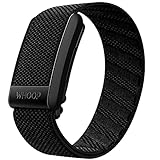
Screen-free wrist bands generally weigh about 25 to 30 grams with the band attached and are typically around 10 to 13 mm thick at the sensor housing. They are easy to sleep in and unobtrusive under long sleeves. The tradeoff is that you need to open an app to see most information.
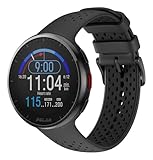
GPS sports watches commonly measure roughly 42 to 49 mm across the case, are about 10 to 14 mm thick, and weigh approximately 35 to 65 grams. A smaller 42 mm case usually suits narrower wrists and can be more comfortable overnight; a 46 to 49 mm case often delivers a larger display and sometimes longer battery life. The Polar Pacer Pro and Suunto Race S represent the lightweight sports-watch category, while a WHOOP-style band emphasizes continuous wear over on-wrist navigation.
Before buying, measure the flat top of your wrist. If it is under about 55 mm wide, a watch above 47 mm may feel oversized or press into your hand when you bend your wrist. For any style, keep the sensor about one finger-width above the wrist bone so it can sit flat against the skin.
Material: Prioritize Skin-Friendly Contact Surfaces
Recovery tracking depends on optical sensors that shine light into the skin to estimate pulse and HRV. The sensor window should be smooth, flush, and easy to clean. Look for a durable polymer or glass sensor cover and a case material that will not become uncomfortable when damp.
Silicone and fluoroelastomer bands are practical choices for sweat, rain, and frequent washing. They dry quickly and are usually available in widths from 18 to 22 mm on watch-style trackers. Woven nylon bands can feel softer for sleep, but they absorb sweat and take longer to dry. If you choose fabric, consider owning a second band so one can air-dry after workouts.
For sensitive skin, avoid wearing a wet band tightly for hours. Wash the sensor underside and band with mild soap and water after sweaty sessions, then dry both your skin and the device. A tracker can be water resistant and still cause irritation if sweat, sunscreen, or soap residue is trapped beneath it.
Construction: Look Beyond the Headline Recovery Score
The core construction question is sensor quality and data coverage, not case color or screen resolution. A worthwhile recovery tracker should include a continuous optical heart-rate sensor, motion sensors, and overnight sleep detection. Better sport-oriented models also include built-in GPS, barometric altitude data, and support for an external chest-strap heart-rate monitor.
The most actionable metrics to look for in recovery tracker metrics are:
- HRV trend: HRV is most valuable as a personal rolling trend, not as a comparison with another person’s number. Look for nightly readings and at least a 7-day or 14-day baseline view.
- Resting heart rate: A single elevated night means little; a sustained increase over 3 to 5 days alongside lower HRV can be a useful cue to reduce intensity.
- Sleep duration and regularity: Seek bedtime, wake time, total sleep, interruptions, and a multi-week schedule view. Avoid buying solely for precise sleep-stage claims.
- Training load: Runners and cyclists should look for workout duration, heart-rate zones, intensity, and a rolling load comparison over at least 7 days.
- Manual context: The ability to tag alcohol, illness, travel, menstrual cycle information, soreness, or hard sessions makes patterns easier to interpret.
For outdoor athletes, GPS matters. Expect built-in GPS watches to deliver roughly 15 to 30 hours of continuous GPS tracking, depending on screen settings and satellite mode. For gym training, a device that pairs with Bluetooth chest straps can improve heart-rate data during intervals, rowing, and strength sessions, where wrist sensors can be less reliable.
Comfort and Performance: Consistency Beats a Feature List
A comfortable tracker produces better long-term data because you actually keep it on overnight. The band should be snug enough that the sensor does not shift during sleep, but not tight enough to leave deep marks, numbness, or tingling. You should be able to slide one fingertip under the strap.
Battery life directly affects consistency. A recovery-focused band should ideally last 4 to 7 days between charges. Many GPS watches manage 5 to 12 days in smartwatch use, but much less during active GPS recording. A device that needs charging every 24 to 36 hours can still work, but only if its charging routine does not repeatedly coincide with bedtime.
Consider charging design, too. Small proprietary charging pucks are easy to misplace. A device with a full recharge time of roughly 60 to 120 minutes is convenient; a quick top-up of 15 to 30 minutes can be useful before sleep. Use the supplied cable and a modest USB power source rather than assuming every high-wattage charger is ideal.
Performance also means understandable guidance. A good app explains whether a low score is driven by reduced HRV, shorter sleep, elevated resting heart rate, unusually high load, or a combination. Avoid systems that simply say “recover” without showing the contributing data.
Price Tiers: Compare Two-Year Cost, Not Just the Sticker
Budget: $100 to $180. Expect basic sleep tracking, continuous heart rate, activity tracking, and simple readiness estimates. This tier can work well for people who want to establish sleep and resting-heart-rate habits. GPS may rely on your phone, and training-load analysis is often limited.
Midrange: $180 to $300. This is the practical sweet spot for many buyers. Products in this range may include built-in GPS, running metrics, structured workouts, recovery guidance, 5 to 10 days of everyday battery life, and a color display. The Polar Pacer Pro at about $188 and the Suunto Race S at about $299 fit the general sports-watch range.
Premium: $300 to $600-plus over time. This category can include higher-resolution displays, more detailed maps, extra sports profiles, longer battery capacity, advanced training analysis, or a subscription-based coaching platform. A WHOOP 4.0 package priced around $199 illustrates why it is essential to check ongoing membership terms before comparing it directly with a no-subscription watch.
Pay for premium features only when they match your routine. A runner training four or more days per week may use GPS, pace, load, and route tools constantly. Someone mainly trying to improve sleep may get more value from a lighter, simpler tracker with strong overnight comfort.
Warranty: Read the Coverage for the Device, Battery, and Band
Look for at least a 1-year limited warranty on the tracker itself. Confirm whether the battery is covered, whether accidental damage is excluded, and whether water damage is treated differently from ordinary defects. Bands are often considered wear items and may have shorter coverage.
Also check replacement costs. Standard silicone watch bands may cost $20 to $50, while proprietary bands and charging cables can cost more. If you exercise daily, budgeting for two bands is sensible: one for workouts and one clean, dry band for sleep. Keep your receipt, serial number, and order confirmation until the warranty period ends.
Delivery and Assembly: Plan for Setup, Fit, and Baseline Time
There is no furniture-style assembly, but recovery trackers do require setup. Allow 20 to 40 minutes to charge the device, install the app, create an account, update firmware, set health and activity preferences, and adjust notifications. If you are buying a watch with interchangeable straps, changing a quick-release band usually takes under 2 minutes.
Do not judge recovery recommendations on the first morning. Wear the tracker continuously for at least 7 nights, and preferably 14 to 21 days, before treating its baseline-based advice as meaningful. During that period, wear it at the same location on your wrist and avoid changing between wrists unless the app supports that change.
For a gift, verify wrist-sizing ranges before delivery. Many small/large band systems cover approximately 130 to 220 mm wrist circumferences, but ranges vary. If possible, buy from a seller with a clear return window of at least 14 to 30 days so the recipient can test nighttime comfort.
Spec Checklist
| Spec | Budget | Mid | Premium |
|---|---|---|---|
| Typical price | $100–$180 | $180–$300 | $300–$600+ |
| Recovery inputs | Heart rate, sleep, activity | HRV trend, resting heart rate, sleep, load | Detailed trends, load, coaching, tags, advanced sport data |
| Weight target | 25–50 g | 30–55 g | 30–65 g |
| Everyday battery target | 3–7 days | 5–10 days | 5–14 days |
| GPS | Phone-connected or optional | Built-in GPS common | Built-in GPS with advanced navigation features |
| Best for | Sleep and basic wellness habits | Regular exercisers and runners | Serious endurance training or coaching-focused users |
Red Flags
- A recovery score with no visible HRV, resting-heart-rate, sleep, or load explanation.
- Claims that the device diagnoses illness, overtraining, anxiety, or medical conditions.
- No stated battery-life estimate or a charging routine likely to interrupt sleep tracking.
- A large, heavy case that you already know you will remove at night.
- Required subscriptions that are unclear about monthly cost, annual commitment, or data access after cancellation.
- Only a daily score, with no 7-day, 14-day, or longer trend view.
- A device that cannot export or clearly display the underlying trends you want to monitor.
FAQ
Which recovery metric matters most?
There is no single best metric. The most useful combination is your HRV trend, resting heart rate trend, sleep duration and timing, and recent training load. Look for changes that persist for several days rather than reacting to one unusual reading.
Is HRV higher always better?
No. HRV varies substantially among individuals, and a high number is not automatically “good.” What matters is how your current reading compares with your established baseline and how it aligns with sleep, stress, soreness, and training performance.
Do I need built-in GPS for recovery tracking?
Not necessarily. Built-in GPS is valuable if you run, ride, hike, or train outdoors without your phone. For sleep, resting heart rate, HRV, and general recovery trends, a screen-free band or non-GPS tracker can be enough.
Can a recovery tracker replace medical advice?
No. These devices are useful for observing personal patterns, not diagnosing conditions. If you have chest pain, fainting, persistent palpitations, severe fatigue, or concerns about sleep or heart health, consult a qualified medical professional rather than relying on a wearable score.