Key takeaways
- Best Overall: TriggerPoint Grid 1.0 (13 inch) – compact multi-density roller with a hollow core.
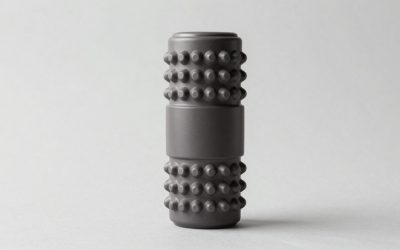
- Best for Comfort: Rollga – medium density with a spine groove and bumps.
- Best Budget: The Original Body Roller – a plain high-density roller for back and legs.
- Best Soft Long Roller: OPTP PRO-Roller Soft Density (36 x 6 inch) – gentle and supportive.
- Best Premium for Full-Body Use: TriggerPoint Grid 2.0 (26 inch) – firm, long and durable.
- Best Collapsible Travel Roller: Brazyn Morph – folds flat for luggage.
The best rated foam roller style for most people is a medium-firm, grid-textured roller, and the TriggerPoint Grid 1.0 is the model we would buy first. If you want comfort over intensity, the Rollga is the better fit, and if you need a long, soft roller for lying along your spine, the OPTP PRO-Roller Soft (36 inch) fits. “Best rated” depends on who is doing the rating: a lifter, a runner and a 65-year-old doing gentle mobility work will each score the same roller differently. This guide is research-based. We compared manufacturer specifications, listing details and what independent fitness and physical-therapy publications say about foam rollers, and we did not personally use these products or quote rating scores.
That last point is worth explaining. Rating averages on shopping pages reward products that are comfortable on day one, which is why soft and medium rollers often rank above firm ones. They do not tell you whether a roller flattens after six months or whether it suits your body. So instead of repeating a rating number, this guide explains why each roller tends to be well regarded, and for whom.
Our top picks


As an Amazon Associate we earn from qualifying purchases at no extra cost to you.
Top Picks at a Glance
- Best Overall: TriggerPoint Grid 1.0 (13 inch) – compact multi-density roller with a hollow core.
- Best for Comfort: Rollga – medium density with a spine groove and bumps.
- Best Budget: The Original Body Roller – a plain high-density roller for back and legs.
- Best Soft Long Roller: OPTP PRO-Roller Soft Density (36 x 6 inch) – gentle and supportive.
- Best Premium for Full-Body Use: TriggerPoint Grid 2.0 (26 inch) – firm, long and durable.
- Best Collapsible Travel Roller: Brazyn Morph – folds flat for luggage.
Comparison Table: Well-Regarded Foam Rollers
| Product | Best for | Key specs | Watch for | Price tier |
|---|---|---|---|---|
| TriggerPoint Grid 1.0 | All-round use, quads, calves, lats | 13 in, multi-density EVA, hollow core, 500 lb rating | Short; firm | Mid-range |
| Rollga | Back-focused comfort | Medium density, grooves and bumps | Model sizes vary | Mid-range |
| The Original Body Roller | Budget back and leg rolling | High-density foam | Dimensions not listed in title | Budget |
| OPTP PRO-Roller Soft | Gentle lying-down use | 36 x 6 in, soft density | Bulky; mild pressure | Premium |
| TriggerPoint Grid 2.0 | Full back and legs | 26 in, hollow core, 500 lb rating | Firm; large | Premium |
| Brazyn Morph | Travel and small spaces | Collapsible design | Weight capacity and firmness not listed in title | Premium |
1. TriggerPoint Grid 1.0: Best Overall
- Size: 13 inches long, about 5.5 inches wide, around 1.3 lb
- Build: multi-density EVA foam over a rigid hollow core
- Surface: grid pattern intended to mimic a therapist’s hands
- Capacity: up to 500 lb per the manufacturer
Best for: people who want one durable roller for the legs, glutes and lats. Skip if: you want to lie along your spine, or you are brand new to rolling and prefer a softer feel.
The reason the Grid is so widely recommended is that it covers the gap between a smooth tube, which can feel dull, and spiky tools, which can feel punishing. The pattern gives enough variation to find tender spots without being a gimmick. The hollow core means the roller holds its round shape through years of use, which matters more than any short-term rating.
The compact length makes it easy to carry and easier to aim at one leg. It is less suited to the spine because the roller is narrower than the shoulders.
Pros: durable; compact; consistent feel; high weight rating. Cons: firm for beginners; short; limited for the back.
2. Rollga: Best for Comfort and Back Work
- Density: medium
- Surface: grooves and bumps designed to spare the spine
- Sizes: multiple; check the maker’s size chart
Best for: people with desk-related upper-back tightness who find a standard roller harsh. Skip if: you only want to roll legs and prefer very hard pressure.
A roller that feels good is a roller you use. Comfort is why the Rollga often does well with shoppers: medium density gives some cushion, and the channel stops the roller from pressing straight onto the bony spine. It is a smart choice if you tried a hard roller once and gave up.
Pros: comfortable; thoughtful spine design; varied sizes. Cons: mid-range cost; less intense for heavy lifters.
3. The Original Body Roller: Best Budget
- Material: high-density foam
- Uses: back and leg muscles, per the listing
- Dimensions: not listed in the listing title
Best for: anyone who wants to try foam rolling without a big outlay. Skip if: you plan to use it daily for years.
A smooth, high-density roller does the basic job. The main limit is durability: solid foam compresses over time, so a roller used daily may develop a flat side. For occasional use, though, it is a fair way to find out whether rolling suits you before you invest in a hollow-core design.
Pros: low cost; simple; firm. Cons: can flatten; no texture; specs vague.
4. OPTP PRO-Roller Soft Density (36 x 6): Best Soft Long Roller
- Size: 36 inches by 6 inches, round
- Density: soft
- Typical uses: physical therapy, Pilates, yoga, gentle back and hip work
Best for: beginners, older adults and anyone who wants supported stretching rather than deep pressure. Skip if: you want firm, deep tissue pressure.
Physical-therapy clinics tend to use this style because it supports the whole body length and is gentle. Lying along it with your arms open feels like a stretch, and it is a solid choice for balance and core exercises. It costs more than the typical gym roller, but it is a different tool for a different purpose.
Pros: supportive; gentle; versatile for Pilates and yoga. Cons: expensive; large; not for deep tissue work.
5. TriggerPoint Grid 2.0: Best Premium Full-Body Roller
- Size: 26 inches
- Build: multi-density EVA with a hollow core
- Capacity: up to 500 lb per the listing
Best for: people who roll often and want length for back and legs. Skip if: you need something portable.
The 26-inch version carries the same design as the 13-inch Original with extra length. That length lets you roll both legs, stabilize across the upper back and share the roller with another person. It is the sort of roller that stays in use for many years.
Pros: long; durable; consistent pattern. Cons: costs more; firm; bulky.
6. Brazyn Morph: Best Collapsible Travel Roller
- Design: collapsible roller that folds flat for packing
- Marketed for: travel, workouts and back massage
- Firmness and load rating: not listed in the title
Best for: travelers, small apartments and people who want a roller that disappears into a drawer. Skip if: you want a rock-solid feel or the lowest price.
Collapsible rollers solve a storage and travel problem. When opened, the Morph forms a cylinder, and when folded it stores nearly flat. The trade-off is that moving parts and a hinge-style structure may not feel as solid as a one-piece hollow-core roller, so check the maker’s weight rating before you commit.
Pros: packs flat; useful for travel; clever design. Cons: premium cost; moving parts; specs vary.
Also Consider
- Pro-Tec Athletics Travel Size Foam Roller: a compact high-density roller for gym bags.
- Deep Recovery Yoga Foam Roller: a mid-priced roller marketed for back, legs and shoulders.
- Oceanfoam Ripple Roller: a mini roller for calves and forearms.
How We Chose
We did not rely on rating numbers. Instead, we grouped rollers by style (grid, ergonomic, smooth, soft, collapsible) and selected a representative with a solid reputation for each. We compared manufacturer descriptions, listing details and published guidance from physical-therapy and fitness sources. We did not personally use these products. Where a spec was missing, we wrote “not listed”. The result is a list for different bodies and budgets, not a single winner for everyone.
Why Highly Rated Rollers Often Look Alike
If you read many reviews, you will notice the same things praised again and again, and they make a handy checklist. First, comfort at first use: softer or medium rollers rarely disappoint on day one. Second, a hollow or reinforced core: rollers that keep their shape get better long-term feedback than cheap solid foam. Third, appropriate size: the most common complaint is “too short” or “too big”, which is a mismatch with use rather than quality. Fourth, texture that suits the buyer: grid patterns are loved by some and disliked by others.
Knowing this helps you read a rating critically. A roller with a very high average from beginners may simply be soft, while a roller with a lower average from athletes may be firm and effective. Look for reviews from people with a similar body and goal to yours.
Which Style Fits Which Person
| Who you are | Style to look for | Length | Density | Example from this list |
|---|---|---|---|---|
| Runner with tight calves and quads | Grid or ridged | 13 to 18 in | Medium-firm | Grid 1.0 |
| Desk worker with a stiff upper back | Ergonomic with spine channel | 18 to 24 in | Medium | Rollga |
| Lifter wanting deep pressure | Textured, hollow core | 18 to 26 in | Firm | Grid 2.0 |
| Beginner, cautious | Smooth or gentle | 18 in | Soft to medium | OPTP Soft (short version also exists) |
| Older adult, gentle mobility | Smooth, long | 36 in | Soft | OPTP Soft 36 in |
| Frequent traveler | Collapsible or mini | Under 13 in packed | Medium-firm | Brazyn Morph |
| Trying rolling for the first time | Plain cylinder | 18 in | High-density but smooth | Original Body Roller |
A Four-Exercise Starter Routine
A roller is only as good as the way you use it. These four moves cover the areas where most people hold tension, and each can be done with any roller on this list. Spend about a minute on each and keep the effort moderate.
- Quads. Lie face down with the roller under your thighs and forearms on the floor. Roll from just above the knee to the hip. Reason: the quads are large and tolerate pressure well, so this is a good first area for beginners.
- Calves. Sit with the roller under your calves, hands behind you, and lift your hips. Roll from the ankle to below the knee, turning your feet slightly in and out. Reason: calves tighten with walking, running and standing, and rolling them is easy to control.
- Glutes. Sit on the roller, cross one ankle over the opposite knee, and lean toward the crossed leg. Reason: the glutes connect to the hips and lower back, and rolling them avoids the lumbar spine.
- Upper back. Lie with the roller across the shoulder blades, hands supporting the head, hips lifted slightly. Take short passes. Reason: the rib cage protects this area, so it can handle pressure better than the lower back.
Breathe slowly throughout. If you find yourself holding your breath, make the pressure lighter by shifting more weight onto your hands or feet.
How to Read Ratings and Reviews Smartly
Because “best rated” is the phrase you searched, here is how to use ratings without being misled. Start by sorting reviews by the most recent, because manufacturers sometimes change materials or sizes. Look for reviews that mention your body size or goal. Check for repeated complaints: if many people say a roller flattened or smells strongly, that is a durability or material issue. If many say it is “too hard”, it may simply be a firm roller meant for experienced users.
Be wary of mixed-size listings. Many roller pages group several sizes and colors under one rating, so a glowing review may come from a different length than the one you are about to buy. Also watch for look-alike products: some listings reuse photos from a well-known brand, so confirm the brand name and the specs in the title.
Finally, consider what you value. If durability is the priority, look for a hollow core and a weight rating. If comfort is the priority, look for medium or soft density. If you want to know whether a roller suits your body, follow someone with a similar build, since a smaller person may find a 6-inch roller high and wobbly while a taller person finds an 18-inch roller short.
Signs It Is Time to Replace Your Roller
- A visible flat spot or dent that does not recover after a day.
- The surface feels noticeably softer than it did, or crumbles at the edges.
- Cracks near the ends of a hollow-core roller.
- A persistent smell that does not go away after washing.
- You have changed goals, such as moving from gentle mobility to heavier training, and the roller no longer provides the right feel.
Most users find that a hollow-core EVA roller lasts for years, while basic solid-foam rollers may need replacing sooner if used daily.
Common Mistakes When Buying a Foam Roller
- Choosing the firmest roller because it sounds more effective. Firmer is not better if you cannot relax on it.
- Buying too short a roller for the back. Anything under about 18 inches is hard to balance on across the shoulders.
- Ignoring storage. A 36-inch roller needs a spot to stand or lie flat.
- Buying on a rating alone without checking size, density and core.
- Expecting a roller to replace stretching, strength work or professional care for an injury.
Cost Per Use: Is a Premium Roller Worth It?
Rollers look inexpensive next to most fitness gear, but the difference between tiers is real. The table below uses sessions rather than prices, so it stays accurate when shop prices change. The idea is simple: divide what you pay by the number of sessions you will realistically get before the roller flattens or you outgrow it.
| Roller type | Likely useful life with regular use | Sessions (3 per week) | Value note |
|---|---|---|---|
| Basic solid foam | Several months to a year | 50 to 150 | Fine to try rolling, may flatten |
| Hollow-core EVA (Grid style) | Several years | 400 plus | Best long-run value for frequent users |
| Ergonomic medium (Rollga) | Years, depending on care | 300 plus | Value comes from comfort that keeps you using it |
| Soft clinic-style 36 in | Years | 300 plus | Dual use as a yoga and Pilates prop |
| Collapsible | Depends on hinges and build | Varies | Pay for portability, check the maker’s rating |
These life estimates are rules of thumb, not guarantees. The best predictor is whether you will use the roller. A modest roller you enjoy beats a premium one that stays in the closet.
What Physical Therapists Tend to Say About Foam Rolling
Published guidance from therapy and sports medicine sources is fairly consistent. Rolling for a few minutes before exercise is commonly described as a way to warm up and may help short-term range of motion. Rolling after exercise may help muscles feel less sore for some people, though studies show modest effects. Pressure should be tolerable, usually described as a “good hurt” and not sharp. Roll muscles, not joints or bones, and breathe normally. Avoid rolling the lower back with a firm roller, and stop if you feel numbness, tingling or sharp pain.
This is why the pick of “best rated” is less about the roller’s firmness and more about whether it lets you apply moderate pressure in a comfortable position. The best-rated style tends to be the one that people can use correctly, which usually means a medium-firm roller of 13 to 18 inches for legs, or a longer soft roller for gentle back work.
Buying Guide
Match density to experience
Soft: older adults, injured or very sore users, Pilates and yoga. Medium: most beginners and general fitness users. Firm: regular lifters and athletes. If you are unsure, buy medium.
Choose length for your main use
13 inches for legs and travel. 18 inches for general use. 24 to 36 inches for the spine and for balance work. Collapsible models suit small spaces.
Choose a core that lasts
A hollow rigid core resists flattening. Solid foam is fine for light use. If a weight rating is listed, 250 lb or more is a reasonable minimum.
Think about the surface
Smooth is simple and easy to clean. Grid or ridges give more variation. Grooved designs help spine comfort. Choose the one you will actually use.
Check care and storage
Wipe with mild soap after sweaty sessions and avoid leaving the roller in a hot car. Store it flat or upright, not under heavy objects.
Frequently Asked Questions
What is the best rated foam roller overall?
There is no single winner. For most adults, a medium-firm textured roller like the TriggerPoint Grid 1.0 is a safe, well-regarded choice, while beginners may prefer a medium or soft roller.
Are expensive foam rollers worth it?
They can be if the extra money buys a hollow core, a longer size or a design that suits your body. A cheap smooth roller is fine for occasional use.
Should I buy a hard or soft roller?
Start with medium. Hard rollers can be too painful for beginners, and soft ones may feel too mild once you are used to rolling.
How long does a foam roller last?
It depends on the build and use. Hollow-core EVA rollers can last for years, while cheap solid foam may flatten within months of daily use.
Is a textured foam roller better?
Textured rollers concentrate pressure and suit users who want stronger sensations, while smooth rollers feel more even. Neither is universally better.
Can a foam roller help soreness?
Many people find that gentle rolling feels good after exercise, although research on its effects is mixed. It is not a treatment, and sharp or persistent pain should be checked by a clinician.
What size foam roller should I get?
Pick 13 to 18 inches for legs and travel, and 24 to 36 inches if you want to roll the spine or do balance exercises.
Which One Should You Buy?
If you want one roller and you are active, buy the TriggerPoint Grid 1.0. If comfort is your first concern, pick the Rollga. If you are on a tight budget, the Original Body Roller will do the basics. For gentle, supported work choose the OPTP Soft 36-inch, and for regular full-body use choose the Grid 2.0. If space is the issue, the Brazyn Morph is the clever pick. Start with moderate pressure and build up.
Sources
- TriggerPoint, Rollga, OPTP and Brazyn manufacturer product pages
- American Council on Exercise guidance on foam rolling
- Cleveland Clinic overview of foam rolling and myofascial release
- Harvard Health Publishing coverage of muscle soreness and recovery
Last updated: October 2026