Key takeaways
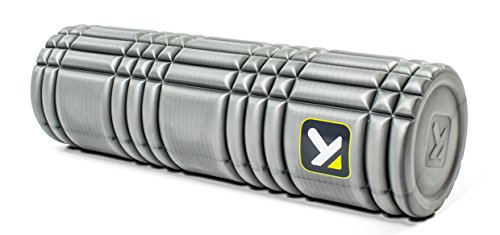
- Best Overall: TriggerPoint GRID 1.0 Foam Roller (13-inch, multi-density)
- Best Value: CanDo Black Composite High-Density Foam Roller
- Best for Beginners and Very Sore Muscles: OPTP PRO-Roller Soft Density (36 x 6 inches)
- Best Textured Roller: RumbleRoller Basic Bumpy Foam Roller
- Best Mid-Size Firm Roller: FITNATION Fitizen 18 x 6 inch Foam Roller
- Best Premium Vibrating Roller: Therabody WaveRoller
The best foam roller for muscle soreness is a medium-to-firm, smooth or lightly textured roller that you can use for 30 to 60 seconds per muscle group, and for most people that means the TriggerPoint GRID 1.0 for its multi-density surface or a plain high-density roller such as the CanDo Black Composite if you want the lowest cost. If you are new to rolling or sore enough that firm foam hurts, the OPTP PRO-Roller Soft Density is the gentler place to start. This guide is research-based: we did not personally use these rollers, and every spec is taken from the listing or marked “not listed”.
Foam rolling is a form of self-massage. Small studies and reviews suggest it may reduce the feeling of soreness after hard exercise for a short time, and it may help you feel looser before a workout, but the evidence is modest and it is not a treatment for injury. This article focuses on choosing the right roller for post-workout tightness and routine delayed-onset soreness, then explains firmness, size and technique with concrete numbers.
Our top picks



As an Amazon Associate we earn from qualifying purchases at no extra cost to you.
Top Picks at a Glance
- Best Overall: TriggerPoint GRID 1.0 Foam Roller (13-inch, multi-density)
- Best Value: CanDo Black Composite High-Density Foam Roller
- Best for Beginners and Very Sore Muscles: OPTP PRO-Roller Soft Density (36 x 6 inches)
- Best Textured Roller: RumbleRoller Basic Bumpy Foam Roller
- Best Mid-Size Firm Roller: FITNATION Fitizen 18 x 6 inch Foam Roller
- Best Premium Vibrating Roller: Therabody WaveRoller
Comparison Table: Six Foam Rollers for Soreness
| Product | Best for | Key specs (from listing) | Watch for | Price tier |
|---|---|---|---|---|
| TriggerPoint GRID 1.0 | All-round post-workout rolling | 13-inch; multi-density surface; deep tissue and muscle recovery | Short length limits full-back rolling | Mid-range |
| CanDo Black Composite High-Density | Budget firm rolling | High-density composite foam; for muscle restoration and recovery; sizes vary by listing | Plain surface, firm for beginners | Budget |
| OPTP PRO-Roller Soft Density | Beginners, very sore muscles, older users | 36 x 6 inches; round; soft density; used in therapy, Pilates and yoga | Softer foam may flatten over time | Premium for soft foam |
| RumbleRoller Basic Bumpy | Users who want a knobbed, deeper feel | Solid-core EVA foam with grid and bump texture | Can be intense on tender spots | Mid-range |
| FITNATION Fitizen 18 x 6 | Back and legs on a compact roller | 18 x 6 inches; listed as firm; deep tissue recovery | Few extra specs published | Mid-range |
| Therabody WaveRoller | Users who want vibration in a roller | High-density vibrating foam roller; five vibration intensities | Cost; vibration is a preference, not a need | Premium |
1. TriggerPoint GRID 1.0: Best Overall
- 13-inch length, shown in the listing title
- Multi-density surface designed for deep tissue and muscle recovery
- Weight and diameter: not listed in the title we reviewed
Best for: athletes and gym-goers who want a travel-friendly roller for quads, calves and glutes. Skip if: you want to roll your full back lengthwise or need a roller that supports your whole torso.
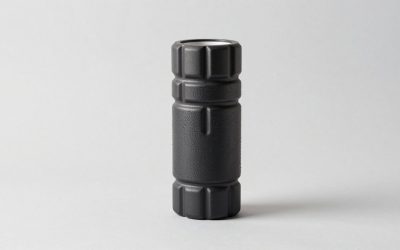
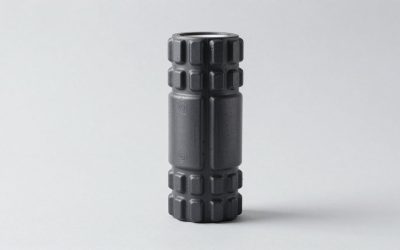
The GRID is probably the best-known textured roller. It combines a firm core with a raised pattern of different densities, which concentrates pressure on the muscle without the harshness of a knobby surface. The 13-inch length makes it compact enough for a gym bag, and it is long enough for quads, hamstrings, calves and glutes. For soreness after leg day, 30 to 60 seconds on each muscle group is a common routine.
It is firm. If you find yourself holding your breath or tensing against the roller, you are using too much pressure. Rest part of your body weight on your hands or the other leg to lighten the load, and slow the rolling to about an inch per second.
Pros:
- Multi-density surface
- Compact enough to travel
- Well-known design
Cons:
- Short for rolling the full back
- Firm for beginners
- Premium mid-range cost
2. CanDo Black Composite High-Density Foam Roller: Best Value
- High-density composite foam
- Marketed for muscle restoration, massage therapy and sports recovery
- Available in several sizes; check the length on the listing you choose
- Diameter and weight: not listed in the title we reviewed
Best for: people who know they like firm pressure and want a low-cost plain roller. Skip if: you are new to rolling or have very tender muscles.
The CanDo is a classic gym roller: a smooth, dense cylinder. A smooth surface spreads pressure over a wider area, which feels firm but even. It suits large muscle groups such as quads, hamstrings, glutes and the upper back, and it is a good choice if you want to keep costs down.
The trade-off is that high-density foam can feel unforgiving on a very sore muscle. A softer roller is kinder for day-after soreness, while the CanDo works well after the first 24 hours when you want a firmer feel.
Pros:
- Low cost
- Smooth, even pressure
- Several sizes
Cons:
- Firm for beginners
- Plain surface gives less targeted pressure
- Specs limited
3. OPTP PRO-Roller Soft Density: Best for Beginners and Very Sore Muscles
- 36 x 6 inches, round
- Soft density, as named in the product title
- Marketed for physical therapy, Pilates and yoga
- Material composition and weight: not listed in the title we reviewed
Best for: beginners, older adults and anyone whose muscles are too sore for firm foam. Skip if: you want deep, firm pressure.
A 36-inch roller gives you a long surface for rolling the whole back or lying along the spine, and the soft density spreads your weight so that the pressure is gentle. It is often used in therapy and mobility classes for balance and gentle release work. For soreness after a hard session, a soft roller lets you move without the guarding that a firm roller can trigger.
The disadvantage is cost relative to basic rollers and the fact that soft foam can lose its shape over months of heavy use. It is not for deep pressure, and strong athletes may find it too mild.
Pros:
- Gentle pressure
- Long enough for back and full-body work
- Used in therapy settings
Cons:
- Not for deep pressure
- Takes up storage space
- Costs more than basic foam
4. RumbleRoller Basic Bumpy Foam Roller: Best Textured Roller
- Solid-core EVA foam with a grid and bump texture
- Marketed for deep tissue massage and self-massage
- Length and density: not listed in the title we reviewed
- Weight: not listed
Best for: experienced rollers who want a deeper, knobby feel. Skip if: you bruise easily or find textured rollers painful.
A bumpy roller concentrates pressure on small contact points, which can feel like a thumb pressing into a tight spot. Some people like that sensation for stubborn tightness in the quads, calves or glutes. Others find it too intense, especially when muscles are already sore. If you are unsure, start with a smooth or lightly textured roller and move to a bumpy one later.
Keep sessions short and avoid rolling directly on joints, the lower back or bony areas.
Pros:
- Targeted pressure
- Solid core keeps its shape
- Good for large muscles
Cons:
- Intense for tender muscles
- May bruise sensitive skin
- Not for beginners
5. FITNATION Fitizen 18 x 6 Inch Foam Roller: Best Mid-Size Firm Roller
- 18 x 6 inches
- Listed as a firm, medium deep tissue roller for back and legs
- Marketed for muscle recovery
- Material and weight: not listed in the title we reviewed
Best for: home use and mixed workouts, where you want something longer than a travel roller but easier to store than 36 inches. Skip if: you want a textured surface.
An 18-inch roller is a practical middle ground. It is long enough for quads, calves and upper back rolling, but short enough to stash in a closet or a gym bag. The 6-inch diameter is typical for standard rollers and gives a stable base for most body weights.
The listing calls it firm, so treat it like the CanDo: fine for muscles that are tight but not freshly injured, and best used after the first day of soreness.
Pros:
- Balanced length
- Standard 6-inch diameter
- Easy to store
Cons:
- Limited published specs
- Firm for beginners
- Plain surface
6. Therabody WaveRoller: Best Premium Vibrating Roller
- High-density vibrating foam roller
- Five vibration intensities, per the listing
- Power source, battery life and weight: not listed in the title we reviewed
- From the maker of the Theragun range
Best for: people who like the feel of vibration and want a roller that adds it. Skip if: you want the lowest cost; vibration is a comfort preference, and plain rollers work well too.
Vibrating rollers combine foam with a small motor. The idea is that vibration may make the rolling sensation more comfortable and help you relax into pressure, though research on vibration rolling versus standard rolling is limited. Per the listing, the WaveRoller offers five intensities, so you can start low on a sore muscle and increase gradually.
It is the most expensive roller in this guide, and check the listing for how it is powered and charged. If you only roll a few times a week, a plain roller is almost certainly enough. If you roll daily and like vibration, it is a comfortable premium option.
Pros:
- Five vibration levels
- High-density foam
- Strong brand
Cons:
- High cost
- Power and charging details to check
- Benefit over plain rollers is unproven
Also Consider
321 STRONG 3-Zone Massage Roller, Medium Density
A roller with palm, finger and thumb zones that vary the pressure along its length. A good choice if you want a textured roller that is less aggressive than a bumpy one.
The Original Body Roller, High Density
A high-density roller for back and leg muscles. It is a straightforward firm option for those who want a plain roller with a familiar shape.
Krightlink 5-in-1 Foam Roller Set
A bundle that includes a roller and add-ons such as a stick and a ball. It suits beginners who want variety at a mid-range cost.
Vulken Vibrating Foam Roller, 17 Inch
A 4-speed electric roller listed at up to 3,800 RPM. It is a lower-cost way to try vibration than a premium model.
How We Chose
This guide is research-based. We did not personally use these products. We compared listings, stated sizes and densities, and general guidance from physical therapy and sports medicine sources about foam rolling. We aimed for a spread of firmness levels, lengths and textures, since the “best” roller depends on how sore you are and which muscles you work on. We kept to one product per brand where possible and used tier words rather than prices.
Because foam rolling is a recovery habit, not a treatment, we avoided claims about curing pain or injury. If you have a diagnosed condition, ask a doctor or physical therapist what is suitable.
Buying Guide: How to Choose a Foam Roller for Soreness
Firmness: match it to how sore you are
Soft rollers suit beginners and very sore muscles. Medium or multi-density rollers suit regular exercisers. High-density and textured rollers suit experienced users who tolerate firm pressure. If you are unsure, buy medium or soft first, since you can always add a firmer roller later.
Length: choose by what you will roll
| Length | Good for | Limit | Storage |
|---|---|---|---|
| 12 to 13 inches | Quads, calves, glutes, travel | Short for rolling the full back | Gym bag |
| 18 inches | Legs, upper back, home use | Not full spine length | Closet shelf |
| 24 inches | Back and legs, more stability | Bulkier | Corner of room |
| 36 inches | Full spine, balance and mobility work | Hard to store or carry | Standing against wall |
Texture
Smooth rollers spread pressure and feel even. Grid or bump textures concentrate pressure on small areas and feel deeper. If your muscles are sore, smooth is kinder.
Diameter and core
A 6-inch diameter is standard. Hollow cores reduce weight, while solid cores tend to hold their shape longer. Check the listing for core type if you plan to roll daily.
Vibration
Vibrating rollers cost more and need a power source. They are a comfort feature, not a requirement. Try a plain roller first.
How to Roll for Muscle Soreness: A Simple Routine
- Warm up for a few minutes with light movement so your muscles are not cold.
- Place the roller under the muscle group, such as the quads, and support yourself with your hands.
- Roll slowly, about an inch per second, over the length of the muscle.
- When you find a tender spot, pause for 15 to 30 seconds and breathe slowly; stop if it becomes sharp pain.
- Spend 30 to 60 seconds per muscle group, and about 10 minutes total.
- Follow with gentle stretching or walking, and drink water.
The times are common planning guidelines rather than medical advice. Avoid rolling directly on joints, bones, the lower back, bruises or swollen areas. If you have a medical condition, a recent injury or you take blood thinners, ask your doctor or physical therapist first.
A Sample Weekly Plan: Rolling Around Your Workouts
A roller is most useful when it fits your training week rather than sitting in a corner. The plan below is a general example for someone who trains four days a week. It is not medical advice, and you should adjust it to how your body feels.
| Day | Training | Rolling focus | Roller type | Time |
|---|---|---|---|---|
| Monday | Lower body strength | Quads, glutes, calves after the session | Medium or multi-density | 8 to 10 minutes |
| Tuesday | Rest or walk | Light rolling of sore areas, soft pressure | Soft or medium | 5 to 8 minutes |
| Wednesday | Upper body strength | Upper back, lats, shoulders (avoid the neck) | Medium, 18 inches or longer | 5 to 8 minutes |
| Thursday | Cardio or mobility | Short pre-session roll, then stretch | Any | 3 to 5 minutes |
| Friday | Full body | Legs and back after the session | Medium or firm | 8 to 10 minutes |
| Weekend | Rest or light activity | Gentle rolling on tight areas | Soft or medium | 5 to 10 minutes |
Total rolling time in this plan is roughly 35 to 50 minutes a week. If you feel more sore the day after a session, shorten the time or switch to a softer roller.
Soreness You Can Roll and Soreness You Should Not
Delayed-onset muscle soreness usually appears 12 to 48 hours after unfamiliar or hard exercise, feels like a dull ache across a muscle, and fades within a few days. Gentle rolling is a common way to ease the feeling of tightness during that window. Other kinds of pain are different. Sharp, localised or sudden pain, swelling, bruising, numbness, tingling, pain at night or pain that does not improve in a few days should be checked by a doctor or physical therapist rather than rolled. Do not roll directly over varicose veins, recent fractures, open skin or areas you suspect are strained or torn. If you take blood thinners, are pregnant or have a medical condition that affects circulation or bones, ask a professional before starting a rolling routine.
Caring for a Roller and Knowing When to Replace It
Foam rollers are low maintenance, but they do wear. Wipe the surface with a damp cloth and mild soap after sweaty sessions, and let it dry before storing. Keep it out of direct sun and away from heat, which can make foam brittle. Soft rollers flatten sooner than dense ones; if you can see a flat spot or the roller no longer springs back, it is time to replace it. Textured rollers can trap dust and skin oils in the grooves, so clean them with a soft brush. A roller that crumbles, cracks or has deep dents will not support you evenly and can feel uncomfortable, so retire it rather than use it on tender muscles.
Common Mistakes
- Rolling too fast. Fast rolling skips over tight areas and does not give the muscle time to relax.
- Using too much pressure. If you are tensing, lighten the load by supporting your weight.
- Rolling the lower back. The lumbar spine has no rib cage for protection. Roll the upper back instead.
- Rolling an injury. Sharp pain, swelling or bruising needs medical advice, not a roller.
- Expecting a cure. A roller is a recovery habit; it works best alongside sleep, food and rest days.
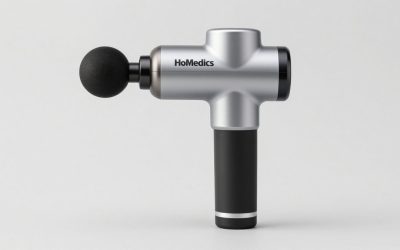
Foam Roller or Massage Gun for Soreness?
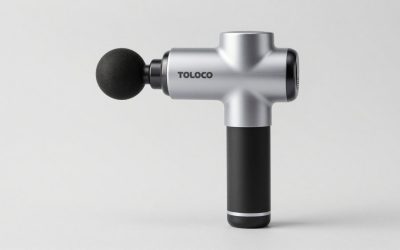
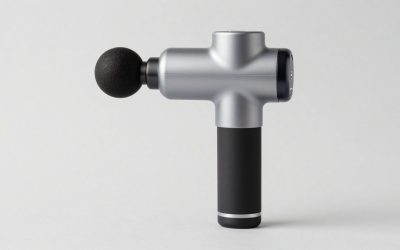
Many readers ask whether a roller or a massage gun is better for sore muscles. A roller uses your own body weight, costs less, needs no charging and covers large areas such as the quads and upper back. A massage gun is faster for small, targeted spots and needs less effort, but it costs more and has a battery. For a sore day after a leg session, either can feel good. If you are choosing only one and want the simplest, lowest-cost option, start with a roller in a medium firmness, then add a gun later if you want to target specific spots. Neither tool is a treatment for injury, and persistent or sharp pain should be assessed by a professional.
Travel and Storage Notes
A 13-inch roller fits in most carry-on bags, while a 36-inch roller needs to stand in a corner. If you have little space, a compact roller that doubles as a seat or a prop for stretching earns its place. Keep rollers off radiators and out of hot cars, because heat can warp foam.
Frequently Asked Questions
Does foam rolling help sore muscles?
Some small studies suggest foam rolling after exercise can reduce how sore muscles feel for a short time, but the effect is modest. It is a comfort and recovery habit, not a cure for injury.
What firmness of foam roller is best for soreness?
Soft or medium rollers are best when muscles are very sore. Firm and textured rollers suit experienced users and later stages of recovery. Choose the lightest firmness that still gives you a good stretch.
How long should I foam roll a sore muscle?
Thirty to sixty seconds per muscle group is a common guideline, with about 10 minutes in total. Stop if the pressure turns sharp.
Can I foam roll every day?
Many people roll daily with light pressure. If your muscles feel more sore afterwards, scale back and ask a professional for advice.
Should I foam roll before or after a workout?
Both are common. A short session before may help you feel looser, and a longer session after is often used for soreness. Neither replaces a warm-up or cool-down.
Is a vibrating foam roller better for soreness?
Vibration can make rolling feel more comfortable, but research does not show that it is clearly better than a plain roller. It costs more and needs charging.
Which muscles are safe to roll?
Large muscles such as quads, hamstrings, calves, glutes and the upper back are the usual targets. Avoid joints, bones, the lower back and the front of the neck.
Which One Should You Buy?
If you roll a few times a week and want a dependable all-rounder, pick the TriggerPoint GRID 1.0. If you want the lowest outlay and like firm pressure, pick the CanDo. If you are new or very sore, begin with the OPTP soft roller. The RumbleRoller is for experienced users who like an intense feel, the FITNATION is a practical mid-size firm roller, and the Therabody WaveRoller is a premium choice for people who value vibration. Start gently, roll slowly and let your body tell you when to ease off.
Sources
- TriggerPoint, CanDo, OPTP, RumbleRoller, FITNATION and Therabody product listings and manufacturer pages
- American College of Sports Medicine guidance on recovery and self-myofascial release
- Published reviews on foam rolling and delayed-onset muscle soreness in sports medicine journals
- Physical therapy association resources on self-massage safety
Last updated: October 2026