Key takeaways
- For indoor cycling, the real decision is not simply whether a smartwatch or chest strap has more features. It is whether you want a convenient all-purpose device that is usually accurate enough, or a dedicated heart-rate sensor that stays dependable…
What's inside
For indoor cycling, the real decision is not simply whether a smartwatch or chest strap has more features. It is whether you want a convenient all-purpose device that is usually accurate enough, or a dedicated heart-rate sensor that stays dependable when your workout gets hard. Wrist-based optical sensors can be excellent for casual rides and steady efforts, while chest straps generally respond faster to intervals, sprints, and rapid heart-rate changes.
That distinction matters in a home gym. A smartwatch is easy to wear around the house, tracks sleep and daily activity, and may display calls and notifications. A chest strap is less versatile, but it measures electrical heart signals closer to the source and sends heart-rate data to a bike computer, phone, tablet, or compatible fitness equipment. For most riders, the best choice depends on workout intensity, comfort preferences, device compatibility, and how much accuracy is worth over several years.
As an Amazon Associate we earn from qualifying purchases at no extra cost to you. Product prices and availability are accurate as of the date shown and are subject to change.


Quick Verdict
Choose a chest strap if cycling accuracy is your top priority, especially for interval training, spin classes, threshold work, or structured workouts. Its electrode sensors typically capture changes in heart rate more quickly than an optical sensor on the wrist, and it is less affected by gripping handlebars or moving your arms.
Choose a smartwatch if you want one device for cycling, walking, sleep, notifications, calls, and general wellness. A watch can provide reliable readings during moderate, steady rides, particularly when it fits snugly and has time to lock onto your heart rate before you start exercising.
For a home cyclist who rides a few times per week, either option can work. If you routinely train by heart-rate zones, the chest strap is the safer accuracy purchase. If you want a low-cost, multipurpose wearable, a smartwatch offers considerably more day-to-day value.
Side by Side
| Factor | Smartwatch | Chest strap |
|---|---|---|
| Heart-rate accuracy | Good for steady efforts; may lag during intervals or show motion-related errors | Usually best for rapid changes, high intensity, and zone training |
| Comfort | Convenient for all-day wear; can feel tight at the wrist during exercise | Light but snug around the torso; some users need time to adjust |
| Durability | Generally handles daily wear; screen and bands can suffer impact damage | Fewer exposed parts; sensor pod and fabric band still need care |
| Price range | About $30-$400, depending on health and smart features | About $30-$150, with premium multisport models costing more |
| Maintenance | Charge every 1-14 days, depending on model and use | Rinse after sweaty rides; replace coin cell batteries roughly every 6-12 months |
| Space needed | About 1.5-2 inches of wrist clearance; charging dock needs a small outlet area | Needs only a drawer or hook; no permanent bike space |
| Look | Visible, everyday accessory with a display | Hidden beneath a shirt and not designed for general wear |
| Resale | Potentially easier to resell if the screen and battery remain healthy | Limited resale appeal, though established brands retain some value |
| Best for | Casual riders, mixed workouts, notifications, and wellness tracking | Intervals, cycling zones, group training, and dependable live data |
Where Smartwatch Wins
The strongest smartwatch advantage is versatility. One device can record a ride, count steps, show the time, mirror phone notifications, and in some cases answer or make calls. That is useful in a home where the same wearable needs to serve exercise and everyday life.
Wrist watches also have a display. You can glance at heart rate, elapsed time, calories, or workout duration without opening a phone. For a stationary bike positioned several feet from a television or tablet, that convenience can make a noticeable difference. Many watches can also store a workout locally, so your phone does not need to remain nearby.
Modern optical sensors are not automatically inaccurate. During a consistent 30-minute ride at a moderate effort, a properly fitted watch may track closely enough for general fitness. Accuracy improves when the watch sits about one finger-width above the wrist bone, remains snug without cutting off circulation, and is worn on clean, dry skin. Warming up for several minutes before relying on the reading can also help the sensor establish a stable signal.
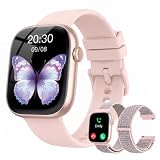
Low purchase prices make a smartwatch appealing for occasional riders. For example, two basic 1.83-inch HD touchscreen smartwatch listings priced at $35.99 include calling functions and two bands. They can be practical entry-level choices for a buyer who values general smart features as much as cycling data. However, buyers should confirm that a watch supports the workout app and phone operating system they use; “heart-rate monitor” does not always mean it can broadcast heart rate to another device.
Wrist tracking is also simpler for households. There is no wetting electrode contacts, adjusting a torso band, or remembering to remove a sensor pod for washing. A watch is ready for a walk, a ride, or a quick workout with minimal setup.
Where Chest Strap Cycling Accuracy Wins
A chest strap uses electrodes to detect the heart’s electrical activity, rather than estimating pulse through light-based changes in blood flow. Because it sits around the rib cage, it generally avoids many issues caused by wrist movement, handlebar grip, vibration, sweat, and loose skin contact.
The biggest benefit appears when heart rate changes quickly. During a 30-second sprint, repeated hill simulation, or short interval session, a wrist sensor may take several seconds to catch up. That delay can make a hard effort appear easier than it was and can distort time spent in training zones. A chest strap typically delivers a more immediate signal to a paired device.
Chest straps are also useful when your hands stay relatively still on handlebars but your wrists flex or press against the grips. Tattoos, cold skin, hair, darker skin tones, and a watch band that shifts during exercise can affect optical readings. A strap is not immune to problems: dry electrode pads, a loose fit, a depleted battery, or a worn elastic band can cause dropouts. Lightly moistening the contact areas before a ride and washing the strap as directed usually improves consistency.
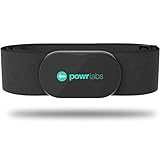
Compatibility is the main limitation. Check whether the strap uses Bluetooth, ANT+, or both, and whether your bike, tablet, training app, or watch accepts that connection. The $39.99 POWR LABS Bluetooth ANT+ chest strap is the kind of budget option that can make sense for a Peloton or Garmin-oriented setup, while the $79.99 Garmin HRM 200 M-XL represents a higher-priced branded alternative. Those prices buy a dedicated sensor, not a screen, so you still need a compatible display for live numbers.
Cost Over 5 Years
Initial prices are only part of ownership. A $35.99 smartwatch costs $35.99 before considering a replacement band or eventual battery wear. If you replace the band once at approximately $8-$20 and the watch lasts five years, the total is roughly $44-$56. A basic watch may need more frequent charging, but electricity costs are negligible—usually well under $2 over five years.
A $39.99 budget chest strap may need one replacement fabric band or sensor-compatible strap during that period, adding approximately $15-$30. Two or three coin cell batteries at about $3-$6 each bring a realistic five-year total to approximately $61-$78. A $79.99 branded chest strap with one replacement band and batteries may total about $101-$125.
Actual longevity varies. Sweat, washing habits, battery availability, software support, and whether the transmitting device remains compatible all matter. A watch may become less useful when its battery capacity declines or its software stops updating. A chest strap has fewer smart functions to age out, but its elastic band is a consumable item. In either case, avoiding unnecessary replacements is easier when you rinse sweat away and store the device dry.
Which One for Your Home
Small apartment
Choose a smartwatch when storage and setup simplicity matter. It occupies no meaningful floor space, replaces several basic tracking functions, and can stay on your wrist before and after a ride. A chest strap is also compact, but it adds a separate item that must be cleaned and stored. If your bike is in a living room and workouts are mostly steady, the watch is usually the less fussy choice.
Family with kids or pets
A smartwatch is easier to use when interruptions are common. You can see notifications, answer a call, and pause a workout without reaching for a phone. A chest strap may be the better accuracy tool for a serious cyclist, but keep the small sensor pod and coin batteries away from children and pets. For a mixed-use household, a watch for general users and one shared chest strap for structured training can be a sensible compromise.
Rental
Neither device requires installation, wiring, or changes to the home, but a smartwatch works especially well if your exercise equipment is temporary or frequently moved. It can travel with you and does not depend on a particular bike console. Select a chest strap if your rental setup includes a compatible tablet, bike, or training app and you want precise live zones without mounting additional hardware.
Long-term home
Buy the chest strap if you expect to train consistently for years and already own a compatible display. Its focused design makes the most sense for cyclists who care about repeatable heart-rate data. Choose a smartwatch if your fitness interests may expand beyond cycling or if one family member wants calls, notifications, sleep tracking, and workouts in one device. For a 2026 home gym, compatibility and replaceable accessories are more important than a long feature list.
FAQ
Is a smartwatch accurate enough for indoor cycling?
Usually, yes, for steady moderate exercise and general calorie or activity tracking. It is less dependable for rapid intervals or when the band moves. A snug fit and a brief warm-up can improve results, but a chest strap remains preferable for precise training zones.
Can a chest strap be more accurate than a smartwatch?
In many cycling situations, yes. Its electrode-based measurement generally reacts faster and is less affected by wrist motion, handlebar pressure, and optical-sensor fit. It still requires correct placement, adequate battery power, and compatibility with your receiving device.
Can I use a chest strap with a smartwatch?
Sometimes. The watch must support the strap’s connection type, such as Bluetooth or ANT+. Pairing can improve heart-rate data while allowing the watch to record the workout, but not every budget smartwatch can receive external sensor data.
Should beginners buy a chest strap?
Buy one if you plan to follow heart-rate zones, perform intervals, or use a compatible cycling app regularly. Otherwise, a smartwatch is a reasonable starting point. You can add a chest strap later when you know that faster, more consistent heart-rate readings will change how you train.