Our Top Picks
 Waykar 34 Pints 2025 Most Efficient Energy StarDrain Hose10.87 x 8.39 x 19.3 inches22.05 PoundsCheck on Amazon
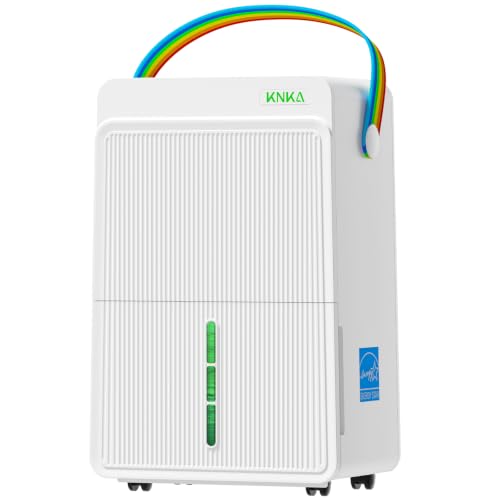 KNKA Energy Star 5000 Sq.Ft Dehumidifier for BasementMAX 74 Pints14.13 x 20.67 x 11.06 inches27.56 poundsCheck on Amazon
The best dehumidifier for a gym is a compressor unit sized to the room and set up with a drain hose, and in a typical garage or basement gym that means one of the 34-pint-class models rather than a bedroom portable. Our top pick is the KNKA 34-pint model with a drain hose, because its title combines a humidity-control mode, a drying mode for towels and a 24-hour timer at a mid-range price. If your gym is a spare room or a closet, the small tank-style units below are cheaper and quieter, though less capable.
This guide is organized by where you lift rather than by brand. A sweating body, a rubber floor and a steel rack create a moisture problem unlike any bedroom, so we start with the numbers, then sizing for three common gym setups, then a placement checklist, and only then the eight products. Nobody on the team used or measured these units; the picks come from titles, published specifications, manufacturer documentation and buyer reviews, and any figure we give for performance is an estimate.
Which unit suits which gym

ToLife Dehumidifier, 1000 Sq Ft 95 oz Tank with Sleep Mode, Auto Shutoff | Portable for Home, Bedroom, Bathroom and Basement with 7-Color LED Light, Grey


As an Amazon Associate we earn from qualifying purchases. Product prices and availability are accurate as of the date/time indicated.

Dehumidifiers for Home, 1000 Sq Ft Dehumidifier with 95oz Tank Auto Shutoff | Quiet for Bedroom, Bathroom and Basement with Sleep Mode 7-Color LED Light, Grey


As an Amazon Associate we earn from qualifying purchases. Product prices and availability are accurate as of the date/time indicated.
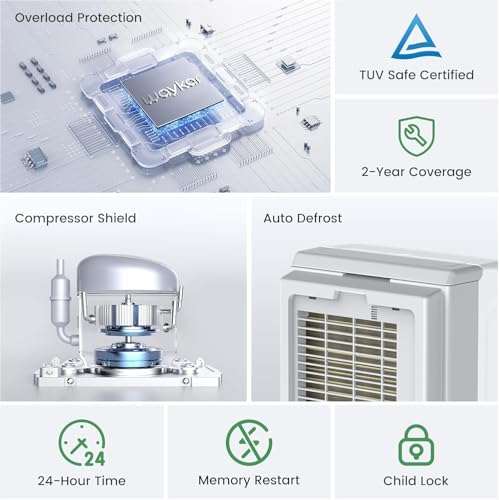
Waykar 34 Pints 2025 Most Efficient Energy Star Dehumidifier for Home & Basement, Ideal for Spaces up to 2,000 Sq. Ft. with Auto or Manual Drainage, 0.62-Gallon Water Tank



As an Amazon Associate we earn from qualifying purchases. Product prices and availability are accurate as of the date/time indicated.

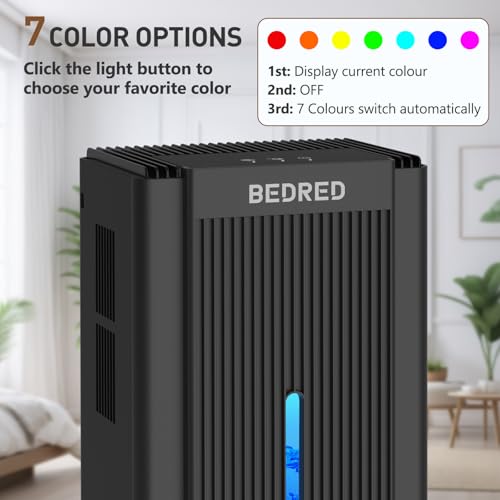
BEDRED Dehumidifier, 95Oz Dehumidifier for Home 1000 Sq.Ft | Quiet, Auto Shutoff, Sleep Mode, 7 Color Ambient Light for Bedroom, Bathroom, Basement (Black)




As an Amazon Associate we earn from qualifying purchases. Product prices and availability are accurate as of the date/time indicated.
KNKA Energy Star 5000 Sq.Ft Dehumidifier for Basement, Max 74 Pint/Day | Dehumidifier with Drain Hose, Dehumidifiers for Home, Bedroom, Bathroom, Large Room, Smart Humidity Control, Sleep Mode


As an Amazon Associate we earn from qualifying purchases. Product prices and availability are accurate as of the date/time indicated.
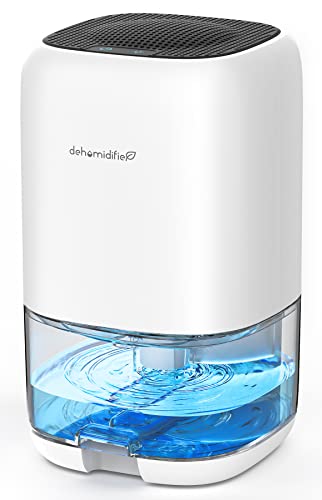
TABYIK 35 OZ Dehumidifier for Bedroom RV, Quiet with Auto Shut Off, White | 280 Sq.Ft Small Dehumidifiers for Home Bathroom Closet, 7 Color Light, 28dB Ultra Quiet, 35OZ Water Tank


As an Amazon Associate we earn from qualifying purchases. Product prices and availability are accurate as of the date/time indicated.

Waykar 80 Pints 5000 Sq. Ft 2025 Energy Star Dehumidifier for Basement | 90° Auto Swing, 30%–80% Humidity Control for home, Continuous drainage support, Whole-House Dehumidification, Auto-defrost


As an Amazon Associate we earn from qualifying purchases. Product prices and availability are accurate as of the date/time indicated.

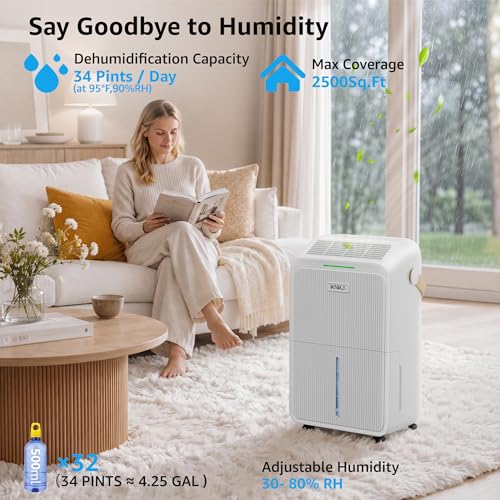
KNKA 2500 Ft² Max 34 Pints Dehumidifier for Basement with Drain Hose, White | Dehumidifiers for Home, Bedroom, Bathroom, Large Room, Three Modes, Intelligent Humidity Control, Dry Clothes, 24HR Timer




As an Amazon Associate we earn from qualifying purchases. Product prices and availability are accurate as of the date/time indicated.
| Model | Key spec (from the title) | Price tier | Best gym fit |
|---|---|---|---|
| TABYIK 35 OZ | 35 oz tank, 280 sq ft, 28dB, auto shut off | Budget | Closet or tiny room gym |
| ToLife 1000 Sq Ft | 95 oz tank, sleep mode, portable | Budget | Spare-room gym |
| NineSky 1000 Sq Ft (Grey) | 95oz tank, auto shutoff, sleep mode | Budget | Spare-room gym |
| BEDRED 95Oz | 1000 sq ft, 95 oz tank, auto shutoff | Budget | Light-use corner gym |
| KNKA 2500 Ft2, Max 34 Pints | Drain hose, three modes, humidity control, 24HR timer | Mid-range | Single garage or basement gym (top pick) |
| Waykar 34 Pints Energy Star | Up to 2,000 sq ft, auto or manual drainage, 0.62-gallon tank | Mid-range | Efficiency-minded garage gym |
| KNKA Energy Star 5000 Sq.Ft, Max 74 Pint/Day | Drain hose, smart humidity control, sleep mode | Mid-range | Large basement gym |
| Waykar 80 Pints 5000 Sq. Ft | 30%-80% humidity control, continuous drainage, auto-defrost, 90-degree auto swing | Premium | Big or multi-room gym |
What one workout does to a closed room
Gym air gets wet faster than most people expect. Sweat rates vary enormously, but a planning estimate for a moderate session is roughly 0.5 to 1 liter of sweat per person per hour. A good share of that evaporates, and the rest soaks into towels, clothes and mats. Take a 12 by 12 foot spare room with an 8-foot ceiling: that is about 1,150 cubic feet, or 32.6 cubic meters. If half a liter of sweat evaporates into it, absolute humidity rises by roughly 15 grams per cubic meter. Air at 68 degrees F can hold only about 17 grams per cubic meter before it is saturated, so in a tightly closed room the swing from comfortable to clammy takes a single hour. In practice open doors, air leakage and absorption by walls and fabrics soften the spike, but it explains why a spare-room gym can feel swampy after one session and stay that way into the next morning.
The totals are less dramatic than the spike. Three people each evaporating half a liter produce about 1.5 liters, roughly 3 pints, for the session. Five such sessions a week add up to about 16 pints weekly, or 2 to 3 pints a day averaged. That is why a small unit can look adequate on paper. The trouble is speed. A small machine that removes a pint or two per day cannot keep up with a three-pint burst, so the room stays wet for hours, and wet is when steel and rubber suffer. A garage adds the concrete slab, outdoor air and humid weather on top, which easily doubles or triples the daily load. Drinking all that water back is its own story; our look at the best insulated water bottle for the gym shows how much liquid actually passes through a training session.
Targets are simple. Keep the room between 40 and 50 percent relative humidity. Above about 60 percent for days at a time, bare steel starts to show surface rust and rubber and foam smell like a locker room even after wiping. Below 30 percent, the air is dry, static builds and wood benches can crack. Measure at lifting height with a hygrometer that is not in the dehumidifier’s exhaust stream.
Sizing for three common gym setups
| Setup | Floor area | Main moisture sources | Rough planning class (estimate) |
|---|---|---|---|
| Spare-room gym | about 120-180 sq ft | Sweat, breathing, closed door | Small tank-style unit, or a 30-pint class unit for heavy use |
| One- to two-car garage gym | about 250-500 sq ft | Sweat, slab, outdoor air, weather | 30-pint class and above, hose drainage |
| Basement gym | about 600-1,000 sq ft | Sweat, walls, slab, laundry nearby | 34 to 80 pint class, hose or pump drainage |
These classes are rules of thumb, not guarantees. The key idea is headroom. Most listings quote capacity at a warm test condition, so the pints you actually get in a cool garage can be a third lower than the headline figure. A machine rated well above the room’s size claim cycles off often, runs quieter overall and keeps the floor from becoming damp during a muggy week. Reading the wording “Max” in a title, as in “Max 34 Pints,” is a prompt to find the test point in the specification table. If you also hang a mirror wall, note that moisture on glass is a symptom of the same humidity; the comparison in the home gym mirror buying comparison is useful context for planning wall space away from the unit’s exhaust.
Placement checklist: cord, drain and clearances
- Plug in at the wall. Use a nearby outlet, GFCI-protected in a garage. If a power strip or extension cord is unavoidable, use a heavy-gauge cord rated above the amperage printed on the unit.
- Keep cords out of the training zone. Route along the baseboard, tape or cover it, and never run it under a mat or across the footprint of a rack, bench or platform. A loaded barbell and a loose cord are a poor combination.
- Drain downhill. A hose needs a lower exit, such as a floor drain, a utility sink or a condensate pump. Avoid loops, kinks and any path through the walkway.
- Give it air. Keep several inches clear on every side, per the manual, and aim the exhaust along the room rather than at a wall or at stored gear.
- Stay out of the drop zone. Place the unit on a stable surface away from dumbbell racks, plate trees and anywhere a bar could bounce.
- Close the room. Doors and the garage door shut while the unit runs; otherwise it is dehumidifying the neighborhood.
- Clean the filter often. Chalk dust and lint clog intake filters quickly in gyms; weekly is a sensible rhythm.
Compact picks for spare-room and corner gyms
These four are small tank-style portables. They are quiet, cheap to run and easy to move, but the titles give no pints-per-day figure, so treat them as light-duty tools for a room of roughly 100 to 200 square feet.
TABYIK 35 OZ Small Dehumidifier (28dB, 280 Sq.Ft)
Picture a closet-size gym: a rack in a nook, a pair of dumbbells and a mat. The TABYIK is built for that scale. Its title states a 35-ounce tank, which is about 2.2 pints, a 280 square foot coverage figure, 28dB ultra-quiet operation and auto shut off, with bedroom and RV use named. It is the smallest unit here by a distance.
Estimate: with a 35-ounce tank and a modest removal rate, expect to empty it every day or two in a sweaty room, and do not expect it to pull a 150 sq ft space from 70 percent to 50 percent within a session. It does make sense inside a closed closet or small alcove, where the air volume is a few cubic meters, or as a second unit next to a gear cabinet. A 28dB claim is attractive for a gym that shares a wall with a bedroom, but verify it on the listing. The 7-color light is not welcome in a gym where you want to read a hygrometer clearly.
Setup for a nook gym: put the unit on a shelf at roughly waist height with a few inches of clearance, close to a wall outlet so no cord crosses the floor, and keep a hygrometer on the opposite wall. Because the tank is small, empty it after each session, wipe the inside and leave the cap off to dry, which also prevents the sour smell that sweaty moisture can leave in standing water. If the hygrometer stays above 60 percent after a week, the room is too big for this model and the larger machines below are the right next step.
Pros
- Lowest price in the group
- 28dB figure in the title, if accurate, makes it unobtrusive
- Small footprint fits a gear cabinet or closet
Cons
- Only a 35 oz tank, so daily emptying is likely
- Only 280 sq ft claimed, too small for most garages
- No drain hose mentioned
Who it’s for: a closet or nook gym where a dumbbell set and a rack share the room with towels.
ToLife Dehumidifier, 1000 Sq Ft, 95 oz Tank (Grey)
ToLife is the sort of unit people buy for a “spare bedroom gym” because the title says bedroom, bathroom and basement and quotes 1000 sq ft. The 95-ounce tank is about 5.9 pints, which means it can absorb a few sessions of sweat before needing a trip to the sink, provided the unit actually runs fast enough to collect that much.
Think about what a day looks like. You lift in the evening; the room climbs to the high 60s or 70s; the unit starts working and runs through the night with the sleep mode if you sleep nearby. By morning the tank may hold a pint or two, and the room has returned to the 50s. That cycle is plausible for a small gym, with the caveat that we are estimating, not quoting a rated removal figure. A grey casing looks neutral against gym flooring. Check the listing for cord length, because a short cord pushes you toward an extension cord, which this guide argues against. Also check whether the tank can be removed without tipping the whole unit.
Cord and placement notes matter more in a gym than in a bedroom. Mount the unit on a low shelf or stool rather than the floor, where plate drops and mat edges threaten it, and plug it straight into the wall. If the cord is short, move the unit rather than reaching for an extension cord. Keep its intake clear of towels hung to dry, and place it away from the squat or bench path so nobody steps on the cable or the tank in the middle of a set.
Pros
- Budget tier with a 95 oz tank
- Sleep mode and auto shutoff named
- Portable between rooms
Cons
- No rated removal in the title; the 1000 sq ft badge is not a gym guarantee
- Manual tank emptying, no hose in the title
- LED light will not help at the squat rack
Who it’s for: a single spare room with a rack, a bench and a rubber floor that needs help overnight.
NineSky 1000 Sq Ft Dehumidifier, 95oz Tank (Grey)
The grey NineSky is nearly the same offer as ToLife: 95oz tank, auto shutoff, sleep mode, 7-color LED and a quiet pitch for bedroom, bathroom and basement. Where it differs in a gym context is ownership: if you are comparing two near-identical boxes, the one with the better return window and clearer parts support is the one that stays on the shelf rather than in the landfill when the first fan whines.
In a gym the winning move with small machines is positioning. Place it near the wettest zone, usually the cardio or lifting area where people breathe hardest, a foot or two off the wall, raised on a shelf so the exhaust does not fire straight into rubber flooring. Aim for 40 to 50 percent, and leave it running overnight after heavy sessions. Estimated wattage is a few dozen watts, which means running it 12 hours daily adds only a couple of dollars a month. The risk is cost-per-result: if the hygrometer never moves, you have bought a nightlight. The listing should be checked for rated daily removal and operating temperature range before you commit to a cold garage.
Tank logistics are the practical limit with this style of machine. In a gym with several users, sweat moisture arrives in bursts, and a tank that is nearly full when you start a workout will shut the unit off just when you need it. Make emptying the tank part of the cooldown routine, along with wiping the bench and racking the weights. If that sounds like a chore you will skip, treat it as evidence that you need a model with hose drainage, such as the KNKA or Waykar units further down.
Pros
- Same 95 oz tank format at the budget tier
- Auto shutoff prevents overflow while you sleep
- Low estimated power draw
Cons
- Pints per day unstated
- Interchangeable with several cheaper-looking rivals
- May not hold a garage in summer
Who it’s for: a spare-room lifter who wants a quiet overnight helper and is prepared to prove it works with a hygrometer.
BEDRED 95Oz Dehumidifier, 1000 Sq.Ft (Black)
BEDRED is the black option: 95 ounce tank, quiet, auto shutoff, sleep mode, 7-color ambient light. Black plastic hides rubber dust and chalk smudges better than white, a tiny point that matters in a gym, where a pale unit looks grimy within a month.
It is the model we would recommend for a corner gym where the unit will probably be bumped, splashed with an occasional water bottle and ignored. Keep it out of the splash path anyway; a dehumidifier next to the water cooler is a shock risk, and a tipped tank is a floor mess. Estimate: a few pints at most per day in a small space, so use it with a closed door and aim for less than 55 percent. If you also dry sweaty clothes in the room, the load can double, and a small unit will struggle. In that case see the larger KNKA below, whose title mentions a mode for drying clothes.
Think of this as the unit for a gym that is really a corner of a room. Suppose you have a 10 by 10 foot nook with a rack, a bench and a rower. The room holds roughly 800 cubic feet, about 23 cubic meters, and one person’s half-liter of evaporated sweat adds around 20 grams per cubic meter of moisture, as an estimate, far more than a small machine can remove quickly. The sensible strategy is to open the door or a window during the session, let the sweaty air out, then close up, run the unit and let it catch the residue. Pair it with a fan to move air across mats and towels. That combination is cheap, quiet and often enough for a light user, while a heavy daily trainer should consider the larger models.
Pros
- Budget tier
- Black finish hides chalk and dust
- Auto shutoff included
Cons
- No stated pint rating
- Probably undersized for wet laundry loads
- Limited detail in the title about the drain
Who it’s for: a small corner gym where cost and a low profile matter most.
Garage and basement gym workhorses
These four are the pieces to buy if sweat plus a concrete slab is your problem. All four titles mention drain-friendly features or large coverage numbers, and each is a compressor-class machine in how it is described, though you should confirm technology and the minimum operating temperature on the listing.
KNKA 2500 Ft2 Max 34 Pints Dehumidifier with Drain Hose
This is the pick that matches the problem. The title names a drain hose, three modes, intelligent humidity control, a drying mode for clothes and a 24-hour timer, for basement and large room use. For a garage gym, those words translate to a unit that can hold a setpoint, run through the night after a session and be told to dry a pile of towels.
The 2500 ft2 coverage claim is far above a one-car garage’s 250 to 300 square feet, which is exactly the headroom you want. Estimate: a 34-pint class compressor machine draws roughly 300 to 400 watts, so a 6-hour daily run costs only a few dollars a month at a typical electricity rate. The hose lets it run unattended, but you still need a downhill path. Check what “Max 34” refers to, since “Max” may denote an older, warmer test condition; if the real figure is 25 or so at 65 degrees F, the unit is still capable in a small gym. The towels mode is a legitimate bonus in a gym that has no laundry room.
Install notes: set the humidity target around 45 to 50 percent, enable the timer so it runs overnight, and route the hose to a floor drain or a utility sink on a steady downhill slope. In a garage, secure the hose along the wall so it cannot be snagged by a rolling cart or a loaded barbell. If the unit sits near the garage door, make sure it is not drawing in the damp air of a door left open; keeping doors closed while it runs is the cheapest efficiency upgrade available.
Pros
- Drain hose, humidity control and timer all in the title
- Clothes-drying mode helps with towels
- Mid-range price for a compressor-class unit
- Coverage claim leaves plenty of headroom
Cons
- “Max” wording leaves the test point unclear
- Likely louder than the tank portables; verify the listing’s noise figure
- Needs floor space and a drain path
Who it’s for: a garage or basement gym where one unit needs to handle sweat, concrete and a laundry pile.
Waykar 34 Pints Energy Star Dehumidifier (Up to 2,000 Sq. Ft)
The Waykar pairs the same 34-pint headline with Energy Star branding, coverage up to 2,000 square feet, auto or manual drainage and a 0.62-gallon tank. The Energy Star label is the interesting part for a gym, because a machine that runs six to ten hours a day all summer benefits from a lower cost per pint, even if the sticker price is higher.
Estimate: at an assumed 16 cents per kilowatt-hour, a 350-watt machine running eight hours a day uses about 84 kWh a month, or roughly 13 dollars. A less efficient unit in the same class could cost noticeably more, though the gap shrinks if the machine runs only after workouts. The 0.62-gallon tank, about five pints, fills fast, so the “auto drainage” in the title is crucial for a gym you want to forget about. Confirm the hose or pump connection on the listing, because gym floors rarely have a convenient drain. A useful pairing is a shelf at about knee height next to the outlet, a downhill hose and nothing else on the floor.
Efficiency claims are easiest to appreciate over a season. A gym used four evenings a week might need the unit running five to six hours daily in summer and two to three in winter, which makes the yearly energy gap between an efficient and an average machine worth maybe tens of dollars, not hundreds, as a rough estimate. That is not a reason to overpay, but it is a reason to prefer Energy Star when the price is close. Ask which standard the listing’s Energy Star claim refers to, and look for the efficiency figure in liters per kilowatt-hour.
Pros
- Energy Star branding for lower running cost
- Auto or manual drainage supports hands-off use
- Coverage up to 2,000 sq ft gives wide headroom
Cons
- Costs more than the KNKA 34 for a similar pint class
- Small tank without a hose means constant emptying
- Title does not name a timer or dry-clothes mode
Who it’s for: garage lifters who run the unit most of the year and want efficiency over extra modes.
KNKA Energy Star 5000 Sq.Ft Dehumidifier, Max 74 Pint/Day
Step up to this KNKA if your gym is a large basement or a three-car garage conversion. The title lists 5000 sq ft, a Max 74 pint per day figure, a drain hose, smart humidity control, a sleep mode and Energy Star branding. That is a big machine on paper for a room in which a person lifts, and its main virtue is that it should reach the setpoint quickly and then idle.
The question is whether a 74-pint “Max” machine is needed. If your basement is 800 to 1,000 sq ft with rubber flooring over a damp slab, probably yes; if your gym is a 12 by 12 room, definitely not, and it will short-cycle. A large machine can also feel noisy next to a bench. The sleep mode in the title suggests a quieter setting, but confirm decibels on the listing. If the gym connects to a laundry or a bathroom, a large unit solves multiple problems. Like the others, pair it with a hose to a drain and a hygrometer at lifting height. Before any big purchase, remember the steel cables and weight stacks of home gym cable machines are exactly what suffer when humidity stays high.
Noise deserves a plain look with big machines. A large fan and a bigger compressor produce more sound, and a gym is a place where you may be listening to music or a coach. Check the decibel figure on the listing, and plan to place the unit at the far end of the room from your bench or to use the sleep setting while training. A unit that is too loud gets switched off, and a switched-off dehumidifier removes nothing. If the gym shares a basement with a furnace room, a spot just outside that area keeps the noise at a distance.
Pros
- Large capacity claim for basements and long garages
- Drain hose named in the title
- Energy Star branding and smart humidity control
Cons
- “Max 74” may reflect a warm test condition
- Oversized for a small spare room
- Bigger body and likely more noise
Who it’s for: an 800 to 1,000 sq ft basement gym with a damp slab and a laundry nearby.
Waykar 80 Pints 5000 Sq. Ft Energy Star Dehumidifier
The Waykar 80 is the premium choice. Its title promises 80 pints, 5000 sq ft, a 90-degree auto swing, 30% to 80% humidity control, continuous drainage support, whole-house use and auto-defrost. For a gym, the auto-defrost and drain features are the ones that matter, since a cold garage in winter can frost up a coil and a full bucket stops the unit at the worst time.
The 30% to 80% control range lets you set a target below 50 percent, which is the zone where rust slows. The swing function spreads air through a long room instead of blowing in one stream, which can help in a gym where rack, bench and cardio area are far apart. Estimate: an 80-pint machine could draw about 500 to 700 watts when running; at 16 cents per kilowatt-hour, 8 hours a day costs roughly 19 to 27 dollars a month, so be sure the machine is not oversized to the point it cycles on and off. This is overkill for a single rack in a spare room, but sensible for a multi-station home gym that also houses a sauna or heavy cardio.
Plan the electrical side before this one arrives. A machine of this class can draw several times the power of a bedroom model, so avoid sharing a circuit with a space heater, a compressor or a treadmill, and use a grounded outlet, ideally GFCI-protected in a garage. Keep its cord short and off the floor. If the circuit trips whenever the treadmill starts, call an electrician rather than swapping to a thinner extension cord. Remember also that auto-defrost cycles can make the fan run while the compressor pauses, so the noise pattern will vary.
Pros
- Continuous drainage support and auto-defrost named in the title
- 30%-80% control range reaches gym-friendly setpoints
- Large coverage suits long or multi-room gyms
Cons
- Highest price in this guide
- Probably oversized and noisy for small rooms
- Higher estimated power draw than the 34-pint class
Who it’s for: big basement or multi-room gyms where one machine should do the work of two.
Rust, rubber and odor: what the number buys you
Rust needs bare iron, oxygen and moisture. Powder coat, chrome and sleeves protect most gear, but knurling, sleeve ends, hardware and cables are exposed. A room held near 45 percent slows surface rust to a crawl, while one that cycles between 40 and 85 percent with every session invites it. Rubber flooring and foam mats do not rust, but they trap sweat and bacteria; high humidity keeps them from drying, and that produces the sour smell. The dehumidifier does not remove odor chemically. It removes the damp that lets the odor grow. If you are pricing a plate-loaded machine, the steel guide at how to choose premium plate-loaded home gym machines shows why finish and hardware quality are worth caring about.
How we picked these
This comparison was put together by the Editorial team from published specifications, manufacturer documentation and buyer reviews. Nobody on the team used or measured these units, and we do not claim to have watched any of them run in a gym.
We sorted by the facts each title actually states: tank size, rated pints, coverage, drain features and extras. We then asked a gym-specific question for each. Can it drain without being emptied? Can it hold a setpoint near 45 percent? Does the title suggest it will handle a cool garage? Anything beyond the title, such as wattage, decibels and operating range, is flagged as an estimate or a “check the listing” item. We dropped no model for being unknown, but we gave less weight to unrated 1000 sq ft badges than to stated pint figures.
Gym-specific mistakes to avoid
- Trusting the sq-ft badge in a sweaty room. Coverage claims assume a quiet living space, not three people breathing hard for an hour.
- Buying a tank-only unit for a garage. A garage gym needs hose drainage; emptying a bucket every day is how a machine ends up unplugged.
- Running a cord under the mat. It overheats, wears and can be damaged by a dropped plate.
- Aiming the exhaust at gear. Warm dry air blowing across a bar is fine, but wet air from a blocked intake is not; keep clearances.
- Skipping the hygrometer. Without a reading you are guessing, and the setpoint on a machine is not the room’s actual humidity.
- Ignoring the winter. Many compressor units struggle in cold rooms; check the listing’s minimum operating temperature or look for auto-defrost.
Verdict
For most garage and basement gyms, the KNKA 34-pint model with a drain hose is the best all-round pick, thanks to its hose, timer and towel-drying mode. Buy the Waykar 34-pint Energy Star if you will run it most of the year and care about efficiency, and the Waykar 80-pint if your gym is large, cold or doubles as a laundry zone. For a closet or spare-room gym on a tight budget, ToLife is the sensible low-cost start, with TABYIK for tiny nooks. Whatever you choose, set the target at 40 to 50 percent, keep the cord off the floor and the exhaust clear, and let a hygrometer judge the result.
Frequently asked questions
What humidity level should a home gym stay at?
Aim for roughly 40 to 50 percent relative humidity. Above about 60 percent for extended periods, steel starts to show surface rust and rubber mats and towels develop musty odors; below 30 percent the air feels dry and static builds. A cheap hygrometer placed at lifting height, away from the dehumidifier outlet, tells you whether the unit is keeping up during and after workouts.
Can a dehumidifier stop rust on barbells and plates?
It helps a lot but does not replace care. Rust forms when bare steel meets moisture, and keeping the room under about 50 percent slows that sharply. You still need to wipe off sweat and chalk, oil exposed steel occasionally and keep bars off bare concrete walls. Think of the dehumidifier as removing the condition that rust needs, not as a cure for equipment that is already pitted.
What size dehumidifier does a garage gym need?
A one- or two-car garage gym of roughly 250 to 500 square feet usually calls for a compressor unit in the 30-pint class or larger, because concrete and outdoor air add moisture on top of sweat. As an estimate, a unit rated well above the room’s size claim handles muggy weeks without running nonstop. Small portable tank models are better suited to a closet-size or spare-room gym.
Should I run a dehumidifier during workouts or afterward?
Both, ideally. Running it before you start lowers the baseline, and leaving it on during and for a few hours after a session removes the sweat moisture while it is still airborne, before it soaks into mats and walls. Keep doors closed while it runs. A built-in humidistat or timer lets it cycle automatically so you do not have to remember.
Is it safe to run a dehumidifier cord across the gym floor?
Avoid it. Plug the unit directly into a nearby wall outlet, using a GFCI-protected outlet in a garage, and route any cord along the wall or baseboard, never under mats or through the barbell and rack footprint. If an extension cord is unavoidable, choose a heavy-gauge one rated for the unit’s amperage on its label, and protect it with a cord cover so nobody trips carrying plates.