Key takeaways
- When you compare optical vs electrical heart rate monitoring for the home, the real decision is not simply which technology is “more accurate.” It is whether you want a convenient wellness reading during everyday activity or a closer look at…
What's inside
When you compare optical vs electrical heart rate monitoring for the home, the real decision is not simply which technology is “more accurate.” It is whether you want a convenient wellness reading during everyday activity or a closer look at the heart’s electrical signals over time. Optical monitors use light to estimate pulse from blood-volume changes in the skin. Electrical monitors detect the heart’s electrical activity through skin-contact electrodes.
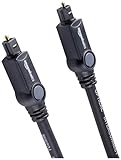
That distinction affects comfort, setup, workout performance, data detail, maintenance, and long-term cost. It also prevents a common shopping mistake: “optical” can refer to entirely different products. For example, a KabelDirekt Optical Audio TOSLINK Cable costs $8.99, while the Amazon Basics Toslink Digital Optical Audio Fiber Optic Cable costs $6.47. Both carry digital sound, not heart-rate data. In this guide, optical means photoplethysmography (PPG), the light-based sensing used in many watches and wellness trackers.
As an Amazon Associate we earn from qualifying purchases at no extra cost to you. Product prices and availability are accurate as of the date shown and are subject to change.


Quick Verdict
Choose optical monitoring if you want an unobtrusive, low-maintenance way to check resting heart rate, track general activity, or follow exercise trends. A watch or ring can be worn for hours with little preparation, and the sensor is usually easy to share among household members.
Choose electrical monitoring if you need richer heart-signal information, more dependable readings during motion, or a chest-worn device for continuous tracking. Electrical systems, often called ECG or EKG monitors, can capture the timing and shape of the heart’s electrical waveform rather than estimating pulse indirectly.
For most homes, optical monitoring is the easier default. Electrical monitoring is the better specialist choice when data quality during workouts, rhythm observation, or a clinician-directed plan matters more than convenience. Neither type should be used to diagnose a condition on its own or replace medical advice.
Side by Side
| Factor | Optical monitoring | Electrical monitoring |
|---|---|---|
| How it works | LED light and a photodetector estimate blood-flow changes in the skin. | Electrodes sense the heart’s electrical activity through skin contact. |
| Comfort | Usually a watch, ring, or small band; comfortable for all-day wear. | Chest straps and patches can feel more noticeable, especially overnight. |
| Durability | Commonly handles daily wear; water resistance varies by device. | Electrodes, adhesives, and straps may wear out before the electronics. |
| Price range | About $30-$500 for consumer watches, bands, and rings. | About $80-$400 for consumer chest straps, patches, and monitors, plus possible subscriptions. |
| Maintenance | Clean the sensor and charge every few days to roughly two weeks, depending on the device. | Clean contacts, replace batteries or charge, and replace electrodes or adhesive patches as needed. |
| Space needed | Typically 1-2 inches of wrist or finger space; the charger needs a small tabletop area. | A chest strap is commonly about 1-2 inches wide; a patch is often roughly 2-4 inches across. |
| Look | Can resemble a watch or discreet ring and blend into a room and wardrobe. | Usually hidden under clothing, but straps and patches are more visibly medical or athletic. |
| Resale | Fitness watches and rings generally have a broader secondhand audience. | Resale can be limited by hygiene concerns, worn adhesives, and proprietary accessories. |
| Best for | General wellness, sleep trends, walking, household use, and casual workouts. | Continuous tracking, demanding exercise, and users who need electrical heart-signal data. |
Where Optical Wins
Optical monitoring wins on convenience. A wrist device can begin collecting data as soon as it is worn, with no electrode placement, conductive gel, or adhesive replacement. That makes it a natural fit for a bedroom, home office, or living room where the goal is to understand everyday patterns rather than conduct a formal test.
It is also the most practical choice for shared household routines. A watch or finger-based device can be cleaned and handed to another person without replacing a single-use contact surface. Many optical devices also combine heart-rate data with steps, sleep estimates, calories, and workout timers, so one product can replace several basic wellness tools.
Optical sensors are generally less intrusive during sleep. A slim watch may weigh around 1-2 ounces, while a ring can weigh only a few grams. Battery life ranges from roughly one day for feature-heavy smartwatches to a week or more for simpler trackers. That reduces the need to dedicate a counter, outlet, or charging routine to monitoring equipment.
There are limitations. Optical readings can be affected by loose fit, dark or heavily tattooed skin at the sensor site, cold fingers, sweat, movement, and poor circulation. A watch may also lag during rapid changes in intensity. For the most consistent results, wear it snugly without tightening it enough to leave a deep mark, and keep the sensor clean.
Where Electrical Heart Rate Monitoring Wins
Electrical monitoring measures the signal produced as the heart’s chambers depolarize and recover. That gives it a more direct connection to cardiac timing than a pulse estimate from the skin. A chest strap is often preferred for exercise because it stays close to the heart and is less affected by arm movement than a wrist sensor.
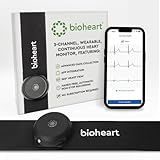
Electrical systems can be especially useful when the user wants continuous data while moving, or when a clinician has recommended a particular monitoring approach. A chest-worn monitor such as the Biotricity Bioheart is listed at $224.99 for the small version and includes one month of subscription service. A patch-style product, such as the Ultra-Thin Wearable Wellness Patch, is listed at $199 and tracks heart rate, respiratory rate, and skin temperature while worn.
Those products illustrate an important buying issue: the hardware price may not be the full cost. Some electrical monitors use subscriptions for cloud storage, reports, cellular connectivity, or long-term history. Others require replacement adhesive patches or proprietary straps. Check whether the device provides a live reading without a membership, how data is exported, and what happens when the included service period ends.
Electrical monitoring is not automatically diagnostic. A consumer chest strap may provide a single-lead reading or heart-rate data rather than the multi-lead ECG used in clinical settings. If you experience chest pain, fainting, severe shortness of breath, or sustained palpitations, seek medical care rather than relying on a home monitor.
Cost Over 5 Years
Optical monitoring has a wide upfront range. A basic fitness band may cost $30-$100, a smartwatch about $150-$500, and a smart ring about $200-$400. Over five years, a $200 device that lasts the full period costs about $40 per year, before replacing a charger or battery. If the battery is not serviceable and the device is replaced after three years, two $200 purchases would bring the five-year hardware total to approximately $400.
Electrical monitoring can look inexpensive at first but become costlier with consumables. A $100-$250 chest monitor may need a replacement strap costing roughly $20-$70 every 12-24 months. Adhesive patches may cost about $10-$40 per replacement, depending on the system and wear period. A $10 monthly subscription adds $600 over five years; a $20 monthly plan adds $1,200. Before buying, calculate hardware, replacement contacts, charging accessories, and service fees together.
As an illustrative comparison, a $200 optical device replaced once in five years could total about $400. A $225 electrical monitor, a $40 replacement strap every 18 months, and a $10 monthly plan could exceed $900 over the same period. Your actual total will depend on battery life, subscription requirements, and how frequently the device is worn.
Which One for Your Home
Small apartment
Optical monitoring is usually the better fit. A watch or ring needs virtually no dedicated storage, and its charger can share a nightstand outlet. Choose a model with at least five days of battery life if outlets are limited. Electrical monitoring makes sense only if you specifically need chest-based tracking; reserve a small drawer or wall hook for the strap and cleaning supplies.
Family with kids and pets
Optical monitoring is easier to share and less likely to be damaged by quick changes in activity. A waterproof or water-resistant watch can handle ordinary handwashing and workouts, but verify the manufacturer’s rating before using it in a pool. Keep chargers and small electrical sensors out of reach of children and pets. For sports training, an adjustable chest strap may offer better readings than a wrist device, but each user should have a correctly fitted strap.
Rental
Either technology works because neither requires installation. Optical is the least disruptive: it adds no cables, wall mounts, or permanent equipment. If you choose electrical monitoring, select a rechargeable model rather than one that depends on a dedicated base station. Renters should also favor devices that store data locally or export it easily, so moving between homes or changing internet service does not interrupt access.
Long-term home
Consider buying optical for everyday wellness and adding electrical monitoring only if there is a clear reason. A permanent home makes it easier to create a charging station, but longevity still matters more than décor. Look for replaceable bands, standard charging connections, washable straps, and a data policy that does not lock five years of history behind an expensive subscription.
FAQ
Is optical or electrical heart rate monitoring more accurate?
Neither is best in every situation. Electrical monitoring is generally more direct for cardiac timing and often performs better during vigorous movement. Optical monitoring can be highly useful for resting and steady-state activity but is more sensitive to fit, motion, temperature, and skin contact.
Can optical monitoring detect an irregular heartbeat?
Some optical devices can flag unusual pulse patterns, but a notification is not a diagnosis. The device may be unable to distinguish an artifact from a genuine rhythm change. If you receive repeated alerts or have symptoms, discuss them with a qualified healthcare professional.
Do electrical monitors need a prescription?
Some consumer chest straps and wellness patches are sold without a prescription, while clinical-grade devices may require professional involvement. “No prescription needed” describes how a product is sold, not whether its results are medical-grade or suitable for diagnosis.
Can I use both types at home?
Yes. Optical monitoring can provide comfortable daily trends, while electrical monitoring can be reserved for workouts or periods when more direct heart-signal data is useful. Compare readings only when the devices are worn correctly and understand that different sampling methods may not display identical numbers.