Key takeaways
- Pro: ANT+ and Bluetooth support suit a wide range of cycling devices.
- Pro: The M-XL size and midrange price make it an easy default recommendation.
- Con: It does not offer the premium positioning of Garmin’s HRM 600.
Cycling exposes a heart-rate monitor to a uniquely demanding mix of movement, sweat, changing layers, and handlebar-mounted technology. A sensor that works well for an indoor bike may not be the best choice for long outdoor rides, where stable chest contact, wireless compatibility, and water resistance matter more than a low shelf price. The right monitor should also pair cleanly with your bike computer, phone, smartwatch, or training app.
For this guide to the best heart rate monitors for cycling, we ranked eight chest-strap options by stated connectivity, water resistance, battery information, sizing, compatibility, and price. The lineup includes inexpensive ANT+ and Bluetooth models, two Garmin HRM 200 sizes, Garmin’s premium HRM 600, and the established Polar H10. Here are the strongest choices for different kinds of riders in 2026.
As an Amazon Associate we earn from qualifying purchases at no extra cost to you. Product prices and availability are accurate as of the date shown and are subject to change.



Quick Picks
| Product | Best for | Price |
|---|---|---|
| Garmin HRM 200, M-XL | Most riders | $79.99 |
| POWR LABS Bluetooth ANT+ Chest Strap | Garmin and Peloton users on a budget | $39.99 |
| COOSPO H808S | Affordable all-around cycling | $32.99 |
| COOSPO H6 | Lowest-cost compatible option | $25.49 |
| GEOID HS500 | Long battery life | $22.99 |
| Garmin HRM 200, XS-S | Smaller riders | $74.95 |
| Garmin HRM 600, M-XL | Premium Garmin setups | $159.95 |
| Polar H10, M-XXL | Broad device compatibility | $104.79 |
How We Picked
We focused on the information that matters most during a ride: ANT+ and Bluetooth connectivity, fit range, water resistance, stated battery life, and compatibility with cycling equipment or apps. Because the products do not all publish the same specifications, we did not assign made-up accuracy scores or claim laboratory results. Instead, the rankings reflect the balance of useful features, practical compatibility, and price for the intended rider. Each mini-review identifies two advantages, one drawback, and a situation in which another model may be the better choice.
The 8 Best Picks
1. Garmin HRM 200 Heart Rate Monitor, M-XL
The Garmin HRM 200 M-XL is the best general-purpose choice in this group for cyclists who want a familiar brand and straightforward chest-strap monitoring. Its $79.99 price sits below the premium Garmin HRM 600 and Polar H10 while preserving the basic ANT+ and Bluetooth approach most riders need for computers, phones, and training apps. The M-XL sizing is aimed at riders who need a standard-to-larger fit. It is a sensible starting point for structured indoor sessions or outdoor rides where dependable wireless pairing matters.
- Pro: ANT+ and Bluetooth support suit a wide range of cycling devices.
- Pro: The M-XL size and midrange price make it an easy default recommendation.
- Con: It does not offer the premium positioning of Garmin’s HRM 600.
When to skip it: Choose the XS-S version for a smaller fit, or consider the HRM 600 if you specifically want Garmin’s higher-end option.
2. POWR LABS Bluetooth ANT+ Heart Rate Monitor Chest Strap
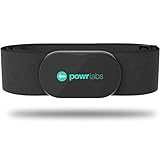
At $39.99, the POWR LABS chest strap is a practical budget pick for riders using Garmin equipment or Peloton. Its product description specifically calls out both Bluetooth and ANT+ connectivity, making it more flexible than a monitor restricted to one wireless standard. That combination can help a household switch between indoor training and outdoor cycling devices without immediately moving to a premium-priced sensor. It is also inexpensive enough to suit a first-time buyer who wants chest-based monitoring rather than relying on wrist readings.
- Pro: Bluetooth and ANT+ connectivity cover common cycling setups.
- Pro: The $39.99 price keeps the upgrade cost relatively low.
- Con: The listed information does not specify IP67 water resistance or battery life.
When to skip it: Pick a COOSPO or GEOID model if published water resistance or battery information is more important to your decision.
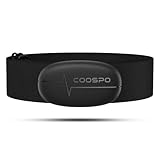
3. COOSPO H808S Bluetooth Heart Rate Monitor Chest Strap
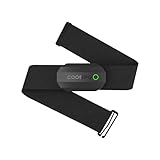
The COOSPO H808S offers a strong feature-to-price balance at $32.99. It supports Bluetooth and ANT+, is rated IP67 waterproof, and is described for running, cycling, gym use, and other sports. For a cyclist, that broad positioning makes it useful beyond the bike, while the two wireless protocols improve its chances of fitting into an existing training setup. The H808S is especially appealing when you want published water resistance without paying Garmin or Polar pricing.
- Pro: IP67 waterproof construction is well suited to sweaty training and wet conditions.
- Pro: Bluetooth and ANT+ support provide flexible pairing options.
- Con: The listing does not provide a stated battery-life figure.
When to skip it: Choose the GEOID HS500 if a published 800-hour battery claim is your top priority.
4. COOSPO H6 Heart Rate Monitor Chest Strap
The COOSPO H6 is the value leader for riders who want a recognizable set of cycling-compatible connection options at the lowest price in the lineup. At $25.49, it supports Bluetooth 4.0 and ANT+ and is listed as IP67, making it a natural fit for indoor bikes, bike computers, and sports-watch setups. Its compatibility list includes Peloton, Polar, DDP Yoga, Map My Ride, and Garmin, although cyclists should still confirm that their specific device supports the required protocol.
- Pro: Bluetooth 4.0 and ANT+ support cover many common training devices.
- Pro: IP67 protection adds reassurance for sweat-heavy rides.
- Con: Bluetooth 4.0 is an older stated standard than newer Bluetooth implementations.
When to skip it: Spend more on the H808S or Garmin HRM 200 if you prefer a newer-feeling, more mainstream choice.
5. GEOID HS500 Heart Rate Monitor
The GEOID HS500 is the budget endurance pick because its listing states an 800-hour battery life. It also supports both ANT+ and Bluetooth, carries an IP67 waterproof rating, and works with iOS and Android apps. At $22.99, it costs less than every other monitor here, yet its published feature set addresses the essentials for cycling: wireless connectivity, sweat and water resistance, and reduced battery-maintenance demands. It is a compelling option for riders who care more about practical specifications than brand familiarity.
- Pro: The stated 800-hour battery life is exceptional on paper for long-term convenience.
- Pro: ANT+, Bluetooth, and IP67 protection give it broad practical appeal.
- Con: GEOID may be less familiar to shoppers who prefer established cycling brands.
When to skip it: Choose Garmin or Polar if brand ecosystem and established product support matter more than price.
6. Garmin HRM 200 Heart Rate Monitor, XS-S
The Garmin HRM 200 XS-S provides the same basic model identity as the M-XL version but targets riders who need a smaller strap size. At $74.95, it is slightly less expensive than the M-XL listing, making it an appealing fit-first choice for smaller-framed cyclists. Its place in the lineup is less about adding extra features and more about avoiding an overly loose or uncomfortable chest strap. A secure fit is essential because movement and poor contact can undermine the usefulness of any monitor.
- Pro: XS-S sizing gives smaller riders a dedicated fit option.
- Pro: The Garmin name and HRM 200 platform make it a straightforward ecosystem choice.
- Con: It costs more than several Bluetooth-and-ANT+ alternatives.
When to skip it: Select the M-XL version if the XS-S range will not fit comfortably, or choose COOSPO for a lower-cost option.
7. Garmin HRM 600, Premium Heart Rate Monitor, M-XL
The Garmin HRM 600 is the premium selection at $159.95. Its M-XL size is intended for riders who want a larger Garmin chest strap and are willing to pay substantially more than the HRM 200. The premium designation makes it the natural choice for shoppers building a higher-end Garmin training setup, but the price demands a clear reason to move beyond a basic monitor. For many cyclists, the HRM 200 or Polar H10 may cover the essential wireless-monitoring job for less.
- Pro: It is Garmin’s premium heart-rate-monitor option in this comparison.
- Pro: The M-XL size suits riders who need more room than a smaller strap.
- Con: At $159.95, it is the most expensive product listed.
When to skip it: Choose it only if the premium Garmin positioning justifies the extra cost for your setup; otherwise, start with the HRM 200.
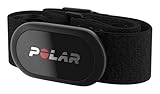
8. Polar H10 Heart Rate Monitor, M-XXL
The Polar H10 remains a strong option for riders who want a broad M-XXL fit and dual-protocol connectivity. Its listing specifies ANT+ and Bluetooth, while the product name also identifies it as waterproof. At $104.79, it costs more than the Garmin HRM 200 and the budget models, but it occupies a sensible middle ground below the HRM 600. The M-XXL sizing is useful for riders who need a broader range than the Garmin XS-S or M-XL choices provide.
- Pro: ANT+ and Bluetooth support provide flexible device pairing.
- Pro: The M-XXL fit and waterproof design suit a wide range of riders.
- Con: It is relatively expensive compared with the COOSPO and GEOID alternatives.
When to skip it: Choose a Garmin model if you want to stay within the Garmin ecosystem, or GEOID if minimizing cost is the priority.
Buying Guide
Choose ANT+ and Bluetooth when possible
ANT+ is common in cycling computers and sports equipment, while Bluetooth is useful for phones, tablets, indoor bikes, and many apps. A dual-protocol monitor gives you more freedom to change devices later. Every model in this roundup is presented with at least one of these connection standards, but the COOSPO, Garmin, GEOID, POWR LABS, and Polar options specifically list both in their descriptions.
Match the strap size to your body
A chest strap should sit securely without feeling restrictive. The Garmin HRM 200 is available in XS-S and M-XL, while the Polar H10 listing uses M-XXL sizing. The other products do not present a comparable size range in the supplied information. If you are between sizes, prioritize a model with a clearly stated range and check the seller’s measurement guidance before ordering.
Think about sweat, rain, and maintenance
IP67 appears on the COOSPO H808S, COOSPO H6, and GEOID HS500 listings. The Polar H10 is identified as waterproof, while the POWR LABS listing does not state a water-resistance rating. Battery information also varies: the GEOID HS500 specifically states 800 hours, while several others do not provide a figure in the supplied details. Do not assume that similarly priced straps have identical cleaning or battery requirements.
Our Verdict
The Garmin HRM 200 M-XL is the best overall choice for most cyclists because it balances brand familiarity, practical connectivity, and a moderate $79.99 price. Smaller riders should choose the XS-S version. For value, the COOSPO H808S adds IP67 protection and dual connectivity at $32.99, while the GEOID HS500 is the standout budget pick for its stated 800-hour battery life. The Garmin HRM 600 is reserved for premium Garmin buyers, and the Polar H10 is the best alternative for riders who need M-XXL sizing.
FAQ
What is the best heart rate monitor for cycling?
The Garmin HRM 200 M-XL is the best all-around pick in this comparison. It offers a middle-ground price and is positioned as the straightforward choice for riders who want a Garmin chest strap. Smaller cyclists should consider the XS-S version instead.
Are chest-strap heart rate monitors better for cycling?
A chest strap is designed specifically to measure heart rate from the chest and is often preferred for exercise tracking. The biggest practical advantage is a secure body position during cycling, but fit and compatibility still matter. Always confirm that the monitor can pair with your bike computer or training app.
Do cycling heart rate monitors use Bluetooth or ANT+?
Many use both. ANT+ is useful with cycling computers and sports devices, while Bluetooth is commonly used with phones, tablets, and indoor-training equipment. Dual-protocol models such as the COOSPO H808S, COOSPO H6, GEOID HS500, Garmin HRM 200, and Polar H10 offer the most flexibility.
What is the cheapest heart rate monitor in this roundup?
The GEOID HS500 is the least expensive at $22.99, followed by the COOSPO H6 at $25.49. The GEOID also lists ANT+, Bluetooth, IP67 waterproofing, and an 800-hour battery life, giving it an unusually strong specification list for a budget monitor.