Key takeaways
- Black Friday and Cyber Monday gym equipment deals: how to judge a real discount, what to check by machine type, a budget example and mistakes to avoid.
Sale weekends bring a flood of home-gym listings, and the discounts look dramatic because gym equipment starts from high list prices. The trick is separating a good price on the right machine from a good-looking price on something you will not use. This playbook covers the process: set a budget and space limit first, learn what normal pricing looks like, apply a short checklist per equipment type, and know when to walk away.
It does not list specific deals, because prices change by the hour and we do not want to guess at them. Instead it gives you a method that works on any listing, from a treadmill to a pair of adjustable dumbbells.
Decide what you will actually use before the sales start
The most expensive purchase is the one that becomes a coat rack. Before you open a single listing, write down the three workouts you do most often and the number of days a week you do them. A person who walks and runs three times a week has different needs from someone who lifts four days a week, and both differ from someone who wants a flexible home setup for short sessions.
Then measure the room. Record floor area, ceiling height, door and stairwell widths, and the location of the nearest outlet. Folding or compact designs can solve a space problem, but they trade off stability and sometimes maximum user weight. Treat the specifications as seller claims and compare against the manufacturer’s documentation.
Finally, set a ceiling price that includes shipping, assembly help, flooring and accessories. A deal that keeps the machine price low but adds a large freight fee is not a deal.
Know the calendar, but do not be ruled by it
Black Friday is the day after US Thanksgiving, which falls on the fourth Thursday in November. Cyber Monday is the following Monday. In practice, retailers often start offers earlier and keep some of them live for the rest of the week or longer, so a “one day only” label is not always literal.
That means you can use the weeks before the event to build a watch list. Save the model numbers you like, note the usual price and set a target. If a retailer’s offer matches your target, you can buy with confidence; if not, you lose nothing by waiting. The same approach works for any big-ticket item.
Decision table by equipment type
| Type | Check on the listing | Common trap |
|---|---|---|
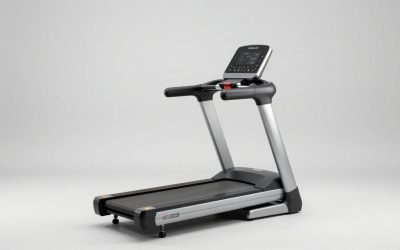
| Treadmill or bike | Motor or resistance type, maximum user weight, footprint, warranty on frame and parts | Peak horsepower figures that do not reflect continuous use |
| Rower or elliptical | Stride or stroke length, monitor features, storage position | Subscriptions needed to unlock screen features |
| Rack, bench and barbell | Steel gauge, hole spacing, load rating, bar specification | Mixing load ratings of the rack with those of the accessories |
| Adjustable dumbbells | Weight range, increments, locking mechanism | Large jumps between increments |
| Bands, mats, small accessories | Material, length and resistance labels | Unclear resistance ratings across brands |
| Flooring | Thickness, density, interlocking design, odor | Skipping it under heavy or vibrating equipment |
How to tell whether a discount is real
A percentage off tells you almost nothing. A 40 percent discount from an inflated list price can still be more expensive than a normal price elsewhere. The more reliable check is to compare the sale price with the price in the previous few weeks, ideally from a price-history tool or your own saved notes.
Match the model number exactly. Some retailers sell variants made for sales events, with a slightly different part number, fewer features or lighter components, and the headline may look identical. If a listing has an unfamiliar model number, search the manufacturer’s site and compare the specification sheet line by line.
Next, check what is included. A treadmill that omits a mat, or a bench that omits the safety catches, is not equal to the full package, even if the title seems the same. Count the extras that you would need to buy anyway.
Finally, check the seller. Buying from the manufacturer or an established retailer usually makes warranty and returns simpler than buying from an unknown marketplace seller, particularly for oversized freight.
Delivery, assembly and returns for heavy items
Large equipment can ship by freight carrier, sometimes to the curb only. Find out who carries the box inside, how many people you need and whether the delivery window is a full day. Measure doors, hallways and stairs, because a box that arrives but cannot reach the room is a returns problem.
Read the return policy before the sale, not after. Restocking fees and return shipping costs on freight can exceed a few hundred dollars. Some retailers extend holiday return windows into January, but conditions vary, so confirm on the listing.
Plan assembly time. Many machines take a couple of hours with two people. Follow the manufacturer’s assembly instructions, tighten fasteners in the sequence listed, and re-check bolts after the first week of use. Do not exceed stated weight limits, and do not use damaged parts.
Safety checks that matter more than price
Fitness equipment injuries are often caused by setup mistakes, not by the equipment itself. Anchor or stabilize items as the manual directs, keep clear space around moving machines, and make sure barbells are used with the correct clips and safety catches or spotter arms. Check that cords are not routed where they can be tripped over, and use a properly rated outlet.
If you have a heart condition, joint problems or other health concerns, talk to a qualified professional before starting a new routine. This article is general buying information and not medical advice.
Inspect everything on arrival. Look for shipping damage on the frame, welds, cables and the electronics. Photograph problems before you assemble anything and contact the seller promptly.
Protect the floor and the equipment
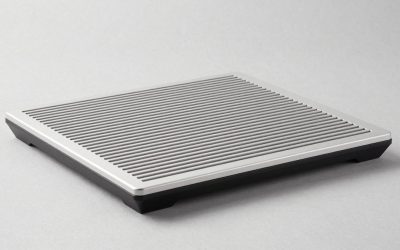
Heavy racks, treadmills and dumbbells can damage hardwood, tile and even concrete over time, and vibration can travel through the structure. Flooring helps with both noise and surface protection. If you are choosing mats, compare thicknesses and densities for your heaviest piece; our buying guides to gym flooring tiles for shock absorption and flooring for heavy equipment protection go through what to look for.
Keep a simple maintenance routine: wipe down padded surfaces, lubricate machine parts as the manual advises, inspect cables and belts, and re-tighten fasteners on a schedule. Equipment in a damp garage needs extra attention to rust and electronics.
Worked example: a $1,500 home-gym budget
Assumptions: a single room of about 10 by 12 feet, one user, a goal of strength training three days a week plus light cardio. These are illustrative numbers, not current prices.
| Item | Share of budget | Why |
|---|---|---|
| Rack or stand, bench and bar | About 45 percent | Core of a strength setup; safety features matter most here |
| Weights or adjustable dumbbells | About 25 percent | Scales with progress; check increments |
| Flooring | About 10 percent | Protects the surface under heavy loads |
| Cardio option such as a jump rope or compact bike | About 10 percent | Cheap options keep the budget for the main kit |
| Reserve for shipping, tools, accessories | About 10 percent | Prevents the final price from overshooting |
With this split, a sale only needs to help where you were already buying. If a deal appears on something outside the plan, ask whether you would have bought it at the normal price; if not, skip it.
Mistakes buyers make on sale weekends
- Buying the biggest discount instead of the right machine for the room.
- Ignoring ongoing costs such as subscriptions for screens or app features.
- Skipping the weight-limit check, particularly for rack accessories and benches.
- Forgetting freight fees, assembly time and flooring.
- Assuming that the same model name means the same specification across retailers.
- Leaving purchases until the final hour, when stock-outs are most likely, and settling for a compromise.
Used, open-box and marketplace listings
Sale weekends also bring open-box and refurbished gym equipment. For simple items such as dumbbells and benches, that can be a fair saving if you can inspect the condition. For machines with motors, belts or electronics, check the warranty status, what was repaired and whether the seller is the manufacturer or an independent party.
Ask for close photos of welds, upholstery, cables and the console. A seller who cannot supply these, or who will not state the return terms, is a reason to move on.
Noise, space and neighbors
Treadmills, rowers and dropped weights create noise and vibration that travel through floors. If you live in an apartment or share walls, favor quieter designs, add flooring and plan workouts for suitable hours. Leave enough clearance around the machine for safe mounting and dismounting and check the ceiling height for overhead movements or a folding frame.
Think about storage too. Folding equipment, wall-mounted racks and stackable plates keep a small room usable. Weigh that convenience against stability and the number of moving parts that may loosen over time.
Related guides
Frequently asked questions
When do Black Friday and Cyber Monday gym equipment deals usually start?
Black Friday falls on the day after US Thanksgiving and Cyber Monday on the following Monday, but many retailers open sales earlier in November and keep offers going for days after. Start tracking prices a few weeks ahead so you know the normal price, and treat any “early access” label as a prompt to compare, not a reason to rush.
Are the deepest discounts on cardio machines or on weights?
There is no reliable rule, and it varies by retailer and year. Large items such as treadmills and racks can show big headline cuts because their list prices are high, while accessories often get percentage coupons. Judge each deal by the actual price compared with its recent history, not by the size of the percentage.
Is it safe to buy a heavy machine online during a sale?
It can be, if you plan for delivery and assembly. Check the shipping weight, whether delivery is to the curb or the room, and the return terms for oversized freight. Follow the manufacturer’s assembly and weight-limit instructions, and ask a second person to help with heavy parts. Keep the packaging until you are sure you are keeping it.
How do I tell whether a discount is real?
Compare the sale price with the price in the weeks before the event, using a price-history tracker or saved screenshots. Match the exact model number, since some retailers sell event-specific variants. Be cautious of “was” prices that never seem to be charged. A fair deal is one you would have been happy to pay at a random time in the past quarter.
Should I buy flooring at the same time?
Often yes, because heavy equipment needs protection and shock absorption, and bundling avoids a second shipping fee. Measure the footprint first and leave room around each machine for safe use and access. Check thickness, material and weight rating for the heaviest item on it, and read the manufacturer’s instructions for any required underlay or adhesive.