Key takeaways
- No stated connection protocol: Avoid a listing that does not clearly say Bluetooth, ANT+, or compatible devices.
- Unclear sizing: A generic “one size fits all” claim without a torso measurement can lead to poor contact.
- Waterproof without a rating: Look for an IP rating or explicit swimming specification.
- Permanent strap and sensor: If the strap cannot be replaced, the entire monitor may become disposable when the elastic wears out.
- Unusually low price with no support information: Savings are less meaningful if there is no warranty, app support, or replacement battery guidance.
- Medical claims: Fitness monitors should not promise diagnosis, treatment, or emergency detection unless they have appropriate medical authorization.
What's inside
A chest heart rate monitor can be more accurate and more responsive than a wrist-based tracker, but only if you choose the right fit, connection type, and maintenance routine. Many shoppers make the same mistakes: buying the cheapest sensor without checking phone compatibility, choosing a strap that is too loose, paying for advanced features they will never use, or assuming every “waterproof” model is suitable for swimming. Others focus on the sensor pod and forget that the strap is the part touching their skin for every workout.
This guide explains how to choose a chest heart rate monitor in 2026, with practical specifications and price ranges to help you compare basic, midrange, and premium options. The goal is not to buy the most expensive monitor. It is to buy one that stays in place, connects to your equipment, and provides the data you actually need.
As an Amazon Associate we earn from qualifying purchases at no extra cost to you. Product prices and availability are accurate as of the date shown and are subject to change.


Decide These 3 Things First
- Where will you use it? Decide whether you need heart-rate data for a phone app, a bike computer, a treadmill, a sports watch, or gym equipment. Bluetooth is common with phones and fitness apps, while ANT+ is useful for watches, bike computers, and compatible cardio machines.
- How often will you wear it? For occasional workouts, a basic strap can be sufficient. Daily training makes comfort, washable materials, a replaceable battery, and a secure adjustment system much more important.
- Which features justify your budget? Basic monitors generally measure and transmit heart rate. Premium models may add internal workout storage, running dynamics, expanded swimming support, or rechargeable batteries. Do not pay for those features unless your devices and training plan can use them.
Size and Fit
Chest straps are usually sold by torso circumference rather than by height or shirt size. Measure around your rib cage just below the chest, keeping the tape level and snug without compressing your body. A typical medium-to-large strap covers approximately 25 to 52 inches, although the exact range varies by brand and model. Some extended-size versions reach about 56 inches.
The strap should sit directly against your skin, below the pectoral muscles or breast tissue, and should not slide when you jog, bend, or sprint. It should feel secure but should not restrict breathing. If you are between sizes, check the manufacturer’s range rather than assuming the larger size is safer. Too much excess elastic can cause movement and inconsistent readings.
Look for an adjustment system with at least several inches of usable range. A removable sensor pod is helpful because you can wash the strap without exposing the electronics to unnecessary wear. If more than one person will use the monitor, prioritize a broad adjustment range and a replacement strap that is easy to purchase.
Material and Skin Contact
The strap’s material matters more than many buyers expect. Soft elastic webbing with a smooth, low-profile edge is generally more comfortable than stiff fabric, especially during workouts lasting 60 minutes or longer. A silicone or rubberized contact surface can help prevent slipping, but it may feel warmer against the skin.
For sensitive skin, look for descriptions such as soft textile construction, seamless contact areas, or latex-free materials. These claims are product-specific, so check the manufacturer’s specifications rather than assuming that every fabric strap is hypoallergenic. Sweat, detergent residue, and body oils can also cause irritation. Rinse the strap after each workout and wash it according to the care instructions, commonly after every five uses or once a week for frequent training.
Do not rely on a chest monitor over a shirt unless the product specifically supports it. The electrodes need reliable contact with your skin. Lightly dampening the contact areas before exercise can improve the initial signal, especially in dry or cold conditions.
Construction and Durability
Inspect how the sensor attaches to the strap. A two-snap design is simple and widely supported, while a molded connection can feel more secure but may make replacement parts less flexible. The snaps should sit flat and should not create a hard pressure point when you lie on a bench or wear a backpack.
Water resistance is another area where specifications can be misleading. An IP67 rating generally indicates protection from dust and temporary immersion, commonly up to 1 meter for up to 30 minutes under controlled conditions. It does not automatically mean that a monitor is designed to record heart rate during swimming. For pool or open-water use, look for an explicit swimming rating and a stated depth or mode.
Battery access also affects longevity. Coin-cell batteries commonly last several months to more than a year, depending on use and storage. Rechargeable units eliminate regular battery purchases but add another charging task and may be less convenient for travel. Remove the sensor from the strap before storing it, and dry both parts fully to reduce corrosion.
Comfort and Performance
A chest monitor samples electrical signals from the heart, so it typically responds quickly to changes in intensity. That makes it useful for intervals, indoor cycling, rowing, running, and heart-rate-zone training. However, accurate performance still depends on placement, moisture, fit, and the condition of the strap.
For general training, look for a stated transmission rate of at least 1 Hz, meaning the device can send updated heart-rate information about once per second. Most modern monitors meet or exceed this requirement. Dual Bluetooth and ANT+ connectivity is preferable if you use multiple devices. Some monitors permit two simultaneous Bluetooth connections; this is useful if you want to record a workout on both a phone and a watch.
Advanced features should be evaluated carefully. Workout memory can allow a monitor to record data without a nearby watch or phone, but you must confirm how the information is transferred later. Running metrics may require a compatible watch, and ECG-style chest sensing should not be confused with a medical diagnostic device. A consumer heart-rate monitor is intended for fitness tracking, not for diagnosing or managing a medical condition.
Price Tiers
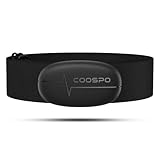
Budget chest monitors generally cost about $20 to $45. A model such as the COOSPO H6, listed around $25.49, represents this category. These monitors can be a good match for indoor cycling, phone apps, and occasional workouts if they offer the connection protocols you need. Expect fewer premium features and potentially less clarity about replacement straps, app support, and long-term updates.
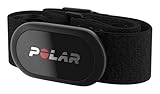
Midrange monitors cost approximately $60 to $115. The Garmin HRM 200, listed around $79.99, and Polar H10, listed around $104.79, fit this general range. This tier is often the best value for regular exercisers because it usually combines dual connectivity, a more refined strap, dependable support, and replaceable components.
Premium monitors cost about $130 to $180. The Garmin HRM 600, listed around $158.99, illustrates this tier. Premium pricing can make sense for structured runners, triathletes, or athletes who need onboard storage and advanced metrics. It is harder to justify if you only want live heart rate on a treadmill or smartphone.
Also budget $5 to $15 for replacement batteries over several years, or account for charging time with a rechargeable model. A replacement strap may cost roughly $20 to $40, depending on the brand and whether it includes electrodes or other hardware.
Warranty and Replacement Support
Check the warranty before comparing two monitors with similar prices. A one-year limited warranty is common, while longer coverage can add confidence for frequent users. Confirm what is covered: some warranties apply to the sensor but exclude normal strap wear, corrosion, or damage caused by improper washing.
Replacement availability is just as important. The elastic strap is likely to wear out before the electronics. Look for a separately sold replacement strap, clear washing instructions, and a battery door that can be serviced without specialized tools. If the monitor depends on a companion app, check whether the manufacturer provides current app support for your phone’s operating system.
Delivery, Returns, and Setup
Chest monitors do not require furniture-style assembly, but they do require a few minutes of setup. Before ordering, confirm that the package includes the sensor, strap, battery or charging cable, and any required cover. Delivery dates can vary by seller, so check the return window in case the strap does not fit or your equipment does not recognize the signal.
After delivery, install the battery if needed, wet the contact areas, fasten the strap, and pair it with only one device first. Test it during a short, easy workout before relying on it for a race or long training session. If pairing fails, turn off nearby Bluetooth devices, remove the monitor from other apps, and check whether your equipment requires ANT+ rather than Bluetooth.
Spec Checklist
| Spec | Budget | Mid | Premium |
|---|---|---|---|
| Typical price | $20–$45 | $60–$115 | $130–$180 |
| Connectivity | Bluetooth or ANT+ | Bluetooth and ANT+ | Bluetooth and ANT+, sometimes expanded device support |
| Strap range | About 25–52 inches | About 25–52 inches; extended sizes may be available | About 25–52 inches; verify model-specific sizing |
| Water protection | Usually splash and sweat resistant | Often IP-rated; verify swimming support | May include explicit swimming and deeper-water support |
| Battery | Replaceable coin cell is common | Replaceable coin cell or rechargeable | Rechargeable or extended-life replaceable battery |
| Best for | Occasional workouts and basic apps | Regular training and multiple devices | Structured training and advanced metrics |
Red Flags
- No stated connection protocol: Avoid a listing that does not clearly say Bluetooth, ANT+, or compatible devices.
- Unclear sizing: A generic “one size fits all” claim without a torso measurement can lead to poor contact.
- Waterproof without a rating: Look for an IP rating or explicit swimming specification.
- Permanent strap and sensor: If the strap cannot be replaced, the entire monitor may become disposable when the elastic wears out.
- Unusually low price with no support information: Savings are less meaningful if there is no warranty, app support, or replacement battery guidance.
- Medical claims: Fitness monitors should not promise diagnosis, treatment, or emergency detection unless they have appropriate medical authorization.
FAQ
Is a chest heart rate monitor better than a smartwatch?
For rapid changes in intensity, a chest monitor is often more responsive because it detects electrical heart signals directly. A smartwatch is more convenient and adds other measurements, but wrist movement, loose fit, tattoos, skin tone, and cold weather can affect optical readings. Many athletes use both and let the watch display data from the chest strap.
Do chest heart rate monitors work with Peloton and gym equipment?
Many do, but compatibility depends on the equipment and connection protocol. Bluetooth is common on newer fitness equipment and phones, while ANT+ appears on many sports watches and bike computers. Confirm the exact compatibility list before buying, particularly if you need two devices connected at the same time.
How tight should a chest strap be?
It should be snug enough to remain flat and stationary during movement, but loose enough that you can take a full breath comfortably. The sensor should sit centered on your chest, with the electrodes touching your skin. If the reading drops during sprints or jumping, first check fit and dampen the contact areas.
How long does a chest heart rate monitor last?
The electronic sensor can last several years with normal care, while the elastic strap may need replacement sooner. Rinse away sweat, follow the washing instructions, remove the sensor before laundering, and store the monitor dry. Replacing the strap is usually more economical than replacing a functioning sensor.