Key takeaways
- Choosing between a chest strap and a wrist heart rate monitor is less about picking the “most advanced” device and more about deciding how you will actually use it at home. A chest strap is usually the better measurement tool…
What's inside
Choosing between a chest strap and a wrist heart rate monitor is less about picking the “most advanced” device and more about deciding how you will actually use it at home. A chest strap is usually the better measurement tool for workouts, while a wrist monitor is easier to wear throughout the day and often adds step counting, sleep tracking, notifications, and other features.
The practical decision comes down to three questions: Do you need highly responsive heart-rate readings during exercise? Will you wear the device for hours outside workouts? And are you buying a dedicated monitor or a general fitness tracker? In 2026, both categories cover a wide price range, from inexpensive replacement bands and basic trackers to premium sports watches.
As an Amazon Associate we earn from qualifying purchases at no extra cost to you. Product prices and availability are accurate as of the date shown and are subject to change.



Quick Verdict
Choose a chest strap if accuracy and fast changes in heart rate matter most. The sensor sits close to the heart and is commonly preferred for interval training, cycling, rowing, running, and structured home workouts. It is lightweight, compact, and generally works with compatible watches, phones, bike computers, and fitness equipment.
Choose a wrist heart rate monitor if convenience is your priority. A wrist device can be worn from morning through bedtime and may track steps, sleep, calories, oxygen saturation, and exercise without requiring a separate strap around your torso. It is the more comfortable choice for many casual users, families, and people who want one everyday device.
Neither option should be treated as a medical diagnostic device unless it has the appropriate regulatory clearance for that specific function. Optical wrist readings can be affected by movement, fit, skin contact, and circulation. Chest straps can also produce poor readings when the electrodes are dry, the strap is loose, or the battery is depleted.
Side by Side
| Consideration | Chest strap | Wrist heart rate monitor |
|---|---|---|
| Comfort | Lightweight, but snug pressure around the chest can bother some users | Easy for most people to wear, though a watch can feel bulky overnight |
| Heart-rate response | Typically very quick during intervals and changing intensity | Convenient, but motion and loose contact can delay or interrupt readings |
| Durability | Often water-resistant or waterproof; the elastic strap may wear out first | Usually water-resistant; screen, charging port, and band are additional wear points |
| Typical price range | About $40-$150 for a complete sensor and strap; replacement straps are often $10-$20 | About $25-$500, depending on whether it is a basic tracker or a premium smartwatch |
| Maintenance | Rinse and dry the strap; replace coin-cell batteries or recharge the sensor | Charge regularly, clean the optical sensor, and replace the band when it cracks |
| Space needed | About 2-4 inches of drawer space; the strap folds flat | About 2-3 inches of drawer or nightstand space, plus a charging cable |
| Look | Hidden under a shirt during use | Visible like a watch and available in sport, casual, and dressier designs |
| Resale value | Usually modest, particularly for a used elastic strap | Some recognizable watches retain value, while basic trackers depreciate quickly |
| Best for | Serious training, indoor cycling, intervals, and equipment compatibility | Everyday wellness, reminders, sleep, steps, and casual workouts |
Where Chest Strap Wins
A chest strap measures the electrical activity associated with each heartbeat rather than estimating pulse from blood flow at the skin. That design usually makes it more responsive when you move from rest to a sprint, recover between intervals, or change resistance on a stationary bike. For athletes following heart-rate zones, that responsiveness can be more useful than a long list of secondary features.
Chest straps are also a good fit for home gym equipment. Many treadmills, rowers, exercise bikes, and training apps can pair with common wireless heart-rate sensors. A compatible strap can transmit data to more than one type of display, allowing you to exercise without wearing a watch. It also stays out of the way when your hands are gripping handlebars or dumbbells.
The strap itself is small and easy to store. A replacement such as the Polar H10 H9 H7 Chest Strap Replacement is listed at $12.99, while a compatible adjustable waterproof replacement band measuring 25.6 to 37.4 inches is listed at $11.99. These are replacement straps, not complete heart-rate sensors, so confirm that the existing transmitter pod fits before ordering.
There are tradeoffs. A chest strap must be positioned correctly, and dry skin can cause a weak signal at the beginning of a workout. Wetting the electrode areas, tightening the band enough to prevent shifting, and rinsing it after use can improve consistency. Some users also dislike the feeling of an elastic band around the torso, particularly during relaxed activities or sleep.
Where Wrist Heart Rate Monitor Wins
A wrist monitor is the simpler everyday choice. Put it on in the morning, and it can record activity without remembering a separate chest band before every workout. Many models offer step counts, sleep estimates, alarms, phone notifications, and automatic workout recognition. For walking, light strength training, household activity, and general wellness, that convenience often outweighs the limitations of optical sensing.
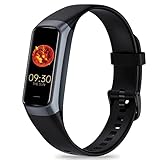
Basic fitness trackers can be inexpensive. For example, the Zeacool Fitness Tracker with 24/7 heart rate, blood oxygen, sleep monitoring, activity tracking, and 5 ATM water resistance is listed at $28.99. Features and measurement quality vary by device, so buyers should treat low-cost health metrics as wellness information rather than a replacement for clinical equipment.
Wrist devices are also more socially acceptable outside the gym. A slim tracker can look like an ordinary watch, while a chest strap must be worn under clothing. If several people in a household want occasional readings, a wrist device may be easier to share in principle, although each user should clean the band and adjust the fit carefully. A personal fit is preferable for consistent readings.
Do not confuse a wrist heart-rate tracker with a wrist blood-pressure monitor. The Oklar Wrist Blood Pressure Monitor is a separate rechargeable blood-pressure device listed at $27.36 and identified as FDA cleared. It is designed for blood-pressure measurement, not simply pulse tracking. Anyone monitoring a medical condition should follow a clinician’s advice about which device and measurement method to use.
Cost Over 5 Years
The least expensive five-year setup is often a basic chest sensor costing roughly $40-$80, plus one or two replacement straps at about $10-$20 each. That puts a realistic equipment total around $50-$120, not including a compatible phone or watch. A coin-cell battery may last many months, while rechargeable sensors add occasional charging but avoid frequent battery purchases.
A basic wrist tracker can cost about $25-$80 initially. Over five years, you may spend another $10-$30 on replacement bands or a charger, bringing the total to roughly $35-$110 if the device lasts the full period. Replacement is more likely if the battery loses capacity or software support ends.
For a premium wrist smartwatch, the five-year cost is commonly higher: approximately $200-$700 after one purchase or a replacement during the period. Premium models can offer better displays, GPS, stronger apps, and improved training tools, but those extras are unnecessary if your only goal is viewing heart rate during home exercise.
Which One for Your Home
Small apartment
Choose a wrist monitor if you want one compact device for walking, sleep, chores, and short workouts. It takes little storage space and does not require a dedicated receiver. Choose a chest strap instead if your apartment includes a compact bike, rower, or treadmill and you want fast readings without wearing a watch.
Family with kids and pets
A wrist tracker is usually easier for a busy household because it can stay on while you move between errands, childcare, and exercise. Look for an adjustable band and at least basic water resistance. A chest strap is better for one committed exerciser who wants repeatable training data, but it should be stored out of reach of pets and rinsed after sweaty sessions.
Rental
Both options work well in a rental because neither requires installation or wall space. A chest strap pairs with existing equipment without changing the room. A wrist monitor is preferable if you move between rooms or take outdoor walks and want the same device to record everything. Keep the charger in a small tray so it does not disappear among other electronics.
Long-term home
Buy the chest strap when you expect years of structured training and already own a compatible watch, phone, or exercise machine. Its replaceable band can extend the useful life of the sensor. Choose a wrist monitor for a broader household wellness setup, especially when sleep, steps, reminders, and all-day wear matter more than precise interval timing.
FAQ
Is a chest strap more accurate than a wrist heart rate monitor?
It is generally more responsive during vigorous or rapidly changing exercise because it measures electrical heart signals close to the chest. A properly fitted wrist monitor can be useful for steady walking and casual workouts, but movement and poor skin contact may affect readings.
Can I wear a chest strap all day?
You can, but most people use one for exercise rather than continuous daily wear. The elastic band may become uncomfortable, and many chest sensors do not offer the broader activity and sleep features found on wrist devices.
How tight should a chest strap be?
It should sit firmly below the chest muscles without restricting breathing or digging into the skin. It should not slide when you bend, run, or reach. Slightly dampening the electrode areas before exercise can help the sensor establish contact.
Which monitor is better for home workouts?
For intervals, cycling, rowing, running, and heart-rate-zone training, choose a chest strap. For yoga, walking, light strength work, general activity, and all-day wellness tracking, a wrist monitor is usually the more convenient choice.