Key takeaways
- Loop Bands (Figure-8 or Mini Bands): These are short, continuous loops, often used for lower body exercises like glute activation, hip abduction, and leg strengthening. They are great for targeted muscle engagement and can be stacked for increased resistance. The Fit Simplify Resistance Loop Exercise Bands with Instruction Guide and Carry Bag, Set of 5 is a popular choice in this category.
- Therapy Bands (Long Bands): These are longer, flat bands without handles, typically used for a broader range of exercises, including upper body strengthening, stretching, and full-body movements. They offer excellent versatility and are commonly found in clinics. Look for options like the Resistance Bands for Working Out, Physical Therapy, Exercise, Pilates, Yoga or the Resistance Bands for Physical Therapy, Working Out Bands, Latex Free Elastic and Exercise Bands Set for Stretching, Suitable for Rehab, Yoga, Pilates, Gym, Home Exercise (Five Colors).
- Tube Bands with Handles: These are resistance tubes with integrated handles at each end, mimicking the feel of weight machines. They provide a more controlled movement and are good for specific muscle group isolation.
- Pull-Up Bands: These are the thickest and strongest loop bands, specifically designed to assist with bodyweight exercises like pull-ups and chin-ups. The 5-Level Resistance Bands for Working Out, Pull Up Assistance Bands exemplifies this type.
What's inside
Resistance bands have become an indispensable tool in modern physical therapy. Their versatility, portability, and ability to provide variable resistance make them ideal for a wide range of rehabilitation and strengthening exercises. Whether you’re recovering from an injury, managing a chronic condition, or simply looking to improve your mobility and strength, selecting the right resistance bands is crucial for effective therapy and preventing further issues. This guide will walk you through the key considerations to help you make an informed choice.
In 2026, the market offers a diverse array of resistance bands, from traditional latex loops to advanced non-latex options. Understanding your specific needs, the type of exercises you’ll be performing, and the progression of your therapy will guide you toward the best selection. Let’s dive into how to choose the right resistance bands for your physical therapy journey.
As an Amazon Associate we earn from qualifying purchases.




⚡ Save on Your Next PC — Amazon Prime
Prime members get fast free shipping on the systems above, plus early access to Prime Day & Black Friday PC deals. New members get a 30-day free trial.
Watch: How to Choose the Right Resistance Bands for Physical Therapy — Video Review
Understanding Resistance Band Types
Resistance bands come in several primary forms, each suited for different applications:
- Loop Bands (Figure-8 or Mini Bands): These are short, continuous loops, often used for lower body exercises like glute activation, hip abduction, and leg strengthening. They are great for targeted muscle engagement and can be stacked for increased resistance. The Fit Simplify Resistance Loop Exercise Bands with Instruction Guide and Carry Bag, Set of 5 is a popular choice in this category.
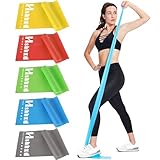
- Therapy Bands (Long Bands): These are longer, flat bands without handles, typically used for a broader range of exercises, including upper body strengthening, stretching, and full-body movements. They offer excellent versatility and are commonly found in clinics. Look for options like the Resistance Bands for Working Out, Physical Therapy, Exercise, Pilates, Yoga or the Resistance Bands for Physical Therapy, Working Out Bands, Latex Free Elastic and Exercise Bands Set for Stretching, Suitable for Rehab, Yoga, Pilates, Gym, Home Exercise (Five Colors).
- Tube Bands with Handles: These are resistance tubes with integrated handles at each end, mimicking the feel of weight machines. They provide a more controlled movement and are good for specific muscle group isolation.
- Pull-Up Bands: These are the thickest and strongest loop bands, specifically designed to assist with bodyweight exercises like pull-ups and chin-ups. The 5-Level Resistance Bands for Working Out, Pull Up Assistance Bands exemplifies this type.
Assessing Your Resistance Needs
The primary differentiator between resistance bands is the level of tension they provide. This is often indicated by color, thickness, or a numerical rating.
- Start Light: For physical therapy, it’s almost always best to start with lighter resistance. This allows you to focus on proper form, activate the correct muscles, and avoid overloading injured tissues. Many sets, like the Resistance Bands for Working Out, 5 Levels Elastic Exercise Bands, offer a range of light to moderate options.
- Progress Gradually: As you regain strength and your therapist advises, you’ll progress to higher resistance levels. The goal is to challenge your muscles without causing pain or compromising your form. A set with multiple resistance levels allows for this seamless progression.
- Consider Your Injury/Condition: The specific nature of your injury or condition will dictate the appropriate resistance. A rotator cuff tear will require very different resistance levels than rehabilitation after a knee surgery. Always consult with your physical therapist for personalized recommendations.
Material and Durability
The material of your resistance bands directly impacts their durability, feel, and potential for allergic reactions.
- Latex: The most common material, latex offers excellent elasticity and durability. However, it can cause allergic reactions in some individuals.
- Latex-Free Options: For those with latex allergies, many excellent latex-free alternatives are available. These are often made from TPE (thermoplastic elastomer) or other synthetic rubber compounds. The A AZURELIFE Resistance Bands,Professional Long Non-Latex Elastic Stretch Bands,Exercise Bands for Physical Therapy, Yoga, Pilates, Rehab, at-Home or The Gym Workouts, Strength Training is a strong contender if latex is a concern.
- Quality Matters: Invest in high-quality bands from reputable brands. Cheaply made bands can snap under tension, leading to injury, or lose their elasticity quickly, reducing their effectiveness. Look for bands that feel robust and maintain their resistance consistently.
Length and Width for Versatility
The dimensions of the resistance bands also play a role in their usability.
- Long Bands: Offer greater versatility for a wider range of exercises, including those requiring a larger range of motion or anchoring to a stable object. They are excellent for seated or standing exercises and for performing movements that mimic functional activities.
- Loop Bands: Their compact size makes them ideal for specific lower body exercises and for travel. They are easy to carry and can be used in tight spaces.
- Width: Wider bands often indicate higher resistance levels and can feel more comfortable against the skin, especially when stretched tightly.
Tips for Choosing
- Consult Your Physical Therapist: This is the most important step. Your therapist can recommend specific types, resistance levels, and brands based on your individual needs and progress.
- Read Reviews: Look for user reviews, especially those from individuals using the bands for physical therapy. This can provide insights into durability and effectiveness.
- Consider Sets: Purchasing a set that includes multiple resistance levels and band types can be more cost-effective and provide the flexibility needed as you progress.
- Check for Warranties: A good warranty can offer peace of mind, especially for more expensive, high-quality resistance bands.
Frequently Asked Questions
What is the difference between latex and latex-free resistance bands?
Latex bands are made from natural rubber and offer excellent elasticity. However, they can cause allergic reactions. Latex-free bands, often made from TPE, are a safe alternative for individuals with sensitivities and generally offer comparable performance and durability.
How do I know what resistance level I need?
The appropriate resistance level is determined by your current strength, the specific exercise, and your physical therapist’s guidance. Generally, you should be able to complete 10-15 repetitions with good form, feeling a moderate challenge by the last few reps. Always start lighter than you think you need and increase resistance as advised.
Can I use the same bands for physical therapy and general fitness?
Yes, many resistance bands are suitable for both. However, for specific rehabilitation needs, your therapist might recommend particular types or resistance levels that might differ from what you’d use for general strength training.
How should I care for my resistance bands?
Store your bands away from direct sunlight and extreme heat, as these can degrade the material. Clean them with mild soap and water and ensure they are completely dry before storing. Inspect them regularly for any signs of wear, such as nicks, tears, or loss of elasticity, and replace them if any damage is found.
Conclusion
Choosing the right resistance bands for physical therapy is a critical step toward successful rehabilitation and long-term health. By understanding the different types, assessing your resistance needs, considering material and durability, and paying attention to dimensions, you can make an informed decision. Always prioritize professional guidance from your physical therapist to ensure you select the bands that will best support your recovery and help you achieve your therapeutic goals in 2026 and beyond.