Key takeaways
- Material: Opt for genuine leather for maximum durability and support, especially for heavy lifting. Nylon belts can be lighter and more flexible, suitable for general fitness but less ideal for maximal lifts.
- Width: A 4-inch width is a common and versatile choice, offering a good balance of support and comfort. Wider belts (6 inches) provide more surface area for bracing but can sometimes be less comfortable for certain individuals.
- Thickness: For powerlifting and heavy squats, a thickness of 10mm is generally recommended. This provides rigidity and excellent pressure distribution, crucial for maximal bracing. Thinner belts (5-7mm) are more flexible and can be suitable for Olympic lifting or general gym use.
- Closure System: Double prong buckles are robust and reliable, offering secure tightening. Lever belts provide the quickest and most consistent tension, ideal for rapid setup between sets, but can be more expensive. Velcro belts are generally less secure for heavy powerlifting.
- Sizing: Always measure your waist at the level you intend to wear the belt (typically around your navel) and consult the manufacturer’s sizing chart carefully. An ill-fitting belt can be ineffective or even detrimental.
What's inside
In the pursuit of heavier lifts and stronger foundations, a quality weightlifting belt is an indispensable piece of equipment for any serious powerlifter or squat enthusiast. A well-chosen belt provides crucial core support, allowing you to brace effectively and transfer more force through your body, ultimately leading to increased stability and the potential for new personal records. But with a market flooded with options, finding the right one can feel like navigating a minefield. This guide is designed to cut through the noise and help you identify the best weightlifting belts for your powerlifting and squatting needs in 2026.
We’ve scoured the market, focusing on durability, support, comfort, and security, to bring you a curated selection of top-tier belts that won’t let you down when you’re pushing your limits. Whether you’re a seasoned veteran or just starting your powerlifting journey, investing in the right belt is an investment in your performance and your long-term health.
As an Amazon Associate we earn from qualifying purchases.



⚡ Save on Your Next PC — Amazon Prime
Prime members get fast free shipping on the systems above, plus early access to Prime Day & Black Friday PC deals. New members get a 30-day free trial.
Watch: Best Weightlifting Belts for Powerlifting and Squats — Video Review
How to Choose
- Material: Opt for genuine leather for maximum durability and support, especially for heavy lifting. Nylon belts can be lighter and more flexible, suitable for general fitness but less ideal for maximal lifts.
- Width: A 4-inch width is a common and versatile choice, offering a good balance of support and comfort. Wider belts (6 inches) provide more surface area for bracing but can sometimes be less comfortable for certain individuals.
- Thickness: For powerlifting and heavy squats, a thickness of 10mm is generally recommended. This provides rigidity and excellent pressure distribution, crucial for maximal bracing. Thinner belts (5-7mm) are more flexible and can be suitable for Olympic lifting or general gym use.
- Closure System: Double prong buckles are robust and reliable, offering secure tightening. Lever belts provide the quickest and most consistent tension, ideal for rapid setup between sets, but can be more expensive. Velcro belts are generally less secure for heavy powerlifting.
- Sizing: Always measure your waist at the level you intend to wear the belt (typically around your navel) and consult the manufacturer’s sizing chart carefully. An ill-fitting belt can be ineffective or even detrimental.
The Best Picks Reviewed
RDX Weight Lifting Belt
The RDX Weight Lifting Belt is a solid all-rounder, available in both 4-inch and 6-inch widths. Constructed from genuine cowhide leather, it offers excellent durability and support for a wide range of lifting activities, including squats, deadlifts, and bodybuilding. The padded lumbar support enhances comfort during strenuous workouts, and the 10 adjustable holes ensure a precise fit for both men and women. Its robust construction makes it a reliable choice for those seeking consistent core reinforcement.
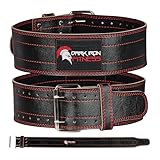
Dark Iron Fitness Genuine Leather Weightlifting Belt (Double Prong)
Renowned for its quality, the Dark Iron Fitness Genuine Leather Weightlifting Belt is a favorite among powerlifters. Its 4-inch width is complemented by reinforced stitching for exceptional longevity. The double prong buckle system offers a secure and adjustable fit, ensuring excellent core stability during your heaviest lifts. This belt is designed to withstand the rigors of intense training, providing crucial back and core support for squats and deadlifts.
Element 26 Self-Locking Weight Lifting Belt
The Element 26 Self-Locking Weight Lifting Belt stands out with its innovative self-locking buckle system, offering unparalleled ease of use and consistent tension. This belt is engineered for optimal core engagement and support during heavy squatting and powerlifting movements. Its durable construction and secure locking mechanism make it a top contender for lifters who value quick adjustments and reliable bracing without compromising on support.
MANUEKLEAR Gym Weight Lifting Belt
For those seeking maximum girth and support, the MANUEKLEAR Gym Weight Lifting Belt comes in at an impressive 7.5 inches wide. This generously proportioned belt provides extensive coverage and robust core support, making it ideal for bodybuilding, cross-training, and heavy squats. Crafted for durability, it aims to provide substantial back reinforcement, helping to maintain proper form and stability during demanding strength training sessions.
Powerlifting Belts Lever Belt (9mm IPF Thick)
The Powerlifting Belts Lever Belt is a premium option for serious lifters, boasting a 9mm IPF-thick leather construction for maximum rigidity and support. Designed for powerlifting, squats, and deadlifts, this belt features a secure and easily adjustable lever buckle system that provides instant, consistent tension. Its substantial thickness and high-quality leather ensure it can handle extreme loads while providing exceptional core bracing and spinal stability.
Frequently Asked Questions
What is the primary benefit of using a weightlifting belt?
The primary benefit of a weightlifting belt is to increase intra-abdominal pressure, which in turn stabilizes the spine and core. This allows for greater force production and can help prevent injury during heavy compound lifts like squats and deadlifts.
How thick should a weightlifting belt be for powerlifting?
For powerlifting and heavy squatting, a belt thickness of 10mm is generally considered optimal. This provides sufficient rigidity to support maximal bracing without being overly stiff or uncomfortable.
How do I measure for a weightlifting belt?
Measure your waist at the level where you intend to wear the belt, which is typically around your navel. Always refer to the specific manufacturer’s sizing chart, as sizes can vary between brands.
Can women use the same weightlifting belts as men?
Yes, most weightlifting belts are designed for unisex use. The key is to find a belt that fits correctly and provides adequate support for your individual anatomy and lifting style.
Final Thoughts
For unwavering support and exceptional durability in powerlifting and heavy squats, the Powerlifting Belts Lever Belt (9mm IPF Thick) is an outstanding choice, especially if you value the precision of a lever system. For a reliable and robust option that offers excellent value, the Dark Iron Fitness Genuine Leather Weightlifting Belt (Double Prong) consistently delivers. Both of these belts are built to last and provide the core stability necessary to push your limits safely and effectively.