Key takeaways
- Best Overall: TriggerPoint CORE foam roller, a softer-compression roller for back, body and legs.
- Best Value Powered Tool: TOLOCO massage gun with 10 replacement heads.
- Best Premium Powered Tool: Therabody TheraGun Relief, a three-speed quiet massage gun.
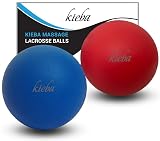
- Best for Small Knots: Kieba lacrosse massage balls, a firm two-ball set.
- Best for Calves and Quads on the Go: Tiger Tail 18-inch massage stick.
- Best Cold or Warm Wrap: REVIX knee ice pack wrap, a reusable gel wrap with plush lining.
- Best Pulse Device: TechCare rechargeable TENS and EMS muscle stimulator.
The best muscle recovery tools for sore muscles depend on where and how you feel sore: a foam roller for large areas like quads and back, a massage ball for small knots, a percussion massager for quick sessions, a TENS-style stimulator for gentle pulses, and a reusable wrap for cold or warm comfort. For most people, the TriggerPoint CORE foam roller is the best first purchase, and the TOLOCO massage gun is the sensible second tool if you want a powered option. This guide compares seven real recovery tools and explains how to build a small kit instead of buying everything at once.
This is a research-based guide. We did not personally use these products; specs come from maker pages and shopping listings, and anything we could not confirm is marked “not listed”. Muscle soreness after exercise is common and usually eases on its own, but sharp, lasting or unusual pain, swelling, numbness or an injury should be checked by a doctor or physical therapist. Nothing here is medical advice, and no tool is a treatment.
Our top picks
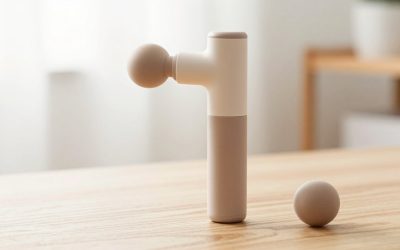
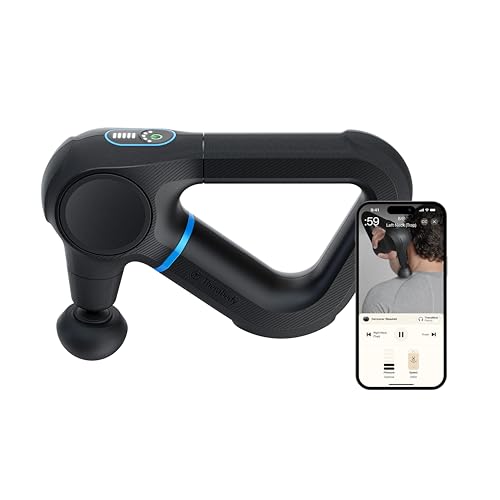
 TheraGun Therabody Relief Massage Gun
- Our gentlest level of percussive massage therapy
- With 3 speeds and simple one-button control, Theragun…
- Includes 3 scientifically designed massage attachments to target…
| Product | Key specs | |
|---|---|---|
| TheraGun Therabody Relief Massage Gun | Our gentlest level of percussive massage therapy With 3 speeds and simple one-button control, Theragun… Includes 3 scientifically designed massage attachments to target… | Check price |
 TheraGun Therabody Relief Massage Gun | Check price | |
 TheraGun Therabody Prime 6th Gen Deep Tissue | Check price | |
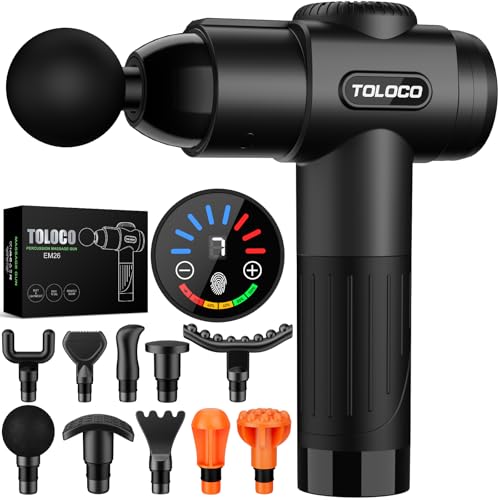 TOLOCO Massage Gun | Quick Pain Relief: The TOLOCO deep tissue massage… Long Battery Life: Percussion massage gun with a… 10 Professional Massage Heads: Muscle massage gun with… | Check price |
As an Amazon Associate we earn from qualifying purchases at no extra cost to you.
Top Picks at a Glance
- Best Overall: TriggerPoint CORE foam roller, a softer-compression roller for back, body and legs.
- Best Value Powered Tool: TOLOCO massage gun with 10 replacement heads.
- Best Premium Powered Tool: Therabody TheraGun Relief, a three-speed quiet massage gun.
- Best for Small Knots: Kieba lacrosse massage balls, a firm two-ball set.
- Best for Calves and Quads on the Go: Tiger Tail 18-inch massage stick.
- Best Cold or Warm Wrap: REVIX knee ice pack wrap, a reusable gel wrap with plush lining.
- Best Pulse Device: TechCare rechargeable TENS and EMS muscle stimulator.
Comparison Table
| Product | Best for | Key specs | Watch for | Price tier |
|---|---|---|---|---|
| TriggerPoint CORE Foam Roller | Large muscle groups | Softer compression foam, for back, body, legs | Learn technique; avoid rolling over joints | Budget |
| TOLOCO Massage Gun | Quick, powered sessions | Percussion, 10 replacement heads, portable | Noise and intensity vary; battery details not confirmed here | Budget to Mid-range |
| TheraGun Relief | Quiet daily use | 3 speeds, handheld percussion | Fewer settings than higher models | Premium |
| Kieba Lacrosse Balls | Small knots in feet, glutes, shoulders | Set of 2 firm balls | Firm; start gently | Budget |
| Tiger Tail 18-inch Stick | Calves, quads, travel | Handheld roller, 18 in | Hard to reach the back | Mid-range |
| REVIX Knee Ice Wrap | Cold or warm wraps on the knee | Reusable gel, plush lining, hot or cold | Not for use directly on skin for long | Budget |
| TechCare TENS/EMS Stimulator | Gentle electrical pulse massage | Rechargeable, dual channel | Not for everyone; ask a doctor first | Budget to Mid-range |
1. TriggerPoint CORE Foam Roller: Best First Recovery Tool
- Foam roller for back, body and legs
- Softer compression than a firm tube, per the listing
- Marketed for deep tissue and recovery use
- Exact length and diameter: see the maker page
- Reusable, no power required
Best for: post-workout rolling on quads, hamstrings, calves, upper back and glutes. Skip if: you want a very firm or textured roller.
A foam roller is the classic recovery tool because it covers large muscles and costs little. Rolling means applying body weight to a muscle and moving slowly across it. A softer-compression roller like the CORE is friendlier for beginners, as very firm rollers can feel too intense. Move slowly, pause on tender spots for a few seconds and breathe.
Avoid rolling directly over joints, the lower back’s bony spine or any area with a sharp, localized pain. Stop if you feel numbness, tingling or something that seems wrong.
Pros: low cost; covers big muscles; no battery; works at home or in the gym. Cons: technique takes practice; bulky to travel with; not for every body area.

2. TOLOCO Massage Gun: Best Value Powered Tool
- Handheld percussion massage gun
- 10 replacement heads per the listing
- Portable and described as super quiet by the seller
- Speed levels, stroke length, battery life: not listed in the snippet
- Several variants exist in the TOLOCO line
Best for: quick pre- or post-workout sessions on quads, glutes and calves. Skip if: you want a medical-grade device or a proven premium build.
Percussion massagers pulse a head rapidly against the muscle, which many people find pleasant after exercise. A large head set lets you switch between flat, round and bullet-shaped heads, depending on whether you are working large muscles or small spots. It is a convenience tool: it saves time compared with rolling and is easier to use on your own back.
Use it on muscle bellies, not on bones, joints, the front of the neck or areas with injury or swelling. Keep sessions short, with a few minutes per muscle group, and lower intensity if a spot feels sore.
Pros: low cost for a powered tool; many heads; portable. Cons: specs limited; noise varies; build quality unknown against premium brands.
3. Therabody TheraGun Relief: Best Premium Massage Gun for Daily Comfort
- Handheld percussion massager
- Three speeds, per the listing
- Quiet design claimed by the maker
- Navy and black variants
- Battery life and amplitude: see the maker page
Best for: users who want a simple, brand-backed gun for daily use. Skip if: you need many attachments or high-end features.
Therabody is among the best-known names in percussion devices. The Relief model is positioned as an entry-level product with straightforward controls. Three speeds are enough for most users; more control matters mostly for professionals and athletes with specific routines.
The premium cost buys brand support, a polished build and a simple app-free experience. If you only need an occasional massage, the TOLOCO may suit you better; if you want a name with a track record, this is the one.
Pros: simple; trusted brand; quiet claims. Cons: premium tier; fewer features than higher Therabody models.
4. Kieba Lacrosse Massage Balls: Best for Small Knots
- Set of 2 firm lacrosse-style massage balls
- Used for myofascial release and trigger point work
- Portable and inexpensive
- Material: see the listing
- Works against a wall or on the floor
Best for: feet, glutes, shoulder blades and spots a foam roller cannot reach. Skip if: you want a cushioned feel.
A massage ball focuses pressure into a small area. Lean into a wall to work the shoulder blade, sit on the ball for the glute or roll it under the foot. Because the ball is firm, start with light pressure and build gradually. Spend 20 to 30 seconds on a tender area, then move on.
Two balls can be taped together or placed side by side to create a spine-friendly channel for the upper back. Avoid pressing directly on the spine itself.
Pros: tiny and cheap; reaches awkward spots; no power required. Cons: intense; easy to overdo; not for large muscles.
5. Tiger Tail 18-Inch Massage Stick: Best for Calves, Quads and Travel
- 18 inch handheld roller stick
- Designed for deep tissue and myofascial release
- Portable and light
- Roller material and firmness: see the maker page
- A bendable variant also exists in the line
Best for: runners, cyclists and anyone who wants control over pressure on legs. Skip if: you mainly need to work on your back.
A roller stick lets you press with your hands instead of your body weight, so you control the pressure precisely. It is easy to pack in a gym bag and use in a hotel room. Roll slowly from the knee toward the hip on the thigh and from the ankle to the knee on the calf, avoiding the back of the knee.
Pros: controllable pressure; portable; works well on legs. Cons: hard to use on your own back; mid-range cost for a stick; arms can tire.
6. REVIX Knee Ice Pack Wrap: Best Reusable Cold or Warm Wrap
- Reusable gel wrap for the knee
- Soft plush lining for comfort against skin
- Hot and cold compress use per the listing
- Adjustable wrap design
- Black finish
Best for: cold or warm comfort around the knee after exercise. Skip if: you need full-body coverage.
Cold and warm packs are classic comfort tools. A cool wrap can feel soothing after a hard session, and warmth can feel pleasant before moving stiff muscles. A strap-on design frees your hands, so you can sit and rest. Place a thin cloth between the pack and the skin, limit sessions to about 15 to 20 minutes and check the skin often.
Do not use cold or warm packs if you have circulation problems, numb skin or conditions that affect sensation without a doctor’s guidance. For a new injury, swelling or lasting pain, see a medical professional rather than self-treating.
Pros: reusable; hands-free; hot or cold; low cost. Cons: knee-specific; gel can stiffen when frozen; needs a freezer.

7. TechCare TENS and EMS Muscle Stimulator: Best Pulse Device for Gentle Massage
- Rechargeable dual channel unit
- TENS and EMS style electrical pulse modes
- Marketed for back and neck muscle massage
- Number of modes, intensity steps and pad sizes: not listed in the snippet
- Includes electrode pads per typical kits (check listing)
Best for: people who like the feel of gentle electrical pulses on tired muscles. Skip if: you have a pacemaker or other implanted device, are pregnant, have heart conditions, or have been told not to use electrical stimulation.
TENS and EMS units send small electrical pulses through pads on the skin. Many people use them as a massage-style tool for tired muscles. Results vary, and they do not treat injuries. Read the maker’s safety instructions fully, place pads only on intact skin and avoid placing them on the chest, neck front, head or over the heart. If you are unsure whether it suits you, ask a doctor before using it.
Pros: rechargeable; adjustable; compact. Cons: not for everyone; pads need replacing; evidence for recovery benefit is mixed.

Also Consider
QUINEAR Air Compression Recovery Boots
Sequential compression boots in the premium tier. They are bulky and expensive, but athletes who spend long hours on their legs may consider them. Check the maker’s safety notes and ask a doctor if you have circulation concerns.
TrekProof Reusable Gel Wraps (3-piece)
A set of hot and cold gel wraps in different shapes. A flexible alternative if you need coverage beyond the knee.
AUVON Rechargeable TENS Unit
A TENS machine with 24 modes per the listing. A direct alternative to the TechCare unit with the same safety caveats.
TriggerPoint Grid 1.0 Foam Roller
A 13 inch multi-density roller with a textured surface. A firmer, more compact step up from the CORE for experienced rollers.
How We Chose
We started with the products named in the brief and searched the site’s product catalog for foam rollers, massage guns, massage balls, roller sticks, cold and warm wraps and TENS-style units. One named item, the Serola sacroiliac belt, is a back-support brace rather than a recovery tool for sore muscles, so we left it out as off-intent. We checked maker pages and listing details for each pick and compared with how physical therapy and sports medicine publications describe each method, such as the Cleveland Clinic and Mayo Clinic. We did not personally use these products; this guide is research-based. Where specs were not confirmed, we say “not listed”. We avoid exact prices and use tiers.
Buying Guide
Match the tool to the muscle
Large muscles like quads and glutes suit a foam roller or massage gun. Small spots like the arch of the foot, upper back or glute knots suit massage balls. Calves and thighs suit a roller stick. If your soreness is joint-based rather than muscle-based, see a professional instead of choosing a tool.
Start gentle and low-cost
Foam rollers and massage balls cost little and teach you what pressure you like. If you use them for a few weeks and want a powered option, a massage gun is the logical next step. Compression boots and premium guns are optional extras, not starting points.
Check intensity and noise
For massage guns, look for several speed levels, a battery life that fits your routine and noise levels that will not bother housemates. Heads should be easy to swap and fit securely.
Think about portability
A roller stick, massage balls and a compact massage gun fit in a gym bag. A full-length foam roller or compression boots stay at home. Choose for how you train.
Safety considerations
Do not apply heavy pressure to injuries, bruises, varicose veins, broken skin or areas with numbness. Do not use electrical devices without a doctor’s guidance if you have any implanted device or heart condition. If soreness is severe, lasts more than several days, or comes with swelling, ask a doctor or physical therapist.
A Simple Recovery Routine
- Right after exercise: a short walk and gentle stretching to bring heart rate down.
- Same evening: 5 to 10 minutes of foam rolling on the muscles you trained, moving slowly.
- Tight spots: a massage ball for 20 to 30 seconds per spot, avoiding bones and joints.
- Next day: light movement and, if it feels good, a short session with a massage gun.
- Anytime: sleep, water and enough protein and carbohydrates matter at least as much as any gadget.
Evidence for recovery tools is mixed. Research suggests rolling and massage may reduce the feeling of soreness for some people, but they do not replace rest, sleep or good training. Treat tools as comfort aids only.
Choosing a Kit by Type of Training
Runners and cyclists
Legs do most of the work, so a roller stick like the Tiger Tail and a foam roller cover quads, hamstrings, calves and the outer thigh. A massage ball helps with the arch of the foot and the glutes. A knee wrap is handy for post-ride comfort. Keep rolling away from the back of the knee and the shin bone itself.
Lifters
Lifters tend to carry soreness in the chest, lats, upper back and quads. A foam roller handles the upper back and lats, and a massage gun makes it easy to reach the shoulders and chest on your own. Lacrosse balls can reach the rear shoulder and pec attachments. Keep the pressure moderate on heavy training days, because already irritated muscles do not need more stress.
Desk workers who train a few times a week
Tight hips and upper backs are typical. Two lacrosse balls and a foam roller keep the kit small, and a massage gun is optional. Short sessions throughout the day, such as 3 minutes of rolling the upper back, can feel better than one long session after work.
Older adults and beginners
Start with a softer roller such as the CORE and use gentle pressure. Avoid anything that causes sharp pain, and check with a doctor or physical therapist before using electrical devices or deep-pressure tools, especially with medical conditions or medications that affect circulation or bleeding.
Traveling athletes
A stick, a ball and a small massage gun fit in a bag. A cold or warm wrap travels well too. Compression boots and long rollers stay home.
Technique Notes That Make Tools Work Better
- Slow is better: roll about an inch per second. Fast rolling mostly skims the surface.
- Pause on tender spots: hold for 20 to 30 seconds while breathing out slowly, then continue.
- Relax the muscle: a tensed muscle resists pressure. Support your weight with hands and feet so the target muscle can soften.
- Do not chase pain: a firm, tolerable pressure is the aim. Sharp, burning or radiating sensations are a signal to stop.
- Pair it with movement: after rolling, move through the full range of the joint a few times.
- Clean the tools: wipe rollers, balls and heads with mild soap and water, especially if shared.
Understanding Soreness
Delayed onset muscle soreness usually peaks one to two days after unfamiliar or intense exercise and fades within several days. It comes from the muscle adapting to new stress, not from a toxin that tools can flush out. That is why the most reliable ways to ease it are time, sleep, gentle movement and gradually increasing training load. Recovery tools can make the muscles feel looser for a while, which many people enjoy, and they may help you feel more ready to train again. They are a comfort, not a requirement.
If soreness is on one side only, comes with a pop or sharp pain during exercise, or persists beyond a week, treat it as a possible injury and see a professional.
Common Mistakes
- Pressing too hard, too long on a single spot.
- Using a massage gun on joints, bones or injuries.
- Skipping the basics: sleep, hydration and gradual training increases.
- Applying ice or heat directly on bare skin for too long.
- Using electrical devices without checking safety guidance.
Frequently Asked Questions
What is the best tool for sore muscles after a workout?
A foam roller is the best low-cost starting point, since it covers large muscles. A massage gun adds convenience, and a massage ball handles small knots.
Do massage guns actually help muscle recovery?
Many people find them comfortable and they may reduce the feeling of soreness for a while, but evidence is mixed and they are not a treatment. Use them gently and briefly.
How long should I use a foam roller?
About 30 to 90 seconds per muscle group, a few minutes in total, is a common guideline. Stop if you feel sharp pain.
Is ice or heat better for sore muscles?
People use both for comfort. Cold can feel soothing after hard exercise and warmth can feel good on stiff muscles. If you are unsure, follow your doctor’s advice.
Are TENS units safe for everyone?
No. People with pacemakers, implanted devices, heart conditions or pregnancy should not use them without medical advice. Always read the maker’s instructions.
How often can I use these tools?
Many people use rollers and balls daily in short sessions and massage guns a few times a week. Listen to your body and give sore areas a day off if they feel bruised.
When should I see a doctor about muscle soreness?
If pain is sharp, lasts for more than a few days, comes with swelling, numbness, dark urine or significant weakness, or follows an injury, see a medical professional promptly.
Which One Should You Buy?
Start with the TriggerPoint CORE foam roller and the Kieba massage balls for the lowest-cost kit. Add the TOLOCO massage gun if you want a powered tool, or the TheraGun Relief if you prefer a well-known brand. Pick the Tiger Tail stick for legs and travel, the REVIX wrap for knee comfort and the TechCare stimulator only after you have read the safety guidance and, if needed, asked a doctor.
Sources
- TriggerPoint, Tiger Tail and Therabody product pages
- TOLOCO, Kieba, REVIX and TechCare maker listings
- Cleveland Clinic information on foam rolling and muscle soreness
- Mayo Clinic information on TENS and muscle care
- American Council on Exercise recovery resources
Last updated: October 2026