Key takeaways
- Compression Level: Match millimeters of mercury (mmHg) ratings to your needs, selecting 15-20 mmHg for athletic recovery and 20-30 mmHg or higher for post-surgical or medical edema management.
- Targeted vs. Graduated: Choose graduated compression for circulatory issues and swelling reduction, but opt for targeted panel compression when stabilizing specific joints or muscle groups during rehabilitation.
- Fabric Technology: Evaluate material composition carefully, as semiconductor-infused fabrics increase blood flow through body heat activation while traditional nylon-spandex blends provide mechanical structural support.
- Sizing Accuracy: Measure limb circumference at multiple points rather than relying on clothing size, because improper sizing renders compression ineffective or dangerously restrictive to blood flow.
- Intended Activity: Verify the garment is rated for your specific use case, as post-surgical bodysuits are unsuitable for dynamic movement and athletic sleeves may not provide adequate pressure for lymphedema treatment.
What's inside
.
Best Overall: The CW-X Women’s Endurance Generator Mid Rise Compression Shorts deliver superior joint stability and targeted muscle support for active recovery, while the BLITZU Calf Compression Sleeves serve as the best budget option for versatile lower leg pain relief and circulation enhancement. Buyers often struggle to distinguish between medical-grade post-surgical garments and performance-oriented athletic wear, leading to purchases that either lack necessary therapeutic compression or prove too restrictive for workouts; this guide categorizes top-rated options by specific use case to ensure you select the correct garment for your recovery stage and activity level.
As an Amazon Associate we earn from qualifying purchases.


Quick Comparison
| Product | Best For | Standout Feature | Rating |
|---|---|---|---|
| CW-X Endurance Generator Shorts | Active recovery and joint stability | Patented exoskeleton support web | 4.7/5 |
| BLITZU Calf Compression Sleeves | Budget-friendly lower leg support | Footless design for multi-sport use | 4.5/5 |
| MARENA Post-Surgical Bodysuit | Post-operative body contouring | Adjustable hooks with open crotch | 4.6/5 |
| Incrediwear Leg Sleeve 2pk | Chronic inflammation reduction | Semiconductor-infused fabric technology | 4.4/5 |
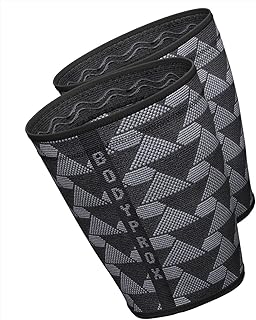
| BLITZU Thigh Compression Sleeve | Hamstring and quad injury rehab | Non-slip silicone grip band | 4.3/5 |
How to Choose Compression Garments for Muscle Support and Recovery
- Compression Level: Match millimeters of mercury (mmHg) ratings to your needs, selecting 15-20 mmHg for athletic recovery and 20-30 mmHg or higher for post-surgical or medical edema management.
- Targeted vs. Graduated: Choose graduated compression for circulatory issues and swelling reduction, but opt for targeted panel compression when stabilizing specific joints or muscle groups during rehabilitation.
- Fabric Technology: Evaluate material composition carefully, as semiconductor-infused fabrics increase blood flow through body heat activation while traditional nylon-spandex blends provide mechanical structural support.
- Sizing Accuracy: Measure limb circumference at multiple points rather than relying on clothing size, because improper sizing renders compression ineffective or dangerously restrictive to blood flow.
- Intended Activity: Verify the garment is rated for your specific use case, as post-surgical bodysuits are unsuitable for dynamic movement and athletic sleeves may not provide adequate pressure for lymphedema treatment.
The Best Compression Garments for Muscle Support and Recovery Reviewed
Best Overall: CW-X Women’s Endurance Generator Mid Rise Compression Shorts
These shorts feature a patented support web that mimics kinesiology taping to stabilize hip, knee, and core muscles during active recovery sessions. They are ideal for female athletes returning to training after injury who need structural joint support without sacrificing range of motion.
Best Budget: BLITZU Calf Compression Sleeves
Offering effective graduated compression at an accessible price point, these footless sleeves alleviate shin splints and calf tightness without interfering with footwear choices. They suit runners, nurses, and travelers seeking reliable daily wear compression without premium pricing.
Best Premium: MARENA FCBHRS Short Length Female Curves Post-Surgical Compression Bodysuit
This medical-grade bodysuit provides comprehensive torso and upper thigh compression with adjustable closures designed specifically for post-liposuction or tummy tuck recovery. It is best for surgical patients requiring precise, customizable fit adjustments as swelling decreases over weeks of healing.
Best for Chronic Inflammation: Incrediwear Leg Sleeve 2pk
Utilizing semiconductor technology embedded in the fabric, these full-length sleeves increase circulation through body heat activation rather than mechanical pressure alone. They are recommended for individuals managing chronic arthritis, tendonitis, or persistent leg swelling who find traditional compression uncomfortable.
Best for Thigh Rehabilitation: BLITZU Thigh Compression Sleeve
This targeted wrap delivers focused compression to the hamstring, quad, and groin area with a non-slip silicone band that stays positioned during movement. It serves athletes recovering from muscle strains or tears who need localized support without committing to full-leg compression garments.
Frequently Asked Questions
How many hours per day should I wear compression garments?
Athletic recovery sleeves can typically be worn 8-12 hours daily, while post-surgical garments often require 23-hour wear for the first several weeks as directed by your surgeon. Always remove compression during sleep unless specifically instructed otherwise by a medical professional.
Can I exercise in post-surgical compression garments?
Most post-surgical garments like the MARENA bodysuit are designed for rest and limited mobility rather than dynamic exercise. Transition to athletic-specific compression wear only after receiving clearance from your healthcare provider, typically 4-6 weeks post-operation.
What is the difference between graduated and targeted compression?
Graduated compression applies highest pressure at the extremity and decreases proximally to promote venous return, making it ideal for swelling and circulation. Targeted compression applies uniform or zone-specific pressure to stabilize muscles and joints, better suited for injury prevention and structural support during activity.
How do I know if my compression garment fits correctly?
Properly fitted compression should feel snug but not painful, with no visible skin bulging above or below the garment edges. If you experience numbness, tingling, discoloration, or difficulty breathing, the garment is too tight and requires immediate removal and resizing.
Final Thoughts
Selecting the right compression garment depends entirely on your specific recovery context, with the CW-X Endurance Generator Shorts excelling for active athletes, the BLITZU Calf Sleeves providing exceptional value for general lower leg support, and the MARENA Post-Surgical Bodysuit delivering medical-grade precision for post-operative care. Prioritize accurate sizing and appropriate compression levels over brand recognition to achieve meaningful therapeutic outcomes.