Key takeaways
- Type and Thickness: For maximal support on heavy squats and deadlifts, a 10mm or 13mm leather belt is ideal. Nylon belts with velcro closures are better suited for functional fitness and lighter training where mobility and quick transitions matter.
- Buckle Mechanism: Lever buckles offer the most rigid, consistent fit and are easy to tighten solo. Prong buckles are classic and reliable but harder to adjust between sizes. Self-locking velcro systems provide convenience and speed for high-intensity workouts.
- Width and Coverage: A uniform 4-inch width is the standard for most lifters and is allowed in most powerlifting federations. Wider 6-inch belts offer more surface contact and lumbar coverage, which some lifters prefer for squats but may find restrictive for deadlifts.
- Sizing and Fit: Always check the manufacturer’s sizing chart and measure your waist at the level where the belt will sit, not your pants size. Belts that are too large or too small will not provide adequate pressure and can shift mid-lift.
- Training Purpose: Match the belt to your primary training style. Powerlifters benefit from thick lever belts, CrossFit athletes need quick-release nylon belts, and lifters focused on weighted dips and pull-ups should consider a dedicated dip belt with a chain attachment.
What's inside
A lifting belt is one of the few pieces of gear that can genuinely improve your performance under heavy load. But finding the right one for squats and deadlifts is harder than it should be. The market is flooded with options ranging from thin nylon velcro belts to thick leather lever belts, and choosing the wrong style can mean poor support, discomfort, or a belt that sits in your gym bag unused. Lifters also have to navigate sizing inconsistencies, buckle types, and conflicting advice about belt width and thickness.
This guide breaks down the best lifting belts for squats and deadlifts available right now. Whether you need maximum intra-abdominal pressure for heavy compound lifts, a quick-release belt for functional fitness, or a specialized dip belt for weighted work, the recommendations below cover every training style. Each pick has been evaluated on build quality, support level, buckle mechanism, and value so you can make a confident choice.
As an Amazon Associate we earn from qualifying purchases.




🛒 Best Price Today on Amazon
Prime members get fast, free shipping on everything above, plus member-only deals. New members get a 30-day free trial — cancel anytime.
How to Choose a Lifting Belt for Squats and Deadlifts
- Type and Thickness: For maximal support on heavy squats and deadlifts, a 10mm or 13mm leather belt is ideal. Nylon belts with velcro closures are better suited for functional fitness and lighter training where mobility and quick transitions matter.
- Buckle Mechanism: Lever buckles offer the most rigid, consistent fit and are easy to tighten solo. Prong buckles are classic and reliable but harder to adjust between sizes. Self-locking velcro systems provide convenience and speed for high-intensity workouts.
- Width and Coverage: A uniform 4-inch width is the standard for most lifters and is allowed in most powerlifting federations. Wider 6-inch belts offer more surface contact and lumbar coverage, which some lifters prefer for squats but may find restrictive for deadlifts.
- Sizing and Fit: Always check the manufacturer’s sizing chart and measure your waist at the level where the belt will sit, not your pants size. Belts that are too large or too small will not provide adequate pressure and can shift mid-lift.
- Training Purpose: Match the belt to your primary training style. Powerlifters benefit from thick lever belts, CrossFit athletes need quick-release nylon belts, and lifters focused on weighted dips and pull-ups should consider a dedicated dip belt with a chain attachment.
The Best Lifting Belts for Squats and Deadlifts Reviewed
Element 26 Self-Locking Weight Lifting Belt
This 4-inch nylon belt features a quick-locking velcro system that delivers excellent support for squats, deadlifts, and cross-training. It is competition-legal, easy to adjust on the fly, and consistently rated as one of the best values for lifters who want both convenience and rigidity without the hassle of a leather belt.
Anime Weight Lifting Lever Belt
A 10mm premium leather lever belt built for serious powerlifting, this option provides maximum intra-abdominal pressure for heavy squats and deadlifts. The heavy-duty lever mechanism keeps the belt locked in place rep after rep, and the leather construction holds up well over years of heavy training.
RitFit Weight Lifting Belt 6 Inch
This 6-inch padded belt offers generous lumbar support and a self-locking closure system that is beginner-friendly and comfortable. It is an excellent choice for lifters who want broad back coverage during squats and lunges, though the extra width may feel bulky during deadlifts.
Dark Iron Fitness Genuine Leather Weightlifting Belt
This 4-inch genuine leather belt uses a double-prong buckle with reinforced stitching for a secure, traditional fit. It provides solid core support for powerlifting movements and is a dependable option for lifters who prefer the classic prong design over a lever mechanism.
Seektop Dip Belt With Chain
Purpose-built for weighted dips, pull-ups, and squats, this neoprene dip belt includes a heavy-duty chain attachment. It is not a traditional lifting belt but fills an important niche for lifters who want to progress their bodyweight exercises with added resistance comfortably and securely.
Frequently Asked Questions
Do I really need a lifting belt for squats and deadlifts?
A belt is not mandatory, but it helps you generate more intra-abdominal pressure, which stabilizes your spine and can improve performance on heavy lifts. Many lifters find they can move more weight safely with a belt, especially on working sets above 80 percent of their one-rep max.
What thickness should I choose for a leather belt?
For most lifters, 10mm is the sweet spot because it is stiff enough for heavy support but breaks in faster than 13mm. Experienced powerlifters who want maximum rigidity often prefer 13mm, though it takes longer to conform to your body and can be uncomfortable for lighter or smaller lifters.
Can I use the same belt for squats and deadlifts?
Yes. A 4-inch lever or prong leather belt works well for both movements. Some deadlifters prefer a slightly narrower belt or one that sits higher on the torso to avoid rib discomfort, but most standard belts perform well across both lifts.
How do I know what size to order?
Measure your waist at the level where the belt will sit, which is typically around the navel. Do not rely on your pants size. Check each manufacturer’s specific sizing chart, and if you are between sizes, consider where you expect your weight to trend and whether you will be wearing the belt over a shirt.
Final Thoughts
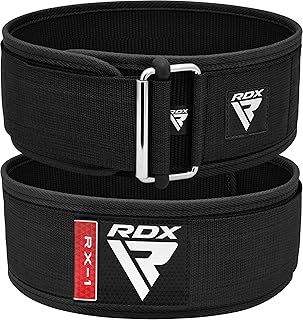
For most lifters, the Element 26 Self-Locking Belt offers the best balance of support, convenience, and value for squats and deadlifts. If you are chasing maximal strength in powerlifting, the Anime 10mm Lever Belt is a top-tier upgrade. And for athletes who need quick transitions across functional fitness and heavy lifts, the RDX Auto Lock Belt remains a standout, versatile choice.