Key takeaways
- Generous drum handles full washer loads including bedding and towels
- Front-loading layout simplifies transfers and lint-trap access
- Lacks smart connectivity or app-based cycle adjustments
Buying a dryer that actually handles your household’s laundry volume is deceptively hard. Drum capacity labels tell you one thing, but real-world performance depends on airflow design, moisture detection accuracy, and whether the machine can dry a full washer load in a single cycle without leaving damp patches in the middle of a stacked pile of towels. The best large capacity dryers in 2026 solve this problem by pairing generous drum space with sensor-driven controls that stop the cycle the moment clothes are dry rather than relying on a timer that either under-dries or over-dries everything.
The gap between a well-executed large-capacity model and a mediocre one shows up in cycle duration, fabric wear over time, and energy bills. A dryer with a smart sensor system and balanced heat distribution will finish a king-size comforter load without the intermediate restart that owners of lower-tier machines frequently report in reviews. On the other end of the price scale, compact and portable options can still deliver usable results for small households, but they trade drum volume for convenience and flexibility. We compared published specs, listed prices, and recurring owner feedback across these eight options to identify which machines deliver on their capacity claims and which ones leave you running a second cycle.
Our top picks



As an Amazon Associate we earn from qualifying purchases at no extra cost to you. Ratings are shown as listed on Amazon.
Quick Picks
| Product | Best for | Price |
|---|---|---|
| Kenmore 7.0 Front Load Electric Dryer | Large families needing dependable electric capacity | $849.99 |
| Auertech 3.6 Large Capacity Dryer | Compact dryers with the most drying modes | $409.99 |
| Samsung 7.2 Top Load with Sensor Dry | Best sensor drying at a mid-range price | $549.12 |
| BLACK+DECKER BCED37 Portable Dryer | Small spaces and 120V plug-in setups | $399.99 |
| Kenmore 8.0 Front Load Electric Dryer | The absolute largest loads without going commercial | $999.99 |
| Temprium 3.5 with LED Control | Compact dryers with a modern control panel | $339.99 |
| Temprium 3.5 Portable Dryer | The lowest entry price on this list | $299.99 |
| Samsung 7.5 Smart Gas Dryer | Homes with gas hookups and smart features | $849.99 |
How We Picked
Four criteria shaped our selections for this roundup. First, usable drum capacity relative to the price — a large-capacity claim only matters if the machine actually dries a full washer load in one pass. Second, the drying control method: sensor-based models that adjust cycle length automatically consistently earn better owner ratings than timed-cycle machines that leave damp items or over-dry delicate fabrics. Third, energy source compatibility — electric models with standard 240V hookups, 120V portables, and gas units each serve different household setups, and we made sure to include options for all three. Fourth, long-term owner satisfaction patterns including noise, reliability, and parts availability mentioned across review platforms.
The 8 Best Large Capacity Dryers in 2026
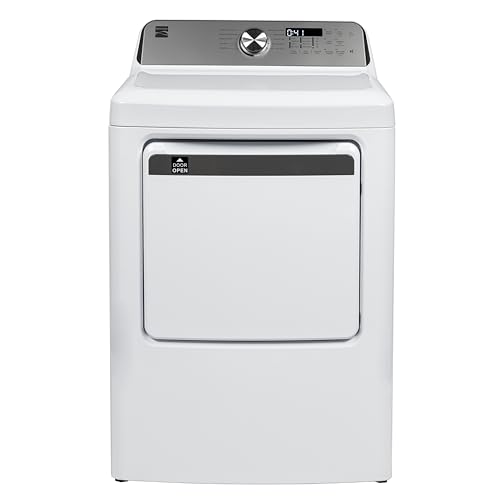
1. Kenmore 7.0 Front Load Electric Dryer
Kenmore’s 7.0 cubic foot model is built for households that wash three or more loads per week and need a dryer that keeps pace without requiring a second pass on heavy items. The front-loading design makes it easier to transfer clothes from a matching washer, and the drum is wide enough to spread bulky items rather than clumping them into a damp pile. Owners consistently praise the even drying and straightforward controls.
- Generous drum handles full washer loads including bedding and towels
- Front-loading layout simplifies transfers and lint-trap access
- Lacks smart connectivity or app-based cycle adjustments
Skip this if you need Wi-Fi diagnostics or if your laundry space only fits a top-loader. It is the right choice when you want proven capacity without paying for features you will never open.
2. Auertech 3.6 Large Capacity Dryer
The Auertech earns its place here because it packs 12 drying modes into a compact 3.6 cubic foot frame at a price well below traditional large-capacity machines. The stainless steel tub resists odor and corrosion, and the LED control panel keeps cycle selection intuitive. For apartment dwellers or families of two or three, this model covers daily loads efficiently. Owners highlight the variety of fabric-specific settings as a standout for the price.
- More drying modes than most competitors in its price bracket
- Stainless steel tub outlasts painted alternatives over years of use
- 3.6 cubic feet will not accommodate king-size comforters in one cycle
Skip this if your household regularly dries oversized bedding or if you want a dryer that can match a high-efficiency front-load washer in one pass.
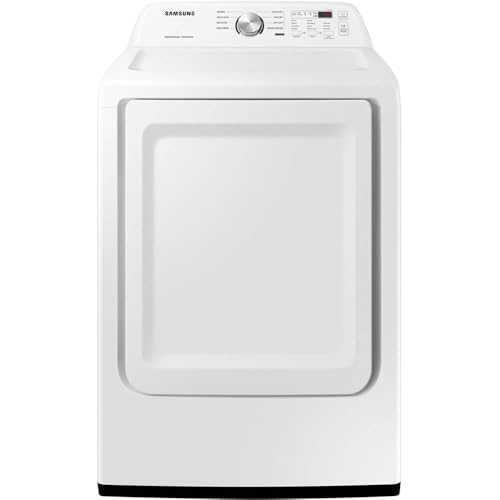
3. Samsung 7.2 Top Load Electric Dryer with Sensor Dry
Samsung’s Sensor Dry technology is the headline feature here: moisture sensors detect when clothes are dry and terminate the cycle, eliminating the guesswork that plagues timer-based models. At 7.2 cubic feet, the drum handles heavy family loads, and the $549.12 price undercuts several similarly sized competitors. Owners report shorter run times and less fabric stiffening compared to machines without sensors. The top-loading configuration suits people who prefer that ergonomics.
- Sensor-based cycle ending reduces over-drying and energy waste
- Among the best price-per-cubic-foot ratios on this list
- Top-loading requires lifting heavy wet items into an open lid
Skip this if you have mobility concerns that make lifting into a top-loader difficult, or if you already own a front-load washer and want a matching pair.
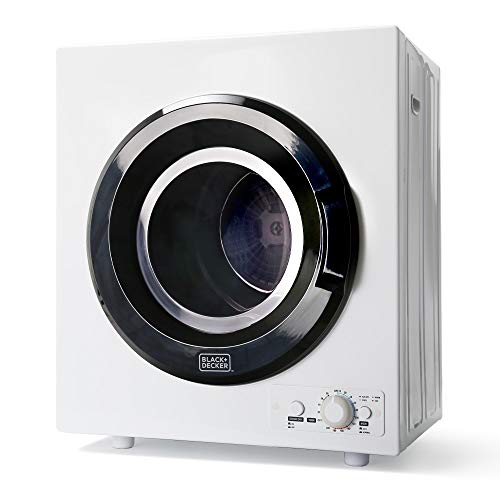
4. BLACK+DECKER BCED37 Portable Dryer
At 3.5 cubic feet and 13.2 pounds of capacity, this unit is not a large-capacity dryer by drum volume — it earns its spot here because it solves the portability problem that larger machines cannot. The 120V plug means no dedicated circuit or gas line is required, and the compact footprint fits in closets, RVs, and small apartments. Owners in transient living situations call it a practical necessity rather than a luxury.
- Plugs into any standard 120V outlet with no installation work
- Light enough to store away or move between rooms
- 13.2 pound capacity means multiple loads for a family
Skip this if your primary need is drying full loads in one cycle. It is the right pick for space-constrained homes where a large drum simply will not fit or connect.
5. Kenmore 8.0 Front Load Electric Dryer
The largest drum on this list, Kenmore’s 8.0 cubic foot model is for households that genuinely need it — think five or more people, weekly comforter loads, or combined washer-dryer cycles that eliminate folding and transferring mid-load. The front-loading design provides excellent lint access and tumble action that spreads heavy items across the drum wall. Owners who upgraded from smaller machines report noticeably fewer second loads.
- Biggest capacity available here without entering commercial territory
- Handles king-size bedding and bulky coats in a single cycle
- Premium price reflects the extra cubic feet
Skip this if your laundry volume does not justify 8 cubic feet. You are paying for capacity you may never fill, and the unit demands significant floor space.
6. Temprium 3.5 with LED Control
Temprium’s 3.5 cubic foot model targets buyers who want a clean, modern control interface in a compact frame. The LED panel displays cycle progress and remaining time clearly, and the overall design avoids the plasticky feel that some budget portables carry. For single occupants or couples in apartments, it dries standard loads without a dedicated 240V circuit. Reviewers note it feels solid for the price point.
- Crisp LED display and simple controls at an accessible price
- Compact enough for tight laundry nooks and small bathrooms
- Less established brand, so long-term parts availability is uncertain
Skip this if you want the safest bet on warranty service decades out or if you need a drum larger than 3.5 cubic feet.
7. Temprium 3.5 Portable Dryer
At $299.99, this is the lowest-priced option on our list, and Temprium delivers a functional compact dryer without the gimmicks that pad higher-tier models. It handles everyday clothing loads for one or two people and works anywhere a standard outlet exists. The design prioritizes simplicity: fill, select, dry. Owners who need a second dryer for a basement or guest suite call it a practical, affordable solution.
- Most affordable entry point on this entire roundup
- No installation, no dedicated circuit, no gas line required
- Basic feature set with fewer cycle options than pricier competitors
Skip this if you need fabric-specific modes or plan to dry heavier items like towels in quantity. It is the buy-when-budget-is-the-only-constraint option.
8. Samsung 7.5 Smart Gas Dryer
Samsung’s 7.5 cubic foot gas model combines the cost-efficiency of gas heating with smart home connectivity. The app integration allows remote start and cycle monitoring, and gas dryers generally finish loads faster than electric counterparts due to higher BTU output. At the same price as the Kenmore 7.0 electric, this is the pick for homes already plumbed for gas. Owners appreciate the reduced per-load energy cost over time.
- Gas heat typically dries large loads faster than equivalent electric models
- Smart features enable remote monitoring and cycle scheduling
- Requires an existing gas hookup, limiting installation locations
Skip this if your laundry area lacks a gas line or if you prefer the simpler electrical setup. It is the best pick here for gas-equipped homes wanting modern connectivity.
Buying Guide
Matching Drum Capacity to Household Size
Capacity in cubic feet directly correlates to how much wet laundry you can dry in one cycle. As a general rule, each person in a household generates roughly one pound of wet laundry per day, so a family of four produces about 28 pounds weekly. A 7.0 or 8.0 cubic foot drum handles a full load from a standard high-efficiency washer in one pass, while compact models in the 3.5 range serve singles, couples, or anyone splitting loads across multiple cycles. If you regularly dry comforters, winter coats, or large towels, the difference between 3.5 and 7.0 cubic feet is not academic — it determines whether one cycle suffices or you run two.
Sensor Drying vs. Timed Cycles
Moisture sensors represent the single biggest performance upgrade in a dryer at any capacity level. Timer-based machines run for a preset duration regardless of actual dampness, which means heavier items may emerge still wet while lighter ones are over-dried and stiffened. Sensor models like the Samsung 7.2 read the moisture content inside the drum and end the cycle when everything is dry. The practical benefits are reduced energy use, less fabric wear over the life of the machine, and fewer “oops” moments where you pull out damp socks and restart a 40-minute cycle. If a dryer in your budget range offers sensors and a comparable one does not, the sensor model almost always justifies the price difference.
Electric, Gas, and Voltage Compatibility
Standard electric dryers require a 240V dedicated circuit — check your laundry area before purchasing, because adding one after the fact is an electrician’s job and not a small expense. Gas dryers need a gas line and proper venting but generally run cheaper per load over time and dry faster due to higher heat output. Portable models like the BLACK+DECKER and Temprium units use a standard 120V outlet, which eliminates installation entirely but limits their capacity and heating power. Match your dryer to what your home already provides rather than assuming you can retrofit. The gas models on this list will only work where a line already exists.
Our Verdict
The Samsung 7.2 with Sensor Dry is our top pick overall. It delivers the largest drum capacity in the mid-range price bracket, the moisture-sensing technology that eliminates guesswork, and a price well below comparable front-load options. The Temprium 3.5 Portable Dryer is our budget pick at $299.99 for anyone who simply needs a functional, plug-in solution without premium features. However, if your household numbers five or more and regularly dries oversized bedding, the Kenmore 8.0 justifies its premium price because no other machine on this list handles that volume in a single cycle as comfortably.
FAQ
What size dryer do I need for a family of four?
A 7.0 to 8.0 cubic foot drum is the right range for a family of four, as it handles full loads from a matching high-efficiency washer without splitting. If your household includes bulky items like comforters or if laundry piles grow quickly during busy weeks, lean toward the larger end of that range to avoid running multiple cycles.
Are portable dryers actually effective for regular use?
Portable 120V dryers work well for single occupants, couples, or anyone with lighter laundry volumes, but they take longer per cycle and cannot handle heavy items like thick towels in quantity. They are best as a primary machine in small spaces or as a secondary unit in homes that need occasional additional capacity without installing a full-size appliance.
Is gas or electric better for a large capacity dryer?
Gas dryers heat faster, which translates to shorter cycle times on large loads and lower per-load operating costs in most utility markets. The tradeoff is that gas hookups add installation complexity and are not available everywhere. Electric models are simpler to install where a 240V circuit already exists and offer comparable capacity options at competitive prices.
How does sensor drying extend the life of my clothes?
Sensors stop the cycle at the correct moisture level rather than running a fixed timer, which prevents the over-drying that breaks down elastic, fades colors, and stiffens fibers over repeated loads. This is particularly noticeable on synthetic activewear and delicate knits that suffer the most from excess heat and tumble time.