Key takeaways
- Compression level: 15-20 mmHg suits everyday wear and light activity; 20-30 mmHg delivers stronger support and recovery benefits favored by serious runners.
- Coverage: Full-calf socks support the calf muscle and improve circulation up the leg; ankle-length socks target arch and heel support for plantar fasciitis.
- Graduated design: True graduated compression is tightest at the ankle and eases up the leg, which is what actually promotes blood return.
- Cushioning and material: Moisture-wicking fabric and targeted cushioning at the heel and ball keep long runs comfortable and blister-free.
- Fit and sizing: Compression only works if sized right; measure your calf and shoe size and follow the chart to avoid a pair that slips or pinches.
Compression socks have moved from the medical aisle to the running store for good reason: graduated compression improves blood flow, reduces muscle vibration, and can speed recovery after hard training. For runners and athletes, the right pair supports the calf and arch during a long run and helps flush the legs afterward. The wrong pair either squeezes too little to matter or is too tight to wear comfortably.
This roundup covers the best compression socks for runners and athletes in 2026, spanning full-calf 20-30 mmHg options, cushioned ankle socks, and copper-infused designs. We focus on compression level, targeted support for issues like plantar fasciitis, and comfort over long miles so you can find the pair that fits your training.
Our top picks




As an Amazon Associate we earn from qualifying purchases at no extra cost to you. Ratings are shown as listed on Amazon.
⚡ Save on Your Next PC — Amazon Prime
Prime members get fast free shipping on the systems above, plus early access to Prime Day & Black Friday PC deals. New members get a 30-day free trial.
Watch: Best Compression Socks for Runners and Athletes — Video Review
How to Choose
- Compression level: 15-20 mmHg suits everyday wear and light activity; 20-30 mmHg delivers stronger support and recovery benefits favored by serious runners.
- Coverage: Full-calf socks support the calf muscle and improve circulation up the leg; ankle-length socks target arch and heel support for plantar fasciitis.
- Graduated design: True graduated compression is tightest at the ankle and eases up the leg, which is what actually promotes blood return.
- Cushioning and material: Moisture-wicking fabric and targeted cushioning at the heel and ball keep long runs comfortable and blister-free.
- Fit and sizing: Compression only works if sized right; measure your calf and shoe size and follow the chart to avoid a pair that slips or pinches.
The Best Picks Reviewed
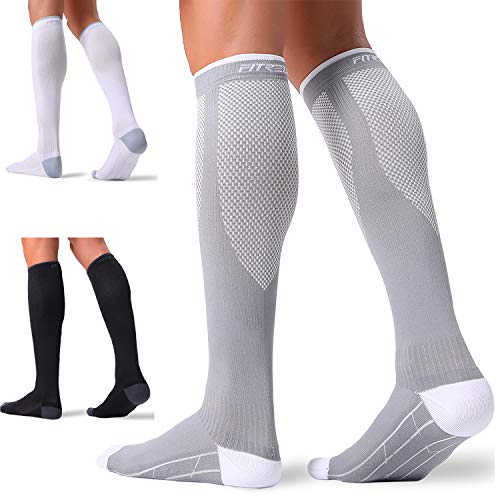
FITRELL 3 Pairs Compression Socks 20-30mmHg
The FITRELL 3-pack is the best value for serious runners. The 20-30 mmHg graduated compression supports circulation and muscle recovery during and after training, and getting three pairs means you always have a clean set. A dependable full-calf option for anyone wanting genuine recovery-grade compression.
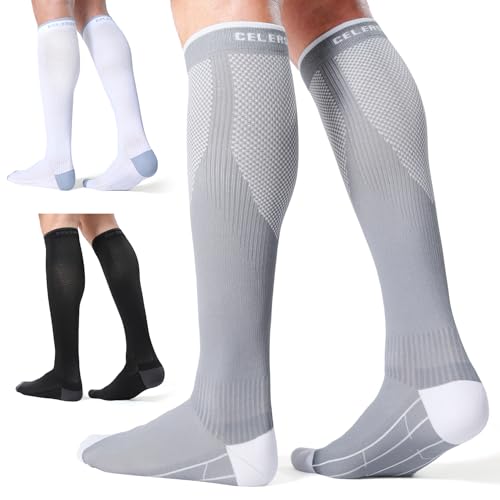
CS CELERSPORT 3 Pairs Compression Socks
Another strong multipack, the CELERSPORT socks combine solid compression with cushioned, athletic-friendly construction. They wear comfortably through long runs and hard sessions, and the three-pair value makes them easy to rotate through a training week.
IRAMY Ankle Compression Socks for Plantar Fasciitis Relief
If arch and heel pain is your issue, the IRAMY ankle-length socks target plantar fasciitis with focused compression and cushioning under the foot. The lower-cut design suits athletes who want targeted foot support without full-calf coverage, ideal for gym work and shorter runs.
Aoliks Copper Ankle Compression Socks with Arch Support
The Aoliks copper-infused ankle socks pair arch support with the moisture-managing properties copper fabric is known for. They are a comfortable choice for runners dealing with plantar fasciitis who also want odor control during high-sweat sessions.
CWVLC Unisex Cushioned Compression Athletic Ankle Socks, 6-Pack
For everyday athletic use, the CWVLC 6-pack delivers cushioned ankle compression at an unbeatable per-pair price. The generous cushioning suits daily training and casual wear, and having six pairs means laundry day never leaves you without support.
Frequently Asked Questions
What compression level do runners need?
Most runners benefit from 20-30 mmHg for training and recovery, offering firm graduated support. 15-20 mmHg is fine for everyday wear and lighter activity or those new to compression.
Do compression socks actually help performance?
Evidence is strongest for recovery, reduced muscle soreness and vibration, and improved circulation after exercise. Performance benefits during a run are smaller but many athletes report feeling more supported.
Full-calf or ankle compression socks?
Full-calf socks support the calf muscle and circulation up the leg, best for long runs and recovery. Ankle socks target arch and heel support, ideal for plantar fasciitis and gym training.
Can I wear compression socks all day?
Yes, moderate 15-20 mmHg socks are comfortable for all-day wear and can help if you stand a lot. For higher 20-30 mmHg compression, most people wear them during and after activity.
Final Thoughts
For runners wanting real recovery benefits, a 20-30 mmHg multipack like the FITRELL or CELERSPORT is the smart buy, giving you graduated support and a clean pair for every session. If plantar fasciitis is your concern, target the foot with ankle socks like the IRAMY or copper-infused Aoliks, and for cushioned everyday wear the CWVLC 6-pack is hard to beat on value. Match the compression level and coverage to your training, and your legs recover faster mile after mile.