Key takeaways
- Diameter and Thickness: Ropes typically come in 1.26″, 1.5″, and 2″ diameters. A 1.5″ rope is the sweet spot for most athletes, offering a balance of grip challenge and workout intensity. Beginners should lean toward 1.26″, while advanced users seeking maximum power output may prefer 2″.
- Length: Longer ropes allow for greater wave amplitude and more dynamic movements. A 30-foot rope is standard for home gyms and provides enough slack for full-range conditioning. If space is limited, consider a cordless option that delivers similar resistance without requiring anchor distance.
- Material and Durability: Look for tightly braided polyester or nylon with heat-shrunk end caps. A protective sleeve near the anchor point prevents fraying from friction. Avoid ropes with cheap rubber handles that can slip or degrade under heavy use.
- Anchor System: A quality rope should include an anchor strap kit or at least be compatible with one. This allows you to secure the rope to a post, tree, or wall mount without damaging the rope or your property. Without a proper anchor, you risk inconsistent tension and premature wear.
- Portability and Storage: If you plan to train outdoors or travel with your rope, weight and coiled size matter. Cordless weighted options are ideal for on-the-go conditioning, while traditional ropes should coil compactly and include a carry strap for transport between workout locations.
What's inside
Finding the right battle rope for your conditioning workouts can be frustrating. With so many options on the market—varying in thickness, length, material, and accessories—it’s easy to end up with a rope that’s too light to challenge you, too heavy to maneuver, or poorly constructed and fraying within weeks. Whether you’re building a home gym, upgrading your current setup, or looking for a portable conditioning tool, choosing the wrong rope can stall your progress and waste your money.
This guide cuts through the noise to help you find the best battle ropes for conditioning workouts. We’ve examined the top options across categories—from traditional heavy ropes to innovative cordless designs and even training aids—evaluating durability, grip comfort, and overall value. Below, you’ll find our recommendations and a straightforward buying guide to ensure you get the right rope for your fitness goals and space constraints.
As an Amazon Associate we earn from qualifying purchases at no extra cost to you. Product prices and availability are accurate as of the date shown and are subject to change.




🛒 Best Price Today on Amazon
Prime members get fast, free shipping on everything above, plus member-only deals. New members get a 30-day free trial — cancel anytime.
How to Choose a Battle Ropes for Conditioning Workouts
- Diameter and Thickness: Ropes typically come in 1.26″, 1.5″, and 2″ diameters. A 1.5″ rope is the sweet spot for most athletes, offering a balance of grip challenge and workout intensity. Beginners should lean toward 1.26″, while advanced users seeking maximum power output may prefer 2″.
- Length: Longer ropes allow for greater wave amplitude and more dynamic movements. A 30-foot rope is standard for home gyms and provides enough slack for full-range conditioning. If space is limited, consider a cordless option that delivers similar resistance without requiring anchor distance.
- Material and Durability: Look for tightly braided polyester or nylon with heat-shrunk end caps. A protective sleeve near the anchor point prevents fraying from friction. Avoid ropes with cheap rubber handles that can slip or degrade under heavy use.
- Anchor System: A quality rope should include an anchor strap kit or at least be compatible with one. This allows you to secure the rope to a post, tree, or wall mount without damaging the rope or your property. Without a proper anchor, you risk inconsistent tension and premature wear.
- Portability and Storage: If you plan to train outdoors or travel with your rope, weight and coiled size matter. Cordless weighted options are ideal for on-the-go conditioning, while traditional ropes should coil compactly and include a carry strap for transport between workout locations.
The Best Battle Ropes for Conditioning Workouts Reviewed
Amazon Basics Battle Rope
This rope delivers reliable construction and a solid grip at a budget-friendly price, making it an excellent entry point for home gym conditioning workouts without sacrificing core quality.
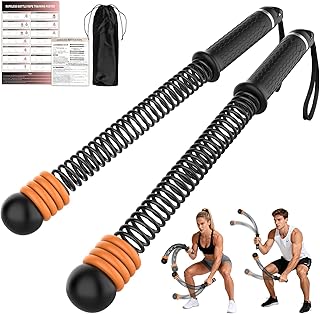
Cordless Battle Rope
For athletes tight on space or who train on the road, this cordless weighted option replicates the resistance and metabolic demand of traditional ropes without needing an anchor point.
1.5 Inch 30ft Battle Rope with Kit
The 1.5-inch diameter strikes the ideal balance between grip strength challenge and high-intensity conditioning, while the included sleeve and anchor strap kit make it ready for indoor or outdoor sessions.
1.26 Inch 30ft Battle Rope with Kit
With a slightly thinner profile, this rope is perfect for beginners or those with smaller hands, offering smooth transitions and sustained conditioning circuits without overwhelming the forearms.
Battle Rope Exercise Cards
Not a rope at all but a powerful companion tool, this 62-card deck provides illustrated exercise guidance that adds structure, variety, and progressive challenge to any battle rope conditioning routine.
Frequently Asked Questions
What thickness battle rope is best for beginners?
Beginners should start with a 1.26-inch diameter rope. It allows for a more manageable grip, faster wave speeds, and better technique development before progressing to thicker, heavier options.
How long should a conditioning battle rope be?
For most home gym users, a 30-foot rope is ideal. It provides sufficient length for full-range waves and slams without requiring excessive space. Longer ropes of 40 or 50 feet are better suited for commercial gym settings or outdoor use.
Are cordless battle ropes effective for conditioning?
Yes. Cordless battle ropes use weighted handles to create resistance during movements, mimicking the metabolic demand of traditional ropes. They are especially effective when space is limited or when training outdoors where anchoring isn’t practical.
How do I prevent my battle rope from fraying?
Use the included protective sleeve near the anchor point, ensure the anchor is smooth and free of sharp edges, and store the rope coiled and dry. Avoid dragging the rope over rough surfaces like concrete, which accelerates wear.
Final Thoughts
For most athletes, the 1.5 Inch 30ft Battle Rope with Kit offers the best combination of durability, intensity, and value for conditioning workouts. If space is a concern, the Cordless Battle Rope is a standout alternative that delivers similar metabolic training without the footprint. Beginners will appreciate the approachable design of the 1.26 Inch 30ft Battle Rope as they build grip strength and conditioning capacity.