Key takeaways
- Best Overall: BESKAR Foot Massager Roller (portable, deep-tissue style)
- Best Known Brand: THERABAND Foot Roller (massage ball roller)
- Best Value and Beginner Choice: APRELM Foot Roller Set, 2-Pack (Beginner and Enhanced)
- Best Wooden Roller: TheraFlow Wooden Foot Roller
- Best Cold Roll: Kandwin Icing Foot Roller
- Best Premium Electric: Vibit Vibrating Foot Massager
The best roller for foot massage is a firm but forgiving hand-sized roller that you can use under a desk or after a run, and for most people that means the BESKAR Foot Massager Roller for its portability or the THERABAND Foot Roller if you want a known therapy brand with a ball-style roller. If you are sensitive to pressure, the APRELM two-pack with a beginner and an enhanced roller lets you start gently. We did not personally use these products, so specs come from the listings or are marked “not listed”, and nothing here is medical advice.
Your feet carry your weight all day, and a foot roller is one of the cheapest recovery tools you can own. It can feel good after long shifts, runs or gym sessions, and it fits in a gym bag or under a desk. The six rollers below cover plain rollers, wooden rollers, a cold-roll option, a vibrating electric roller and a ball set, with a buying guide that explains firmness, size and how to use them without overdoing it.
Our top picks

 BESKAR Foot Massager Roller for Plantar Fasciitis
- Relieving Plantar Fasciitis: Whether you suffer from plantar…
- Relax Your Feet: The foot roller massager doesn't…
- Foot Ergonomically Designed: This ergonomic design foot massage…


As an Amazon Associate we earn from qualifying purchases at no extra cost to you.
Top Picks at a Glance
- Best Overall: BESKAR Foot Massager Roller (portable, deep-tissue style)
- Best Known Brand: THERABAND Foot Roller (massage ball roller)
- Best Value and Beginner Choice: APRELM Foot Roller Set, 2-Pack (Beginner and Enhanced)
- Best Wooden Roller: TheraFlow Wooden Foot Roller
- Best Cold Roll: Kandwin Icing Foot Roller
- Best Premium Electric: Vibit Vibrating Foot Massager
Comparison Table: Six Rollers for Foot Massage
| Product | Best for | Key specs (from listing) | Watch for | Price tier |
|---|---|---|---|---|
| BESKAR Foot Massager Roller | Desk use, gym bags, daily arch rolling | Portable foot roller; deep tissue and arch focus; several variants | Dimensions and firmness not listed | Budget |
| THERABAND Foot Roller | Arch and heel rolling with a ball-style roller | Massage ball roller from a therapy brand | Size and material not listed in the title | Mid-range |
| APRELM Foot Roller Set (2-Pack) | Trying two firmness levels | Two rollers: Beginner and Enhanced | Specs for each roller not listed | Budget |
| TheraFlow Wooden Foot Roller | Firm, classic rolling on a hard surface | Wooden foot massager roller; acupressure style | Hard feel; not for very tender feet | Budget to mid-range |
| Kandwin Icing Foot Roller | Cold rolling after activity | Cold rolling massage tool; green; heel and arch use | Needs freezing time; confirm care steps | Premium |
| Vibit Vibrating Foot Massager | Users who want electric vibration | Portable electric roller; deep-tissue style | Cost; battery or power details not listed | Premium |
1. BESKAR Foot Massager Roller: Best Overall
- Portable foot roller marketed for arch and deep-tissue rolling
- Sold in several colour variants
- Roller length, diameter and material: not listed in the title we reviewed
- Low cost
Best for: people who want a simple roller they can keep under a desk. Skip if: you want a published firmness rating.
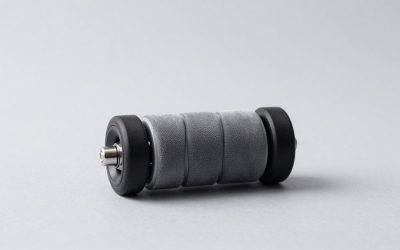
The BESKAR is a straightforward roller. You place your foot on it, roll from heel to toes and back, and let your body weight set the pressure. Because it is small and light, you can use it while sitting at a desk or watching TV. Variants in different colours are sold under the same name, so check the product image to confirm the shape you are buying.
The listing mentions plantar fasciitis in its title, which is a heel pain condition diagnosed by a clinician. A roller is not a treatment for it; if you have persistent heel pain, see a doctor or podiatrist. For general foot fatigue, rolling for one to three minutes per foot is a common routine.
Pros:
- Small and portable
- Low cost
- Easy to use seated
Cons:
- Few published specs
- Firmness unknown
- Many look-alike variants
2. THERABAND Foot Roller: Best Known Brand
- Ball-style massage roller aimed at the arch
- From a physical therapy and exercise brand
- Diameter and material: not listed in the title we reviewed
- Marketed for arch and heel work
Best for: people who want a recognised brand and a ball-style roller. Skip if: you want a long roller to use with both feet.
A ball-style roller is shaped to follow the arch, which makes it easy to apply pressure along the length of the foot. The TheraBand brand is widely used in physical therapy for resistance bands and recovery tools, and its foot roller follows that approach. It is a dependable choice if you want something that feels purposeful and not gimmicky.
Roll slowly from heel to ball of foot, pausing on tender spots for a few seconds. Keep the pressure moderate, since a roller is meant to feel like a firm massage, not a sharp ache.
Pros:
- Recognised therapy brand
- Shape fits the arch
- Mid-range cost
Cons:
- Specs not in the title
- Costs more than basic rollers
- One foot at a time
3. APRELM Foot Roller Set, 2-Pack: Best Value and Beginner Choice
- Two rollers in the pack: a Beginner roller and an Enhanced roller
- Marketed for plantar fasciitis relief, arch and heel use
- Material and firmness numbers: not listed in the title we reviewed
- Low cost
Best for: anyone unsure how firm they like their roller. Skip if: you only want one very firm roller.
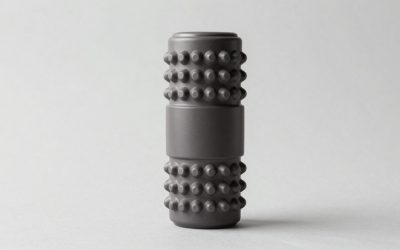
Foot sensitivity varies a great deal. Some people enjoy firm pressure and others flinch at light pressure. A two-pack with a beginner and an enhanced roller solves the guesswork: start with the beginner roller, and move to the enhanced one when your feet adapt. You also get a spare so that one can live at work and one at home.
Because the listing does not describe the difference between the two rollers, expect the enhanced one to be firmer or more textured, and compare them when they arrive. As with all rollers, avoid pressing on bruised or swollen areas.
Pros:
- Two firmness levels
- Low cost
- A spare for work or travel
Cons:
- No numerical firmness
- Limited specs
- Unknown long-term durability
4. TheraFlow Wooden Foot Roller: Best Wooden Roller
- Wooden foot massager roller with an acupressure style
- Marketed for plantar fasciitis and neuropathy pain relief; treat these as marketing terms
- Length and wood type: not listed in the title we reviewed
- Low to mid cost
Best for: people who like a firm, rigid roller with a classic feel. Skip if: your feet are tender or you have reduced sensation.
A wooden roller is a different experience from a foam or rubber one. It does not compress, so the pressure is as firm as you apply it. That suits people who want a strong stretch along the arch and who have tolerant feet. Wood is also easy to wipe clean and tends to last.
The listing mentions neuropathy. If you have numbness, reduced feeling or diabetes, speak to your doctor before using a firm roller, because it is easy to over-press on feet that do not give clear pain feedback.
Pros:
- Firm and durable
- Easy to clean
- Classic design
Cons:
- Hard feel
- Not for sensitive feet
- Specs limited
5. Kandwin Icing Foot Roller: Best Cold Roll
- Cold rolling massage tool for the arch and heel
- Green colour in the listing
- Freezing instructions and capacity: not listed in the title we reviewed
- Higher cost than plain rollers
Best for: people who like cold rolling after runs or long days. Skip if: you only want a basic roller, or if cold is uncomfortable for you.
A cold roller combines massage and a cooling effect. Many people use a frozen water bottle for the same purpose, and a purpose-made roller is a neater version. The cold can feel pleasant on tired feet after exercise. Follow the maker’s freezing instructions and do not apply ice directly to skin for long periods.
Because it needs freezing time, it is a planned-ahead tool, not a grab-and-go one. It is also the highest-priced of the non-electric options, so consider whether you would use the cold feature often.
Pros:
- Cold rolling in a purpose-made tool
- Shaped for arches
- Good for post-activity use
Cons:
- Higher cost
- Needs freezer time
- Details not in the title
6. Vibit Vibrating Foot Massager: Best Premium Electric
- Portable electric vibrating roller for feet
- Marketed for deep-tissue massage; the title also names plantar fasciitis and sciatica
- Vibration speeds, battery or power source: not listed in the title we reviewed
- Premium cost
Best for: people who want electric vibration and a premium tool. Skip if: you want a low-cost roller, or if vibration is uncomfortable.
Vibration changes how a roller feels. For some people it is more comfortable than static pressure, and for others it is not noticeable. The Vibit is the electric option in this guide, so it is the most expensive, and it adds the practical concerns of charging or powering a device. If you use a foot roller every day and enjoy vibration, it may be worth the extra.
If you have a pacemaker, nerve problems, circulation problems or are pregnant, ask your doctor before using a vibrating device. The listing names several conditions, but a roller is a comfort tool, not a treatment.
Pros:
- Electric vibration
- Portable design
- Premium build
Cons:
- High cost
- Power and speed details not in the title
- Not suitable for everyone
Also Consider
Vive Massage Ball Set, 4-Piece
A set of massage balls that can be used hot or cold, useful if you want varied sizes for the feet, calves and back.
VORNNEX Foot Roller or Spiky Balls
A low-cost foot roller and a pack of two spiky balls. The spiky balls give a sharper, more targeted feel.
QLDT Foot Roller Set
A set that includes a foot roller, a lacrosse ball and a spiky ball, handy as a starter bundle.
Body Back Wooden Foot Roller
A wooden roller similar to the TheraFlow, aimed at foot and full-body use.
How We Chose
This guide is research-based. We did not personally use these rollers. We compared listings, stated shapes, materials and uses, and general information from physical therapy and podiatry sources about self-massage of the feet. We chose a mix of plain, wooden, cold and electric rollers to match different preferences and budgets. We limited each brand to one product and used tier words for price.
Listing titles for foot rollers often name medical conditions. We treat those as marketing language and make no treatment claims. If you have persistent heel or arch pain, numbness or swelling, see a doctor or podiatrist.
Buying Guide: How to Choose a Foot Massage Roller
Choose firmness to match your feet
Soft and rubber rollers suit sensitive feet and beginners. Plastic and wooden rollers are firmer and feel more intense. If you are not sure, a two-level set is a safe start.
Shape matters
Ball-style rollers follow the arch. Barrel rollers are more even and good for the full sole. Spiky balls and lacrosse balls give pinpoint pressure for the heel and ball of foot.
Size and portability
| Type | Typical use | Portability | Pressure feel |
|---|---|---|---|
| Small barrel or ball roller | Desk, gym bag, travel | High | Moderate |
| Wooden roller | Home use on a hard floor | Medium | Firm |
| Cold roller | After exercise, with freezing time | Medium | Moderate with cold |
| Electric vibrating roller | Daily use at home | Medium | Adjustable |
| Massage balls | Targeted trigger points | High | Firm to sharp |
Materials and cleaning
Wood and hard plastic wipe clean easily. Rubber and silicone can pick up lint, so rinse them occasionally. If you use a roller barefoot, clean it weekly to avoid odour.
Consider your health
If you have diabetes, neuropathy, reduced sensation, poor circulation, skin problems or an injury, ask your doctor before using a foot roller. Firm rollers can be too much for feet that do not send clear pain signals.
How to Use a Foot Roller: A Simple Routine
- Sit in a chair with your foot flat on the roller.
- Roll slowly from the heel to the ball of the foot and back for 30 seconds.
- Press gently on tender spots for 5 to 10 seconds and breathe slowly.
- Repeat for 1 to 3 minutes per foot, and finish by wiggling your toes.
- Stand and roll with more weight only if it feels comfortable.
These timings are common guidelines, not medical advice. Stop if you feel sharp pain, numbness or tingling.
Desk Days, Run Days and Standing Days: Matching a Roller to Your Routine
The right roller often depends on when you will actually use it. A tool that is easy to reach gets used, and one that lives in a closet does not. The table below links common routines to the roller types in this guide. It is a planning aid, not medical advice.
| Your day | What your feet do | Roller that fits | Session length |
|---|---|---|---|
| Desk job, seated most of the day | Little load, stiffness after sitting | Small barrel or ball roller under the desk | 1 to 2 minutes, two or three times a day |
| Standing job (retail, nursing, kitchen) | Long hours on hard floors | Cold roller or wooden roller at home after work | 2 to 3 minutes per foot in the evening |
| Runner or gym-goer | Repeated impact, calf and arch tightness | Firm roller or massage balls after sessions | 2 to 3 minutes per foot after exercise |
| Traveller | Walking in unfamiliar shoes, long flights | Compact roller or ball in a bag | 1 to 2 minutes at the hotel |
| Sensitive or older feet | Low tolerance for pressure | Soft or beginner roller, seated use | 30 to 60 seconds per foot |
If you find that a roller makes your feet feel worse the next day, shorten the session or switch to a softer one. Foot discomfort that continues, or that comes with swelling, redness, numbness or a change in the way you walk, should be looked at by a doctor or podiatrist.
What About Shoes, Stretching and Strength?
A roller is only one part of foot comfort. Supportive footwear that fits well, with room for your toes and a stable heel, is usually the first thing foot specialists recommend. Gentle calf stretches matter because tight calves pull on the heel, and simple foot exercises such as picking up a towel with your toes build the small muscles that support the arch. Rolling before stretching can make the stretches feel easier, and rolling afterwards can feel soothing. If you wear worn-out shoes all day, no roller will make up for that, so replace running shoes after the mileage or age recommended by their makers and consider insoles only after talking to a professional.
Keeping Your Roller Clean and Safe
Rollers that touch bare feet collect sweat, skin oils and dust. Wipe plastic, wood and silicone rollers with a damp cloth and mild soap about once a week, and let them dry before storing. Wooden rollers should not be soaked; a quick wipe is enough. Cold rollers need to be cleaned before they go back in the freezer, and you should always follow the maker’s freezing guidance. Check electric rollers for cable wear or damaged casings, keep them away from water and unplug or switch them off when not in use. Replace any roller that cracks, splinters or develops rough edges, since those can scratch skin.
Common Mistakes
- Pressing too hard. A roller should feel like a firm massage, not pain.
- Rolling over bruised or swollen areas. Wait until they have settled or ask a professional.
- Using a firm roller on numb feet. You may not feel damage.
- Ignoring persistent pain. A roller is not a diagnosis or treatment.
- Using it only when the pain is severe. Short regular sessions are easier on the feet.
Roller or Massage Ball: Which Shape Suits Your Feet?
Some readers wonder whether to choose a barrel-style roller or a massage ball. A roller covers the whole sole in one smooth motion and is easier to control, which makes it a good first choice. A ball, especially a lacrosse ball or a spiky ball, concentrates pressure on a single spot such as the heel or the base of the big toe. That can be useful for stubborn tightness but it can also be too sharp for sensitive feet. If you buy a ball, start with the softer or larger one and use it while seated, with only part of your weight on it. Many people keep both: a roller for general rolling and a ball for occasional spot work.
Foot Comfort Habits That Support Rolling
Rolling feels best when it sits alongside other simple habits. Change shoes during the day if you can, and avoid wearing the same worn pair every day. Stretch your calves and toes gently each morning before you stand on a cold floor. Keep your toenails trimmed and your skin moisturised, and check your feet regularly for sores, blisters or colour changes. If you have diabetes or reduced sensation, check your feet daily and ask your doctor about safe foot-care routines before you start using any massage tool. A roller is a comfort tool that fits into a wider routine, and it does not replace advice from a podiatrist when something hurts.
Frequently Asked Questions
Is a foot roller good for foot massage?
Yes, a roller is an easy way to apply pressure along the arch and sole, and many people find it relaxing. It is a comfort tool and not a replacement for medical care.
How long should I use a foot roller?
One to three minutes per foot, once or twice a day, is a common routine. Stop if you feel sharp pain.
Should I use a roller on a hard or soft surface?
Sit on a chair and roll your foot on the roller on the floor. A hard floor keeps the roller stable. A rug can make it slide.
Are wooden rollers better than rubber?
Wooden rollers feel firmer and last long. Rubber and foam rollers are gentler. Choose based on how sensitive your feet are.
Can I use a frozen water bottle instead of a cold roller?
Many people do. A purpose-made roller is neater and shaped for the arch, but a water bottle works and costs little.
Can a foot roller help with heel pain?
Some people find rolling comfortable, but heel pain can have many causes. See a doctor or podiatrist for diagnosis and advice.
Is a vibrating foot roller worth it?
It depends on preference. Vibration can feel pleasant, but a plain roller does a similar job at lower cost. Check with your doctor if you have a pacemaker or circulation problems.
Which One Should You Buy?
For most people, the BESKAR is a sensible low-cost starting point, and the THERABAND is a good choice if you prefer a known brand. If you are unsure about firmness, the APRELM two-pack gives you two options. Choose the TheraFlow if you like a rigid wooden feel, the Kandwin if you want cold rolling, and the Vibit if you want electric vibration and are willing to pay for it. Keep sessions short, roll slowly and see a professional for ongoing foot pain.
Sources
- BESKAR, THERABAND, APRELM, TheraFlow, Kandwin and Vibit product listings and manufacturer pages
- American Podiatric Medical Association foot health information
- Physical therapy association resources on self-massage
- Published guidance on foot care for people with diabetes or reduced sensation
Last updated: October 2026