Key takeaways
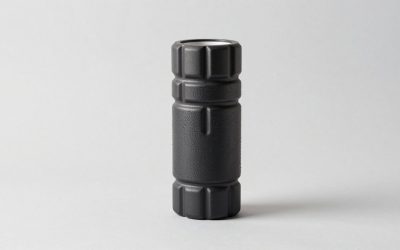
- Best Overall: Rollga Ergonomic Foam Roller – medium density with a spine groove and bumps.
- Best Gentle Full-Length Roller: OPTP PRO-Roller Soft Density (36 x 6 inch) – lie along it for supported, easy pressure.
- Best Back Wheel: GymCope 10 Inch Back Roller – spine-safe groove for arching and stretching.
- Best for Spot Work: 5BILLION FITNESS Peanut Massage Ball – presses on both sides of the spine.
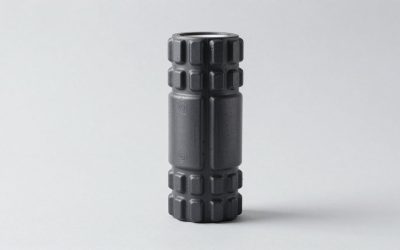
- Best Premium Textured: TriggerPoint Grid 2.0 (26 inch) – firm, multi-density, long enough for the whole back.
- Best Budget: The Original Body Roller – high-density, plain cylinder for back and legs.
The best massage roller for your back is one that supports the muscles on both sides of the spine without pressing on the vertebrae, and the Rollga is the pick that does this most deliberately thanks to its spine groove and bumps. If you want a longer, plainer roller for lying along the spine, the OPTP PRO-Roller Soft (36 inch) is gentler, and a peanut-style ball such as the 5BILLION FITNESS Peanut Massage Ball handles single tender spots. This guide is research-based, built from manufacturer descriptions, listing details and published guidance on self-massage; we did not personally use these products.
Back rolling is where most people get hurt or give up. A hard, narrow roller placed under the lower back lets the spine hyperextend, and the lumbar area has no rib cage to protect it. That is why back-specific tools exist: grooved rollers, wheels and peanut balls are designed to keep pressure on the muscles beside the spine. Read the “Safe Back Rolling” section below before you buy, and talk to a doctor or physical therapist first if you have a disc problem, osteoporosis, a recent injury, or pain that radiates into a leg.
Our top picks


As an Amazon Associate we earn from qualifying purchases at no extra cost to you.
Top Picks at a Glance
- Best Overall: Rollga Ergonomic Foam Roller – medium density with a spine groove and bumps.
- Best Gentle Full-Length Roller: OPTP PRO-Roller Soft Density (36 x 6 inch) – lie along it for supported, easy pressure.
- Best Back Wheel: GymCope 10 Inch Back Roller – spine-safe groove for arching and stretching.
- Best for Spot Work: 5BILLION FITNESS Peanut Massage Ball – presses on both sides of the spine.
- Best Premium Textured: TriggerPoint Grid 2.0 (26 inch) – firm, multi-density, long enough for the whole back.
- Best Budget: The Original Body Roller – high-density, plain cylinder for back and legs.
Comparison Table: Back Rollers and Tools
| Product | Best for | Key specs | Watch for | Price tier |
|---|---|---|---|---|
| Rollga | Upper and mid back with spine protection | Medium density; patented grooves and bumps | Specific length varies by model; check before buying | Mid-range |
| OPTP PRO-Roller Soft | Gentle, supported lying position | 36 x 6 in, soft density foam | Large; soft foam provides less deep pressure | Premium |
| GymCope Back Roller | Arching, stretching, desk workers | 10 in wheel with spine groove | Not a massage tool in the usual sense; different technique | Mid-range |
| 5BILLION Peanut Ball | Spots beside the spine, glutes | Double lacrosse-style ball | Intense, small contact area | Budget |
| TriggerPoint Grid 2.0 | Experienced rollers, firm pressure | 26 in, hollow core, multi-density EVA, 500 lb rating | Firm ridges can feel harsh on thin frames | Premium |
| The Original Body Roller | Plain firm roller on a budget | High-density foam | Dimensions and exact firmness not stated in the title | Budget |
1. Rollga: Best Overall Massage Roller for the Back
- Density: medium, per the listing
- Surface: patented grooves along the center plus bumps on the sides
- Design goal: take pressure off the vertebrae while working the surrounding muscle
- Length and diameter: vary by model, so check the maker’s size chart
- Weight capacity: not listed in the title
Best for: people whose first complaint is upper-back and mid-back tightness from desk work or driving. Skip if: you prefer very firm, deep pressure from a hard grid roller.
The key feature is the groove. When you lie across a standard cylinder, the spine’s bony bumps sit right on top of the hardest part of the roller. The Rollga’s channel lets the spinous processes (the bumps you can feel down your back) sit in a recess so the pressure falls on the long muscles on either side. That is a design aimed at comfort and safety, and it is the main reason we put it at the top for back use.
Medium density is another practical point. It compresses a little under body weight, which makes a first session less likely to leave you bruised. The side bumps provide gentle texture without the harsh edges of a very firm grid.
Pros: spine channel; medium firmness; textured sides; works for lats and glutes too. Cons: mid-range cost; groove does not suit everyone’s rolling style; several sizes to pick from.
2. OPTP PRO-Roller Soft Density (36 x 6): Best Gentle Full-Length Roller
- Size: 36 inches long, 6 inches in diameter, round
- Density: soft (a super-soft version also exists)
- Typical uses: physical therapy, Pilates, yoga and gentle back work, per the maker
- Weight capacity: not listed in the listing title
Best for: people who want to lie along a roller, perhaps with arms open, and let the upper back relax; also good for beginners and older adults. Skip if: you want deep, targeted pressure.
The 36-inch length changes how back work feels. Lying lengthwise, your head, spine and tailbone are all supported, and you can open your arms like a “T” or “W” for a gentle chest stretch at the same time. That positioning is closer to a supported stretch than a massage, and it is why this roller is used in physical therapy and Pilates studios.
Soft density keeps pressure mild. The tradeoff is that you will not get the pinpoint intensity of a firm grid, and a heavier person may sink into it more than a lighter one. If you find regular rollers painful, this is the one to try first.
Pros: supports the whole spine; very beginner friendly; doubles as a yoga and Pilates prop. Cons: premium price for foam; bulky; not for deep tissue work.
3. GymCope 10 Inch Back Roller: Best Back Wheel for Stretching
- Format: 10-inch roller wheel, with a spine-safe groove
- Marketed for: back stretching and trigger-point style pressure
- Material and load rating: not listed in the title
Best for: people who sit for long hours and want to arch gently over a wheel to open the chest and back. Skip if: you have a sensitive back and have not been cleared for extension exercises.
A back roller wheel works differently from a foam roller. You lie or kneel over it and slowly arch while it rolls along the muscles beside the spine. It is more of a stretch-and-pressure tool, and because the movement is back extension, it can be uncomfortable or inappropriate for some people. Start by supporting your head with your hands and use a very small range of motion.
The groove sets this apart from a solid wheel, because it avoids direct pressure on the bones. It is also compact enough to store in a drawer.
Pros: compact; groove protects the spine; useful for desk-based stiffness. Cons: technique matters; extension movements are not for everyone; product details are limited.
4. 5BILLION FITNESS Peanut Massage Ball: Best for Tender Spots Beside the Spine
- Shape: two lacrosse-style balls joined together
- Uses: back, neck base, glutes, feet, per the listing
- Firmness: firm; diameter not listed
Best for: single tender spots along the shoulder blade, beside the spine or in the glutes. Skip if: you want a full-back sweep, which a roller does better.
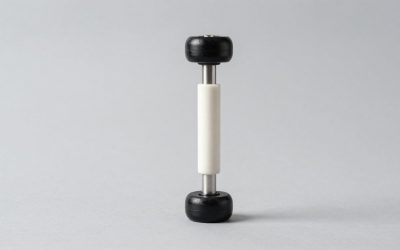
The groove between the balls straddles the spine, so each ball presses the muscle on either side. You can lean against a wall for the upper back (easy to control) or lie on the floor for the lower back and glutes (more intense). Many people find the wall method best for the first week.
Because the contact area is small, the pressure per square inch is high. Move slowly, breathe, and stop if a spot feels sharp rather than dull.
Pros: precise; small and travel friendly; budget price; spine-safe shape. Cons: can bruise if overused; small area per position.
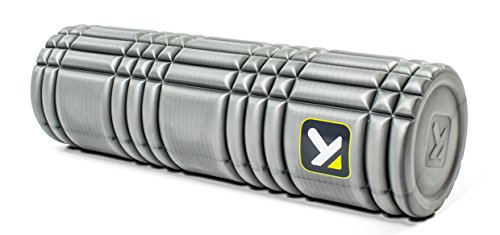
5. TriggerPoint Grid 2.0: Best Premium Textured Roller for the Whole Back
- Length: 26 inches
- Materials: multi-density EVA with a hollow core
- Rating: supports up to 500 lb per the listing
Best for: experienced rollers who want a firm, patterned surface and enough length to cover the full back. Skip if: you are new to rolling or bruise easily.
The multi-density pattern gives variation: firmer ridges with softer channels. At 26 inches, the roller supports the upper back and neck while you roll from the mid-back to the shoulder blades. Cross your arms over your chest to spread the shoulder blades apart and reach deeper along the muscles.
The firmness is the catch. It is a solid roller built for people who like pressure, and many people prefer to start on something softer and work up.
Pros: very durable; long; excellent for upper back; widely used. Cons: premium cost; firm; not ideal for the lower back.
6. The Original Body Roller: Best Budget Option
- Material: high-density foam
- Uses: back and leg muscle massage, per the listing
- Dimensions: not listed in the title
Best for: a no-frills firm roller on a small budget. Skip if: you need exact sizes and a defined firmness level.
A plain cylinder is simple and effective for the upper back and legs, and it is easy to clean. High-density foam is firm but without a patterned surface, so pressure is more evenly spread than on a grid. The downside is that solid foam can compress over time with heavy use, and the lack of a groove means you must watch your positioning on the lower back.
Pros: inexpensive; simple; consistent feel. Cons: no spine relief; may flatten with years of use; limited specs published.
Also Consider
- AMREX Spine Roller: a firm spine roller with a central channel, aimed at lower back work; confirm sizing before buying.
- FITNATION 18 x 6 Foam Roller: a medium-to-firm 18-inch roller for back and legs.
- Deep Recovery Yoga Foam Roller: a lower-cost roller marketed for back, legs and shoulders; choose the length that fits your torso.
Safe Back Rolling: Rules That Matter More Than the Tool
Stay off the lower back with firm rollers
The upper and mid back are protected by the rib cage, so rolling there is much more comfortable. The lumbar spine has no such support. For tightness in the low back, roll the glutes, hips and thighs instead, or use a soft, grooved tool with very little weight.
Support your head and neck
Lie on the roller with your hands behind your head and keep your chin slightly tucked. Do not let your head drop back, and do not roll above the base of your skull.
Keep your core braced and hips low
Keep your hips close to the floor for pressure and lift them for relief. Your core muscles should be lightly engaged so the lower back does not arch.
Move slowly through short passes
A pass is about 3 to 5 inches of travel. Roll for 5 to 8 passes, pause on tender areas for 20 to 30 seconds and breathe.
Know when to stop
Stop for sharp pain, tingling, numbness, or pain that travels into your arms or legs, and ask a clinician.
A Simple Five-Minute Back Routine
Pairing the tool with a routine matters more than choosing between two similar rollers. This sequence works with a standard or grooved roller of 18 inches or longer, and each step has a reason.
- Sit with the roller behind you and lie back. Place it across the middle of your back, just below the shoulder blades. Cross your arms over your chest. Reason: crossing the arms spreads the shoulder blades and moves them off the muscles you want to reach.
- Lift your hips an inch or two and roll up toward the shoulder blades. Take three to five slow passes of 3 to 5 inches. Reason: short passes let you feel where the tender areas are without dragging across the tissue.
- Pause on a tender area and breathe out for 20 to 30 seconds. Reason: muscles tend to give a little more during a slow exhale than when you hold your breath and brace.
- Support your head with your hands, chin slightly tucked, and add a gentle lean to each side. Reason: this reaches the muscles next to the spine one side at a time.
- Finish by lying lengthwise (if the roller is long) with arms open for one minute. Reason: it changes the sensation from pressure to a supported stretch and ends the session on a calm note.
Stay above the bottom of the rib cage. If you want to ease the lower back area, roll the glutes and hips instead (sit on the roller, cross an ankle over the opposite knee, and lean toward the crossed leg).
Sizing and Cost-Per-Use Thinking
Because every product here is sold at a different price tier, a quick way to compare is cost per use. A roller used three times a week for a year is roughly 150 sessions, so even a premium option works out to a small amount per session, while a cheap roller that flattens in three months can end up more expensive per use than a hollow-core model that lasts years. The table below turns this into a rule of thumb that does not rely on exact prices.
| Use per week | Sessions per year | What matters most | Suggested tier |
|---|---|---|---|
| 1 to 2 | 50 to 100 | Comfort and simplicity | Budget or mid-range |
| 3 to 4 | 150 to 200 | Durable core, right length | Mid-range |
| 5 or more | 250 plus | Hollow core or premium build, spare tools | Mid-range to premium |
| Shared household | Varies | Weight rating, easy cleaning | Hollow core with high rating |
For a body-size fit, think about diameter and length together. A smaller person on a 6-inch round roller will have their shoulders raised high and may feel unstable, whereas a taller person on a short 10-inch wheel may feel cramped. If you are under about 5 feet 4 inches, an 18 to 24 inch length is usually stable for the upper back. If you are taller, 24 to 36 inches gives more support for the head and tailbone.
Cleaning and Care
Back rollers pick up sweat and skin oils because you press them against clothing and sometimes bare skin. Wipe EVA or foam rollers with a damp cloth and mild soap after sweaty sessions, let them dry completely, and keep them out of a hot car or direct sun, which can warp foam. Rubber massage balls can be washed with soap and water. Check hollow-core rollers periodically for cracks near the ends. If a roller develops flat spots or the surface feels soft in places it was firm before, replace it.
Back Roller Choice by Situation
| Situation | Choose | Reason |
|---|---|---|
| Desk worker, tight upper back | Rollga or OPTP Soft 36 in | Spine relief and supported posture |
| New to rolling | OPTP Soft or Rollga | Lower pressure, forgiving |
| Sore, specific spot | Peanut ball | Precise, adjustable with a wall |
| Lifter wanting firm pressure | Grid 2.0 | Firm, durable, long |
| Chest and back opening | GymCope wheel | Arch-based stretch |
| Limited budget | Original Body Roller | Simple and firm |
How We Chose
We looked at the back-specific designs shoppers are likely to search for: grooved rollers, full-length soft rollers, wheels, balls and a plain high-density roller. We compared manufacturer descriptions and listing details, then cross-checked what independent physical-therapy and fitness publications recommend for back rolling. We did not personally use these products. If a size, weight or density was not stated in the listing, we wrote “not listed” and suggest you check the maker’s page.
Buying Guide
Length: choose by the area you want to cover
For the upper back, 18 inches is the minimum that feels stable. For the full spine and head support, choose 24 to 36 inches. For small spaces or travel, a 10 to 13 inch tool works for legs and glutes but needs more control for the back.
Density: start softer than you think
Medium or soft is the right start for the back. Firm rollers are for people who have used a roller for months and enjoy strong pressure.
Groove or no groove
A spine channel reduces direct pressure on the vertebrae. If you plan to use the roller for the mid-back often, the groove is worth a modest extra cost.
Diameter
A larger diameter, such as 6 inches, raises you further from the floor and puts less body weight on the roller, which makes it gentler. A 3 to 4 inch diameter is firmer and gives you more intensity.
Floor space and storage
A 36-inch roller needs a place to lie down, plus about 7 feet of floor. A peanut ball fits in a coat pocket.
Frequently Asked Questions
Is a foam roller good for back pain?
Some people find that rolling the upper and mid back feels good and reduces tightness, but it is not a treatment for back pain. If pain is persistent, severe or spreading, speak to a doctor or physical therapist.
Can I roll my lower back?
Be cautious. The lower back lacks rib cage protection, so firm rollers can irritate it. Roll the glutes, hips and thighs instead, or use a soft tool with little weight and get professional advice if you have a history of back problems.
Should the roller go along or across my spine?
Across the spine (perpendicular) is the usual position for upper-back rolling, while lengthwise (parallel) is for supported stretching on a long roller. Avoid rolling along the spine with a hard narrow tool.
How long should a back rolling session last?
Five to ten minutes is enough. Spend about 20 to 30 seconds on tender spots and keep your breathing steady.
What is better for the back, a roller or a ball?
A roller covers a wide area gently, while a peanut ball targets tight spots. Many people use a roller first and a ball for any remaining spots.
Is a soft or firm roller better?
Soft or medium is better for most beginners, and firm suits experienced users who tolerate pressure well.
Can a back roller help posture?
It may feel like it opens up the chest and upper back for a while, but posture depends on habits and strength. Combine rolling with movement breaks and strengthening.
Which One Should You Buy?
Choose the Rollga if you want a roller made for the back, the OPTP Soft 36-inch if you want gentle lengthwise support, and the peanut ball if your trouble is a single spot. Pick the Grid 2.0 only if you are comfortable with firm pressure, and keep the Original Body Roller as the plain budget route. Whichever you choose, keep pressure moderate, avoid the lower back with firm tools, and stop if anything feels sharp.
Sources
- Rollga, OPTP, GymCope, 5BILLION FITNESS and TriggerPoint manufacturer product pages
- American Council on Exercise guidance on foam rolling
- Harvard Health Publishing resources on back care
- Cleveland Clinic information on myofascial release
Last updated: October 2026