Key takeaways
- It reveals patterns that memory misses. People are poor at estimating bedtime, wake time, and the number of awakenings. A tracker gives you a longer record to review.
- It can improve sleep consistency. Seeing a large gap between a 10:30 p.m. bedtime on weekdays and a 1:00 a.m. bedtime on weekends may motivate a more stable schedule.
- It encourages useful experiments. You can compare a week with no caffeine after noon, a cooler bedroom, or a 30-minute wind-down routine without relying only on guesswork.
- It may support better daytime decisions. A poor night can remind you to avoid an overly ambitious workout, schedule a short nap, or leave extra time for morning preparation.
- It is usually less expensive than repeated trial and error. Basic trackers commonly fall in the roughly $50 to $150 range, while still offering enough information for everyday habit changes.
- It can be less disruptive than a phone. Screenless bands and rings let you collect data without placing a glowing display beside your bed.
What's inside
The Short Answer
Yes—sleep tracking is worth it if you will use the information to change a specific habit, such as keeping a steadier bedtime, limiting late caffeine, or making your bedroom darker and cooler. If you are likely to check a daily score, worry about every variation, and change nothing, it is mostly an expensive source of noise.
Sleep trackers are best treated as trend tools, not medical instruments. They can help you notice patterns across several nights, but they cannot reliably explain every restless night or diagnose a sleep disorder. The real value comes from combining the data with how you feel during the day.
As an Amazon Associate we earn from qualifying purchases at no extra cost to you. Product prices and availability are accurate as of the date shown and are subject to change.


What You Actually Get
Most sleep trackers estimate when you fall asleep, wake up, and move between broad sleep stages. Depending on the device, they may also record heart rate, breathing patterns, blood oxygen estimates, skin temperature, movement, and nighttime disturbances. Some provide a readiness or sleep score that turns several measurements into one simplified number.
That sounds precise, but the underlying process is indirect. A wearable typically uses movement and heart-rate patterns to estimate sleep. It does not read your brain waves in the way a clinical sleep study does. “Deep sleep” and “REM sleep” should therefore be understood as educated estimates rather than exact measurements.
The most useful feature is usually not the stage breakdown. It is the record of timing. You may discover that you sleep nearly eight hours on work nights but only five and a half on weekends, or that late workouts, alcohol, travel, or an inconsistent wake time coincide with poorer rest. Those patterns can be genuinely useful because they give you something practical to test.
The buying experience varies considerably. A screenless tracker can be discreet and less distracting at night. A smart ring is small and easy to wear continuously, although fit, comfort, battery life, app quality, and charging routines matter more than the product category. A device priced around $70 to $100 may provide basic sleep and activity summaries, while premium products can cost several hundred dollars and may add subscription fees.
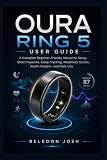
For example, a $99 screenless activity tracker such as the Fitbit Google Air is aimed at people who want passive tracking without a bright watch display. A $69.99 smart ring listing may appeal to shoppers who want sleep, exercise, and daily monitoring without a subscription, with a stated five-day battery life and IP68 water resistance. Those specifications sound attractive, but the app experience and the consistency of the estimates will determine whether either device earns a permanent place in your routine.
Pros
- It reveals patterns that memory misses. People are poor at estimating bedtime, wake time, and the number of awakenings. A tracker gives you a longer record to review.
- It can improve sleep consistency. Seeing a large gap between a 10:30 p.m. bedtime on weekdays and a 1:00 a.m. bedtime on weekends may motivate a more stable schedule.
- It encourages useful experiments. You can compare a week with no caffeine after noon, a cooler bedroom, or a 30-minute wind-down routine without relying only on guesswork.
- It may support better daytime decisions. A poor night can remind you to avoid an overly ambitious workout, schedule a short nap, or leave extra time for morning preparation.
- It is usually less expensive than repeated trial and error. Basic trackers commonly fall in the roughly $50 to $150 range, while still offering enough information for everyday habit changes.
- It can be less disruptive than a phone. Screenless bands and rings let you collect data without placing a glowing display beside your bed.
Cons
- The data is not perfectly accurate. A device may mistake quiet wakefulness for sleep or classify sleep stages incorrectly. A high score does not prove that your sleep was restorative.
- It can create unnecessary anxiety. Some users start chasing an ideal score, checking the app repeatedly, or feeling that a normal imperfect night is a failure. This is sometimes called orthosomnia: becoming overly concerned with measured sleep.
- There is a wearing and charging burden. Even a lightweight ring or screenless tracker must be worn comfortably every night. A device with a five-day battery life still requires regular charging and may lose a night of data if you forget.
- Subscriptions can change the real cost. A low purchase price may not include advanced reports, historical comparisons, coaching, or detailed trends. Check whether the features you care about are included without a monthly fee.
- Comfort is highly personal. Rings can feel tight when fingers swell, while wrist devices may catch on bedding or feel distracting. Water resistance does not automatically mean the device is comfortable in every shower, pool, or hot tub.
- It does not replace medical care. Loud snoring, gasping, witnessed breathing pauses, persistent insomnia, or severe daytime sleepiness deserve discussion with a health professional, regardless of what a wearable reports.
Who Should Buy It
Sleep tracking makes sense for people who enjoy numbers and are willing to look at weekly trends instead of judging one night. It is especially useful if your schedule changes often, you are trying to establish a consistent wake time, or you want feedback while testing a specific habit.
It may also suit shoppers who dislike smartwatches. A screenless tracker or ring can provide passive monitoring without notifications, calls, and workout screens. If you are comparing products, prioritize comfort, return policies, battery life, app clarity, and whether the important features work without a subscription. A device you wear for 20 nights is more valuable than a technically sophisticated tracker abandoned after three.
Use the data conservatively: review it once or twice a week, look for repeated patterns over at least two weeks, and pair it with a simple note about energy, mood, and bedtime. That approach keeps the tracker in its proper role—as a prompt for better decisions.
Who Should Skip It
Skip sleep tracking if sleep numbers tend to make you anxious or perfectionistic. It may also be a poor fit if you already have a reliable bedtime routine and no interest in changing it. In that case, a comfortable mattress, supportive pillow, dark curtains, or a cooler room may deliver more noticeable benefits than another set of statistics.
You should also avoid treating an inexpensive tracker as a diagnostic device. If you suspect sleep apnea, restless legs syndrome, chronic insomnia, or another condition, arrange professional evaluation rather than trying to interpret a consumer sleep score. Conversely, do not dismiss serious symptoms simply because an app says your sleep looks normal.
Cheaper Alternatives
| Option | Cost | Trade-off |
|---|---|---|
| Paper sleep log | $0 to $10 | Tracks bedtime, wake time, and how you feel, but requires consistency and cannot estimate movement or heart rate. |
| Phone alarm plus calendar reminders | $0 | Useful for setting a regular schedule, but offers little insight into what happens after you turn out the lights. |
| Basic screenless activity tracker | About $50 to $100 | Usually less distracting and less expensive than a smartwatch, but may provide fewer on-device controls and limited sleep detail. |
| Entry-level smart ring | About $60 to $150 | Small and discreet, but sizing, comfort, app quality, and battery life can vary widely. |
| Bedroom habit trial | $0 to $50 | Test one change—such as a consistent wake time or no caffeine after lunch—but rely on your own observations rather than automated data. |
FAQ
Is sleep tracking accurate enough to trust?
It is accurate enough for broad trends, such as comparing your sleep timing across several weeks, but not accurate enough to treat every minute or sleep stage as fact. Movement can be mistaken for wakefulness, and stillness can be mistaken for sleep. Use the data to ask better questions, not to make a diagnosis.
What should I look for in a sleep tracker?
Start with comfort and reliability. Look for a battery that lasts at least several nights, an app that clearly shows trends, automatic sleep detection, an easy return policy, and no required subscription if you want to avoid recurring costs. Water resistance, size, and weight matter too, but only in relation to how you sleep and whether you will wear the device consistently.
Do I need a smartwatch for sleep tracking?
No. A screenless band, smart ring, or even a paper log can be enough. Smartwatches may provide richer activity and health features, but their larger cases, notifications, and shorter battery cycles can make nighttime wear less appealing. Choose the least complicated device you will actually use.
Can a tracker tell me why I sleep badly?
Usually not. It may show that poor sleep coincides with a late meal, alcohol, stress, a changing schedule, or a warm bedroom, but it cannot establish the cause on its own. Change one variable at a time and judge the result by both the trend and your daytime energy. If poor sleep continues or includes breathing problems, consult a qualified health professional.
Ultimately, sleep tracking is worth it when it turns vague concerns into small, testable actions. Buy one if you want accountability and can keep the numbers in perspective. Skip it if the data will become another source of pressure. In 2026, the smartest sleep technology is still the tool that helps you build better habits without making bedtime feel like homework.