Key takeaways
- Road Cycling Shoes: These are designed for maximum stiffness and power transfer, featuring smooth soles for efficient pedaling on paved surfaces. They typically use a 3-bolt cleat system. Examples include the Shimano SH-RP101 High Performing All-Rounder Cycling Shoe, which offers excellent all-around performance for road cyclists.
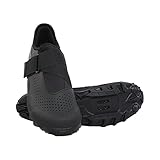
- Mountain Bike (MTB) Shoes: Built for durability and grip, MTB shoes have more aggressive tread patterns on the soles, allowing for easier walking on varied terrain. They commonly use a 2-bolt SPD cleat system, which is recessed for better walkability. The Mens Mountain Bike Shoes with 2-Bolts SPD Cleats are a solid choice for off-road adventures.
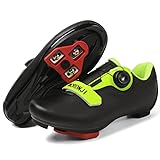
- Indoor/Spin Shoes: These shoes are often versatile and compatible with both common indoor cycling platforms (like Peloton, which uses Delta cleats) and standard SPD cleats for outdoor use. This makes them ideal for cyclists who split their time between the gym and the road. The Unisex Cycling Shoes Compatible with pelaton Indoor Road Bike Riding Shoes and the Kyedoo Unisex Road Bike Cycling Shoes Compatible with Peloton & SPD exemplify this dual-purpose design. The Cycling Shoes, Unisex Delta Cleats Compatible, Indoor Peloton and Outdoor Road Bike Shoes also fall into this category.
What's inside
Choosing the right cycling shoes is a crucial step towards enhancing your comfort, performance, and efficiency on the bike, whether you’re crushing indoor spin classes or tackling challenging off-road trails. Unlike casual athletic shoes, cycling shoes are designed with specific features to optimize power transfer and provide a secure connection to your pedals. This guide will navigate you through the essential considerations, helping you find the perfect pair for your cycling needs in 2026.
From the stiff sole that maximizes energy return to the cleat system that connects you to the bike, every aspect of a cycling shoe plays a role in your ride. We’ll break down the different types, key features to look for, and how to make an informed decision that will have you spinning with confidence.
As an Amazon Associate we earn from qualifying purchases.




⚡ Save on Your Next PC — Amazon Prime
Prime members get fast free shipping on the systems above, plus early access to Prime Day & Black Friday PC deals. New members get a 30-day free trial.
Watch: Cycling Shoes Buyer’s Guide: Cleats and Fit Explained — Video Review
Understanding Cycling Shoe Types
Cycling shoes generally fall into three main categories, each tailored to a specific discipline:
- Road Cycling Shoes: These are designed for maximum stiffness and power transfer, featuring smooth soles for efficient pedaling on paved surfaces. They typically use a 3-bolt cleat system. Examples include the Shimano SH-RP101 High Performing All-Rounder Cycling Shoe, which offers excellent all-around performance for road cyclists.
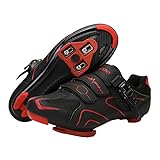
- Mountain Bike (MTB) Shoes: Built for durability and grip, MTB shoes have more aggressive tread patterns on the soles, allowing for easier walking on varied terrain. They commonly use a 2-bolt SPD cleat system, which is recessed for better walkability. The Mens Mountain Bike Shoes with 2-Bolts SPD Cleats are a solid choice for off-road adventures.
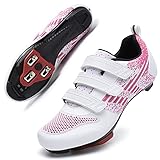
- Indoor/Spin Shoes: These shoes are often versatile and compatible with both common indoor cycling platforms (like Peloton, which uses Delta cleats) and standard SPD cleats for outdoor use. This makes them ideal for cyclists who split their time between the gym and the road. The Unisex Cycling Shoes Compatible with pelaton Indoor Road Bike Riding Shoes and the Kyedoo Unisex Road Bike Cycling Shoes Compatible with Peloton & SPD exemplify this dual-purpose design. The Cycling Shoes, Unisex Delta Cleats Compatible, Indoor Peloton and Outdoor Road Bike Shoes also fall into this category.
Key Features to Consider
Beyond the type of shoe, several features will impact your comfort and performance:
- Stiffness of the Sole: A stiffer sole means more efficient power transfer from your legs to the pedals. Road shoes typically have the stiffest soles, often rated on a scale by manufacturers. For serious road riders, a high stiffness rating is paramount.
- Closure System: Shoes use various systems to secure them to your foot.
- Laces: Offer a classic look and even pressure distribution but can be harder to adjust on the fly.
- Velcro Straps: Easy to adjust quickly, offering a secure fit. Many shoes offer 2-3 straps for customizable tightening.
- Dial Systems (e.g., BOA): Provide micro-adjustments for a precise, secure fit with a simple twist of a dial. This is a popular high-end option.
- Cleat Compatibility: Ensure the shoes are compatible with the cleats on your pedals. Most indoor bikes use Delta cleats, while SPD is common for mountain biking and many hybrid setups. Some shoes are designed for multi-cleat compatibility.
- Fit and Comfort: This is paramount. Cycling shoes should be snug but not constricting. There should be no pinching or rubbing. Try them on with the type of socks you’ll wear for cycling. Consider width options if available; some brands offer wider fits.
- Ventilation: Especially important for longer rides or in warmer climates, good ventilation prevents your feet from overheating. Look for mesh panels and ample perforations.
Cleats: The Crucial Connection
Cleats are the small metal or plastic pieces that attach to the bottom of your cycling shoes and engage with your pedals. They allow for a clipped-in connection, which is essential for efficient pedaling and maintaining control. When buying new cycling shoes, you’ll often need to purchase cleats separately, or they may come bundled. Ensure you buy cleats that are compatible with both your chosen shoes and your pedals.
Choosing for Your Riding Style
Your primary cycling activity should dictate your shoe choice. For dedicated road cyclists, prioritizing stiffness and a smooth sole is key. If you’re an avid trail rider, durability, walkability, and a robust tread are non-negotiable. For those who enjoy both indoor training and outdoor adventures, a versatile indoor/outdoor shoe that accommodates common cleat systems like SPD and Delta offers the best of both worlds. The Shimano SH-MX100 Multi-Use Off-Road Cycling Shoe, for example, is designed for versatility across different off-road disciplines.
Tips for Buying
- Always try on cycling shoes before purchasing, ideally at the end of the day when your feet are slightly swollen.
- Wear the cycling socks you intend to use when trying on shoes.
- Ensure there’s about a finger’s width of space between your longest toe and the front of the shoe when standing.
- Walk around in the shoes to check for any pressure points or discomfort.
- Research reviews for specific models and brands to gauge real-world performance and durability.
Frequently Asked Questions
Are cycling shoes worth the investment?
Absolutely. For serious cyclists, the benefits in terms of power transfer, efficiency, and comfort are significant. They prevent energy loss through foot flex and provide a stable platform for continuous pedaling.
Can I use cycling shoes for walking?
Mountain bike shoes and some versatile indoor/outdoor shoes are designed with recessed cleats and grippy outsoles to allow for comfortable walking. Road cycling shoes, with their exposed cleats, are generally not suitable for walking as they can be slippery and damage the cleats.
How do I know if my cycling shoes fit correctly?
They should feel snug and supportive around the heel and midfoot, with enough room for your toes to wiggle slightly. There should be no heel lift when you walk or pedal, and no hot spots or pinching.
Do I need different shoes for indoor and outdoor cycling?
Not necessarily. Many versatile shoes are compatible with both Delta cleats (common for indoor bikes like Peloton) and SPD cleats (common for outdoor cycling). This is a great option if you frequently switch between the two.
By understanding the different types of cycling shoes, their key features, and how they align with your riding style, you can make an informed purchase that will elevate your cycling experience. Investing in the right pair is an investment in your comfort, performance, and enjoyment on every ride.