Key takeaways
What's inside
- Understanding Heat Functionality and Temperature Control
- Evaluating Massage Nodes and Kneading Mechanisms
- Assessing Foot Size and Chamber Compatibility
- Portability Versus Stationary Design
- Cleaning, Hygiene, and Removable Mesh Covers
- Common Buying Mistakes to Avoid
- When to Invest in Higher-End Features
- Related Guides
- FAQ
- Related Guides
Investing in a quality foot massager can completely transform your daily recovery routine, especially if you spend long hours standing or dealing with chronic foot fatigue. Navigating the market requires looking past flashy marketing terms and understanding the core features that directly impact your comfort, relief, and daily usability. Because every user has unique arches, sensitivity levels, and spatial constraints, selecting the right model means aligning your specific physical needs with the mechanical realities of the device.
- Understanding Heat Functionality and Temperature Control
- Evaluating Massage Nodes and Kneading Mechanisms
- Assessing Foot Size and Chamber Compatibility
- Portability Versus Stationary Design
- Cleaning, Hygiene, and Removable Mesh Covers
- Common Buying Mistakes to Avoid
- When to Invest in Higher-End Features
- Related Guides
- FAQ
- Related Guides
Throughout this guide, we will break down the essential specifications, common pitfalls, and design elements that separate a mediocre purchase from a long-term wellness staple. Whether you are shopping for a home office setup or upgrading your post-workout recovery arsenal in 2026, focusing on what genuinely matters ensures you select a machine that delivers targeted relief without frustration.
As an Amazon Associate we earn from qualifying purchases at no extra cost to you. Product prices and availability are accurate as of the date shown and are subject to change.
Understanding Heat Functionality and Temperature Control
Soothing heat is one of the most sought-after features in modern foot care, but not all heating elements perform equally. When evaluating your options, consider whether you prefer a gentle, ambient warmth that simply takes the chill off or a more pronounced thermal therapy designed to loosen tight fascia and improve local circulation. Keep in mind that heating elements take time to reach their optimal operational temperature, so patience is required during your initial sessions. Look for models with dedicated safety shut-off timers to prevent overheating during extended relaxation periods. If you have sensitive skin or neuropathy, prioritize devices with adjustable or easily toggleable heat settings rather than fixed high-temperature outputs.
Evaluating Massage Nodes and Kneading Mechanisms
The mechanical core of any foot massager lies in its nodes, rollers, and rotating heads. Different configurations target different pain points, ranging from deep-tissue shiatsu compression to gentle rolling motions. Rigid plastic nodes provide intense pressure that can feel invigorating for stubborn plantar fasciitis, but they may overwhelm users with sensitive arches. Conversely, softer or more rounded nodes offer a forgiving experience ideal for everyday unwinding. Pay attention to how many rotating groups the machine features, as a higher density of nodes generally ensures better coverage across the entire sole, heel, and ball of the foot.
Assessing Foot Size and Chamber Compatibility
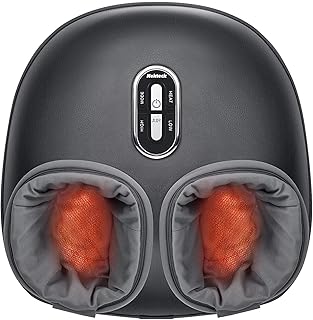
One of the most frequent consumer oversights involves failing to verify physical sizing limitations relative to your actual foot dimensions. Enclosed, sleeve-style massagers feature internal fabric chambers that must comfortably accommodate your feet without awkwardly bunching your toes or pinching your ankles. If you wear an above-average shoe size, standard-sized apertures may feel restrictive or apply uneven pressure. Open-platform designs eliminate spatial constraints entirely, making them a safer bet for larger households or multi-user environments, though they typically sacrifice the side-compression benefits found in enclosed designs.
Portability Versus Stationary Design
Where you plan to use your massager dictates whether you should prioritize a lightweight, mobile build or a heavier, dedicated station. Portable units are compact enough to slide under a couch, pack into a closet, or transport between rooms with minimal effort. However, lighter units can sometimes shift across hardwood floors during intense kneading cycles unless they feature robust rubber suction feet or non-slip padding. If you intend to keep your massager permanently stationed beneath a living room armchair or desk, you can lean toward sturdier, heavier units that remain firmly anchored during vigorous operation.
Cleaning, Hygiene, and Removable Mesh Covers
Feet sweat naturally during deep massage sessions, making hygiene a critical factor for long-term satisfaction. Enclosed massagers invariably trap moisture inside their fabric sleeves over time, which can lead to unpleasant odors if the unit is neglected. Always check for removable, zippered mesh covers that can be safely detached and laundered. Hand-washing or machine-washing these fabric components periodically preserves freshness and extends the lifespan of the interior materials. If a model features permanent, non-removable lining, you will need to invest extra effort into spot-cleaning and ensuring the interior dries completely between uses.
Common Buying Mistakes to Avoid
Shoppers often make the mistake of prioritizing raw intensity over ergonomic fit, assuming that the most aggressive setting yields the best health benefits. In reality, overly aggressive pressure can cause bruising or inflammation, rendering the machine counterproductive. Another frequent pitfall is ignoring noise levels; some motorized units emit a persistent mechanical hum that can disrupt the quiet atmosphere you want during relaxation. Finally, buying a device without checking the manufacturer warranty leaves you vulnerable if an internal motor fails prematurely under regular use.
When to Invest in Higher-End Features
Basic entry-level units excel at straightforward rolling and manual pressure, but premium models justify their higher cost through advanced adjustability. If you require multi-zone air compression, precise digital control panels, wireless remote controls, or specialized heel-scraping attachments, stepping up to a higher price tier is worthwhile. Frequent users who rely on daily therapy sessions will also appreciate upgraded industrial-grade motors designed to withstand hours of continuous weekly operation without burning out or losing torque.
Related Guides
To round out your recovery gear, explore our comprehensive reviews on the top Nekteck foot massagers, soothe your tired eyes with our guide to the best heated eye massagers, or enhance full-body circulation using our expert picks for the best leg compression massagers.
FAQ
How often should I use a foot massager?
Most users benefit from daily sessions lasting between fifteen and thirty minutes. Overusing the device can occasionally lead to sore muscles, so listening to your body is essential.
Are foot massagers safe for people with high arches?
Yes, though individuals with high arches should look for models with deep-reaching nodes or adjustable pressure settings. Open platform designs also allow you to manually shift your foot position to find a comfortable angle.
Can foot massagers help with plantar fasciitis?
Shiatsu rollers and targeted heat can effectively relieve tension in the plantar fascia and loosen tight muscles. However, they should be used as a complementary recovery tool alongside professional medical advice.
How do I clean the fabric inside an enclosed massager?
Look for models featuring zippered, removable mesh linings that can be detached and washed according to manufacturer instructions. For non-removable linings, gently wipe the interior with a damp cloth and mild antibacterial soap.