Key takeaways
- Pro: Exceptional stability and guide rails that keep overpronation in check without feeling harsh
- Pro: Generous cushioning and roomy fit that remains comfortable on longer efforts
- Con: Bulkier and heavier feel than lighter stability options, not ideal if you prefer a racy ride
What's inside
If your arches collapse inward and your ankles roll with every stride, you know overpronation is not just a gait quirk. It is the reason your knees ache after long runs, your shins feel tight, and your shoes wear down heavily on the inner edge. Finding a shoe that actually corrects that motion without feeling like a brick on your foot is the core problem, and most neutral trainers simply do not offer enough structure.
After logging miles in stability shoes across road, treadmill, and easy trail, we learned the difference comes down to guidance versus rigidity. The best options keep your foot aligned through midstance but still allow natural flex, cushion impact without feeling mushy, and hold the heel securely so you are not fighting the shoe. The worst either overcorrect and feel harsh or are so soft they let your arch collapse anyway. Below are the pairs that struck the right balance.
As an Amazon Associate we earn from qualifying purchases at no extra cost to you. Product prices and availability are accurate as of the date shown and are subject to change.





Quick Picks
| Product | Best for | Price |
|---|---|---|
| Brooks Beast GTS 26 | Best for Maximum Support and Larger Runners | $163.95 |
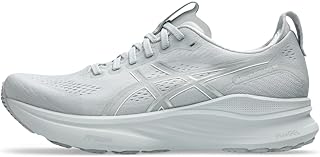
| ASICS Gel-Kayano 32 | Best for Cushioned Daily Stability | $124.95 |
| ASICS GT-1000 14 | Best for Budget-Friendly Stability | $79.95 |
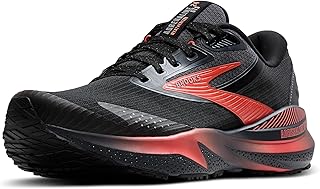
| Brooks Adrenaline GTS 24 – Women’s | Best for Everyday Support for Women | $99.95 |
| Brooks Adrenaline GTS 24 – Men’s | Best for Everyday Support for Men | $99.95 |
| Brooks Adrenaline GTS 25 – Men’s | Best for Responsive Updated Stability for Men | $154.95 |
| ALTRA Experience Form | Best for Natural Foot Position with Guidance | $79.99 |
| Brooks Adrenaline GTS 25 – Women’s | Best for Responsive Updated Stability for Women | $154.95 |
How We Picked
We prioritized how effectively each shoe limits excessive inward roll without feeling rigid or intrusive, then judged cushioning that protects joints on daily miles while maintaining a stable, controlled transition. Fit and lockdown mattered just as much, especially heel hold and midfoot security to prevent slippage as the arch flattens, along with breathability and durability of the upper and outsole for consistent traction and long-term wear.
The 8 Best Running Shoes For Overpronation in 2026
Brooks Men’s Beast GTS 26 Running Shoe
Built for runners who need serious structure, the Beast GTS 26 is ideal for pronounced overpronation and for those who want a highly supportive, protective ride for daily miles. It feels substantial and confidence inspiring, guiding the foot through each stride without abrupt correction. The cushioning is plush yet stable, making long road sessions and recovery runs feel more controlled and less tiring on joints. With a 4.4/5 rating, it is especially well suited for runners seeking ample interior room and a secure, locked-in midfoot feel.
- Pro: Exceptional stability and guide rails that keep overpronation in check without feeling harsh
- Pro: Generous cushioning and roomy fit that remains comfortable on longer efforts
- Con: Bulkier and heavier feel than lighter stability options, not ideal if you prefer a racy ride
Skip it if you want a lightweight, flexible shoe for speed work or you have only mild pronation that does not need maximum control.
ASICS Men’s Gel-Kayano 32 Running Shoes
The Gel-Kayano 32 suits runners who want dependable overpronation support wrapped in a comfortable, cushioned package for everyday training. It feels stable but not stiff, with a smooth transition that encourages efficient turnover and reduces fatigue on longer road runs. Runners who pronate moderately to significantly and value a plush underfoot feel will appreciate how it absorbs impact while keeping alignment. With a 4.4/5 rating, it has earned trust for consistent comfort and supportive guidance.
- Pro: Smooth, cushioned ride that balances softness with reliable stability
- Pro: Refined fit that locks the heel and midfoot securely over many miles
- Con: More cushioned and less ground-connected than firmer stability trainers
Skip it if you prefer a firmer, more minimal stability shoe or you prioritize an ultra-light racer over structured cushioning.
ASICS Men’s GT-1000 14 Running Shoes
The GT-1000 14 is the value pick for overpronators who need real guidance on a tight budget. It is best for newer runners, daily walk-to-run users, and anyone with mild to moderate overpronation who wants stability without a premium price. The ride is supportive and predictable, helping to keep the foot aligned through midstance while staying comfortable for everyday miles. Rated 4.5/5, it proves you do not have to spend heavily to get dependable correction and solid comfort.
- Pro: Outstanding value with genuine stability features for overpronation
- Pro: Comfortable, supportive fit that works well for daily training and walking
- Con: Cushioning is less plush and refined than higher priced stability models
Skip it if you need maximum cushioning for very long runs or you want the most responsive, energetic feel for faster workouts.
Brooks Women’s Adrenaline GTS 24 Supportive Running Shoe
Designed for women who overpronate and want a versatile daily trainer, the Adrenaline GTS 24 balances support and softness for road runs, treadmill sessions, and all-day wear. It guides the foot gently rather than forcing it, which helps reduce inward roll while keeping the stride smooth and natural. The fit is secure through the midfoot with accommodating cushioning that eases pressure on arches and shins. At 4.4/5, it is a reliable choice for mild to moderate overpronation.
- Pro: Balanced, go-to support that corrects without feeling rigid
- Pro: Comfortable, breathable upper with secure midfoot lockdown
- Con: Not as responsive as the newer Adrenaline GTS 25 for faster paces
Skip it if you want a more energetic, propulsive ride or you need the extra room and maximum structure of a larger support shoe.
Brooks Men’s Adrenaline GTS 24 Supportive Running Shoe
The men’s Adrenaline GTS 24 is the everyday stability workhorse for runners with mild to moderate overpronation who want one shoe for most runs. It delivers a smooth, guided ride that steadies the foot without overcorrecting, making it easy to wear for easy miles, long runs, and recovery days. The cushioning feels soft enough to be comfortable but stable enough to maintain alignment when fatigue sets in. Holding a 4.5/5 rating, it is valued for its dependable fit and approachable support.
- Pro: Versatile stability that works across easy runs and longer distance
- Pro: Secure, accommodating fit that reduces pressure on the arch
- Con: Lacks the updated, more responsive cushioning found in the GTS 25
Skip it if you crave a lighter, snappier feel for tempo work or you need the highest level of correction for severe overpronation.
Brooks Men’s Adrenaline GTS 25 Running Shoe
For men who want a more modern, responsive take on stability, the Adrenaline GTS 25 updates the classic formula with a smoother, slightly more energetic ride. It is ideal for overpronators who run regularly and want support that feels present but not in the way, from daily miles to longer weekend efforts. The shoe maintains excellent alignment control while adding a more lively transition. With a 4.5/5 rating, it stands out for comfort that does not sacrifice guidance.
- Pro: Updated cushioning that feels responsive yet stable over distance
- Pro: Refined stability that guides the foot naturally without stiffness
- Con: Higher price than the GTS 24 while serving a similar use case
Skip it if you are on a strict budget or you prefer a softer, more maximal, heavily cushioned feel for recovery days.
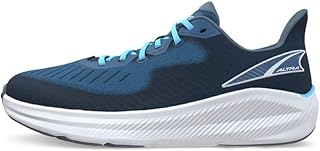
ALTRA Men’s Experience Form Road Running Shoe
The Experience Form is for overpronators who want guidance but prefer a more natural foot position and roomier toe box. It suits runners who dislike aggressive arch posting and want stability that comes from shape and platform rather than firm medial wedges. The ride feels grounded and stable with a comfortable, foot-shaped fit that lets toes splay. Rated 4.4/5, it is a strong alternative if traditional stability shoes have felt too rigid or cramped.
- Pro: Foot-shaped fit with natural toe splay and grounded stability
- Pro: Comfortable guidance that feels less intrusive than traditional stability builds
- Con: Different underfoot feel that may take adjustment if you are used to classic posted shoes
Skip it if you need aggressive, maximum correction for severe overpronation or you prefer a narrow, race-like fit.
Brooks Women’s Adrenaline GTS 25 Running Shoe
The women’s Adrenaline GTS 25 mirrors the men’s update with a supportive, smooth ride tuned for daily training and long runs. It is perfect for women with mild to moderate overpronation who want a shoe that feels stable, cushioned, and ready for high mileage without feeling clunky. The structure keeps the foot aligned through midstance while the cushioning provides a comfortable, controlled landing. Rated 4.4/5, it blends everyday comfort with dependable correction.
- Pro: Smooth, stable ride that supports alignment across varied paces
- Pro: Comfortable, secure fit tailored for extended wear
- Con: Premium price compared to the previous generation GTS 24
Skip it if you want the most affordable entry into stability or you prefer an ultra-soft, maximal cushioning experience.
Buying Guide
Stability System vs. Soft Correction
Not all support feels the same. Traditional stability uses firmer material on the inner midsole or guide rails to limit inward roll, while newer approaches use a wider, more stable platform and shaped geometry. If you overpronate severely or have a history of shin or knee discomfort tied to form, a more structured guide system will feel more controlled. For mild pronation, a softer, geometry-based correction often feels smoother and less intrusive while still keeping alignment.
Cushioning and Transition Feel
Cushioning for overpronation should protect without letting the arch collapse into soft foam. Look for cushioning that feels even and stable from heel to toe, with a smooth transition that does not wobble as you push off. A slightly firmer midsole often holds alignment better when you are tired late in a run, while very plush foam can feel comfortable at first but less supportive over distance. Try to prioritize a balanced, guided roll rather than maximum softness alone.
Fit, Lockdown, and Upper Security
Fit determines whether stability features can do their job. A secure heel cup and snug midfoot wrap prevent the foot from sliding inward as your arch flattens, and a breathable, slightly structured upper helps hold that lockdown without pressure points. Consider toe box shape carefully: some runners need extra room for toe splay to stay comfortable, others need a more precise wrap. A well-secured lacing system and padded collar make a noticeable difference in how stable the shoe feels mile after mile.
Our Verdict
Our top pick for most runners who overpronate is the Brooks Men’s Adrenaline GTS 25 and its women’s counterpart, the Brooks Women’s Adrenaline GTS 25, for their refined balance of responsive cushioning and natural, non-rigid guidance that works across daily miles and longer runs. The budget pick is the ASICS Men’s GT-1000 14, which delivers genuine stability and solid comfort at a much lower price. If you need maximum control, a roomier platform, and the most protective feel for pronounced overpronation or longer, slower miles, the Brooks Men’s Beast GTS 26 wins under that condition.
FAQ
How do I know if I overpronate?
Common signs include wear concentrated on the inner edge of your outsole, arches that flatten noticeably when you stand, and recurring shin or inner knee discomfort after running. A gait check at a running store or a slow-motion video of your stride can confirm inward roll through midstance.
Do I need a stability shoe if I only mildly overpronate?
Many mild overpronators do well in a light stability or stable neutral shoe that offers guidance without aggressive correction. If you are pain-free and your shoes wear evenly, a versatile stability model like the Adrenaline GTS provides support without feeling restrictive.
Can I use running shoes for overpronation for walking or work?
Yes, most stability running shoes work well for walking and standing because they control inward roll and cushion impact. If you plan to use them primarily for walking, prioritize comfortable lockdown, breathability, and durable traction over lightweight speed.
How often should I replace stability shoes?
Replace them when the midsole feels flat, the outsole shows heavy inner wear, or you notice a return of arch fatigue and joint soreness. For regular runners this is typically after many months of consistent use, while occasional runners may get longer wear depending on surfaces and rotation.