Key takeaways
- Pro: Very affordable and comfortable right out of the box with no break-in fuss
- Pro: Versatile for light trails, travel, and daily use
- Con: Outsole lugs are shallow, so grip fades on mud and wet slopes
What's inside
Trail running punishes the wrong shoe fast. Loose gravel slides underfoot, wet roots steal traction, and a single sharp rock can bruise your forefoot for days. The difference between a comfortable run and a miserable one usually comes down to how well a shoe locks your heel on steep descents, how confidently the outsole bites on off-camber dirt, and whether the upper keeps debris out without cooking your feet.
We ran these shoes on hardpack, muddy singletrack, and rocky scrambles, paying attention to grip on climbs, stability when fatigued, and how forgiving the ride feels on longer efforts. Good trail shoes disappear under you, bad ones make you think about your feet every step. The pairs below rose to the top because they handle real trail variability without demanding a perfect stride or ideal conditions.
As an Amazon Associate we earn from qualifying purchases at no extra cost to you. Product prices and availability are accurate as of the date shown and are subject to change.





Quick Picks
| Product | Best for | Price |
|---|---|---|
| New Balance 410 V9 | Budget road-to-trail use | $43.51 |
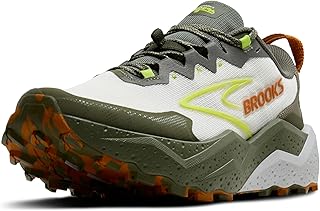
| Brooks Caldera 8 | Long, cushioned trail miles | $94.95 |
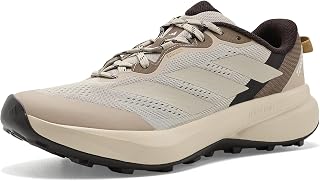
| adidas Terrex Tracefinder Plus | Light hiking and park trails | $100 |
| Saucony Excursion TR14 | Versatile entry-level trail running | $64.99 |
| New Balance 410 V9 | Everyday value and casual trail walks | $52.49 |
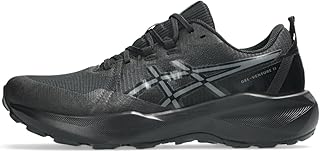
| ASICS Gel-Venture 11 | Support and durability on mixed terrain | $69.95 |
| Saucony Excursion TR15 | Updated comfort for beginners | $59.95 |
| Brooks Cascadia 19 | Technical mountain trails | $109.95 |
How We Picked
We prioritized traction that holds on both loose dirt and slick surfaces, midfoot stability that prevents rolling on uneven ground, protection underfoot that filters out sharp rocks without feeling wooden, and fit that stays secure when socks get wet and feet swell. Breathability, weight, and durability mattered too, but we weighted them against how the shoe performs when the trail gets messy rather than how it feels in the store.
The 8 Best Trail Running Shoes in 2026
New Balance 410 V9
For new trail runners and walkers who split time between pavement and easy dirt, this version of the 410 V9 is a low-risk entry point. The fit is roomy and forgiving, with soft cushioning that feels familiar if you are coming from a road shoe. It handles park paths, gravel, and dry hardpack comfortably and looks understated enough for everyday wear. Rated 4 out of 5 by buyers, it stands out mainly for comfort per dollar rather than technical bite.
- Pro: Very affordable and comfortable right out of the box with no break-in fuss
- Pro: Versatile for light trails, travel, and daily use
- Con: Outsole lugs are shallow, so grip fades on mud and wet slopes
When to skip it: Skip if you regularly run steep, muddy, or rocky mountain trails where you need aggressive traction and rock protection.
Brooks Caldera 8
The Caldera 8 is built for runners who want a plush, stable ride when miles get long and legs get tired. It smooths out choppy terrain and stays composed on descents, with a roomy platform that feels protective without being sloppy. Cushioning is soft yet supportive, which helps on ultra-distance efforts and recovery days alike. Rated 4.3 out of 5, it earns its place for comfort over distance rather than for featherweight speed.
- Pro: Long-haul cushioning that reduces fatigue on extended trail time
- Pro: Stable and confidence-inspiring on rolling, uneven terrain
- Con: Bulkier feel that is less nimble on tight, technical switchbacks
When to skip it: Skip if you prefer a low-profile, ground-connected shoe for fast, technical scrambling.
adidas Terrex Tracefinder Plus
The Terrex Tracefinder Plus in Beige leans toward trail-inspired versatility over pure running aggression. It works well for fast hiking, light trail jogging, and all-day wear on mixed surfaces where comfort and coverage matter. The upper feels supportive around the midfoot, and the overall ride is stable and dampened rather than springy. It is best viewed as a capable hybrid for outdoor days that blend walking, easy running, and time on your feet.
- Pro: Stable, supportive feel for mixed terrain and all-day use
- Pro: Clean trail-shoe protection with everyday comfort
- Con: Less breathable and less agile than a dedicated lightweight trail runner
When to skip it: Skip if you need a nimble racer for muddy, technical trail running where weight and drainage are critical.
Saucony Excursion TR14
The Excursion TR14 is a classic do-everything starter trail shoe that just works for most beginners. It offers a balanced ride with enough lug to bite on dirt while staying smooth on harder surfaces, and the upper locks the foot down without pressure points. With a rating of 4.5 out of 5, it is one of the most consistently liked options here for comfort and reliability. It is not flashy, but it is dependable on moderate trails.
- Pro: Well-rounded traction and comfort for a wide range of trail types
- Pro: Secure, accommodating fit that suits many foot shapes
- Con: Not as refined for highly technical or very wet conditions
When to skip it: Skip if you need maximal protection or aggressive grip for severe, rocky mountain routes.
New Balance 410 V9
This second listing of the New Balance 410 V9 offers the same easygoing comfort as the other 410 V9 placement, just at a slightly higher price point. It remains a solid value for casual trail use, walking, and light jogging on groomed paths. Expect soft cushioning, a relaxed fit, and simple, durable construction that favors comfort over technical features. Rated 4 out of 5, it is suited to buyers who prioritize affordability and all-day wearability.
- Pro: Comfortable, no-fuss fit that works for wide feet and long days
- Pro: Good value for light trail and everyday mileage
- Con: Lacks the structure and traction of purpose-built mountain shoes
When to skip it: Skip if your routes include sustained climbs, loose scree, or mud where you need lockdown and bite.
ASICS Gel-Venture 11
The Gel-Venture 11 is a durable workhorse for runners who want supportive cushioning and reassuring protection on mixed terrain. It feels planted on gravel and hardpack and handles moderate trails with steady grip, while the cushioning softens repeated impacts. Rated 4.4 out of 5, it appeals to neutral to slightly overpronating runners who want a stable, forgiving ride without a harsh or overly firm platform.
- Pro: Supportive cushioning that stays comfortable on longer efforts
- Pro: Durable build that holds up to frequent mixed-surface use
- Con: Heavier and less nimble than minimalist trail options
When to skip it: Skip if you want a lightweight, highly flexible shoe for fast, technical terrain.
Saucony Excursion TR15
The Excursion TR15 updates the familiar Excursion formula with a smoother ride and improved comfort for newer trail runners. It balances soft cushioning with enough traction to handle dirt, grass, and light mud without feeling clumsy on pavement connectors. Rated 4.4 out of 5, it is approachable and forgiving, making it easy to recommend to anyone building trail fitness. It leans toward comfort and confidence rather than race-day snap.
- Pro: Comfortable, cushioned ride that eases transition from road to trail
- Pro: Reliable grip and secure fit for everyday trail miles
- Con: Not aggressive enough for steep, slick, or highly technical descents
When to skip it: Skip if you routinely run steep mountain trails that demand deep lugs and extra toe protection.
Brooks Cascadia 19
The Cascadia 19 is the most trail-ready pick in this roundup for mountain miles. It pairs protective cushioning with surefooted traction and a stable chassis that keeps you upright when the trail tilts and twists. The fit is dialed for lockdown on descents, and the upper fends off debris without feeling stifling. Rated 4.5 out of 5, it is the shoe to grab when routes get rocky, rooty, and unpredictable.
- Pro: Excellent all-terrain traction and stability for technical trails
- Pro: Protective yet comfortable for long, demanding runs
- Con: Premium pricing compared with entry-level options
When to skip it: Skip if you mostly run flat, smooth park trails and want a lighter, more flexible feel.
Buying Guide
Traction and Outsole Control
Look for widely spaced, multi-directional lugs that shed mud and bite on loose dirt, plus a rubber compound that stays grippy when damp. Shallow lugs are fine for hardpack and gravel but slide on wet slopes, while overly aggressive lugs can feel awkward on pavement connectors. A modest rock plate or firm midsole layer helps prevent stone bruising without making the shoe feel like a plank.
Fit, Stability, and Protection
A secure midfoot wrap and padded heel collar prevent your foot from sliding on descents, which is where blisters and black toenails start. A roomy toe box lets toes splay on downhills, while a reinforced toe bumper and closed mesh keep out grit. If you tend to roll ankles, prioritize torsional stability and a slightly wider platform over a soft, wobbly stack.
Comfort, Weight, and Durability
Trail shoes should breathe well but not soak through and stay waterlogged; quick-draining mesh and minimal water-absorbing foam are pluses. Cushioning is personal: softer stacks favor long, slow miles, firmer stacks favor speed and ground feel. Durability comes from reinforced overlays, sturdy lacing, and an outsole that resists abrasion on rocky surfaces, so check how the shoe holds up after many washes and miles.
Our Verdict
For most trail runners, the Brooks Cascadia 19 is the top pick because it balances protective comfort with genuinely technical grip and stability. If you want to spend less, the New Balance 410 V9 at $43.51 is the clear budget pick for easy trails and everyday use. When your priority is versatile entry-level performance with broad appeal, the Saucony Excursion TR14 wins thanks to its well-rounded comfort and high buyer satisfaction.
FAQ
Can I use trail running shoes on roads?
You can, but expect faster outsole wear and a slightly firmer, louder ride. If more than half your miles are on pavement, consider a road-to-trail hybrid and save aggressive trail shoes for dirt.
Do I need waterproof trail shoes?
Most runners are better off with breathable, quick-draining shoes and good socks. Waterproof membranes help in cold, wet months but trap heat and take longer to dry in warm conditions.
How should trail shoes fit compared with road shoes?
Leave a thumb’s width ahead of your longest toe to avoid jamming on downhills, and ensure the midfoot feels locked without heel lift. Try them with the socks you trail run in and test on an incline if possible.
How often should I replace trail running shoes?
Replace when traction looks smoothed, cushioning feels flat, or you notice new aches on familiar routes. Lifespan varies with terrain and body weight, but many runners rotate pairs to extend overall durability.
Part of our shoes buying guide hub.