Our Top Picks
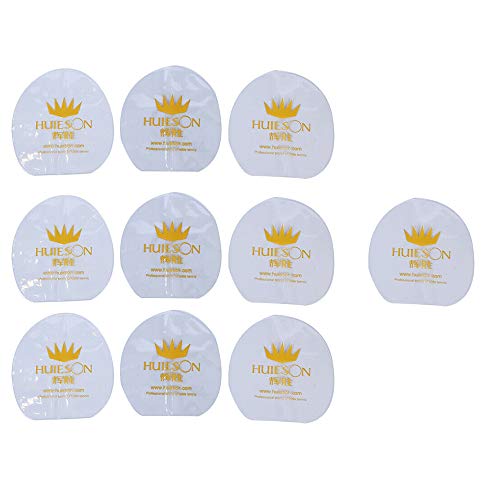


If you want the short answer: the best table tennis rubber sheets for most players are Butterfly Sriver, because it comes in five sponge thicknesses (1.5 mm, 1.7 mm, 1.9 mm, 2.1 mm and MAX) and lets one rubber line grow with you from your first controlled push to a fast attacking loop. If you want maximum tackiness and spin and you already have a reliable stroke, DHS Hurricane 3-NEO is the classic choice. And if your real problem is that good rubber keeps dying early, the cheapest performance upgrade in this guide is a bulk pack of protection film such as the Acxico 10-piece set, which costs a fraction of a sheet and keeps dust, oil and sunlight off the topsheet between sessions. The rest of this article compares sponge thickness, tackiness, speed, spin, control and blade compatibility so you can pick by playing style rather than by hype.
Top 3 Picks
Best overall: Butterfly Sriver. It is the most flexible single purchase in this roundup because the thickness range covers genuinely different playing styles, and the medium-soft sponge keeps control high enough for developing players while still producing real speed when you swing. Buy it in 1.7 mm or 1.9 mm if you are unsure, and go MAX only when your technique is consistent.
Best budget: Acxico 10Pcs Rubber Protection Film. Not a rubber, but the best value on this page for anyone whose sheets keep glazing over. Ten transparent covers cost less than a single mid-range sheet and protect every bat in a household or club bag. If you would rather have an adhesive-backed version, the Jinshining 4-piece pack is the closest alternative.
Best premium spin option: DHS Hurricane 3-NEO. A tacky pimples-in topsheet on a hard, factory-treated sponge delivers the heaviest spin in this comparison, provided you have the arm speed to compress it. Pair it with a flexible blade and accept that it demands more from your footwork than a European-style sheet will.
Quick Comparison
| Product | Best for | Key specs | Price tier |
|---|---|---|---|
| Acxico 10Pcs Protection Film | Bulk protection across several bats | 10 transparent films; cling-style cover; fits standard racket faces | Budget |
| DHS Hurricane 3-NEO | Maximum spin for committed loopers | Tacky pimples-in topsheet; hard factory-treated sponge; sheet approx. 7.2 x 6.93 in | Premium |
| Coherny Red/Black Replacement Rubber | Low-cost like-for-like replacement | 2.2 mm sponge; red or black topsheet; full-size sheet | Mid-range |
| Jinshining 4 Pcs Protective Film | Adhesive-backed protection in a small pack | 4 transparent adhesive films | Budget |
| zaoalife Blue Sticky Rubber Sheet | Sticky-surface value in a colour | 2.0 mm high-density sponge; super-sticky topsheet; blue; sheet approx. 6.5 in x 9.06 in | Mid-range |
| Ppbigu 729 Cross Green/Blue | Tacky control with colour options | Friendship 729 Cross; tacky pimples-in; green or blue sponge | Premium |
| SquEqu 4 Pack Protector Film | Residue-free, non-sticky protection | 4 transparent non-adhesive films | Budget |
| Yxinjy 2 Pcs Sticky Film Sheets | Anti-static protection in a small pack | 2 anti-static transparent film sheets; yellow-tinted | Budget |
| Butterfly Sriver | Best overall all-round rubber | Inverted; 1.5 / 1.7 / 1.9 / 2.1 mm or MAX; red or black | Premium |
| GDDP 100 ml Table Tennis Glue | Frequent regluing and club use | 100 ml adhesive for rubber-to-blade bonding | Mid-range |
| JOOLA X-Glue 37 ml | Occasional regluing and travel kits | 37 ml water-based glue | Mid-range |
| Ppbigu 729 Cross Red/Black 2.2 mm | Tacky training rubber at full thickness | 2.2 mm sponge; tacky pimples-in; red or black | Mid-range |
How We Chose
This roundup is built from published product listings, manufacturer specifications and well-established category norms for inverted table tennis rubber, not from physical evaluation. The first filter was specification clarity: a product only appears here if the listing states the sponge thickness, the topsheet type or the pack quantity in a way a shopper can act on. The second filter was category fit, which is why protective films and glue appear alongside rubber sheets — they change how long a sheet performs and how well it bonds, so leaving them out would make the buying advice incomplete.
The third filter was use case and upgrade path. For rubber sheets, we mapped each option to a playing profile (all-round, offensive, tacky-looping, beginner replacement) and to a realistic next step, so a reader can buy once and know where the purchase leads. For accessories, we mapped them to the maintenance job they solve: daily dust protection, longer-term storage, or installation. We did not rank by review volume or popularity, and we avoided any claim about performance that the listing or the brand’s published data does not support. Where a listing is ambiguous — for example, whether a film is adhesive-backed or cling-style — we say so rather than guessing.
1. Acxico 10-Piece Protection Film – Best for Bulk Rubber Protection
As an Amazon Associate we earn from qualifying purchases at no extra cost to you.
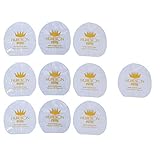
The Acxico 10-piece transparent protection film set is the cheapest way to stop good rubber from ageing prematurely. It is aimed at anyone whose bat spends time in a kit bag, a car boot, a school sports cupboard or a club equipment box, and at households where two or three bats are in rotation. A single transparent sheet laid over the topsheet after play keeps dust, skin oil, humidity and stray sunlight off the surface that actually produces spin. Because the pack contains ten, you can cover every bat you own, keep spares in the bag, and replace a sheet the moment it stops clinging.
Key specs
- Pack quantity: 10 transparent protection films
- Function: covers the rubber face between sessions
- Format: film/cover sized for a standard racket face (blade faces are typically around 150-160 mm wide and 155-165 mm long)
- Adhesive: not specified in the listing name — treat it as a cling-style cover and check the listing detail if you specifically want adhesive-backed film
- Colour: transparent
- Reusability: reusable until the film loses its cling or picks up grit
Why this matters more than it sounds: the topsheet is where spin lives. A tacky or grippy surface that collects dust and finger oil behaves like a partly worn sheet even when the sponge underneath is still fine. Wiping with a damp sponge helps, but a physical cover is the only thing that works between sessions while the bat sits in a bag. Ten films also solve a specific club problem — shared bats. If juniors or guests pick up a club racket with dirty hands, the film comes off and goes back on without anyone having to think about it.
The trade-off is that films are consumables. They crease, they collect grit, and cling-style covers eventually stop sticking to the rubber. A ten-pack is designed around that reality: you use one or two at a time and rotate them out. If you want a firmer hold and you keep bats stored flat in a case, an adhesive-backed film will stay put better than a cling film, which is where the Jinshining pack below comes in.
Pros
- Ten films in one purchase covers a multi-bat household or a small club box
- Transparent, so you can see the topsheet condition without removing the film
- Low unit cost, which makes replacement guilt-free
- No adhesive residue to worry about if the film is cling-style
- Works on any inverted rubber regardless of brand or thickness
Cons
- Not a rubber — it will not change spin, speed or control
- Cling films lose their grip over time and need replacing
- The listing does not specify adhesive, so buyers wanting a fixed film should confirm first
- Offers no protection against edge damage or a bent blade
Against the nearest alternative in this guide, the SquEqu 4-pack, the Acxico set wins on quantity and unit cost while SquEqu wins on being explicitly non-sticky, which matters if you have ever peeled a cheap adhesive film off a tacky topsheet and left residue behind. Against the Jinshining 4-piece pack, Acxico is the volume buy and Jinshining is the firm-hold buy. If you own one bat and play twice a week, either is fine; if you maintain a team’s worth of rackets, buy the ten-pack.
2. DHS Hurricane 3-NEO – Best for Heavy Spin and Tacky Loops

DHS Hurricane 3-NEO is the reference point for tacky, hard-sponge attacking rubber. It suits an intermediate or advanced player who loops with a full arm and body rotation, generates spin from contact quality rather than from a bouncy sponge, and is willing to accept a higher skill floor in exchange for a higher ceiling. It is also the rubber to consider if you have tried European-style sheets and found your loops float rather than bite. The listing describes a professional-grade rubber with a plastic material construction and a sheet measuring roughly 7.2 x 6.93 inches, which is a full-size uncut sheet.
Key specs
- Type: tacky pimples-in (inverted) offensive rubber
- Topsheet: very grippy, surface-tacky when new
- Sponge: hard by European standards, on DHS’s own hardness scale rather than the ESN scale used by most European brands
- Version: NEO, meaning the sponge receives a factory treatment rather than being a plain unboosted sheet
- Sheet size: approx. 7.2 x 6.93 in, enough for a standard blade with trim waste
- Typical use: forehand, close-to-table and mid-distance looping
The behaviour of this rubber is the opposite of a bouncy, forgiving sheet. On slow, short strokes the tacky topsheet holds the ball and the hard sponge does not push back much, so pushes stay low and serves can be loaded with spin. On fast, full strokes the sponge finally compresses and the ball leaves with a heavy, dipping arc. That split personality is why Hurricane 3 has stayed relevant for so long: it rewards technique rather than masking it. The NEO version reduces some of the harshness of a raw sheet and is generally easier to use straight out of the packet.
Blade compatibility is the part buyers get wrong most often. A hard, tacky rubber on a stiff, fast carbon blade produces a racket with almost no dwell time, which makes the tackiness pointless because the ball leaves before the topsheet can grip. The classic pairing is a flexible all-wood or innerforce-style blade in the 5-ply range, where the blade’s own flex adds the dwell that the sponge does not provide. If you are coming from a soft European sheet on a fast blade, expect to change the blade as well as the rubber.
Maintenance matters more here than with most sheets. Dust kills tackiness quickly, so wipe the topsheet with a damp sponge or a dedicated cleaner after every session and cover it before it goes in the bag. Do not leave a tacky sheet face-down on a dirty table, and do not store it in a hot car. A well-kept Hurricane sheet can stay useful for a long time; a neglected one glazes over and behaves like a worn-out sheet within weeks.
Pros
- Highest spin potential in this comparison for players with the technique to use it
- Excellent short game — serves, pushes and flicks stay controllable
- Heavy, dipping loop arc that is genuinely hard to block
- NEO treatment makes it more usable out of the packet than a plain sheet
- Well-established, widely understood rubber with plenty of reference material
Cons
- Hard sponge demands real arm speed; weak strokes produce nothing
- Unforgiving on a stiff or very fast blade
- Tackiness fades with dust and age, so it needs disciplined cleaning
- Heavier feel than a soft European sheet, which some players dislike
- Premium tier pricing for a sheet that may not suit developing players
Compared with the Ppbigu 729 Cross Green/Blue series, Hurricane 3-NEO is the harder, more demanding option with the higher spin ceiling, while the 729 Cross line is generally the friendlier entry into tacky Chinese rubber. Compared with Butterfly Sriver, the two represent opposite philosophies: Sriver gives you a springy, predictable sponge that works at almost any skill level, while Hurricane 3-NEO gives you a surface that does the work only if you do. Pick Sriver to develop, Hurricane to specialise.
3. Coherny 2.2 mm Replacement Rubber – Best for Low-Cost Like-for-Like Replacement

The Coherny replacement rubber is the practical answer for a player who is not chasing an upgrade at all. It is a mid-range, 2.2 mm sponge sheet sold in red or black, designed as a direct replacement for worn rubber on a bat you already like. It suits casual and recreational players, school and workplace tables, holiday-home bats, and anyone who needs a spare sheet that will not hurt when it wears out. If your current rubber has gone shiny and flat and you just want the bat to feel normal again, this is the category to shop in.
Key specs
- Sponge thickness: 2.2 mm
- Colours: red or black
- Type: pimples-in (inverted) sheet
- Sheet format: full-size sheet, trimmed to the blade
- Intended use: replacement covering on an existing racket
Thickness is the single most important number here. At 2.2 mm you are at the thick end of the standard range, which means more sponge to compress, more catapult on attacking strokes and less direct feedback on gentle ones. That is a reasonable default for a recreational bat because most casual players hit flat and want the ball to travel, but it is the wrong choice for someone learning to block, chop or push accurately. If you are rebuilding a bat for a beginner, a thinner sheet in the 1.7-1.9 mm band will teach them more.
Installation is where a cheap replacement rubber earns or loses its value. Because the sheet is uncut, you need a sharp blade, a flat surface, and glue that has been allowed to dry to a tacky film rather than being slapped on wet. Trim with the blade edge pointing slightly outward so the rubber sits just proud of the wood — flush trimming looks neat but leaves the sponge vulnerable to lifting at the edges, which is the first place any sheet fails. A 100 ml bottle of glue like the GDDP option will handle many regluing jobs; a small 37 ml bottle like the JOOLA X-Glue suits occasional use.
Expect this class of sheet to perform best for the first few months and then fade. The first thing to go is usually topsheet grip rather than sponge elasticity, so you will notice pushes floating and loops losing dip before the rubber feels obviously dead. Rotating between two bats spreads the wear and roughly doubles the calendar life of each set. Keeping a protection film on the bat between sessions slows the glazing process further.
Pros
- 2.2 mm sponge gives a familiar, springy feel that casual players recognise
- Red or black covers the standard legal colour pairing with a black or coloured opposite side
- Mid-range price makes it sensible for spare and shared bats
- Simple like-for-like swap — no change to blade or technique required
- Uncut sheet gives you trimming freedom for slightly oversized blades
Cons
- No tackiness, so it will not produce the heavy spin of a Chinese-style sheet
- 2.2 mm is unforgiving for beginners learning touch shots
- Generic replacement sheets vary between batches more than premium lines do
- Not the right pick if you are trying to change your game rather than maintain it
The nearest alternative in this list is the Ppbigu 729 Cross Red/Black 2.2 mm sheet. Both sit at 2.2 mm, but the 729 Cross adds a tacky topsheet, which gives more spin on serves and pushes at the cost of some forgiveness. Choose Coherny if you want the bat to feel exactly as it did before; choose the 729 Cross if you want a different, grippier feel for roughly the same money.
4. Jinshining 4 Pcs Protective Film – Best for Adhesive-Backed Protection

The Jinshining four-piece protective film set is for players who want the cover to stay exactly where they put it. Where cling-style films can slide off a slick topsheet or curl at the edges inside a case, an adhesive-backed film holds flat against the rubber, which is useful if your bat lives in a tight case, a backpack or a rack with other equipment pressing on it. Four sheets is a sensible number for a single player with two bats, or for someone who wants a spare set without committing to a ten-pack.
Key specs
- Pack quantity: 4 transparent protective films
- Type: adhesive-backed film
- Function: covers the rubber face during storage and transport
- Colour: transparent
- Fit: sized for standard racket faces
The reason to choose adhesive over cling comes down to storage conditions. A film only protects the topsheet while it is actually in contact with it. If your bat rattles around in a bag, a loose cover ends up folded in a corner and does nothing. Adhesive films stay put through that kind of handling, which makes them the better pick for commuters, students carrying kit in a rucksack, and anyone who stores bats stacked in a box.
The reason to hesitate is residue. Adhesive films applied to a freshly cleaned, slightly damp topsheet can leave a faint tacky patch, and films left on a bat in a hot car for weeks can transfer adhesive to the rubber. The fix is simple: apply to a dry topsheet, peel slowly from a corner, and if you are storing a bat long-term, clean the rubber before you put the film on rather than after. Tacky Chinese-style sheets are the most sensitive to this, so if you play a Hurricane or 729 Cross rubber, test one film on a spare bat first.
Four films is also a reasonable quantity for a player who replaces rubber a few times a year, since the film itself is a consumable. Once a film has creased across the middle or picked up grit that you can feel, it stops sitting flat and should be retired. Storing the films flat, back-to-back in their original sleeve, keeps them usable for much longer than folding them into a pocket.
Pros
- Adhesive backing keeps the film in contact with the topsheet during transport
- Four-pack suits a two-bat player without overbuying
- Transparent, so you can inspect the rubber without removing the cover
- Flat-holding design works well inside tight cases and backpacks
Cons
- Adhesive can leave residue if applied to a damp or dirty topsheet
- Half the quantity of the Acxico ten-pack at a higher cost per film
- Not ideal for very tacky sheets without testing first
- Still only protects the face, not the edges or the blade
The obvious comparison is the Acxico ten-pack. If you want the lowest cost per film and you store bats loose, Acxico is better value. If you want a film that stays flat under pressure, Jinshining is the one to buy. Between Jinshining and SquEqu, the difference is the adhesive: SquEqu is explicitly non-sticky, which trades holding power for zero residue risk.
5. zaoalife Blue Sticky Rubber Sheet – Best for Sticky-Surface Value

The zaoalife blue rubber sheet is the value entry into tacky rubber. It combines a super-sticky topsheet with a 2.0 mm high-density sponge and comes in blue, which makes it a natural fit for players who want the spin behaviour of a Chinese-style sheet without paying premium prices, and for anyone building a colourful bat under the current rules that allow one black side and one coloured side. The sheet is listed at approximately 6.5 inches by 9.06 inches, which is a generous cut.
Key specs
- Sponge thickness: 2.0 mm
- Sponge type: high-density
- Topsheet: super-sticky (tacky) surface
- Colour: blue
- Sheet size: approx. 6.5 in x 9.06 in
- Type: pimples-in (inverted) sheet
Two numbers define how this sheet plays. The 2.0 mm sponge sits one step below the maximum standard thickness, which keeps a little more directness and control than a 2.2 mm sheet while still offering useful speed on attack. The high-density sponge is the more interesting part: density affects how the sponge responds under compression, and denser sponges generally feel firmer and more linear than soft, airy ones. Combined with a sticky topsheet, that produces a rubber that holds the ball on short strokes and releases it predictably on hard ones.
Colour deserves a note because it trips people up. Competition rules require one side of the racket to be black and the other to be a distinctly different colour, and coloured rubbers have been legal on the non-black side for several years now. A blue sheet works well as the coloured side with a black sheet opposite. If you are buying two sheets for one bat, buy one blue and one black rather than two blues, and check your league’s local interpretation if you play in an unusual competition.
Because the topsheet is sticky rather than merely grippy, maintenance is the difference between a sheet that lasts and one that does not. Wipe it after every session, cover it before storage, and avoid leaving it face-down on a dusty table. Sticky sheets also attract grit from the ball itself, so a quick wipe mid-session helps in halls with older flooring. Expect the tack to fade gradually rather than disappear overnight, and expect the sheet to lose grip before the sponge loses bounce.
Pros
- Tacky topsheet at a mid-range price rather than premium
- 2.0 mm sponge balances speed with usable control
- Blue colour gives a legal coloured-side option
- Generous sheet dimensions reduce waste when trimming
- High-density sponge feels firm and predictable rather than mushy
Cons
- Sticky topsheets demand regular cleaning to stay effective
- Not as spin-heavy as a premium tacky sheet with a harder sponge
- Colour options may not suit players who prefer classic red
- Unfamiliar brand, so batch consistency is less predictable than with established lines
Against the Coherny 2.2 mm sheet, this is the spin-first choice: zaoalife trades 0.2 mm of sponge and some raw speed for a tacky surface that generates far more rotation on serves and pushes. Against the Ppbigu 729 Cross series, zaoalife is the budget route into the same tacky family — you give up the Friendship 729 heritage and some sponge hardness in exchange for a lower price.
6. Ppbigu 729 Cross Green/Blue Series – Best for Tacky Control with Colour Options

The Friendship 729 Cross series in green or blue sponge is for the player who wants tacky, controlled rubber and cares about how the bat looks and feels in the hand. Friendship 729 is one of the longest-running Chinese rubber lines, dating back to the 1970s, and the Cross sub-series applies that tacky pimples-in formula with coloured sponge variants. It suits intermediate players moving from generic replacement sheets into proper tacky rubber, and players who want a forehand that grips the ball hard on serves and pushes.
Key specs
- Line: Friendship 729 Cross
- Sponge colour: green or blue
- Topsheet: tacky, sticky pimples-in
- Type: inverted (smooth) attacking rubber
- Sponge hardness: on the firmer side of the Chinese scale, though softer than the hardest Hurricane variants
- Sheet format: full-size uncut sheet
The practical difference between this and a European-style sheet is where the spin comes from. A tacky sheet generates rotation because the topsheet physically grabs the ball for a fraction of a second longer, which is why serves and pushes can be loaded with spin at low swing speeds. A grippy-but-not-tacky sheet needs more racket speed to produce the same rotation. For a player whose strength is placement and short game rather than raw power, that trade is a clear win.
Coloured sponge adds a genuine consideration rather than just looks. Different sponge colours in the same series are often different sponge formulations, so green and blue variants can feel firmer or softer than each other even though the topsheet is the same. If you buy one of each to compare, keep them on separate bats for a few weeks rather than swapping mid-session, because tacky sheets take time to break in and first impressions are unreliable.
Blade pairing follows the usual rule for tacky rubber: pair it with a flexible all-wood blade, or a blade with a softer inner layer, so the blade contributes dwell time. On a stiff carbon blade the sheet will feel dead and you will blame the rubber. A five-ply all-wood blade in the all-round to offensive-minus range is the safe starting point, and you can move to something faster once you can feel the topsheet grabbing the ball consistently.
Pros
- Tacky topsheet produces heavy spin on serves and short strokes
- Green and blue sponge variants give colour and feel options
- Backed by the long-established Friendship 729 line
- More forgiving than the hardest tacky sheets, so it suits the transition from generic rubber
- Premium tier but generally less expensive than top-end Hurricane sheets
Cons
- Needs regular cleaning to keep the tack alive
- Less outright speed than a springy European sheet of the same thickness
- Colour variants can behave differently, which complicates repeat purchases
- Requires a suitable blade to perform as intended
The nearest alternative here is the Ppbigu 729 Cross Red/Black 2.2 mm sheet further down this list. They come from the same series, but the red/black version is specified at 2.2 mm sponge, which makes it the thicker, faster option, while the green/blue variants are the choice for players who want the coloured sponge and a slightly more controlled feel. If you are choosing between them without being able to compare, buy the 2.2 mm red/black for a first tacky sheet and add a coloured variant later.
7. SquEqu 4 Pack Protector Film – Best for Residue-Free, Non-Sticky Protection

The SquEqu four-pack is the conservative choice among the protective films in this guide. It is explicitly non-sticky, which means it relies on cling and static rather than adhesive to hold against the rubber, and it leaves nothing behind when you peel it off. That makes it the right pick for anyone who has had a bad experience with adhesive film on a tacky topsheet, and for players who keep premium rubber on their bats and do not want to risk the surface they paid for.
Key specs
- Pack quantity: 4 transparent protector films
- Type: non-sticky (non-adhesive) film
- Function: covers the rubber face between sessions
- Colour: transparent
- Fit: sized for standard ping pong paddle faces
Non-adhesive films work best on rubber that has some surface grip, because cling needs a surface to hold onto. A brand-new tacky sheet holds a non-sticky film beautifully; a glazed, worn sheet holds nothing, and the film will slide off in the bag. That is worth knowing before you buy: if your current rubber is already polished and shiny, no film will stay on it, and the money is better spent on a replacement sheet.
The other practical advantage is that you can lift the film repeatedly without degrading it. Adhesive films lose their tack after a few dozen applications and start collecting dust on the adhesive side, whereas a cling film can be peeled, wiped and reused until it creases. For a player who trains four or five times a week and removes the cover at every session, that reuse cycle matters more than the initial pack size.
Four films covers one bat with spares, or two bats with one spare each. If you run a club or a school programme, that is not enough, and the Acxico ten-pack is the better bulk buy. If you have one good bat and you want the safest possible cover for it, four is plenty and the non-sticky design means there is nothing to go wrong.
Pros
- No adhesive, so no residue risk on expensive topsheets
- Reusable many times over as long as the film stays flat
- Transparent for quick condition checks
- Safe choice for tacky Chinese-style rubber
Cons
- Holds poorly on worn or glazed rubber
- Can slide off in a loosely packed bag
- Only four films per pack
- No edge or blade protection
Compared with the Jinshining adhesive films, SquEqu trades holding power for safety — the right call on a tacky sheet, the wrong call if your bat gets thrown into a rucksack every day. Compared with the Acxico ten-pack, it is a smaller, safer, slightly more expensive-per-film purchase. If you are unsure which type suits your rubber, buy this one first: it is the option that cannot damage anything.
8. Yxinjy 2 Pcs Sticky Film Sheets – Best for Anti-Static Protection in a Small Pack

The Yxinjy two-piece film set is the smallest commitment in this roundup. It is listed as a yellow-tinted, transparent, anti-static protective sheet for racket rubber, supplied in a pack of two. Anti-static is the interesting property: static charge is one reason dust migrates onto a rubber surface and sticks there, so a film marketed as anti-static is aimed at players in dry halls and dusty environments where ordinary covers seem to attract grit anyway. Two sheets suits a single player with one main bat.
Key specs
- Pack quantity: 2 film sheets
- Type: sticky film with anti-static properties
- Appearance: listed as yellow and transparent
- Function: protects rubber surface from dust and contact damage during storage
- Durability: described as long-lasting in the listing
The honest framing here is that two films is a try-it size rather than a full solution. If you own one bat and you want to see whether a protective film changes how your rubber ages over a season, this is the lowest-cost way to find out. If it works, you move up to a ten-pack; if you never remember to put the cover back on, you have lost very little. That is a reasonable way to buy a maintenance product you have never used before.
Anti-static films are also a sensible addition in specific environments. Halls with wooden floors, old heating systems or nearby building work produce fine dust that settles on everything. Dust on a tacky topsheet is worse than dust on a grippy one because the tack holds it in place, and every ball contact then grinds that grit into the surface. A cover that reduces how much dust lands in the first place is doing real work, even if you cannot measure it.
Because the film is described as sticky, apply it to a clean, dry topsheet and peel it slowly. If your rubber is a premium tacky sheet, test on a spare bat first, exactly as you would with the Jinshining films. The yellow tint is cosmetic — a transparent film with a yellow cast still lets you see whether the topsheet is clean or glazed.
Pros
- Lowest-cost way to try protective film for the first time
- Anti-static property targets the dust problem directly
- Small pack suits a single-bat player
- Transparent enough to inspect the rubber underneath
Cons
- Only two films, so no spares and no multi-bat coverage
- Sticky film carries the same residue caution as any adhesive cover
- Yellow tint is cosmetic and may not appeal to everyone
- No club or team value at this pack size
Against the SquEqu four-pack, Yxinjy offers the anti-static angle and a lower entry price but half the quantity and a sticky rather than non-sticky design. Against the Acxico ten-pack, it is a trial purchase rather than a solution. If you already know films work for you, skip this and buy in bulk; if you have never used one, start here.
9. Butterfly Sriver – Best Overall All-Round Rubber

Butterfly Sriver is the safest rubber purchase in this guide for one simple reason: it comes in five sponge thicknesses — 1.5 mm, 1.7 mm, 1.9 mm, 2.1 mm and MAX — in both red and black. That means the same rubber line can serve a beginner learning to control a push, an all-round club player, and an attacker who wants a fast but predictable loop. It has been in production since the late 1960s, which is the strongest possible evidence that the formula works across a wide range of blades and playing styles.
Key specs
- Type: inverted (pimples-in) smooth rubber
- Available thicknesses: 1.5 mm, 1.7 mm, 1.9 mm, 2.1 mm, MAX
- Colours: red or black
- Sponge feel: medium-soft by modern standards, with a linear, predictable response
- Sheet format: full-size uncut sheet
- Best paired with: all-round to offensive all-wood blades, and moderate-speed composites
Thickness choice is the whole decision with Sriver, so here is how the numbers behave in practice. At 1.5 mm and 1.7 mm the sponge contributes little to the speed, which makes blocking, pushing and chopping far easier to control and is why those thicknesses suit developing players and defensive styles. At 1.9 mm you get the classic all-round setup: enough sponge to loop with, enough feedback to learn from. At 2.1 mm and MAX the sponge dominates, giving real attacking speed and a higher throw angle, but also amplifying every mistake in timing.
| Thickness | Speed | Spin potential | Control | Typical player |
|---|---|---|---|---|
| 1.5 mm | Low | Moderate | Very high | Beginner, junior, defensive |
| 1.7 mm | Low-medium | Moderate-high | High | Beginner moving to club play |
| 1.9 mm | Medium | High | High | All-round club player |
| 2.1 mm | Medium-high | High | Medium | Attacking intermediate |
| MAX | High | Very high | Medium-low | Advanced attacker |
Blade compatibility is where Sriver is unusually forgiving. Because the sponge is not extreme in either direction, it works on slow all-wood blades, fast offensive blades and most composites. That is a real advantage over hard tacky rubber, which needs a flexible blade to function, and over very soft rubber, which can feel mushy on a fast blade. If you are buying a first serious rubber and you do not yet know what blade you will settle on, Sriver is the sheet that will not become the wrong choice.
Durability is another argument for it. Medium-soft sponge with a grippy rather than tacky topsheet ages more slowly than a heavily tacky surface, because there is no tack layer to glaze over. Wipe it after play, cover it between sessions, and it will hold its characteristics for a long time. The main wear signs are a polished topsheet and a sponge that feels flatter on hard contact — both gradual.
Pros
- Five thicknesses in one rubber line, so you can match it to your level
- Predictable, linear response that makes technique errors obvious
- Works on almost any blade, from all-wood to moderate composite
- Long production history and wide availability
- Grippy rather than tacky, so it needs less fussy maintenance
Cons
- Premium tier pricing across the range
- Less raw spin than a hard tacky sheet in expert hands
- MAX thickness punishes inconsistent timing severely
- Not a dramatic “upgrade” if you already play a competent all-round sheet
The nearest alternative in this list is the DHS Hurricane 3-NEO, and they are opposites. Sriver gives you a springy sponge that helps you at every level; Hurricane 3-NEO gives you a tacky surface that only pays off when your stroke quality is high. A player building fundamentals should buy Sriver in 1.7 mm or 1.9 mm. A player who already loops with full rotation and wants maximum spin should buy the Hurricane. If you want both, put Sriver on the backhand and Hurricane on the forehand — a very common and very effective combination.
10. GDDP 100 ml Table Tennis Glue – Best for Frequent Regluing

The GDDP 100 ml glue is the practical choice for anyone who reglues regularly: club players who change sheets several times a season, coaches maintaining a set of training bats, and anyone who has worked out that buying a larger bottle is cheaper per gluing job than buying small tubes. Modern table tennis glue is water-based — the old volatile speed-glue era ended when the rules changed — so a 100 ml bottle is a water-based adhesive for bonding rubber to blade.
Key specs
- Volume: 100 ml
- Type: water-based adhesive for rubber-to-blade bonding
- Application: brush or spread a thin layer on both the sponge and the blade
- Drying: allow to become tacky and near-transparent before joining
- Best for: frequent regluing, club and coaching use
Volume is the reason to choose this over a small bottle, and the maths is straightforward. A single sheet takes a thin layer on the sponge and a thin layer on the blade — roughly a teaspoon total. A 100 ml bottle therefore covers many regluing jobs, while a 37 ml bottle covers far fewer. If you replace both sheets on a bat twice a year plus a few extra for friends and club mates, the larger bottle pays for itself in convenience alone, because you are not rationing glue on the last sheet.
Technique matters more than brand with water-based glue. Apply thin layers rather than a thick one, because a thick layer takes far longer to dry and can trap moisture that makes the rubber slide on the blade. Wait until the glue turns from white to nearly clear and feels tacky but not wet to the back of your finger. Then align the sheet at the handle end first, press down progressively toward the tip, and roll it flat with a roller or the edge of your hand to push out air. Trim the overhang with a sharp blade angled slightly outward.
Storage is the other thing buyers get wrong. Water-based glue skins over in the bottle neck, so wipe the thread and the nozzle after each use and close it firmly. Keep it away from frost and direct heat. If the glue thickens in the bottle, a few drops of water and a good shake usually restores it, but glue that has separated or smells sour should be replaced. Work in a ventilated space regardless of the formulation, and wash your hands afterwards.
Pros
- 100 ml covers many gluing jobs, which suits frequent changers
- Water-based formulation is the modern standard and cleans up with water
- Enough volume that you are not rationing on the final sheet
- Sensible for coaches and club equipment managers
Cons
- Larger bottle is a waste for someone who reglues once a year
- Water-based glue needs careful drying discipline — rushing it ruins the bond
- Bottle neck skins over if you do not wipe it after use
- No applicator advantage over smaller bottles if you already own a brush
Against the JOOLA X-Glue 37 ml bottle, this is a volume-versus-portability decision. GDDP wins on cost per gluing job and on club-scale use; JOOLA wins on being small enough to live in a kit bag and on being a known, established brand. If you glue two or three bats a month, buy the 100 ml. If you glue one bat a year, buy the small bottle and accept the higher unit cost.
11. JOOLA X-Glue 37 ml – Best for Occasional Regluing and Travel Kits

JOOLA X-Glue in a 37 ml bottle is the small, tidy option for players who reglue rarely. JOOLA is a long-established table tennis brand with a broad equipment range, and X-Glue is its water-based adhesive for bonding rubber to blade. The 37 ml size suits a single player who replaces sheets once or twice a year, and it fits easily into a kit bag alongside spare sheets and a trimming blade, which makes it useful at tournaments or training camps where you might need a repair away from home.
Key specs
- Volume: 37 ml
- Type: water-based glue for rubber-to-blade bonding
- Application: thin layers on sponge and blade, dried to tacky before joining
- Portability: small bottle sized for kit bags and travel
- Best for: occasional regluing, one-bat players, on-site repairs