Our Top Picks
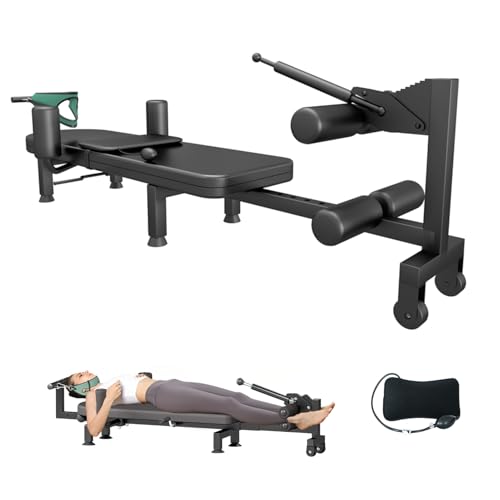


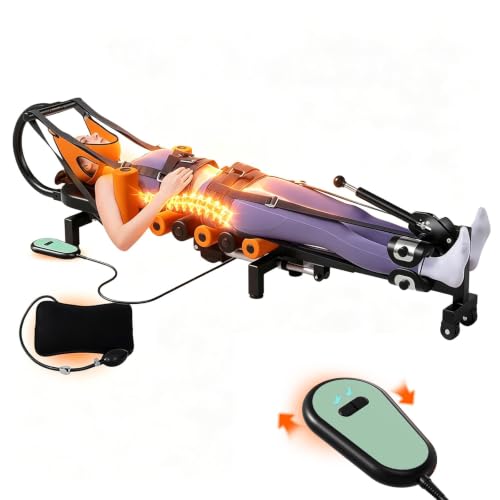


The best spinal decompression treatment table for most home users is the TEETER ComforTrak EP-560, a folding inversion table with a padded decompression surface, adjustable hinge settings and the Ergo Embrace ankle support system — it suits people who want gravity-driven decompression, a compact storage footprint and a brand with a long track record in the inversion category. If you want motorized traction instead of inversion, the APUOCE Motorized Spinal Decompression Table is the strongest mid-range entry point, because pulling force is set on a control unit rather than by body angle. Budget buyers who rank load rating above everything else should start with the Aplsrhun Spinal Decompression Table, listed at a 440 lb capacity — the highest figure in the entry tier covered here. Anyone building a treatment room rather than a home gym should look at the HOTMUZ Spinal Decompression Machine or the Giztud Electric Spinal Decompression Table, both flat-table designs with motorized traction columns.
Top 3 Picks
Best overall: TEETER ComforTrak EP-560. It combines a genuinely comfortable decompression surface with a folding frame that stores in a closet-sized space, and the ankle-hold system is the most refined in this list. It suits the broadest range of home users because inversion requires no motor, no harness threading and almost no maintenance beyond checking pivot bolts. Buy it if you want one piece of equipment that a household of different heights can share.
Best budget: Aplsrhun Spinal Decompression Table. Its 440 lb listed capacity is unusually high for the entry tier and higher than several mid-range machines here, which makes it the right call for larger users or shared households. You give up the motor, the timer and the fine force control, but you also give up the electronics that eventually fail. It is the simplest, sturdiest path into table-format decompression.
Best premium and clinic-style: HOTMUZ Spinal Decompression Machine. This is a flat treatment table with a motorized traction column, the format you see in professional settings, and it suits a home user who wants a permanent treatment room rather than a fold-away device. The Giztud Electric Spinal Decompression Table is the closest alternative and a reasonable substitute if the HOTMUZ configuration does not fit your space. Both are heavy, semi-permanent purchases, so measure the room before ordering.
Quick Comparison
Every table below is grouped by what it is actually good at. Price tiers are relative bands — budget, mid-range and premium — rather than fixed figures, because listing prices move constantly and bundles change.
| Product | Best for | Key specs | Price tier |
|---|---|---|---|
| Aplsrhun Spinal Decompression Table | Budget buyers who need a high load rating | Table-format decompression unit; 440 lb listed capacity; harness-based traction; no motor | Budget |
| APUOCE Motorized Spinal Decompression Table | First motorized traction machine at home | Electric traction motor; adjustable force and timer; lumbar harness; padded table top | Mid-range |
| Flexella Mini Inversion Table | Small rooms, beginners, low ceilings | Compact inversion frame; folding; roller surface; ankle holders; reduced length and height | Budget |
| KOFXVADY Motorized Spinal Decompression Table | Adjustable motorized lumbar traction | Motorized traction with variable force; timer control; lumbar belt; padded top | Mid-range |
| TEETER ComforTrak EP-560 | Full-body inversion stretch at home | Inversion table; approximately 300 lb capacity; fits roughly 4’8″–6’6″; folding; Ergo Embrace ankle cups; multi-position hinge | Premium |
| HOTMUZ Spinal Decompression Machine | Home treatment room, clinic-style format | Flat padded treatment table; motorized traction column; harness system; heavy fixed frame | Premium |
| KOFXVADY Lumbar Traction Decompression Table | Premium lumbar-focused traction device | Lumbar traction format; padded surface; adjustable harness; reinforced frame | Premium |
| Siftary Electric Traction Machine | Combined neck and back traction | Electric traction for cervical and lumbar use; adjustable force; cervical halter plus lumbar belt | Mid-range |
| cadciehe Manual Lumbar Traction Table | Budget manual traction, no electronics | Manual lumbar traction table; 330 lb listed capacity; pulley or lever-style mechanism; padded top | Budget |
| Giztud Electric Spinal Decompression Table | Premium electric table for a home clinic | Motorized electric traction; adjustable force and timer; harness system; heavy frame | Premium |
| HEJUYUYANG Spinal Decompression Traction Table | Mid-range lumbar traction and stretching | Traction table with padded top; adjustable lumbar harness; manual or assisted pull | Mid-range |
| Ouayrhea Professional Electric Traction Table | Budget entry into professional-style electric traction | Electric traction unit; lumbar and cervical capability; adjustable force control | Budget |
How We Chose
This list is built from published specification sheets, category standards and how each unit is positioned in the market — not from physical evaluation, which is not something we do. The first filter was format: inversion tables, manual traction tables and motorized traction tables solve different problems, and mixing them into one ranking would be misleading. The second was load rating and sizing, because a table that cannot safely carry the user or fit the room is not a candidate regardless of features. The third was the control system — hinge settings on inversion tables, pulley or lever mechanisms on manual tables, and force range plus timer on motorized units — since that is what determines how repeatable a session feels. The fourth was the harness system, because webbing quality, padding and buckle design are the parts that wear first and the parts most often skimped on. Finally, we looked at upgrade path and ownership: whether a unit folds away, how much assembly it needs, and whether a buyer at one tier would sensibly move up to another product in this same list later.
1. Aplsrhun Spinal Decompression Table – Best for Budget Home Decompression
As an Amazon Associate we earn from qualifying purchases at no extra cost to you.

The Aplsrhun table is aimed at the buyer who wants a full table-format decompression surface at the lowest price tier and cares most about how much load the frame can carry. Its listing names a 440 lb capacity, the highest figure in the budget group here and higher than several mid-range machines. It suits larger users, shared households where two people of very different sizes will use the same equipment, and anyone who would rather start with a manual, body-weight-assisted setup before committing to a motorized unit.
Key specs
- Type: table-format decompression surface with a padded top and a harness-based traction system.
- Listed weight capacity: 440 lb — the highest in the budget tier covered here.
- Traction method: manual and body-weight assisted rather than motor-driven, so force is controlled by position and harness tension.
- Assembly: flat-pack frame with a bolt-together base; two people make the job faster because the table top and base are the heaviest parts.
- Footprint: plan on the floor area of a single bed, plus clearance at the head end for the harness line.
- Price tier: budget.
The case for this table is load rating per dollar. A 440 lb frame means thicker tubing, more bracing and a wider stance than most entry-tier units, and that shows up in how solid the table feels when you sit on the end to put a harness on. There is no motor to burn out, no control board to fail and no cable to fray under load, so the ownership story is simple: check the bolts every few weeks, wipe the padding, and inspect the webbing for fraying. The trade-off is control. Without a motor you cannot dial in a precise force or set a timed hold, and reproducing the same session twice depends on how you position yourself and how tight you set the harness. That matters if you want measurable progression. It also means the table is better for general stretching and unloading than for structured protocols.
Pros
- 440 lb capacity is exceptional at this price tier and covers almost every user.
- No electronics, so fewer failure points and no power cable across the floor.
- Simple maintenance — bolts, padding and webbing are the entire service list.
- Wide, stable base that suits larger users better than lighter budget frames.
Cons
- No motor, timer or force gauge, so sessions are harder to standardise.
- Does not fold; it occupies a permanent footprint.
- Lumbar-focused — no cervical halter for neck work.
- Heavier than a folding inversion table, so moving it between rooms is a chore.
Against the cadciehe Manual Lumbar Traction Table, the nearest budget alternative, the Aplsrhun wins on capacity: 440 lb versus a listed 330 lb. That gap matters for heavier users and for households that share equipment. The cadciehe counters with a lighter, simpler build that is easier to shift around and slightly less demanding to assemble. If you are under roughly 300 lb and want something you can move, the cadciehe is the more practical buy. If capacity and stability are the priorities, the Aplsrhun is the better choice in this tier.
2. APUOCE Motorized Spinal Decompression Table – Best for First Motorized Traction Machine

The APUOCE is the natural step up for someone who has outgrown body-weight stretching and wants the pulling force set by a machine rather than by posture. It suits home users who want repeatable sessions — same force, same hold time, same ramp — and who have a dedicated corner or spare room where a non-folding table can live. It is also the sensible first motorized unit for someone who has used traction in a professional setting and wants a comparable feel at home.
Key specs
- Type: electric traction table with a motorized pull mechanism and a padded body surface.
- Controls: adjustable traction force plus a timer, so hold duration and intensity can be set independently.
- Harness: lumbar belt and strap system that anchors to the traction carriage.
- Assembly: the frame, carriage and control unit arrive in several pieces; expect a couple of hours with two people.
- Footprint: full table length, non-folding, with clearance at the foot end for the traction line.
- Price tier: mid-range.
The appeal here is repeatability. On a manual table, the force you feel depends on where you lie, how tight the belt is and how much you resist. On a motorized unit the machine applies a defined pull, holds it for a set time, then releases — which is what makes a session feel the same on a Tuesday as it did on a Saturday. The timer also removes the guesswork about how long to hold, and that is genuinely useful for anyone building a routine. Build quality at this tier is solid rather than clinical: the frame is sturdy enough for regular home use, but the padding density and the upholstery finish are a step below premium treatment tables, and the motor is designed for short sessions rather than all-day clinic throughput. Assembly is the main friction point, and the control unit needs to be positioned so the cable is not a trip hazard.
Pros
- Motorized force control makes sessions repeatable and easy to progress.
- Timer removes guesswork about hold duration.
- Substantially cheaper than premium clinic-format tables.
- Lumbar harness included and adjustable for different body sizes.
Cons
- Does not fold, so it needs permanent floor space.
- Motor and control board are the first things to need service over time.
- Padding and upholstery are mid-tier, not clinic-grade.
- Lumbar-focused; neck work requires a different machine.
Compared with the KOFXVADY Motorized Spinal Decompression Table, the two are close cousins in the mid-range tier. The KOFXVADY leans harder into adjustable settings and a slightly more reinforced frame, which suits users who want to fine-tune force in small increments. The APUOCE is the simpler, more approachable machine and the easier first motorized purchase if you do not want to think about configuration options. If you already know the exact force range you want, the KOFXVADY gives you more room to dial it in; if you are new to motorized traction, the APUOCE is less to learn.
3. Flexella Mini Inversion Table – Best for Small Rooms and Beginners

The Flexella Mini is the answer for anyone who wants decompression but does not have the floor space, ceiling height or budget for a full-size table. Its compact inversion frame folds down and the shorter deck means it works in apartments, spare bedrooms and basements with low ceilings. It also suits beginners, because the reduced size makes the rotation feel less intimidating than a full-length table and the roller surface gives an easy entry point into back stretching.
Key specs
- Type: mini inversion table with a roller surface for spinal decompression and stretching.
- Format: compact and folding — noticeably shorter than a full inversion table.
- Support: ankle holders rather than a full harness; no lumbar belt or motor.
- Assembly: light enough for one person to assemble in most cases.
- Storage: folds to a footprint that fits in a closet or against a wall.
- Price tier: budget.
What the Mini does well is remove the barriers. It costs less than a full table, takes up a fraction of the space and can be folded away between sessions, which means it actually gets used rather than becoming a permanent piece of furniture you walk around. The roller surface is the standout feature: instead of just hanging inverted, you can work along the spine in a controlled way, and for many people that is a more comfortable introduction than full inversion. The honest limits are size and support. A mini frame has less deck length, so taller users will find their head closer to the floor and the pivot point in a less ideal position, and ankle holders offer less security than a proper ankle-cup system. There is no harness, no belt and no way to apply targeted lumbar traction. Treat it as a stretching and gentle unloading tool, not a substitute for a full treatment table.
Pros
- Folds away, making it viable in small apartments and shared rooms.
- Lowest barrier to entry in both price and intimidation factor.
- Roller surface adds a controllable spinal stretch beyond simple inversion.
- Light enough for one person to assemble and move.
Cons
- Short deck length limits comfort for taller users.
- Ankle holders provide less security than full ankle-cup systems.
- No harness, so no targeted lumbar traction.
- Lighter frame means lower weight capacity than full-size tables.
Against the TEETER ComforTrak EP-560, the Flexella Mini is a space and budget decision rather than a performance one. The Teeter gives you a longer deck, a far more secure ankle system, a multi-position hinge and roughly a 300 lb capacity — but it costs several times more and needs real room to fold out. If you are under about 5’10”, use the device a few times a week and store it between sessions, the Mini covers the job. If you are tall, want fine control over the inversion angle, or plan to use it daily, the Teeter is worth the jump.
4. KOFXVADY Motorized Spinal Decompression Table – Best for Adjustable Motorized Lumbar Traction
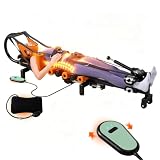
This KOFXVADY unit targets the buyer who wants motorized traction but also wants to tune it. It suits users who have a sense of the force range they like, who want to adjust settings session to session, and who value a reinforced frame over a light, portable one. It is also a reasonable choice for a small home practice where one machine serves several different people of different sizes.
Key specs
- Type: motorized spinal decompression table with an electric traction mechanism.
- Controls: variable traction force and a timed hold, adjustable between sessions.
- Harness: lumbar belt system anchored to the traction carriage, with straps sized for a range of users.
- Frame: reinforced, non-folding, designed for a fixed position.
- Assembly: multi-piece build; the carriage and control unit are the fiddly parts.
- Price tier: mid-range.
The distinguishing feature is adjustment range. Where a simpler motorized table gives you a start and a stop, this one lets you work through settings as your tolerance changes, which is useful if you are following a structured progression or if two people in the household use different forces. The frame is built to take that regular use without the flex you get on lighter tables, and the harness anchoring is designed so the pull stays centred rather than dragging you sideways. On the downside, this is a semi-permanent installation. It does not fold, it is not light, and once it is assembled you will not want to move it. The control unit and motor are also the components most likely to need attention long-term, so keeping the machine on a surge protector and away from damp floors is worth doing from day one.
Pros
- Wider adjustment range than simpler motorized tables.
- Reinforced frame holds up to regular, frequent use.
- Harness anchoring keeps traction centred on the spine.
- Suits multi-user households with different force preferences.
Cons
- Non-folding and heavy — essentially a permanent installation.
- Electronics add failure points that a manual table does not have.
- Assembly takes longer than a folding inversion table.
- Mid-range padding rather than clinic-grade upholstery.
Set against the APUOCE Motorized Spinal Decompression Table, this is the more configurable machine and the APUOCE is the simpler one. Choose the KOFXVADY if you want to work through a range of forces and hold times, or if more than one person will use it. Choose the APUOCE if you want to set one comfortable force and repeat it without thinking about settings. Both occupy similar floor space, so the decision comes down to how much control you actually want.
5. TEETER ComforTrak EP-560 – Best for Full-Body Inversion Stretch at Home

The ComforTrak EP-560 is the pick for the home user who wants a well-built inversion table and intends to use it long-term. It suits people who want gravity-driven decompression without motors or harnesses, who need a table that folds for storage, and who want an ankle-hold system that feels secure rather than like a compromise. It also fits a wide range of user heights, which makes it a good shared-household purchase.
Key specs
- Type: full-size inversion table with a padded decompression surface and a multi-position hinge.
- Weight capacity: approximately 300 lb, the standard rating for this class of table.
- User height range: commonly listed as fitting roughly 4’8″ to 6’6″.
- Ankle system: Ergo Embrace ankle cups with a shaped hold and adjustable setting.
- Storage: folds to a narrow footprint for closet or wall storage.
- Price tier: premium.
Teeter has been making inversion equipment for decades, and the EP-560 shows where that experience goes. The ankle hold is the clearest example: shaped cups distribute pressure across the top of the foot and around the Achilles rather than digging into one spot, which is the difference between a session you finish and one you cut short. The hinge lets you set how far the table rotates, so you can start at a shallow angle and progress rather than committing to full inversion on day one. The bed surface is padded and shaped to support the spine, and the frame folds without tools, which is what makes the table realistic in a normal house. There is no motor, no timer and no lumbar harness, so this is decompression by gravity and body position. For general spinal unloading, stretching and improving mobility that is often enough, and it removes an entire category of maintenance.
Pros
- Ankle-cup system is the most comfortable in this list.
- Multi-position hinge allows gradual progression into inversion.
- Folds without tools for closet or wall storage.
- Wide height fit range suits a shared household.
Cons
- Premium price for a machine with no motorized traction.
- Approximately 300 lb capacity is lower than the Aplsrhun’s 440 lb.
- No harness means no targeted lumbar pull.
- Requires some ceiling and swing clearance when fully inverted.
Compared with the Flexella Mini Inversion Table, the Teeter is bigger, heavier, more expensive and far better built. The Mini wins only on space and cost. If you are tall, want a secure ankle hold, or plan to invert regularly for years, the Teeter is the one to buy. Against the HOTMUZ Spinal Decompression Machine the comparison is format, not quality: the Teeter uses gravity and folds away, while the HOTMUZ uses a motor and stays put. Inversion is the simpler, lower-maintenance route; motorized traction is the more controllable one.
6. HOTMUZ Spinal Decompression Machine – Best for a Home Treatment Room

The HOTMUZ is a clinic-format decompression table: a flat padded treatment surface with a motorized traction column. It suits a home user who has converted a room into a treatment space and wants the same format they would encounter professionally, and it suits small practices that need one dependable machine rather than a portable device. It is not a fold-away product and should be treated as furniture.
Key specs
- Type: flat padded treatment table with a motorized traction column.
- Traction: electric pull with adjustable force and a timed hold cycle.
- Harness: full harness system with belt and strap anchoring at the traction end.
- Frame: heavy, fixed, non-folding, designed to stay in one position.
- Assembly: the most involved build in this list; plan for an afternoon and two people.
- Price tier: premium.
What you are paying for is format. A flat table with a proper traction column puts you in a neutral, supported position and applies a consistent pull along the axis of the spine, which is difficult to replicate on an inversion table or a folding home unit. The harness anchoring is designed for repeated use rather than occasional sessions, and the padding is thicker and denser than mid-range machines. The cost is space and permanence. This table needs a dedicated area, it is heavy enough that you will not move it alone, and assembly is a genuine project with a motorized carriage to align and a control unit to site. It also introduces electronics into a room that may see moisture, so placement and power protection matter.
Pros
- Clinic-format flat table with consistent axial traction.
- Thicker padding and denser upholstery than mid-range units.
- Harness system built for repeated, frequent use.
- Adjustable force and timed holds for structured sessions.
Cons
- Heaviest and least portable option here.
- Requires a dedicated room and a permanent footprint.
- Longest assembly of any table in this list.
- Premium price, and motor service is a real long-term cost.
Its nearest alternative is the Giztud Electric Spinal Decompression Table, another premium electric machine with a similar feature set. The difference is configuration and footprint: the HOTMUZ is the more clinic-like installation, while the Giztud is positioned as a premium home unit that may fit a smaller room. If you have the space and want the professional format, the HOTMUZ is the closer match. If you want premium electric traction but need to fit it into a normal room, check the Giztud’s dimensions first.
7. KOFXVADY Lumbar Traction Decompression Table – Best for Premium Lumbar-Focused Traction
This is KOFXVADY’s premium lumbar traction device, aimed at users who want focused work on the lower back rather than full-body inversion. It suits people who have a specific area they want to target, who want a reinforced frame that will not shift under load, and who prefer a dedicated machine over a multi-purpose one. It is also a sensible choice for a small practice that mostly handles lumbar cases.
Key specs
- Type: lumbar traction decompression table with a padded surface.
- Focus: lower-back traction rather than cervical or full-body work.
- Harness: adjustable lumbar harness with a reinforced anchor point.
- Frame: heavier build than the brand’s mid-range motorized unit.
- Assembly: fixed installation; assemble once and leave it.
- Price tier: premium.
Focused machines do one job better than general ones, and that is the argument here. Because the frame and harness are designed around lumbar traction, the anchoring geometry is more direct and the pull stays where you want it. The reinforced build also means less flex when force is applied, which makes sessions feel more consistent. The trade-off is scope: this table will not help with neck work, and it does not offer the full-body stretch you get from an inversion table. If your needs change, you will be buying a second machine. It is also a fixed, heavy installation, so it belongs in a space you have already committed to.
Pros
- Purpose-built for lumbar traction with direct harness anchoring.
- Reinforced frame reduces flex under load.
- Premium build quality relative to mid-range tables.
- Suits a small practice focused on lower-back cases.
Cons
- No cervical or full-body capability.
- Premium price for a single-purpose machine.
- Heavy and non-folding.
- Overkill for a casual home user.
Against the HEJUYUYANG Spinal Decompression Traction Table, this KOFXVADY is the more specialised and more expensive machine. The HEJUYUYANG sits in the mid-range tier and covers general lumbar stretching and traction at a lower cost, which is plenty for occasional home use. Buy the KOFXVADY if you want the reinforced build and plan to use it frequently; buy the HEJUYUYANG if you want the same category of function without the premium outlay. Within the same brand, this table is the heavier-duty sibling of the KOFXVADY motorized unit above.
8. Siftary Electric Traction Machine – Best for Combined Neck and Back Traction

The Siftary is the pick for anyone who needs both cervical and lumbar traction from one machine. It suits users whose needs span the neck and lower back, and it is a practical choice for a home setup where a single device has to cover more than one area. It also works for someone who has used both types of traction professionally and wants both available at home.
Key specs
- Type: electric traction machine for neck and back, in a bed-style format.
- Coverage: cervical halter plus lumbar belt, so both regions can be addressed on one unit.
- Controls: adjustable traction force with a timed hold.
- Frame: bed-format, non-folding, with a traction column at one end.
- Assembly: moderate — frame plus control unit plus harness routing.
- Price tier: mid-range.
Two-region capability is the whole point. Most machines at this price cover the lower back only, which means neck work requires a separate purchase or a professional visit. Having a cervical halter and a lumbar belt on the same machine is a genuine convenience, and it makes the unit more useful across a household. The bed format also puts you in a supported, horizontal position, which many people find easier to relax into than an inverted one. The caveats are familiar for this category: it does not fold, the motor and controls are long-term service items, and the upholstery is mid-tier rather than clinic-grade. Cervical traction in particular should be approached carefully, and it is worth discussing appropriate force and duration with a qualified professional before you start.
Pros
- Handles both cervical and lumbar traction on one machine.
- Adjustable force and timed holds for structured sessions.
- Horizontal bed format is comfortable and easy to relax into.
- Better value than buying two separate single-region devices.
Cons
- Non-folding, so it needs permanent space.
- Mid-tier padding and upholstery.
- Motor and control unit are the likely service points.
- Cervical traction needs care and professional guidance.
Compared with the Ouayrhea Professional Electric Traction Table, the Siftary is the more capable unit: it is positioned as a two-region machine in the mid-range tier, while the Ouayrhea is a budget entry into professional-style electric traction with similar coverage at a lower build standard. If you want the flexibility of neck and back work and can stretch to mid-range, the Siftary is the better long-term buy. If budget is the hard limit and you mostly need lumbar work, the Ouayrhea covers the basics.
9. cadciehe Manual Lumbar Traction Table – Best for Budget Manual Traction

The cadciehe is for the buyer who wants manual lumbar traction, no electronics and the lowest possible outlay. Its listing names a 330 lb capacity, which comfortably covers most users. It suits people who want a simple, mechanical device they can operate themselves, and anyone who is wary of motors, cables and control boards in a piece of equipment they will lie on.
Key specs
- Type: manual lumbar traction table with a padded top.
- Listed weight capacity: 330 lb.
- Mechanism: manual pull — pulley or lever style — with no motor or control unit.
- Assembly: straightforward bolt-together frame; lighter than motorized tables.
- Footprint: full table length, non-folding, but light enough to reposition with help.
- Price tier: budget.
Manual traction has an old-fashioned appeal that holds up: nothing to plug in, nothing to fail, and a force you can feel and modulate by hand. The 330 lb capacity is more than enough for the vast majority of users, and the lighter frame means this table is easier to assemble and shift than a motorized equivalent. The mechanism is also easy to inspect — you can see the whole system and check it in seconds. The limits are precision and convenience. You cannot set an exact force or a timed hold, so sessions are harder to compare week to week, and applying and releasing traction is a manual process rather than a button press. It is also lumbar-only, with no cervical option.
Pros
- 330 lb capacity covers most users comfortably.
- No electronics at all — nothing to burn out or recalibrate.
- Lightest full-size table format in this list.
- Mechanism is visible and easy to inspect and maintain.
Cons
- No force gauge or timer, so sessions are hard to standardise.
- Manual operation means less convenience than a motorized unit.
- Lumbar-only; no neck capability.
- Lower capacity than the 440 lb Aplsrhun at the same tier.
Set against the Aplsrhun Spinal Decompression Table, the cadciehe gives up 110 lb of capacity and gains a lighter, easier-to-handle frame. If you are under roughly 300 lb, want something you can move and assemble alone, and value simplicity above all, the cadciehe is the better fit. If you are a heavier user or share the table with someone who is, the Aplsrhun’s 440 lb rating is worth the extra bulk. Both are manual, so the choice is genuinely about weight and portability.
10. Giztud Electric Spinal Decompression Table – Best for a Premium Electric Home Setup

The Giztud is a premium electric decompression table aimed at home users who want motorized traction with a higher standard of build than the mid-range machines. It suits someone who has committed a room to the equipment, wants adjustable force and timed holds, and would rather buy once at the top of the home range than upgrade in two years.
Key specs
- Type: electric spinal decompression table with a motorized traction mechanism.
- Controls: adjustable force and a timed hold cycle.
- Harness: full harness system with anchored straps.
- Frame: heavy, non-folding, built for a fixed position.
- Assembly: substantial — frame, carriage, control unit and harness routing.
- Price tier: premium.
The premium tier buys you a sturdier frame, denser padding and a motor intended for more frequent use than the mid-range units. That matters if you plan to use the table most days: cheaper motors and thinner upholstery are what give out first under daily load. The control set is straightforward — force and time — which keeps operation simple while still allowing progression. The practical downsides are the same as any premium electric table. It is heavy, it does not fold, assembly is a project, and the electronics are the long-term service risk. Buying at this tier only makes sense if you have the space and the routine to justify it.
Pros
- Sturdier frame and denser padding than mid-range electric tables.
- Motor built for more frequent use than budget-tier units.
- Adjustable force and timed holds for structured progression.
- Full harness system with secure anchoring.
Cons
- Premium price for a home-format machine.
- Heavy and non-folding; needs a dedicated space.
- Electronics are the likely long-term failure point.
- Assembly takes real time and two people.
Against the HOTMUZ Spinal Decompression Machine, the Giztud is the more home-oriented of the two premium electric options. The HOTMUZ leans toward the clinic format with a flat treatment table and a traction column; the Giztud is positioned as a premium home unit that may fit a more modest room. Both deliver adjustable motorized traction with a full harness. If you want the professional format and have the space, take the HOTMUZ. If you want premium electric traction that lives in a normal room, the Giztud is the more practical premium choice.
11. HEJUYUYANG Spinal Decompression Traction Table – Best for Mid-Range Lumbar Traction

The HEJUYUYANG is a mid-range lumbar traction and stretching table for home users who want table-format decompression without paying premium prices. It suits people who mainly want to unload and stretch the lower back, who have space for a fixed table, and who prefer a padded surface to an inverted position. It is also a reasonable middle step for someone who is not ready to commit to a motorized machine.
Key specs
- Type: lumbar traction and decompression table with a padded top.
- Harness: adjustable lumbar belt and strap system.
- Operation: assisted pull rather than a full motorized control unit.
- Frame: non-folding,
Affiliate disclosure. As an Amazon Associate we earn from qualifying purchases at no extra cost to you. Prices accurate as of the date shown.Best Spinal Decompression Treatment TablesCheck price on Amazon