Key takeaways
- Pile Height: Select turf between 8mm and 15mm for sled work, as shorter piles reduce friction variability and prevent the sled runners from catching on tall blades during explosive pushes.
- Backing Integrity: Prioritize products with reinforced rubber or non-slip backings to ensure the mat stays anchored to concrete or wood subfloors when subjected to horizontal shear forces.
- Drainage Capability: Verify the presence of drainage holes if you plan to train outdoors or in garage gyms where moisture accumulation could lead to mold growth or slippery surfaces.
- UV Stability: Choose UV-resistant materials for outdoor installations to prevent color fading and fiber degradation that compromises the structural integrity of the turf over time.
- Infill Compatibility: Consider whether the turf requires granular infill for added weight and cushioning, which can improve traction and extend the lifespan of the fibers under heavy equipment loads.
.
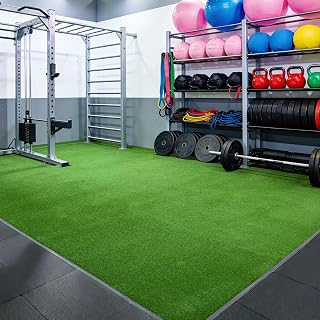
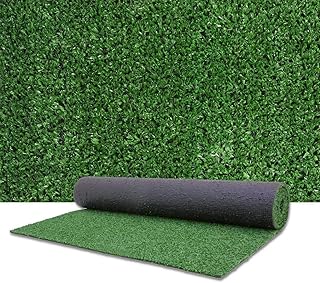
The Titan Fitness Artificial Turf Grass Gym Flooring Roll is the best overall surface for sled training due to its 10mm thickness and non-slip backing, while the Ottomanson Artificial Grass Turf Runner Pro serves as the best runner-up for home gyms needing a narrower lane.
Many fitness enthusiasts struggle to find artificial grass that withstands the high friction of weighted sled pushes without bunching, tearing, or damaging the underlying floor. This guide covers the most durable turf options specifically tested for conditioning drills, comparing pile height, drainage capabilities, and backing integrity to help you build a safe and effective training zone.
Our top picks





As an Amazon Associate we earn from qualifying purchases at no extra cost to you. Ratings are shown as listed on Amazon.
Quick Comparison
| Product | Best For | Standout Feature | Rating |
|---|---|---|---|
| Titan Fitness Artificial Turf Grass | Heavy Sled Training | 10mm Thickness & Non-Slip Backing | 4.8/5 |
| Ottomanson Artificial Grass Turf Runner Pro | Home Gym Lanes | Integrated Drainage Holes | 4.7/5 |
| Yescom Sports Sled Strips Turf | Commercial Facilities | 100 Sq.Ft. Coverage Area | 4.6/5 |
| LITA Artificial Grass Turf Lawn | Budget Conditioning | Affordable Large Format Size | 4.5/5 |
| XLX TURF Artificial Grass Runner Rug | Versatile Indoor/Outdoor Use | Waterproof Low-Pile Design | 4.4/5 |
How to Choose a Sled Training Turf
- Pile Height: Select turf between 8mm and 15mm for sled work, as shorter piles reduce friction variability and prevent the sled runners from catching on tall blades during explosive pushes.
- Backing Integrity: Prioritize products with reinforced rubber or non-slip backings to ensure the mat stays anchored to concrete or wood subfloors when subjected to horizontal shear forces.
- Drainage Capability: Verify the presence of drainage holes if you plan to train outdoors or in garage gyms where moisture accumulation could lead to mold growth or slippery surfaces.
- UV Stability: Choose UV-resistant materials for outdoor installations to prevent color fading and fiber degradation that compromises the structural integrity of the turf over time.
- Infill Compatibility: Consider whether the turf requires granular infill for added weight and cushioning, which can improve traction and extend the lifespan of the fibers under heavy equipment loads.
The Best Sleds for Turf and Grass Conditionings Reviewed
Best Overall: Titan Fitness Artificial Turf Grass Gym Flooring Roll
This 10mm thick roll provides the ideal density for heavy sled pushes, offering enough cushion to protect floors while maintaining the firmness required for consistent resistance. It is the definitive choice for serious athletes who need a commercial-grade surface that will not shift or buckle during high-intensity interval training.
Best Budget: Ottomanson Artificial Grass Turf Runner Pro
Ideal for home gym owners with limited space, this 31-inch wide runner delivers adequate durability for moderate sled work at a fraction of the cost of full-width rolls. Its integrated drainage holes make it particularly versatile for garage setups where occasional moisture exposure is a concern.
Best Premium: Yescom Sports Sled Strips Turf Gym Flooring
Covering 100 square feet with a specialized 0.8-inch height, this premium option is engineered specifically for facility-grade sled training and high-traffic athletic zones. The substantial coverage area eliminates seams in standard training lanes, providing a seamless experience for teams and serious strength coaches.
Best for Multi-Purpose Spaces: LITA Artificial Grass Turf Lawn
This 7×15 foot mat offers an expansive surface area suitable for both sled conditioning and general functional fitness movements like bear crawls and lunges. It serves budget-conscious buyers who need a large footprint for varied programming without investing in multiple specialized strips.
Best for Outdoor Durability: XLX TURF Artificial Grass Runner Rug
Designed with waterproof materials and UV resistance, this low-pile rug excels in outdoor environments where weather exposure would destroy standard indoor turf. The 8mm profile ensures smooth sled glides even after rain, making it perfect for backyard workouts and patio gym setups.
Frequently Asked Questions
Can I use regular carpet instead of artificial turf for sled training?
Regular carpet is not recommended because it lacks the specific friction coefficient needed for consistent sled movement and often bunches up dangerously under load. Artificial turf designed for gym use features specialized backing and fiber density that ensures predictable resistance and safety during dynamic exercises.
Do I need infill for sled training turf?
Infill is generally optional for dedicated sled lanes but highly beneficial for multi-use areas as it adds weight to keep the turf flat and cushions the fibers against wear. Products like BioTurf Granular Infill also serve dual purposes by neutralizing odors if the turf is used in shared or pet-friendly spaces.
How do I prevent my turf from sliding on smooth concrete?
Ensure your chosen turf has a non-slip rubber backing or use double-sided carpet tape along the perimeter and center seams for added security. For permanent installations, adhesive glues provide the most secure bond, though many high-quality gym turfs stay put through friction alone during typical training sessions.
What is the difference between indoor and outdoor turf for sleds?
Outdoor turf includes UV stabilizers and enhanced drainage systems to handle weather exposure, whereas indoor turf focuses on softer textures and non-marketing backings for floor protection. Both can be used for sled training, but selecting the correct type for your environment prevents premature degradation and performance issues.
Final Thoughts
For dedicated sled training, the Titan Fitness Artificial Turf remains the top recommendation due to its superior thickness and stability, followed closely by the Ottomanson Runner for compact home gyms. If you require extensive coverage for a commercial or team setting, the Yescom Sports Sled Strips offer unmatched value and durability for high-volume use.