Key takeaways
- Bumper plates: Rubber-coated plates like those in the CAP speckled sets can be dropped safely and protect your floor, ideal for deadlifts and cleans.
- Cast iron plates: Options like the CAP 110 lb Elite or XDDIAS pairs are compact and cheaper per pound but noisy and hard on floors if dropped.
- Starter weight: A 160 lb package covers most beginners for months; the 260 lb sets give room to grow into heavier squats and deadlifts.
What's inside
An Olympic barbell set is the backbone of any serious home strength program. Unlike fixed dumbbells or machines, a barbell scales with you almost indefinitely, letting you add small plates for years of progressive overload on squats, deadlifts, presses, and rows. But the specs, from bar diameter to plate type, confuse most first-time buyers.
This guide breaks down exactly what “Olympic” means, how to pick the right bar and plates, and what a beginner actually needs before spending money. Whether you are eyeing a complete package like a CAP 160 lb speckled set or building piece by piece, you will finish knowing how to buy smart in 2026 instead of overpaying for weight you cannot yet use.
As an Amazon Associate we earn from qualifying purchases.




⚡ Save on Your Next PC — Amazon Prime
Prime members get fast free shipping on the systems above, plus early access to Prime Day & Black Friday PC deals. New members get a 30-day free trial.
Watch: Beginner’s Guide to Olympic Barbell Sets for Home — Video Review
What Makes a Barbell “Olympic”
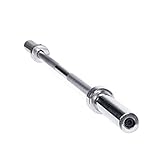
The term Olympic refers to the 2-inch sleeve diameter, the thick ends where plates slide on, not the bar’s whole length. Olympic plates have a 2-inch center hole to match, while standard plates use a 1-inch hole and are not compatible. A full-size Olympic bar is 7 feet and weighs about 45 lb, giving you the stability needed for heavy compound lifts.
Bar Length and Weight Options
Not every home needs a 7-foot bar. A 7-foot 45 lb bar like the one in the CAP 160 lb or 260 lb sets fits a standard rack and handles the heaviest loads. A shorter 5-foot bar, such as the CAP 25 lb Olympic barbell, weighs less and suits tight spaces or lighter lifters, though it will not span a full power rack. Match bar length to your rack width and ceiling first.
Choosing Your Plates
- Bumper plates: Rubber-coated plates like those in the CAP speckled sets can be dropped safely and protect your floor, ideal for deadlifts and cleans.
- Cast iron plates: Options like the CAP 110 lb Elite or XDDIAS pairs are compact and cheaper per pound but noisy and hard on floors if dropped.
- Starter weight: A 160 lb package covers most beginners for months; the 260 lb sets give room to grow into heavier squats and deadlifts.
Do You Need a Bench and Rack?
A bar and plates alone let you deadlift, row, and clean, but pressing safely needs support. A combo like the CAP Standard Weight Bench with leg developer and included weight set gets beginners pressing and squatting on a budget, though a dedicated power rack is the safer long-term investment once you lift heavier.
Tips
- Start lighter than your ego: Master form with an empty or lightly loaded bar before chasing numbers.
- Buy fractional plates early: Small 1.25 to 2.5 lb jumps keep progress steady when big increments stall you.
- Protect your floor: Use rubber bumper plates or a lifting mat to guard both the floor and the bar.
- Always use collars: Clamp plates in place so they never shift mid-lift and throw off your balance.
Frequently Asked Questions
How much weight should a beginner start with?
A 160 lb set including the bar is plenty for most beginners. It covers squats, presses, and rows for months while you build technique before adding more plates.
Are bumper plates or iron plates better for home?
Bumper plates are safer to drop and quieter, protecting your floor during deadlifts. Iron plates cost less per pound and take up less space but are loud and unforgiving if dropped.
Can I use a 5-foot bar instead of a 7-foot one?
Yes for lighter lifting and small spaces, but a 5-foot bar will not fit inside a full power rack and handles less weight. Choose 7 feet if you plan to lift heavy in a rack.
Do I need a squat rack right away?
Not immediately. You can deadlift and row without one, and a bench with uprights covers early pressing. A dedicated rack becomes essential once your squats and presses get heavy.
Conclusion
An Olympic barbell set is the single best long-term strength investment for a home gym because it grows with you for years. Beginners should start with a complete package around 160 lb, prioritize a 7-foot bar if a rack is in your future, and add fractional plates to keep progressing. Get the fundamentals right and a simple bar and plates will outlast every fad machine you could buy instead.