Our Top Picks
 Musugy Sequential Leg Compression Massager for Circulation :Medium9.84 x 7.8 x 15.75 InchesCheck on Amazon
 Hyperice Normatec 3 Legs Compression Boots Full LegStandard16.58 x 13.72 x 16.67 Inches13.4 poundsCheck on Amazon
The best compression boots for most athletes are sequential air-compression sleeves that fit your leg length, give you several pressure levels and run in a way that suits where you actually recover. Among these nine listings, the Hyperice Normatec 3 and Normatec Elite and the Therabody JetBoots Prime sit at the premium end, QUINEAR, FIT KING and Anaconda fill the middle, and the Musugy is the budget option. None of the titles prove comfort or durability, so use this page to narrow the field and then read each listing’s size chart before you order.
Top picks at a glance

QUINEAR Leg Recovery Compression System for Athlete Post Workout, Professional Sequential Device for Massage Therapy, Foot and Leg Recovery Boots, Improve Circulation Reduce Muscle Soreness (Medium)


As an Amazon Associate we earn from qualifying purchases. Product prices and availability are accurate as of the date/time indicated.
Musugy Sequential Leg Compression Massager for Circulation : Full Leg Air Compression Boots for Massage Therapy & Fatigue Relief - 9 Intensity, 6 Modes, 3 Timers for Athletes, Runners, Gym (Medium)


As an Amazon Associate we earn from qualifying purchases. Product prices and availability are accurate as of the date/time indicated.
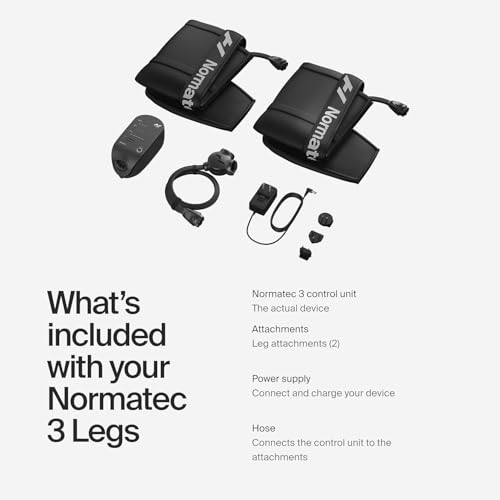
Hyperice Normatec 3 Legs Compression Boots Full Leg Recovery Size Standard | Relieve Muscle Aches Pain | Reduce Tension Swelling | 7 levels | Increase Circulation | ZoneBoost | FSA-HSA Eligible | TSA




As an Amazon Associate we earn from qualifying purchases. Product prices and availability are accurate as of the date/time indicated.

FIT KING Air Compression Recovery System, Full Leg Massager Boots (Medium) | Sequential Compression Device for Fast Recovery, Enhance Performance for Athletes, FSA-HSA


As an Amazon Associate we earn from qualifying purchases. Product prices and availability are accurate as of the date/time indicated.
QUINEAR Air Compression Recovery Boots for Athletes, Leg Recovery Large | FSA-HSA, Sequential Compression Device, 4 Air Chambers, 50–120 mmHg, Smart Pressure Sensing, Leg Circulation Massager


As an Amazon Associate we earn from qualifying purchases. Product prices and availability are accurate as of the date/time indicated.

Anaconda Wireless Leg Compression Boots – Air Recovery System for Athletes, Leg Massager for Circulation with 4 Sequential Zones, 3 Modes, Long Lasting 4-Hour Battery (Medium)


As an Amazon Associate we earn from qualifying purchases. Product prices and availability are accurate as of the date/time indicated.
QUINEAR Air Compression Recovery System, Professional Sequential Device for Massage Therapy, Foot and Leg Recovery Boots to Improve Circulation for Athletes, FSA-HSA Eligible (Small)
As an Amazon Associate we earn from qualifying purchases. Product prices and availability are accurate as of the date/time indicated.

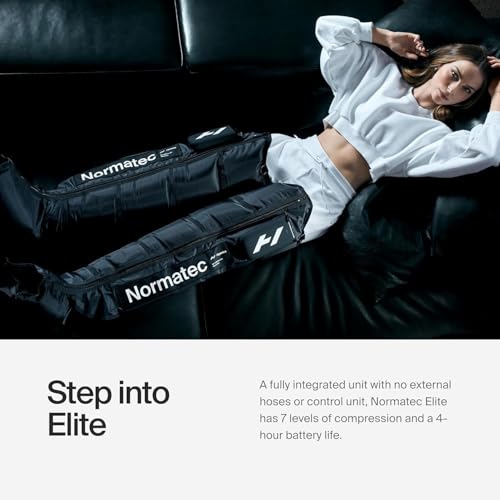
Hyperice Normatec Elite Wireless Compression Boots Recovery Size Standard | Increase Circulation | Symmetrical Massage | Bluetooth | Reduce Aches Pains | Pressure Sensor Feedback | 7 levels | Portable




As an Amazon Associate we earn from qualifying purchases. Product prices and availability are accurate as of the date/time indicated.

Therabody JetBoots Prime Wireless Compression Boots | Regular 30-34" Inseam | 4 Pressure Levels Boost Circulation, Reduce Soreness & Speed Recovery | Regular 32–37" Leg Length | Measure Before Ordering


As an Amazon Associate we earn from qualifying purchases. Product prices and availability are accurate as of the date/time indicated.
| Model | Key point from the title | Price tier | Best for |
|---|---|---|---|
| Hyperice Normatec 3 Legs | Full leg, 7 levels, ZoneBoost, FSA-HSA eligible | Premium | Buyers who want a known brand and a mid-line Hyperice model |
| Hyperice Normatec Elite | Wireless, Bluetooth, pressure sensor feedback, 7 levels | Premium | Frequent travelers and heavy users |
| Therabody JetBoots Prime | Wireless, 4 pressure levels, measure-before-ordering sizing | Premium | People already in the Therabody ecosystem |
| QUINEAR Air Compression Recovery Boots (Large) | 4 air chambers, 50-120 mmHg, smart pressure sensing | Mid-range | Taller or larger-legged users who want stated pressure numbers |
| QUINEAR Leg Recovery System (Medium) | Sequential device, post-workout focus | Mid-range | Average-sized athletes comparing brands |
| QUINEAR Recovery System (Small) | Sequential device, FSA-HSA eligible | Mid-range | Smaller frames needing a snug fit |
| FIT KING Air Compression Recovery System | Full leg, Medium, FSA-HSA | Mid-range | Shoppers who want a mid-priced full-leg set |
| Anaconda Wireless Leg Compression Boots | 4 sequential zones, 3 modes, 4-hour battery | Mid-range | Cord-free use at home or on the road |
| Musugy Sequential Leg Compression Massager | 9 intensities, 6 modes, 3 timers | Budget | First-time buyers who want many settings for less |
What is changing in this category
Air-compression recovery used to be something you saw in a physio clinic or a pro team’s locker room. Over the last several years the idea has spread to gyms, running clubs and home setups, and the product range has widened from a handful of established names to a long list of lower-priced sellers. That is why a single results page now mixes premium branded systems with budget sleeves that share similar feature lists.
Three themes show up in the titles here. The first is cordless operation: the Anaconda, Therabody and Hyperice Elite listings all say wireless, which suggests battery packs are becoming a standard feature rather than a luxury. The second is app or sensor integration, with the Elite title naming Bluetooth and pressure sensor feedback and the larger QUINEAR title mentioning smart pressure sensing. The third is health-account eligibility language such as FSA-HSA, which sellers appear to use as a selling point.
If a premium unit starts to look like overkill, our QUINEAR versus Hyperice Normatec 3 comparison lays out that exact trade-off. It is worth staying measured. Many claims about circulation and soreness are marketing language, and research on compression devices for recovery is mixed and still developing. The practical way to read this market is to treat the feature list as a menu of conveniences, such as modes, timers, battery life and sizing, rather than as proof of results.
How these nine were picked
This roundup is built from published specifications, manufacturer documentation and buyer reviews that sellers display, not from our own use of the equipment. Nobody on the team used or measured these units. We included listings that were clearly full-leg or leg-recovery compression systems, kept a spread of brands and sizes, and ordered the discussion by how much the title tells you. Where a title is silent, we say to check the listing. Price tiers are relative within this set, and no prices are quoted because they change often.
The nine listings, one by one
Hyperice Normatec 3 Legs Compression Boots (Standard)
The title states full-leg recovery, size Standard, seven levels, ZoneBoost and FSA-HSA eligibility, plus a TSA mention that points to travel use. It is one of two Hyperice listings here and sits in the premium tier. If you want a recognized brand and a sizeable feature list, it is the obvious reference point for everything cheaper.
One point deserves care: the title says Standard, but it does not state the range of leg lengths that Standard covers. Shorter and taller users often fall outside a single size, so compare the seller’s chart with your own measurement before you rely on the brand name alone.
Scenario: a marathon runner finishing long weekend runs who wants a repeatable evening routine and is comfortable paying for a brand name.
Pros
- Seven stated levels give room to start gently
- Full-leg coverage, per the title
- FSA-HSA eligibility is stated
Cons
- Premium tier in this set
- The title does not say whether it is corded or battery powered; check the listing
Check the listing for the size chart, controller type, warranty and what ZoneBoost does, since the title only names it. Question to ask before buying: does my leg length fall inside the Standard range?
Hyperice Normatec Elite Wireless Compression Boots (Standard)
This is the other Hyperice model, and the title calls out wireless operation, Bluetooth, symmetrical massage, pressure sensor feedback, seven levels and portability. It is the highest-tier listing in the set and aimed at people who use recovery gear often and travel with it.
The words symmetrical massage and pressure sensor feedback are the seller’s way of saying the device adjusts as it works. How that behaves on a real leg is something this page cannot confirm, so read buyer comments on comfort and on how the app or controller feels day to day.
Scenario: a triathlete who trains daily, flies to races and wants the boots to work from a hotel chair without a power outlet nearby.
Pros
- Wireless and portable, according to the title
- Pressure sensor feedback is named
- Seven levels for gradual adjustments
Cons
- Top of the price range here
- Bluetooth means an app or pairing step you may not want
Check the listing for battery life and charging time, because the title mentions neither. Question to ask before buying: will I use the wireless and sensor features often enough to justify the gap over the Normatec 3?
Therabody JetBoots Prime Wireless Compression Boots (Regular)
The title mentions four pressure levels, wireless operation and a measure-before-ordering warning. It also lists two measurements, a 30-34 inch inseam and a 32-37 inch leg length, which are different measurements that sit next to each other and may confuse you. Treat that as a reason to read the size chart twice. It lands in the premium tier.
The listing also describes the boots as helping to reduce soreness and speed recovery, both seller claims. With only four pressure levels, it suits people who prefer fewer decisions, but heavy users who like fine control may find the Hyperice menu closer to what they want.
Scenario: someone who already owns other Therabody gear and wants wireless boots with a straightforward set of four levels.
Pros
- Wireless, per the title
- Four levels keep choices simple
- Sizing guidance is at least mentioned up front
Cons
- Fewer stated levels than the Hyperice models
- Two overlapping size ranges in the title; verify which applies
If you already own the wireless version, our common JetBoots problems guide is useful reading. Check the listing for battery life, session length and the return policy for sizing issues. Question to ask before buying: which of my two leg measurements does the seller use to decide Regular?
QUINEAR Air Compression Recovery Boots, Large
Of the three QUINEAR listings, this is the one that states numbers: four air chambers, 50-120 mmHg, smart pressure sensing and FSA-HSA eligibility. Millimeters of mercury is the unit used for pressure on compression products, so the range tells you what the maker claims the device can deliver. It is mid-range.
Because this is the only QUINEAR title with numbers, it works as a reference for what the brand claims across its range. If you are shopping the family, read this one first, then decide whether the Medium or Small listing offers enough detail on its own page.
Scenario: a taller lifter or rower who finds Medium sleeves too short and wants pressure figures printed on the listing.
Pros
- Stated pressure range and chamber count
- Smart pressure sensing is named
- Large size is available
Cons
- Four chambers is a modest count; the title does not describe zone behavior
- Seller claims for pressure are not independently confirmed here
Check the listing for the Large size chart and whether pressure sensing is automatic or adjustable. Question to ask before buying: is the top of the pressure range comfortable, or will I live at the low end?
QUINEAR Leg Recovery Compression System, Medium
The title says this is a sequential device for athletes after workouts and promotes improved circulation and less soreness, both seller claims. It shares an image and wording with the other QUINEAR listings, so it appears to be the same product family in a different size. It is mid-range.
The title uses professional-sounding language about massage therapy and athlete recovery, which is typical of the category and not a measurement. Treat the phrase as marketing and focus on the practical items: fit, noise, controller design and how the seller handles returns.
Scenario: an average-sized recreational runner who wants a middle-priced unit and can match the Medium range.
Pros
- Sequential design is stated
- Medium is the size many adults fall into
- Same brand as the Large and Small listings makes comparisons easy
Cons
- Title gives no pressure, chamber or mode details
- Near-duplicate wording with other listings can make it hard to tell what differs
Check the listing for modes, timer and the size range. Question to ask before buying: what does this listing include that the Large one does not?
QUINEAR Air Compression Recovery System, Small
The Small listing mirrors the others in wording, adding FSA-HSA eligibility and a massage-therapy angle. It matters mainly because small frames can be poorly served by universal sleeves, and having a dedicated Small is useful. Price tier is mid-range.
A listing for a Small size is also a reminder that size options differ by seller. If you land between Small and Medium, a clear exchange policy matters more than the small differences in features among the QUINEAR pages.
Scenario: a smaller-framed gymnast or distance runner who found other boots loose and bunching.
Pros
- Dedicated Small size
- FSA-HSA eligibility is stated
- Familiar brand family
Cons
- No numbers in the title for pressure or modes
- The three QUINEAR listings are hard to distinguish; read each carefully
Check the listing for leg-length limits and what is in the box. Question to ask before buying: does the Small cover my full leg, including the thigh section?
FIT KING Air Compression Recovery System, Medium
The title names full-leg boots, a sequential design, Medium size and FSA-HSA eligibility, with an emphasis on recovery and athletic performance. It is in the mid-range tier and is a straightforward alternative to the QUINEAR sets. FIT KING has its own brand roundup on this site, which suggests it is a brand shoppers search for by name.
Because the title mentions recovery and enhanced performance together, remember that rest, sleep and training load shape performance far more than any device does. The practical use of this set is comfort and routine, not a shortcut.
Scenario: a weekend cyclist who wants full-leg coverage without paying premium-brand prices.
Pros
- Full-leg coverage, per the title
- Sequential device
- FSA-HSA eligibility is stated
Cons
- No mode or pressure details in the title
- Performance-enhancement wording is a marketing claim
Check the listing for levels, timer and the size chart. Question to ask before buying: how many pressure levels does it have, and can I start low?
Anaconda Wireless Leg Compression Boots, Medium
The title lists four sequential zones, three modes and a four-hour battery, with wireless operation. That combination is the clearest cordless offering outside the premium brands. It is priced in the mid-range tier, though toward its upper edge.
Four sequential zones suggests the sleeves inflate in stages along the leg, which is the standard pattern for this category, but the title does not describe the pressure range. If you care about intensity, look for a figure in the description or manual before deciding.
Scenario: a commuter cyclist who wants to use the boots at a desk or on a train and values not hunting for an outlet.
Pros
- Cord-free with a stated four-hour battery
- Four sequential zones
- Three modes keep it easy
Cons
- Only three modes and no intensity count in the title
- Battery life is a seller claim; real runtime depends on settings
Check the listing for charge time, pressure range and the sizing chart. Question to ask before buying: how many sessions does one charge give at the settings I will use?
Musugy Sequential Leg Compression Massager, Medium
The Musugy lists nine intensity levels, six modes and three timers, aimed at athletes, runners and gym-goers, and it is the lowest-priced listing here. For a beginner it offers the biggest settings menu for the money, though a long feature list is not the same as build quality or durability.
The title also calls out full-leg air compression and mentions massage therapy and fatigue relief. As with every listing here, those outcomes are the seller’s wording. A low price and a long settings list are a reasonable invitation to try, but they do not tell you how long the pump or sleeves will last.
Scenario: someone trying compression for the first time who wants to see whether they like it before committing to a premium system.
Pros
- Nine intensities and six modes
- Three timers
- Budget tier in this set
Cons
- Title does not name chambers, pressure range or power source
- Less brand history to lean on; read warranty terms closely
Check the listing for power type, motor noise reports and return terms. Question to ask before buying: what is the return window if the fit is wrong?
Buying guide
Start with sizing
Most returns on leg-recovery gear come from fit. Brands usually define sizes by inseam or leg length, sometimes with a note about thigh or calf circumference. Measure the way the listing describes, preferably barefoot, then compare with the chart. If the listing offers only broad words such as Small, Medium or Large, look in the images or description for numeric ranges.
Pressure and modes
More levels give finer control, but the starting level matters most. Beginners should pick a unit that starts gently. A stated range such as 50-120 mmHg tells you the maker’s claimed span, not which part of it feels right. Modes usually change the pattern of inflation; check the listing to see whether they matter to you.
Power and portability
Wireless units can cost more, and battery claims vary with intensity. If you travel, look for a stated battery life, a charging method and whether the pack is carry-on friendly. If you recover at one spot at home, a corded unit avoids charge anxiety.
Comfort, noise and storage
Sleeves that look the same in photos can feel very different. Material, zipper design and how well the sleeve conforms around the ankle and thigh all affect comfort, and none of that appears in these titles. Read buyer comments for mentions of pump noise, because a loud motor ruins an evening wind-down. Also think about storage: full-leg sleeves, hoses and a controller take space, so look for a carry bag in the listing if you plan to travel or keep the kit in a gym locker.
Warranty, returns and eligibility
A recovery device is only worth buying if you will keep using it, and a reasonable return window helps you find out. Compare warranty length, what it covers and who handles claims. FSA-HSA wording appears on several listings, but eligibility depends on your plan, so confirm with your administrator first.
Safety and who should ask first
Compression devices change blood flow in the legs. People with clotting disorders, circulation problems, active infection, fresh injuries, skin conditions or other health concerns should ask a clinician before use. Follow the manufacturer’s instructions on session length and pressure, never use them over broken skin, and stop if you feel pain, numbness or tingling. This page offers general information and not medical advice.
Worked example
Assume a runner whose leg measurement falls between Small and Medium on one brand’s chart, who recovers three evenings a week for about 30 minutes, and who wants wireless use at two events a year. The assumptions are illustrative, not measured. Weekly use is 90 minutes. If the runner chooses a wireless unit with a stated four-hour battery, one charge could cover about eight 30-minute sessions at the stated runtime, which is over two weeks of routine use. A corded budget unit would mean no charging at all but would need a power outlet at both events. Because the runner sits between sizes, return terms matter more than any extra mode. The worked pick: shortlist one wireless mid-range unit and one corded unit, confirm both fit the leg range, and compare return terms before choosing.
| Spec concept | What to look for | Why it matters |
|---|---|---|
| Size range | Numeric inseam or leg-length range | A poor fit leaves gaps and uneven pressure |
| Pressure levels | A gentle starting level and a stated range | Lets you ease in and avoid discomfort |
| Chambers or zones | Count and coverage of foot, calf and thigh | Affects how the squeeze moves along the leg |
| Power source | Corded, battery or both, with charge time | Decides where and how often you can use it |
| Timers and modes | Preset session lengths and patterns | Keeps sessions consistent and simple |
| Warranty and returns | Clear terms and a fair return window | Protects you if sizing or comfort is off |
Mistakes buyers make
The most common error is ordering by brand without checking the size chart; even the Therabody listing asks you to measure first. A second mistake is chasing the longest feature list. Nine intensities are only useful if the first one is comfortable. A third is assuming wireless means long battery life, when the battery claim depends on intensity and mode.
Buyers also overlook near-duplicate listings. The three QUINEAR pages share images and wording but differ in size and in how much the title says, so read each one fully before adding the Medium to your cart. Another mistake is treating FSA-HSA wording as a guarantee of reimbursement; plans differ. Finally, some people use maximum pressure straight away. Start low, follow the manufacturer’s instructions and stop if something feels wrong.
Another trap is ignoring the rest of the recovery routine. Boots do not replace sleep, protein, hydration or planned easy days, and anyone using them to push through pain is using them wrongly. Finally, do not assume a premium price guarantees comfort in your particular legs; fit and personal preference are individual.
Verdict by use case
No single listing wins for everyone, so choose by what you will actually do with the boots. The notes below follow the information given in each title, and the final decision should come from the size chart and return terms on the listing you pick.
For frequent travelers: the Hyperice Normatec Elite or the Anaconda, since both are described as wireless, with the Anaconda stating a four-hour battery.
For a recognized brand: the Hyperice Normatec 3 or the Therabody JetBoots Prime, with the Therabody sizing caution in mind; our Therabody versus Normatec Elite comparison goes deeper.
For a mid-priced full-leg set: FIT KING or the QUINEAR family, choosing the size that matches your measurements.
For first-time buyers: the Musugy, as long as you check the return terms.
For people who want printed pressure figures: the larger QUINEAR, which is the one title that spells out a mmHg range, though you should confirm it fits your leg first.
Compression boots questions answered
Do compression boots actually help recovery?
Sellers describe them as helping circulation and muscle soreness, and many athletes like the squeezing sensation after hard sessions. Treat those benefits as manufacturer claims rather than guarantees, because individual results vary and this page does not offer medical advice. Sleep, food, easy movement and rest days still do most of the work. If you have a circulation or clotting condition, swelling in one leg, or any health concern, ask a clinician before using any compression device.
How long should a session last?
Follow the timer options and guidance in your unit’s manual, since cycle lengths differ between products. Several listings here mention timers or preset modes, and the Musugy title mentions three timers. A common pattern is a session that fits a podcast or a TV episode, but that is a habit rather than a rule. Stop if you feel numbness, sharp pain or tingling, and speak to a professional if it recurs.
How do I choose between Small, Medium and Large?
Start with your own measurements, not the label. Measure inseam or leg length as the listing describes, compare with the size chart, and check for any note about calf or thigh circumference. The Therabody title even says to measure before ordering, with two different measurement ranges, so confirm which one applies. If you sit between sizes, read the seller’s return terms before buying and keep packaging until you are sure of the fit.
Are wireless compression boots better than corded ones?
Wireless units trade a cable for a battery. The Anaconda title states a four-hour battery and the Therabody and Hyperice Elite titles say wireless, which helps for travel or for using the boots on a couch away from an outlet. Corded or controller-based units can be simpler and never run flat. Whether wireless is better depends on where you recover, so check the listing for charge time and what happens when the battery runs out mid-session.
What does FSA-HSA eligible mean on a listing?
It means the seller states the item may qualify for purchase with a flexible spending or health savings account. Eligibility rules depend on your plan and sometimes require a letter of medical necessity, so do not assume it applies to you. Check with your plan administrator before relying on it, and keep the receipt. It says nothing about how well the boots work or how they feel in use.
Is it safe to use compression boots every day?
Many people use them often, but there is no single answer that fits everyone, and this page cannot give medical advice. Follow the manufacturer’s instructions on pressure level, session length and frequency, start at a low intensity, and avoid use over broken skin or areas with injury unless a professional says it is fine. If you notice swelling, pain, skin changes or numbness, stop and seek advice.