Key takeaways
- The protein bar aisle is designed to trick people trying to lose weight. A bar that advertises 20 grams of protein can still pack more sugar than a candy bar, and the calorie difference between two visually similar wrappers can…
The protein bar aisle is designed to trick people trying to lose weight. A bar that advertises 20 grams of protein can still pack more sugar than a candy bar, and the calorie difference between two visually similar wrappers can be enough to quietly sabotage a weekly deficit. If you are looking for best protein bars for weight loss, the real question is not whether a bar has protein—it is whether that protein comes with the sugar and calorie baggage that makes it counterproductive.
The bars that earn a place in a weight-loss plan share a short list of traits: a meaningful protein-to-sugar ratio, a calorie count that fits between meals without consuming half your daily budget, and an ingredient list you can read without a decoder ring. Texture and flavor matter too, because the most nutritionally perfect bar you cannot stomach is functionally useless. This 2026 roundup compares published specs and long-term owner feedback to separate the genuinely satiating options from the well-marketed snacks.
Our top picks




As an Amazon Associate we earn from qualifying purchases at no extra cost to you. Ratings are shown as listed on Amazon.
Quick Picks
| Product | Best For | Price |
|---|---|---|
| Quest Nutrition Ultimate Variety Pack | All-around protein density with flavor variety | $26.49 |
| Pure Protein Chocolate Peanut Butter | Affordable 20g protein for mainstream tastes | $16.97 |
| Pure Protein Chocolate Deluxe | Gluten-free buyers wanting the highest protein in the line | $16.97 |
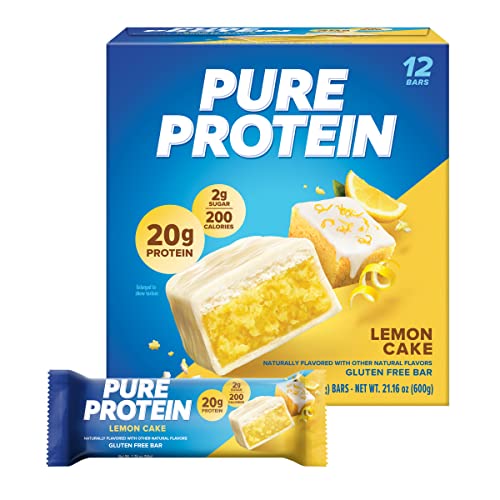
| Pure Protein Lemon Cake | Lowest per-bar cost in this roundup | $14.99 |
| Quest Nutrition Lemon Cake (4 Count) | Keto dieters sampling before committing | $9.49 |
| Pure Protein Chocolate Salted Caramel | Flavor-forward pick at a budget-friendly price | $13.49 |
| Pure Protein Variety Pack (18 Ct) | Largest bar count for households or heavy users | $26.99 |
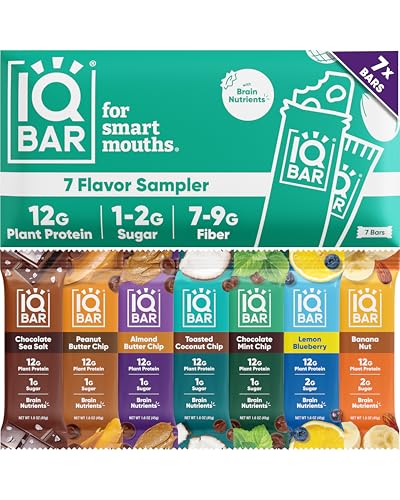
| IQBAR Clean Protein Bars | Cleanest ingredient list with low sugar and keto compatibility | $14.99 |
How We Picked
We narrowed this list using four criteria weighted toward real-world weight-loss adherence: protein-to-sugar ratio (higher protein per gram of sugar is non-negotiable), calorie density (bars that stay under a reasonable per-snack threshold so they complement rather than replace a meal), owner-reported satisfaction over multiple packs (flavor fatigue is a silent killer of dietary consistency), and dietary flexibility such as gluten-free or keto compatibility, which removes friction for users with additional constraints.
The 8 Best Protein Bars For Weight Loss
Quest Nutrition Ultimate Variety Pack Protein Bars
This 12-count pack is for anyone who wants high-protein bars without the monotony of eating the same flavor for two weeks straight. Two clear advantages stand out: the protein content is consistently high across every bar in the pack, and the variety prevents the flavor fatigue that causes people to abandon snack plans mid-week. The main drawback is the per-bar cost—$26.49 for 12 works out to roughly $2.20 each, which is steep compared to single-flavor packs. Skip this if your budget caps out under two dollars per bar, or if you already know your favorite Quest flavor and can buy it in a larger, cheaper pack.
Pure Protein Chocolate Peanut Butter Protein Bars
These bars are the workhorse pick for people who want a familiar peanut-butter-and-chocolate profile with 20 grams of protein at a mid-range price. The pros are straightforward: a solid protein number that keeps you satiated between meals, and an accessible $16.97 price for 12 bars that undercuts most premium competitors. The con is sugar content. Pure Protein bars in this line tend to carry more sugar than keto-focused alternatives, so they are not ideal if you are tracking grams of sugar with precision. Skip these if you are strictly managing carbohydrate or sugar intake, particularly if you follow a ketogenic protocol.
Pure Protein Chocolate Deluxe Protein Bars
The Deluxe version is for gluten-free eaters who want the highest protein number available in the Pure Protein lineup reviewed here—21 grams per bar. Pros include that incremental protein bump over the standard 20g bars and a certified gluten-free label that broadens the audience. The texture is the most common complaint among owners: several describe these bars as dense and chewy, almost fudge-like, which can feel heavy if you want a lighter snack. Skip the Deluxe if you prefer a crumbly or soft bar and find that a thick, chewy texture makes the snack feel more like a meal than a supplement.
Pure Protein Lemon Cake Protein Bars
At $14.99 for 12 bars, this is the most cost-effective option in the roundup at roughly $1.25 per bar. It is designed for people who want a lighter, dessert-inspired flavor profile and gluten-free compatibility. The pros are the price and the 20-gram protein content that matches more expensive bars in this group. The con is the flavor itself: lemon cake divides owner opinions sharply, with some reviewers comparing the taste to cleaning product rather than baked goods. Skip this if citrus is a dealbreaker or if you are sensitive to the aftertaste that some sugar alcohols and artificial sweeteners leave in bright, fruity flavors.
Quest Nutrition Lemon Cake Protein Bars (4 Count)
This 4-count pack is the entry point for people who want to try Quest’s keto-friendly, low-carb formula before spending more on a larger box. The pros are clear: low carbohydrate content, gluten-free certification, and keto compatibility make it a practical snack for people on restrictive protocols. The obvious con is quantity—four bars at $9.49 means a per-unit cost that is difficult to justify for daily consumption. Skip this pack if you consume protein bars regularly and need bulk pricing; treat it as a sampler only, not a standing pantry item.
Pure Protein Chocolate Salted Caramel Protein Bars
These bars are for people who are tired of plain chocolate and want a more complex flavor without paying a premium. At $13.49 for 12 bars, the cost is among the lowest in this group while still delivering 20 grams of protein. The pros are the accessible price and the widely liked salted-caramel profile that keeps owners coming back for repeat purchases. The con is sweetness balance: the combination of caramel and salt can read as overly sweet to people who prefer savory or restrained desserts. Skip this if you find salted-sweet combinations cloying or if you are trying to reduce your tolerance for intense flavor profiles.
Pure Protein Variety Pack Protein Bars (18 Count)
Eighteen bars for $26.99 makes this the best volume deal in the roundup, ideal for households where multiple people snack on protein bars or for someone who goes through them quickly. The protein range across the pack spans 20 to 21 grams per bar, and the entire variety pack carries a gluten-free label. The pros are the per-bar cost and the built-in flavor rotation that fights monotony. The con is inevitability of a dud: with 18 bars and multiple flavors mixed in, at least one or two options in the pack will not appeal to you. Skip this if you are a picky eater or if you already know exactly which flavor you want and do not need to experiment.
IQBAR Clean Protein Bars
IQBAR targets the buyer who prioritizes ingredient transparency above all else and wants a bar that is genuinely low in sugar. The 7-count sampler pack at $14.99 is for people who want to test multiple flavors without a large commitment. Pros include the clean label (minimal, recognizable ingredients), low sugar content, and keto compatibility that set it apart from mainstream protein bars. The con is the small count combined with a per-bar price that trails only Quest’s single-flavor 4-pack in this group. Skip IQBAR if your primary goal is maximum protein per dollar rather than ingredient purity, or if you need a bar that is widely available in convenience stores.
Buying Guide
Protein-to-Sugar Ratio
This is the single most important number to check before you buy. A bar with 20 grams of protein but 15 grams of sugar is closer to a candy bar than a satiety tool. Look for bars where protein exceeds sugar by at least a 2:1 ratio. In this roundup, the Quest and IQBAR options tend to have the tightest protein-to-sugar relationship, while several Pure Protein bars carry a higher sugar load that works fine as a post-workout recovery snack but is less ideal as a between-meal appetite suppressant.
Calorie Density and Satiety
Protein is the most satiating macronutrient per calorie, which means a well-formulated protein bar should make you feel full for two to three hours on a moderate calorie count. Bars under 250 calories with 20+ grams of protein tend to hit that sweet spot. Dense, chewy bars like the Pure Protein Deluxe can feel heavier on the stomach but may not offer more actual satiety than lighter formulations. Read owner reviews specifically for phrases about hunger timing, not just taste, because those reports reveal how the bar performs as a weight-management tool.
Flavor Rotation and Adherence
The nutritionally optimal bar you refuse to eat a second week in a row is a worse choice than a slightly less optimized bar you will actually finish. Variety packs exist for this reason. If you know you get bored easily, the per-bar cost of a variety pack like Quest’s 12-count or Pure Protein’s 18-count is an adherence investment, not a luxury. Budget for rotation if your weight-loss strategy depends on consistent snacking rather than intermittent discipline.
Our Verdict
Our top pick is the Quest Nutrition Ultimate Variety Pack. It delivers consistent high protein across multiple flavors, which addresses both the nutritional requirement and the adherence problem that derails most snack-based plans. The per-bar cost is higher than Pure Protein options, but the variety keeps the plan sustainable over weeks.
Our budget pick is the Pure Protein Lemon Cake at $14.99 for 12 bars. At roughly $1.25 per bar, it matches more expensive options on protein content while being gluten-free. The only real tradeoff is a divisive flavor.
If you follow a strict ketogenic protocol and need low sugar with a clean ingredient list, IQBAR wins despite its smaller pack size, because no mainstream Pure Protein or Quest flavor in this group matches its sugar control and ingredient transparency.
FAQ
Can protein bars actually help with weight loss?
They are a tool, not a cause. A high-protein, moderate-sugar bar helps you stay in a calorie deficit by providing satiety between meals without the decision fatigue of cooking. The bar itself does nothing; the replacement of an unplanned higher-calorie snack is where the benefit comes from.
How many protein bars per day is reasonable?
One, possibly two on heavy training days. Protein bars are calorie-dense snacks, not meal replacements. Eating three or four daily without adjusting your meals will likely stall progress regardless of how good the macro profile is.
Are protein bars better than protein shakes for weight loss?
Bars generally provide more satiety per calorie because of the solid-matrix effect—chewing and digesting a bar takes longer and signals fullness more reliably than drinking a shake. Shakes win on convenience and speed of absorption post-workout, but for between-meal hunger management, a bar has a practical edge.
Do gluten-free protein bars taste different from regular ones?
Not inherently. The protein sources in most bars (whey, milk protein isolate, collagen) are naturally gluten-free regardless of labeling. The gluten-free designation on bars like Pure Protein Lemon Cake or Chocolate Deluxe matters primarily for people with celiac disease or sensitivity, not as a quality or taste signal.