Key takeaways
- Pro: Incline adjustment adds leg engagement without needing a separate attachment.
- Pro: Portable and compact enough for bedrooms or apartments under 500 square feet.
- Con: The $5 premium over the standard color is arbitrary.
What's inside
The problem with walking treadmills for home use is that they look identical in product listings but perform wildly differently once you are three weeks into a daily walking routine. A unit rated at six miles per hour that stalls under a heavier walker is worse than a simpler machine with a lower top speed and a stable motor. The difference between a good purchase and a return often comes down to motor power relative to user weight, belt width, and whether the incline actually engages or just wobbles.
We compared published specs and aggregated owner feedback on the eight walking treadmills for home use that carry the strongest combination of price-to-function in 2026. The list below covers everything from sub-$100 pads for small apartments to full-size starter machines with folding frames and app integration. What separates the best picks from the rest is not a single headline number but the balance between what the motor delivers, how much noise it generates at speed, and whether the frame feels planted during use.
As an Amazon Associate we earn from qualifying purchases at no extra cost to you. Product prices and availability are accurate as of the date shown and are subject to change.




Quick Picks
| Product | Best for | Price |
|---|---|---|
| Walking Pad with Incline (Green) | Color-coded office setups | $134.99 |
| Walking Pad with Incline | Best overall under-desk value | $129.99 |
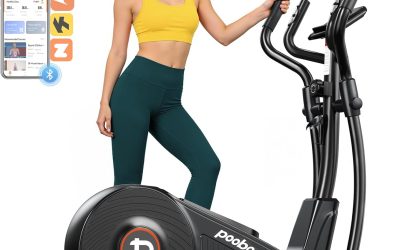
| YPOO Walking Pad Treadmill | Runners wanting auto-fold and Bluetooth | $249.99 |
| Folding Walking Pad with Handlebar | Stability for less-confident walkers | $89.98 |
| Walking Pad Treadmill with 7.5 MPH | Larger users up to 350 lbs | $229.99 |
| NordicTrack T Series 5 | Full treadmill experience with brand support | $498.99 |
| Aiteid Treadmill with 12% Incline | Steep incline training at low noise | $159.99 |
| Under Desk Walking Pad | Tightest budget and smallest footprint | $69.99 |
How We Picked
Four criteria drive our evaluation. Motor capacity relative to speed range determines whether a treadmill feels strained or effortless at its upper settings. Incline angle and mechanism separate machines that add real intensity from those that offer a decorative slope. User weight capacity must have headroom above the intended walker so the belt does not slow under load. Finally, noise at cruising speed decides whether the unit survives daily use in a shared living space or gets abandoned in a closet.
The 8 Best Walking Treadmills For Home Use in 2026
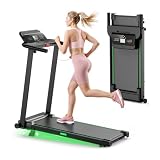
Walking Pad with Incline (Green)
This is the same machine as the entry below with a distinct color option, which matters if your workspace has a defined palette. The speed range of 0.6 to 6.2 miles per hour covers casual walking through a light jog. The foldable frame slides under a standing desk when idle.
- Pro: Incline adjustment adds leg engagement without needing a separate attachment.
- Pro: Portable and compact enough for bedrooms or apartments under 500 square feet.
- Con: The $5 premium over the standard color is arbitrary.
Skip this if your desk setup does not benefit from a specific color scheme.
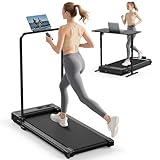
Walking Pad with Incline
The strongest value under $130 in this category. At 0.6 to 6.2 miles per hour with incline support and a foldable profile, it handles the core use case of under-desk walking without compromise. Owners report a quiet motor at lower speeds, which suits shared households.
- Pro: Full speed range covers walking and light jogging in one unit.
- Pro: Folds compact and slides under most standing desks.
- Con: No app connectivity or heart-rate tracking.
Skip this if you need a running-capable treadmill with structured workout programs.
YPOO Walking Pad Treadmill
The auto-fold mechanism is the standout feature here. With a top speed of 8.0 miles per hour, a 300-pound capacity, and Bluetooth connectivity, this bridges the gap between a walking pad and a compact running treadmill. The electric fold means you never have to crouch and lift a deck manually.
- Pro: Auto-fold saves effort and protects your lower back on daily setup.
- Pro: 8.0 MPH top speed supports genuine running, not just fast walking.
- Con: Bluetooth app functionality is basic compared to premium brand ecosystems.
Skip this if your primary goal is slow walking under a desk and you want the smallest possible footprint.
Folding Walking Pad with Handlebar
The integrated handlebar sets this apart from typical walking pads. For anyone unsteady on their feet, recovering from injury, or simply wanting a handhold at higher speeds, this adds real safety value. Owners note it folds quietly and fits under a bed for storage.
- Pro: Handlebar provides confidence and stability that most under-desk pads lack.
- Pro: Quiet operation makes it suitable for open-plan offices.
- Con: No published speed range, making it hard to confirm jogging capability.
Skip this if you want a minimalist pad that disappears completely under a desk.
Walking Pad Treadmill with 7.5 MPH
The 350-pound user capacity and 10 percent incline put this at the top of the mid-range list for bigger users. The 3.0-horsepower motor drives 7.5 miles per hour without strain, and built-in speakers plus an app connection round out the feature set. The LED display keeps speed and time visible without a phone.
- Pro: Highest weight capacity in this comparison at 350 lbs.
- Pro: App and speaker integration for structured walking programs.
- Con: Larger footprint than a true under-desk pad.
Skip this if you need something that fits entirely beneath a standard standing desk.
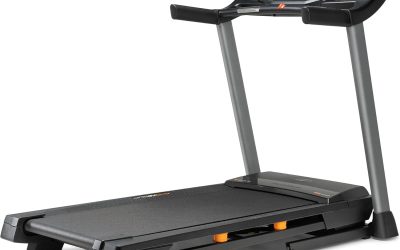
NordicTrack T Series 5
This is not a walking pad. It is a starter treadmill with a full running deck, brand-name support, and the durability expectations that come with NordicTrack. The $498.99 price reflects more hardware and a longer service life than any other option here. It suits users who want one machine that handles everything from slow walks to interval runs.
- Pro: Established brand with a dealer network for parts and service.
- Pro: Full running deck with cushioning that walking pads cannot match.
- Con: Nearly four times the price of the other options on this list.
Skip this if space is tight or your budget caps out around $200.
Aiteid Treadmill with 12% Incline
The 12 percent incline is the steepest angle on this list and transforms a walking session into a genuine cardiovascular workout. Paired with a 3.0-horsepower motor and a 0.6 to 6.2 MPH range, the machine has enough torque to handle steep grades without bogging down. The handlebar adds the stability benefit seen on the budget option.
- Pro: Steepest incline here, ideal for building leg strength while walking.
- Pro: Low-noise rating means it will not disturb others at distance.
- Con: The $30 premium over the standard Walking Pad is meaningful for a color and name change.
Skip this if you do not plan to use incline regularly and want to save a few dollars.
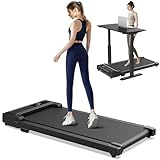
Under Desk Walking Pad
At $69.99 this is the cheapest way into a motorized walking treadmill for home use. The slim, lightweight profile disappears under furniture, and the adjustable speed with a remote keeps controls simple. For a first purchase or a guest room setup, it removes the financial risk of trying the habit.
- Pro: Lowest price by a wide margin with no meaningful compromise for basic walking.
- Pro: Lightweight design means moving it between rooms is trivial.
- Con: No incline, and owners note a lower long-term durability ceiling.
Skip this if you are over 220 pounds or plan to use it more than an hour daily.
Buying Guide
Motor Power and Speed Range
A walking pad rated for 0.6 to 6.2 MPH needs less torque than one reaching 8.0 MPH. If you intend to run even occasionally, target a 3.0-horsepower motor or higher. For walking only, lower-powered motors handle 4 MPH comfortably and cost less. Match the motor to your actual behavior, not the maximum speed on the spec sheet.
Incline and Weight Capacity
Incline increases caloric burn and recruits posterior chain muscles without raising speed. A 10 or 12 percent grade makes a brisk walk feel like a hill workout. Weight capacity should exceed your body weight by at least 50 pounds so the belt maintains consistent tension during use. Under-spec’d units slow noticeably when loaded.
Storage and Footprint
Folding and under-desk clearance determine whether a treadmill stays in active use or becomes furniture. Auto-fold mechanisms eliminate the friction of manual setup. If your standing desk height is below 28 inches, verify the pad slides under it fully. A unit that requires three steps to deploy will not see daily use.
Our Verdict
The Walking Pad with Incline at $129.99 is our top pick for most buyers. It delivers the full under-desk walking experience with incline support at the lowest price where no core feature is missing. For a strict budget, the Under Desk Walking Pad at $69.99 gets you moving with minimal investment. If you weigh over 250 pounds or want structured app programs, the Walking Pad Treadmill with 7.5 MPH wins regardless of price.
FAQ
Can a walking pad replace a regular treadmill?
For walking and very light jogging, yes. Most walking pads cover 0.6 to 6.2 MPH with adequate belt length. They cannot replicate the cushioning, top speed, or deck length of a full-size treadmill for sustained running.
Do walking treadmills for home use fit under standing desks?
Most foldable under-desk models are designed for standard standing desk clearance of 27 to 29 inches. Check the unit height listed in specs before purchasing, and measure your desk at the lowest usable setting.
Is incline worth paying extra for?
If you plan to walk more than thirty minutes per session, an incline option adds meaningful intensity without increasing speed or joint impact. The $5 to $30 premium over a flat pad typically pays for itself in workout quality within the first month.
How loud is a walking pad at 3 MPH?
Owner reports consistently place quality walking pads in a quiet-to-moderate range at cruising walking speeds. Budget units tend to produce more motor hum and belt slap. For shared spaces, look for models with a published low-noise rating and avoid units with exposed drive belts.