Key takeaways
- Pro: Sturdy frame with minimal wobble at jogging speeds
- Pro: Established brand with accessible replacement parts
- Con: Belt length limits stride comfort for users over six feet
What's inside
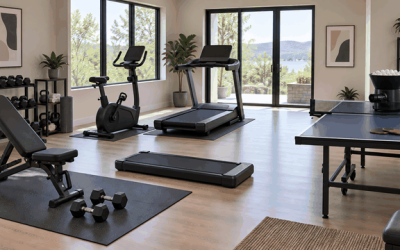
A home treadmill is one of those purchases that either quietly integrates into your routine or collects dust in a garage within six weeks. The difference almost always comes down to two things: whether the machine matches the intensity of your actual workouts, and whether it physically fits the space you have without making you feel like you are sharing a room with a refrigerator. Most buyers searching for the best treadmills for home use fall into one of two camps — someone who needs a compact walking pad for low-impact movement at a standing desk, or someone who wants a proper running machine with a real motor, adequate belt length, and enough stability to handle a five-mile jog without wobbling.
What separates a worthwhile treadmill from a regretful one is rarely the brand name on the frame. It is the relationship between motor power and intended use, the length of the running surface relative to your stride, the noise floor of the drive system, and whether the folding mechanism actually makes the machine easier to store or just adds a hinge that flexes under load. In 2026, the gap between the cheapest walking pads and entry-level running treadmills has narrowed on paper but remains wide in practice. This roundup compares eight machines across price points from under $120 to nearly $900, drawing on published specs, owner feedback, and feature sets to help you identify which category — and which specific model — fits your situation.
As an Amazon Associate we earn from qualifying purchases at no extra cost to you. Product prices and availability are accurate as of the date shown and are subject to change.



Quick Picks
| Product | Best for | Price |
|---|---|---|
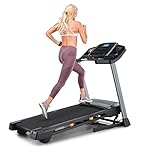
| NordicTrack T Series 5 | First-time runners on a budget | $498.99 |
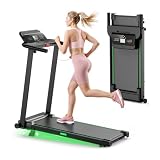
| Walking Pad with Incline (Green) | Desk workers wanting an incline option | $134.99 |
| NordicTrack T Series 6.5 S | Regular runners who need more belt length | $655 |
| MERACH T12 | Heavier users needing a wide, high-capacity belt | $499.99 |
| Aiteid Treadmill with 12% Incline | Walkers wanting incline training at low noise | $159.99 |
| Vitalwalk Foldable Walking Pad | Serious walking workouts with steep auto-incline | $879.99 |
| Walking Pad with Handle Bar | Tightest budgets and smallest spaces | $119.99 |
| Walking Pad with Incline (Standard) | Portable folding option for light use | $129.99 |
How We Picked
We filtered these eight machines using four criteria that consistently determine whether a home treadmill earns daily use or gets abandoned. First, motor and speed adequacy: a machine rated for 0.6-6.2 MPH serves a fundamentally different buyer than one with a 3.0HP or higher drive system. Second, running or walking surface dimensions — belt length and width directly affect stride comfort and safety, especially for taller users. Third, noise and structural stability under load, which owner reviews reveal far more reliably than spec sheets. Fourth, foldability and storage footprint, because a treadmill you cannot easily put away becomes a permanent piece of furniture whether you planned it or not.
The 8 Best Treadmills For Home Use in 2026
NordicTrack T Series 5 Starter Treadmill for Real Results
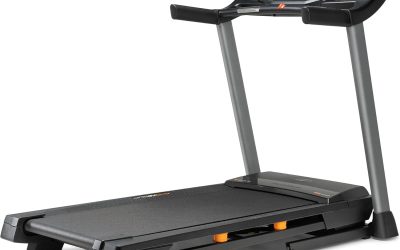
This machine targets the buyer who wants a recognizable brand name and a proper running platform without crossing the $500 line. NordicTrack’s reputation for solid frame construction and decent motor output means the T Series 5 handles jogging sessions without the deck flex that plagues cheaper alternatives. Owner feedback consistently praises its stability at moderate speeds and the straightforward console. The tradeoff is that the running belt is shorter than what taller runners prefer, and the overall footprint is substantial even when folded. Skip this if you primarily walk rather than run — a walking pad will serve you better at a fraction of the cost and with far less noise.
- Pro: Sturdy frame with minimal wobble at jogging speeds
- Pro: Established brand with accessible replacement parts
- Con: Belt length limits stride comfort for users over six feet
Walking Pad with Incline, Caminadoras para Hacer Ejercicio, Green
At $134.99, this walking pad undercuts most competitors while offering an incline function that flat-only models lack. The 0.6-6.2 MPH range makes it suitable for brisk walking and light jogging, and the foldable under-desk design means it disappears when not in use. The green colorway is a minor but appreciated distinction in a sea of black. Owners note the motor hums audibly at higher speeds, so apartment dwellers with noise-sensitive neighbors should take that seriously. Skip this if you weigh over 220 pounds or plan to run daily — the frame flex and belt length are simply not built for that workload.
- Pro: Incline function at a price where most competitors offer none
- Pro: Truly compact footprint when folded under furniture
- Con: Motor noise becomes noticeable above walking pace
NordicTrack T Series 6.5 S Treadmill
The 6.5 S is the logical step up for runners who outgrow the T Series 5’s belt and want a longer stride platform. At $655, it occupies the sweet spot where serious running machines begin, offering a more generous running surface and a motor tuned for sustained aerobic work. Owners report it handles consistent 5K training without overheating or belt slipping. The downside is size: even folded, this thing requires a dedicated corner. Skip this if your living space cannot permanently accommodate a full-size running treadmill, or if your primary goal is desk-walking rather than structured runs.
- Pro: Longer belt accommodates full running stride without compromise
- Pro: Motor sustains higher speeds for longer sessions without thermal issues
- Con: Large footprint even in stored position demands dedicated floor space
MERACH T12 Foldable Treadmill for Home
The MERACH T12 solves a specific problem: users who need a wider running belt and higher weight capacity than the NordicTrack T Series offers, without paying a brand premium. The 300-pound capacity and wide belt make it a practical choice for larger-framed individuals who have struggled to find comfortable machines in this price range. Owners appreciate the sturdy deck and reduced edge-clip anxiety during runs. The fold mechanism works but adds a flex point some users notice at higher speeds. Skip this if you prioritize app connectivity, preset programs, or a polished console — the T12 is a function-first machine.
- Pro: 300-pound weight capacity and wide belt suit larger users comfortably
- Pro: Competitive price for a running-capable treadmill without brand markup
- Con: Console and programming options are minimal compared to premium rivals
Aiteid Treadmill with 12% Incline, 3.0HP
The Aiteid stands out in the walking-pad category by pairing a 3.0HP motor with a genuine 12% incline range — a specification that transforms light walking into meaningful cardiovascular work. Owners highlight the low noise rating as a genuine advantage for shared living spaces, and the integrated handles add stability that handle-bar-free models lack. At $159.99, it undercuts most incline-equipped competitors. The 0.6-6.2 MPH ceiling means this is not a runner’s machine, but for power-walking training with progressive resistance, few options at this price match its capability. Skip this if you need speed above a jog or want a flat-belt design for a truly under-desk setup.
- Pro: 12% incline with 3.0HP motor creates genuine training variety
- Pro: Low noise profile makes it apartment-friendly
- Con: Handles reduce portability compared to pad-only designs
Vitalwalk Foldable Walking Pad Treadmill with Incline
At $879.99, the Vitalwalk is the most expensive machine in this roundup, and it earns that position through specifications no other entry here matches: 20% to 25% automatic incline and a massive 49″x18″ running surface. For dedicated walkers, this is a near-commercial experience at home. Owners describe it as the closest they have come to outdoor hill walking indoors, with the auto-incline eliminating manual adjustments mid-session. The premium is real, and so is the size — this is not a machine that hides under a desk. Skip this if your budget is under $700 or if you simply want a basic flat walking pad for light desk use.
- Pro: 20-25% auto-incline range is unmatched in this group for walking intensity
- Pro: 49″x18″ surface provides exceptional stride room and comfort
- Con: Price and physical footprint put it beyond casual or small-space buyers
Walking Pad Under Desk with Handle Bar
At $119.99, this is the cheapest option on the list and the most minimal. It is a flat walking pad with a handle bar, 0.6-6.2 MPH range, and folding capability designed for the absolute tightest budget or the buyer who wants to try desk-walking before committing more money. Owners who bought it as a first treadmill generally find it adequate for light movement during calls. The quiet operation and lightweight design are genuine advantages. The limitations are equally clear: no incline, narrow belt, and a frame that does not inspire confidence above a brisk walk. Skip this if you intend to use it daily beyond the novelty phase — the build quality reflects the price.
- Pro: Lowest cost of entry for anyone testing walking-pad viability
- Pro: Quiet and lightweight enough to move between rooms effortlessly
- Con: No incline and limited structural rigidity restrict long-term use
Walking Pad with Incline, Caminadoras para Hacer Ejercicio (Standard)
This $129.99 model occupies nearly identical territory to the green variant above, differing primarily in color and minor trim details. It offers the same 0.6-6.2 MPH range, foldable under-desk form factor, and incline function. For buyers who prefer a neutral aesthetic or are ordering from a listing that ships faster, the functional experience is interchangeable. Owner feedback mirrors the green model’s assessment: perfectly adequate for walking, noticeably strained for anything approaching a jog. Skip this if you want meaningful differences between your walking pad and a running treadmill — at this speed ceiling, incline is the only variable that adds real training stimulus.
- Pro: Incline capability at the lowest price tier in this roundup
- Pro: Folds flat and stores under furniture with minimal effort
- Con: Motor struggles audibly near the top speed range
Buying Guide
Motor Power and Speed Ceiling
Speed range is the single most decisive spec when choosing between a walking pad and a running treadmill. Machines capped at 6.2 MPH are designed for walking and very light jogging; anything beyond that requires a motor rated for sustained higher output, typically 2.5HP continuous or above. If you plan to run, look for models where the manufacturer states the motor rating in continuous horsepower rather than peak, because peak ratings inflate the numbers without reflecting real-world thermal performance during a 30-minute session.
Belt Dimensions and Weight Capacity
Walking pads typically offer belts between 12 and 16 inches wide and 35 to 45 inches long. For running, you want at least 20 inches of width and a length that accommodates your full stride without stepping near the edges. Weight capacity matters beyond safety: a frame rated for 300 pounds usually has more rigid cross-members and a thicker deck, which translates to less bounce and vibration at speed. If you are near the upper end of any machine’s rated capacity, choose the next tier up regardless of price.
Incline, Noise, and Foldability Tradeoffs
Incline transforms walking into a leg and glute workout without adding speed or impact, which is why the 12% range on the Aiteid and the 20-25% range on the Vitalwalk justify their premiums over flat-only models. Noise considerations depend on your floor type and living situation — a 3.0HP motor on a concrete slab in a basement is a non-issue, but the same machine in a second-floor apartment will generate complaints. Foldability is only meaningful if the mechanism is robust; a folding deck that flexes at the hinge compromises running safety and should disqualify a machine for anyone training at pace.
Our Verdict
For most readers searching for the best treadmills for home use, the NordicTrack T Series 6.5 S is the strongest overall pick: it delivers a proper running surface, a motor that handles sustained sessions, and the structural integrity to justify its mid-range price. If budget is the primary constraint, the Aiteid Treadmill with 12% Incline offers the best value in the walking-pad category — its motor, incline range, and low-noise profile outperform everything else under $200. However, if your sole goal is serious hill-walking training and you need an incline above 15%, the Vitalwalk is the only machine in this group that actually delivers it, and no other option comes close enough to compete.
FAQ
Can a walking pad be used for running?
Most walking pads top out at 6.2 MPH, which is a slow jog at best, and their belts are typically too narrow and short for comfortable running. While you can technically move faster than a walk on these machines, the frame, motor, and surface are not engineered for repeated impact at jogging speed, making them unsuitable as running treadmills.
How much floor space does a home treadmill actually require?
A full-size running treadmill needs roughly 70 square feet in use, though folding models cut storage footprint by about half. Walking pads require significantly less space, often fitting under a standard desk or against a wall when stored, with a folded thickness of two to four inches in most cases.
Is incline more useful than speed for home workouts?
For walking and jogging, incline adds training stimulus without increasing impact force or requiring a more powerful motor. A 12% or steeper incline can elevate heart rate as effectively as increasing speed by a full mile per hour, while being gentler on joints and quieter in operation.
What weight capacity do I actually need in a treadmill?
Manufacturers rate capacity based on maximum user weight plus dynamic running force, which can be two to three times body weight at impact. If you weigh 250 pounds, choose a machine rated for at least 300 to 350 pounds to ensure the frame, motor, and belt can handle sustained use without premature wear or structural flex.