Key takeaways
- Pros: Folds flat for compact storage; magnetic resistance is whisper-quiet for its price tier.
- Con: The lighter frame can feel less stable during high-resistance sprints compared to heavier competitors in this list.
What's inside
Buying a stationary bike for your home means choosing between dozens of machines that look similar on the surface but deliver very different riding experiences. The two things that separate a worthwhile purchase from a frustrating one are resistance type and structural build quality. Friction bikes tend to be louder and have wear components that need periodic replacement, while magnetic models run quieter but sometimes at the cost of a lower maximum resistance ceiling. Frame construction, seat comfort, and weight capacity round out the list of differences that matter over months of daily use.
For this 2026 comparison, we lined up published specifications and aggregated owner feedback across eight bikes spanning the $119 to $200 price band. The goal was to identify which machines offer the best combination of durability, ride quality, and value within that range, and to flag the trade-offs a buyer needs to understand before clicking purchase.
As an Amazon Associate we earn from qualifying purchases at no extra cost to you. Product prices and availability are accurate as of the date shown and are subject to change.


Quick Picks
| Product | Best for | Price |
|---|---|---|
| Pooboo Folding Magnetic X-Bike | Small spaces on a tight budget | $119.99 |
| YOSUDA Magnetic Indoor Cycling Bike | App-connected rides with 300 lb capacity | $199.99 |
| MERACH Friction Stationary Bike | Straightforward friction resistance training | $199.99 |
| NEWBULIG Exercise Bike with App | Seniors and beginners wanting guided workouts | $119.80 |
| Recumbent Exercise Bike (first) | Seniors needing full back support | $179.99 |
| Recumbent Exercise Bike (second) | Comfortable low-impact recumbent rides | $169.99 |
| Foldable 5-in-1 Magnetic Bike | Quiet magnetic resistance in a compact frame | $119.99 |
| Magnetic Bike with 350 lb Capacity | Heavier riders prioritizing seat comfort | $179.99 |
How We Picked
Four criteria guided this selection. First, resistance type and adjustability: we looked at whether each bike uses magnetic or friction braking and how many levels of resistance it offers. Second, weight capacity and frame stability: a bike that wobbles under load or hits its ceiling too early will frustrate users quickly. Third, noise profile: owner reviews consistently flagged loudness as a dealbreaker for apartment dwellers and early-morning riders. Fourth, included accessories and connectivity: tablet mounts, app compatibility, and adjustable seat height separate a complete package from a bare-bones machine.
The 8 Best Stationary Bikes For Home in 2026
Pooboo Folding Magnetic X-Bike, Upright Exercise Bike for Home Gym
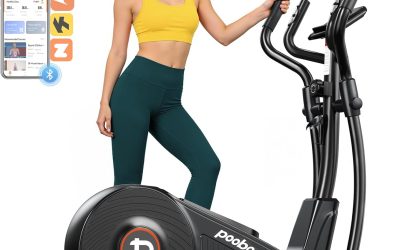
The Pooboo folding X-Bike targets riders in apartments or shared spaces where storage matters more than anything else. Its magnetic resistance system operates quietly enough for use during early mornings or late evenings without disturbing others, and the folding mechanism reduces its footprint significantly when stowed.
- Pros: Folds flat for compact storage; magnetic resistance is whisper-quiet for its price tier.
- Con: The lighter frame can feel less stable during high-resistance sprints compared to heavier competitors in this list.
Skip this if you weigh more than the listed capacity or plan to do standing climbs. For casual seated rides and space-constrained setups, it delivers solid value at under $120.
YOSUDA Exercise Bike, Magnetic Indoor Cycling Bike with 300 lb Weight Capacity
YOSUDA positions this model as the premium pick in the sub-$200 bracket. The 300 lb weight capacity makes it accessible to a broader range of riders, and the magnetic drive paired with a dedicated app ecosystem appeals to users who want structured fitness courses without subscribing to a Peloton-style platform.
- Pros: High 300 lb capacity suits larger riders; the exclusive app adds guided workout content at no extra subscription cost.
- Con: The friction-pad variant in the black colorway introduces a wear component that magnetic-only models avoid.
Pass on this if you dislike friction-based braking or need a fully silent ride. For app-driven training with generous weight tolerance, it leads this group.
MERACH Exercise Bike, Friction Stationary Bike with Brake Pad
MERACH’s offering is a no-nonsense friction bike for riders who prioritize maximum resistance over silence. Friction systems clamp a felt or composite pad against the flywheel, producing more braking force at the top range than comparable magnetic units at this price.
- Pros: Delivers strong, tangible resistance at the high end; simple mechanical design means fewer electronics to troubleshoot.
- Con: Noticeably louder than magnetic alternatives, and brake pads are consumables that require periodic replacement.
Skip this if noise sensitivity or maintenance convenience matters. It suits garage-gym owners who want heavy resistance without premium pricing.
NEWBULIG Exercise Bike with App, for Adults and Seniors
The NEWBULIG targets the 265 lb capacity and app-guided workout niche at a price near the very bottom of this roundup. Its adjustable height and resistance dials accommodate shorter and taller riders without requiring tools, a feature senior owners highlight in feedback threads.
- Pros: Tool-free height adjustment speeds up shared use; the companion app provides beginner-friendly guidance.
- Con: The 265 lb capacity is the lowest among the eight bikes listed, limiting its audience.
Not ideal for heavier riders. For a first exercise bike for an older adult who wants structure without complexity, the price-to-feature ratio is hard to beat.
Recumbent Exercise Bike for Home, Recumbent Stationary Bikes for Seniors (First Model)
This recumbent option puts the rider in a seated, back-supported position that removes stress from the lumbar spine and hips. It is a natural fit for seniors or anyone recovering from lower-body injury who still wants a cardiovascular workout.
- Pros: Full backrest and forward-pedal geometry reduce joint strain; the reclined position feels safer for balance-compromised users.
- Con: Recumbent frames inherently occupy more floor space than upright or folding alternatives.
Skip this if your workout area is tight. For daily low-impact cardio with a focus on comfort, it is a strong contender at $179.99.
Recumbent Exercise Bike for Home, Recumbent Stationary Bikes for Seniors (Second Model)
Nearly identical in purpose to the recumbent above, this model undercuts it by $10 while maintaining the back-supported design. Owner feedback suggests comparable ride comfort, making the lower price the deciding factor for budget-conscious buyers who want a recumbent format.
- Pros: Saves $10 over the first recumbent while delivering similar seated comfort and low-impact pedaling.
- Con: Specs are less clearly documented on the product page, so buyers should verify seat adjustment range before purchasing.
If spec transparency matters more than a small price difference, the first recumbent is preferable. Otherwise, this model captures most of the same benefit for less money.
Foldable 5-in-1 Magnetic Bike with 16-Level Resistance and 6.6 LBS Flywheel
This bike combines a folding frame, a 6.6-pound flywheel, and 16 levels of magnetic resistance into a sub-$120 package. The 300 lb capacity and quiet operation make it versatile for multiple household users, and the 5-in-1 label refers to integrated accessories like a resistance band mount.
- Pros: Sixteen magnetic resistance levels offer fine-grained control; 300 lb capacity exceeds most folding competitors at this price.
- Con: The 6.6 lb flywheel is lighter than premium cycling bikes, so momentum feels less smooth at low cadence.
Skip this if you want a near-realistic cycling feel. For interval training and general cardio in a compact footprint, the feature list is exceptional for the cost.
Exercise Bike with Adjustable Magnetic Resistance, App Compatible, 350 lbs Capacity
At $179.99, this magnetic bike offers the highest weight capacity in the roundup at 350 lbs, paired with an app-compatible monitor and a phone mount. Owners specifically praise the seat padding and the digital display readability.
- Pros: 350 lb capacity is the most generous here; app compatibility and a comfortable wide seat elevate the daily ride experience.
- Con: At under $180 it uses lighter-gauge tubing, so very aggressive sprint efforts may introduce frame flex.
Not for riders who stand and hammer at high resistance. For seated endurance rides and heavier users who want comfort plus connectivity, it stands apart from the field.
Buying Guide
Magnetic vs. Friction Resistance
Magnetic bikes use magnets hovering near the flywheel to create drag without physical contact. The result is quieter operation, no consumable pads, and smoother transitions between resistance levels. Friction bikes press a felt or rubber pad against the flywheel, which produces louder noise and requires pad replacement every few months of regular use but can deliver higher peak resistance at a lower manufacturing cost. If you ride in a shared living space, magnetic wins decisively. If you want the hardest possible resistance for the budget, friction still has an argument.
Weight Capacity and Frame Stability
Published capacity numbers range from 265 to 350 lbs across this group. A frame rated at the lower end may feel wobbly for a 250-lb rider pushing hard, even if it technically supports them. Look for owner reports about lateral flex during standing efforts. Folding designs trade some stability for storage convenience, so they tend to suit seated, moderate-intensity riding better than sprint intervals.
App Connectivity and Display
A built-in monitor showing speed, distance, and calories is standard across all eight bikes here. The differentiator is app connectivity. Bikes with companion apps can sync workout data, offer guided rides, and sometimes auto-adjust resistance. If you train solo and want structure, prioritize models advertising app compatibility. If you already use a separate fitness watch or cycling app, a basic digital display suffices and saves cost.
Our Verdict
The best overall pick is the YOSUDA Magnetic Indoor Cycling Bike: it balances a high weight capacity, quiet magnetic drive, and app-guided content at $199.99, making it the most complete package in this group. The budget pick goes to the NEWBULIG at $119.80, which offers app guidance and tool-free adjustments in a form that welcomes seniors and beginners. However, if you need the absolute highest weight capacity and seat comfort for a heavier rider, the 350-lb magnetic model at $179.99 is the one to buy.
FAQ
How much floor space does a home stationary bike need?
Upright and folding models occupy roughly 20 to 30 inches of width and 40 to 50 inches of length. Recumbent bikes extend further, often reaching 60 inches in length due to the forward-pedal position. Folding designs can be stowed against a wall or under a bed when not in use.
Are magnetic bikes truly silent?
Magnetic bikes are significantly quieter than friction models because no pad contacts the flywheel. Owners still hear a light whoosh from the flywheel spinning and occasional bearing noise at high cadence, but the sound level is generally low enough to watch TV or hold a conversation without difficulty.
Do I need an app for a home exercise bike?
No. A bike with a basic digital monitor and manual resistance adjustment will support effective cardio training indefinitely. An app adds motivation through guided courses and data tracking, which benefits beginners or riders who lose focus without external structure.
Can I use a stationary bike for interval training?
Yes, though the experience depends on resistance type. Magnetic bikes allow quick resistance changes with a dial or button, making short sprints practical. Friction bikes require tightening or loosening a tension knob, which adds a few seconds of transition between effort levels.