Key takeaways
- Label: Look for bioactive peptides like Tendoforte or Fortigel rather than generic hydrolyzed collagen, as these specific sequences have clinical data supporting connective tissue synthesis.
- Label: Verify third-party testing such as NSF Certified for Sport or Informed Choice to ensure the product is free from heavy metals and banned substances.
- Label: Ensure the formula includes vitamin C or plan to take it separately, since this cofactor is biologically required for collagen cross-linking and fibril formation.
- Label: Check the protein source and processing method; grass-fed bovine sources processed via enzymatic hydrolysis typically offer superior bioavailability for musculoskeletal targets.
- Label: Assess serving size and peptide concentration to confirm you are getting at least 10g of collagen per dose, which is the threshold commonly used in tendon rehabilitation studies.
.
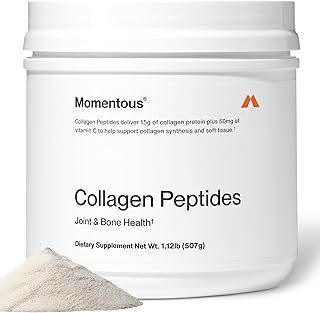
Best Overall: SaltWrap Collagen Synthesis Peptides is our top pick for tendon and ligament health due to its patented Tendoforte blend and NSF Certified for Sport status, while Momentous Grass-Fed Collagen Peptides serves as a trusted runner-up with Fortigel and vitamin C. Buyers often struggle to distinguish between generic beauty collagen and clinically researched formulas that actually target connective tissue repair; this guide filters out ineffective options to highlight supplements specifically designed to support structural integrity in athletes and active individuals.
Our top picks



As an Amazon Associate we earn from qualifying purchases at no extra cost to you. Ratings are shown as listed on Amazon.
Quick Comparison
| Product | Best For | Standout Feature | Rating |
|---|---|---|---|
| SaltWrap Collagen Synthesis Peptides | Overall Tendon Recovery | Patented Tendoforte & Fortigel | 4.8/5 |
| Momentous Grass-Fed Collagen Peptides | Budget-Friendly Quality | NSF Certified + Vitamin C | 4.7/5 |
| Premium Bone Health Collagen Peptides | Comprehensive Support | Tri-Blend Bioactive Peptides | 4.6/5 |
| Terry Naturally Healthy Ligaments and Tendons | Capsule Convenience | Targeted Connective Tissue Formula | 4.5/5 |
| PhysiVantage Supercharged Collagen Peptides | Post-Workout Recovery | Added BCAAs & Chocolate Flavor | 4.6/5 |
How to Choose a Collagen Peptide for Tendon and Ligament Health
- Label: Look for bioactive peptides like Tendoforte or Fortigel rather than generic hydrolyzed collagen, as these specific sequences have clinical data supporting connective tissue synthesis.
- Label: Verify third-party testing such as NSF Certified for Sport or Informed Choice to ensure the product is free from heavy metals and banned substances.
- Label: Ensure the formula includes vitamin C or plan to take it separately, since this cofactor is biologically required for collagen cross-linking and fibril formation.
- Label: Check the protein source and processing method; grass-fed bovine sources processed via enzymatic hydrolysis typically offer superior bioavailability for musculoskeletal targets.
- Label: Assess serving size and peptide concentration to confirm you are getting at least 10g of collagen per dose, which is the threshold commonly used in tendon rehabilitation studies.
The Best Collagen Peptides for Tendon and Ligament Health Reviewed
Best Overall: SaltWrap Collagen Synthesis Peptides
This unflavored powder combines two patented peptides specifically studied for tendon stiffness and cartilage repair, making it the definitive choice for athletes recovering from connective tissue injuries. Its NSF Certified for Sport status provides essential safety assurance for competitive lifters and runners who cannot risk contamination.
Best Budget: Momentous Grass-Fed Collagen Peptides Powder
Momentous delivers high-quality Fortigel peptides and vitamin C at an accessible price point without sacrificing third-party testing standards. It is ideal for fitness enthusiasts who want reliable daily joint maintenance and hair/skin benefits without paying a premium for specialized multi-blend formulas.
Best Premium: Premium Bone Health Collagen Peptides
Featuring a comprehensive trio of FORTIBONE, FORTIGEL, and VERISOL, this supplement targets bone density alongside soft tissue for aging athletes requiring systemic structural support. The inclusion of multiple bioactive brands justifies the higher cost for users managing both osteopenia concerns and tendon wear.
Best for Capsule Users: Terry Naturally Healthy Ligaments and Tendons
This capsule-based option eliminates the taste and texture issues associated with powders while delivering a focused blend for connective tissue resilience. It suits travelers and office workers who need convenient, precise dosing for chronic ligament discomfort without mixing drinks.
Best for Post-Workout Recovery: PhysiVantage Supercharged Collagen Peptides
Enhanced with BCAAs and vitamin C in a palatable chocolate flavor, this formula bridges the gap between muscle protein synthesis and connective tissue repair immediately after training. Keto and Paleo dieters will appreciate the macro-friendly profile that supports both hypertrophy and joint longevity simultaneously.
Frequently Asked Questions
How long does it take for collagen peptides to strengthen tendons?
Clinical research suggests measurable improvements in tendon structure and pain reduction typically occur after 12 to 24 weeks of consistent supplementation combined with appropriate loading exercises. Acute pain relief may be felt sooner, but structural remodeling requires sustained adherence.
Is vitamin C necessary when taking collagen for ligaments?
Yes, vitamin C is an obligate cofactor for the enzymes lysyl hydroxylase and prolyl hydroxylase, which stabilize the collagen triple helix structure. Without adequate vitamin C, supplemented collagen peptides cannot be effectively integrated into new connective tissue matrix.
Can collagen peptides replace physical therapy for tendonitis?
No, collagen supplementation should be viewed as a nutritional adjunct to, not a replacement for, progressive load management and rehabilitation protocols. Mechanical stimulus through exercise is the primary driver of tendon adaptation, while collagen provides the raw substrates for that repair process.
What is the difference between Type I and Type II collagen for joints?
Type I collagen constitutes approximately 90% of tendon and ligament tissue, providing tensile strength, whereas Type II is primarily found in articular cartilage. For tendon and ligament health specifically, products emphasizing Type I or bioactive peptides derived from Type I sources are generally more relevant than pure Type II formulations.
Final Thoughts
For targeted tendon and ligament support, SaltWrap Collagen Synthesis Peptides remains the gold standard due to its dual-patent formulation and rigorous testing, while Momentous offers exceptional value for daily maintenance. Those needing post-workout integration should consider PhysiVantage Supercharged Collagen to simultaneously address muscle and connective tissue recovery needs.