Key takeaways
- Best for routine care: Flitz Metal Polish. A versatile paste for fingerprints, light haze, and mild oxidation on sound chrome. Its controlled application suits small trim pieces and occasional maintenance.
- Best for delicate, lightly tarnished parts: Simichrome Polish. A fine metal polish often chosen for detailed components. Use minimal pressure; a fine polish is still a polish, not a coating or a substitute for repair.
- Best for more noticeable dullness: Autosol Metal Polish. Useful when sound, solid chrome needs more cleaning than a quick wipe. Work in short passes and assess frequently rather than rubbing harder or polishing the whole car at once.
- Best for preserving uncertain or newly replated chrome: a non-abrasive wash and wax routine. If the shop that replated the part gave care instructions, follow those first. Avoid abrasive metal polish until the plating is fully cured and the plater confirms it is suitable.
Best chrome polish for classic cars: the short answer
For most intact, unplated-over, sound classic-car chrome, Flitz Metal Polish is the best all-around choice: it cleans tarnish and light oxidation without demanding an aggressive compound, and its paste format is easy to control around trim. Choose Simichrome Polish for a traditional, fine-cleaning option on delicate parts; Autosol Metal Polish for heavier dullness on robust chrome; and a non-abrasive cleaner or specialist advice for peeling, pitted-through, or newly replated surfaces.
There is no polish that can restore missing chrome or stop corrosion beneath a failed coating. On classic cars, the condition and history of the plating matter more than the polish label. Try any product first on a hidden area, use a soft cloth, and stop if the cloth picks up the chrome’s color or the surface changes unevenly.
Our top picks
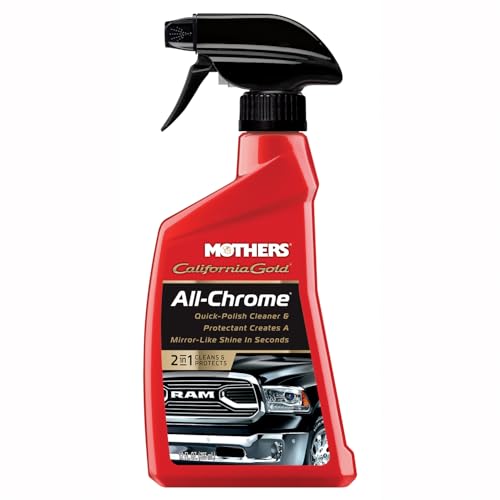
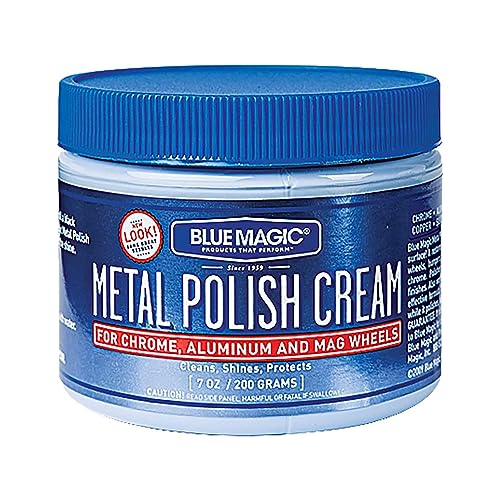

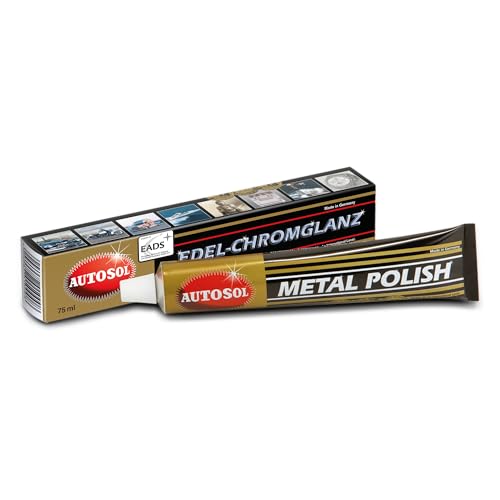
As an Amazon Associate we earn from qualifying purchases at no extra cost to you. Ratings are shown as listed on Amazon.
Best picks by condition and use
- Best for routine care: Flitz Metal Polish. A versatile paste for fingerprints, light haze, and mild oxidation on sound chrome. Its controlled application suits small trim pieces and occasional maintenance.
- Best for delicate, lightly tarnished parts: Simichrome Polish. A fine metal polish often chosen for detailed components. Use minimal pressure; a fine polish is still a polish, not a coating or a substitute for repair.
- Best for more noticeable dullness: Autosol Metal Polish. Useful when sound, solid chrome needs more cleaning than a quick wipe. Work in short passes and assess frequently rather than rubbing harder or polishing the whole car at once.
- Best for preserving uncertain or newly replated chrome: a non-abrasive wash and wax routine. If the shop that replated the part gave care instructions, follow those first. Avoid abrasive metal polish until the plating is fully cured and the plater confirms it is suitable.
How the choices compare
The table compares typical product formats and practical use, not laboratory measurements. Formulas and packaging can change, so check the current label for the exact product you buy. “Scratch risk” describes the risk from polishing action on sound chrome; grit trapped in a cloth or excessive pressure can scratch with any product.
| Product | Typical package size | Cleaning strength | Scratch risk | Residue and effort | Best fit |
|---|---|---|---|---|---|
| Flitz Metal Polish | Commonly sold in 1.76 oz (50 g) paste tubes | Light to moderate | Low to moderate with light pressure | Paste; buff off with a clean cloth, moderate effort | Routine cleaning of sound chrome and small parts |
| Simichrome Polish | Commonly sold in 1.76 oz (50 g) tubes | Light to moderate | Low to moderate with minimal pressure | Paste; use sparingly and buff thoroughly | Light tarnish and detailed components |
| Autosol Metal Polish | Commonly sold in 75 ml tubes | Moderate | Moderate; more caution on thin or aged plating | Paste; may take extra buffing to clear residue | Sound chrome with heavier dullness or oxidation |
| Non-abrasive car wash and compatible wax | Wash products commonly come in 16–64 fl oz (473 ml–1.9 L) bottles | Low; removes surface grime, not established oxidation | Very low when used with clean wash media | Rinse or wipe clean; low effort for ongoing care | Newly replated, uncertain, or already clean chrome |
Package sizes are representative retail formats, not a promise that every seller carries them. Compare cost per ounce or milliliter only after checking the current package size and local price; a small tube can last a long time when used only on trim.
Choose by the chrome you actually have
| Your situation | Safer starting choice | Why |
|---|---|---|
| Sound original chrome, light haze, occasional use | Flitz or Simichrome, used sparingly | Enough cleaning for mild tarnish without starting with a heavy polish |
| Thick, solid chrome with obvious dullness | Autosol, tested on a small spot | More cleaning action may save effort, but inspect as you work |
| Small budget or very infrequent polishing | A small tube of fine metal polish | Less product sits unused; a clean microfiber cloth is just as important |
| Beginner, intricate trim, or uncertain plating | Wash first; use non-abrasive protection | Cleaning reveals whether polishing is needed and avoids needless abrasion |
| Freshly replated or recently restored part | Ask the plater; follow their care instructions | Plating processes and finishing schedules vary, so a generic polish recommendation is not enough |
| Flaking, blistering, deep pits, or copper/nickel showing through | No metal polish; consult a chrome shop | Polishing cannot rebuild plating and can make thin or failing areas worse |
What polish can—and cannot—fix
Automotive chrome is generally a thin chromium finish over underlying metal layers, often including nickel. What looks like “rust” may be contamination on the surface, corrosion emerging through a pinhole, or damage beneath the plating. A polish may remove some surface film, but it cannot fill pits, replace a missing layer, or prevent corrosion that has already spread underneath.
Classic-car parts also vary. A sturdy bumper, a thin decorative strip, and a replated handle should not automatically get the same treatment. Original chrome may be worn through at edges from decades of cleaning. Replated parts can have different thickness and finish quality. If a piece is valuable, rare, or difficult to replace, favor cleaning and professional guidance over chasing a mirror finish.
Low-risk application: a four-step method
- Wash away grit first. Rinse the part and clean it with car shampoo and a soft mitt or cloth. Grit dragged across chrome can scratch more readily than the polish itself. Dry with a clean microfiber towel.
- Inspect under good light. Look for peeling edges, bubbles, deep pits, rust spots, and exposed base metal. If the finish is failing, stop. If it appears sound, test a small hidden area.
- Apply a pinhead-sized amount to the cloth. Use a soft, clean microfiber or cotton cloth and gentle pressure. Work on a small section rather than letting polish dry across a large panel. Keep polish off paint, rubber, and textured surfaces unless the label says it is safe there.
- Buff off completely and reassess. Use a second clean cloth to remove residue. If the surface improves, one light pass may be enough. Repeated aggressive polishing removes material; it is not a durable substitute for plating repair.
For awkward trim, apply polish to the cloth rather than directly to the part. This limits smears in seams and reduces the chance of residue collecting around emblems and gaskets. Follow the product label, especially for ventilation, skin contact, and material compatibility.
Residue and corrosion protection are separate decisions
Metal polish cleans; it should not be assumed to provide lasting corrosion protection. Some formulas may leave a temporary protective film, but that is not equivalent to a dedicated compatible wax or sealant. After polishing, remove all residue from crevices and apply a product specifically labeled as safe for automotive chrome if you want added protection. Keep seams dry: trapped water and old polish residue can hold grime against trim.
In routine ownership, the safest “maintenance product” is often clean wash water and a soft cloth used before road salt, bugs, or grime sit on the surface. Reserve metal polish for visible tarnish. Over-polishing is a common mistake: it can dull the finish, expose thin edges, and create uneven results even when the product itself is appropriate.
Bottom line
For sound classic-car chrome and occasional maintenance, start with Flitz or Simichrome; choose Autosol when robust chrome has more substantial dullness and you can work carefully. For aged, thin, peeling, or newly replated chrome, do not treat “stronger” as “better”: clean gently, verify the plating condition, and ask a reputable chrome shop before using an abrasive polish. The best result is often a clean, protected original finish—not a risky attempt to polish damaged plating back to new.