Key takeaways
- Camera body with attached lens: roughly 2.5–4 L of usable padded space.
- One compact prime lens: roughly 0.7–1.2 L.
- Battery, cards, lens cloth, and small charger: roughly 0.3–0.6 L.
- Phone, wallet, keys, and a compact rain cover: roughly 1–2 L outside the camera insert.
The best camera bag for street photography is usually a compact, discreet shoulder bag or sling that holds one camera, one spare lens, a battery, and weather protection without looking like a camera bag; for most walking-heavy shoots, the Peak Design Everyday Sling 6L is the best all-round starting point, while the Think Tank Retrospective 7 and Billingham Hadley Pro 2020 suit photographers who need more lens space.
Our top picks
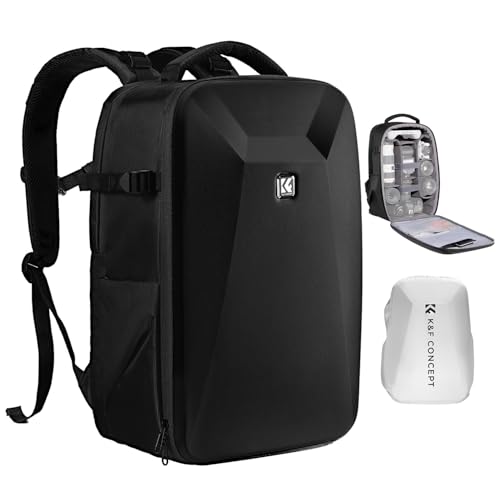
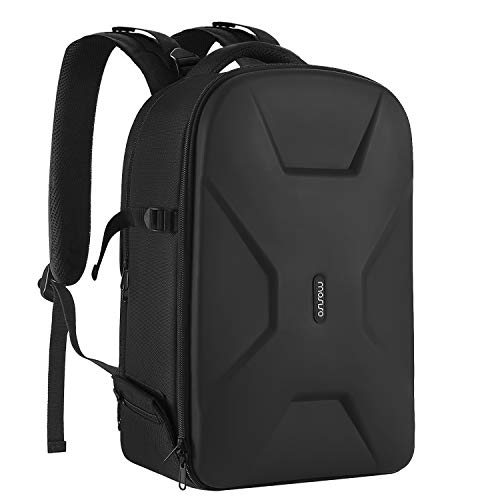

As an Amazon Associate we earn from qualifying purchases at no extra cost to you. Ratings are shown as listed on Amazon.
Quick picks by shooting situation
| Situation | Best fit | Why it works | Typical market range |
|---|---|---|---|
| One camera and one small prime | Peak Design Everyday Sling 6L | Compact profile, movable dividers, fast top access, weather-resistant shell | About $100–$140 |
| One camera and two or three lenses | Think Tank Retrospective 7 | Roomier messenger layout, quiet materials, substantial padding | About $180–$230 |
| Classic discreet styling and frequent walking | Billingham Hadley Pro 2020 | Comfortable shoulder carry, understated canvas-and-leather appearance, removable insert | About $300–$400 |
| Small mirrorless kit on a tighter budget | Tenba DNA 9 | Lightweight messenger design, padded camera insert, useful tablet compartment | About $100–$160 |
| Maximum access while moving | WANDRD ROAM Sling 6L | Wide-opening sling, quick-access organization, flexible divider system | About $130–$180 |
Prices vary by region, color, sales, and whether a bag is bundled with accessories. Capacity figures are useful comparisons rather than guarantees: a large professional camera with a battery grip occupies much more space than a compact mirrorless body.
Head-to-head comparison
| Bag | Approx. capacity | Approx. empty weight | Best camera load | Weather protection | Access style |
|---|---|---|---|---|---|
| Peak Design Everyday Sling 6L | 6 L | About 550 g | Mirrorless or small DSLR with lens, plus one small lens | Weather-resistant 400D recycled nylon shell; use extra protection in sustained rain | Top-opening sling with wide zip access |
| WANDRD ROAM Sling 6L | 6 L | About 650 g | Mirrorless body with attached lens and one or two compact lenses | Weather-resistant materials and coated zippers; not a dry bag | Front and top access, with reversible carry options |
| Tenba DNA 9 | About 9 L | About 700 g | Mirrorless or DSLR with attached lens and two lenses | Water-resistant fabric and included rain cover on many versions | Messenger flap plus quick-access opening |
| Think Tank Retrospective 7 | About 8 L | About 900 g | Mirrorless or DSLR with attached lens and two or three lenses | Water-resistant exterior; rain cover availability depends on version | Quiet flap with quick-access opening beneath |
| Billingham Hadley Pro 2020 | About 9 L with insert | About 1.1 kg | Mirrorless or DSLR with attached lens and two lenses | Water-resistant canvas or FibreNyte; weather flaps protect openings | Front flap with buckle-and-strap closure |
Best choices, explained
Peak Design Everyday Sling 6L: best overall for a light kit
The Everyday Sling 6L is a strong match for photographers who value a low-profile bag and quick access more than maximum lens capacity. Its padded dividers can be repositioned around a camera body, attached lens, compact prime, and small accessories. The sling rotates from back to front without needing to be removed, which is useful when changing lenses on a busy sidewalk.
The main compromise is shape. A camera with a large 24–70mm f/2.8-style zoom, a second large lens, and a water bottle will quickly exceed the practical capacity. The exterior looks modern rather than completely anonymous, but the lack of a prominent camera logo makes it less conspicuous than many traditional photo bags.
Think Tank Retrospective 7: best for two or three lenses
The Retrospective 7 is the more practical choice when street photography means carrying a camera with an attached zoom, two spare lenses, batteries, and a notebook. Its soft, canvas-like exterior is quieter than rigid nylon when the flap is opened, and the interior padding protects equipment without making the bag look oversized.
It is less agile than a 6L sling. A loaded messenger bag can pull on one shoulder during a long walk, and the broad body is more noticeable in crowded transport. Choose it when lens access and storage matter more than the smallest possible footprint.
Billingham Hadley Pro 2020: best discreet classic design
The Hadley Pro 2020 looks like a conventional satchel rather than technical camera equipment. Its removable padded insert allows the outer bag to serve as an everyday shoulder bag when you are not carrying a camera. The combination of a wide shoulder pad, adjustable strap, weather-resistant fabric, and covered flap makes it comfortable for extended urban walks.
Its buckle closure is secure but slower than a large zipper. If you frequently need to raise the camera, shoot, and stow it within seconds, a sling is more efficient. Billingham bags also tend to cost more, but their replaceable inserts and long-wearing materials can improve ownership value for photographers who use the same bag for years.
Tenba DNA 9: best value for a growing mirrorless kit
The DNA 9 occupies a useful middle ground: more organized than a small sling, lighter and less formal than a large messenger. It can accommodate a camera with an attached lens, a second lens, spare batteries, memory cards, and a small tablet or notebook. Its messenger flap offers visual discretion, while the quick-access opening reduces the need to open the entire bag in public.
Check the insert dimensions against your camera before buying. The nominal 9-liter capacity includes space above and around the padded compartment, but a tall camera body or long telephoto lens can make the interior feel much smaller.
WANDRD ROAM Sling 6L: best for rapid access
The ROAM Sling 6L is aimed at photographers who move between walking and shooting frequently. Its wide opening and flexible dividers make it easier to see the whole kit than a narrow, single-compartment sling. It is a good choice for a mirrorless body, an attached 24–70mm-sized lens, and one compact prime.
The structured design provides useful protection but can feel bulkier against the body than a soft satchel. Its weather resistance is suitable for light showers and city use, not prolonged exposure to heavy rain. Keep a small dry pouch or rain cover inside if the forecast is uncertain.
How to choose capacity without overpacking
Start with the kit you carry on an ordinary shoot, not the equipment you might use once a year. For most street photographers, the practical capacity calculation is:
- Camera body with attached lens: roughly 2.5–4 L of usable padded space.
- One compact prime lens: roughly 0.7–1.2 L.
- Battery, cards, lens cloth, and small charger: roughly 0.3–0.6 L.
- Phone, wallet, keys, and a compact rain cover: roughly 1–2 L outside the camera insert.
That produces a realistic load of about 5–8 liters. A 6L sling therefore works when the attached lens is moderate and personal items are minimal. Choose an 8–10L messenger if you carry a second large zoom, a tablet, or a water bottle. Bigger is not automatically better: unused volume encourages packing extra gear, increasing shoulder fatigue and slowing access.
Comfort and quick access on long walks
For walking-heavy shoots, prioritize a wide, padded strap and a bag that stays close to your back or hip. A sling is quickest when its strap is tightened enough to prevent bouncing, then loosened slightly for rotation to the front. A messenger is more comfortable when the bottom of the bag sits near the hip rather than below it.
Place the camera with its grip facing upward and the most-used lens or battery in an outer pocket. Keep loose items away from the camera compartment: coins, keys, and metal clips can scratch equipment or interfere with a fast draw. Dividers should hold the camera firmly without forcing pressure against a control dial or lens release button.
Durability and ownership realities
The parts that usually show wear first are zipper pulls, hook-and-loop fasteners, strap edges, and the underside of the bag where it contacts benches or pavement. Hook-and-loop closures collect lint and become louder over time; brush them clean rather than pulling fabric away from the stitching. Wipe canvas or nylon with a damp cloth, allow it to dry fully, and avoid saturating padded inserts unless the manufacturer specifically permits washing.
Water resistance also declines when dirt blocks fabric coatings or when seams age. A rain cover is useful, but it should not be stored wet inside the bag. In heavy rain, put the camera in an additional sealed liner and keep the bag opening facing downward while walking. No soft camera bag should be treated as waterproof unless its manufacturer explicitly rates it for submersion.
Final recommendation
Choose the Peak Design Everyday Sling 6L if your priority is a discreet, compact one-camera kit with the fastest access. Choose the Think Tank Retrospective 7 or Billingham Hadley Pro 2020 when you need two or three lenses and value a quieter, more conventional appearance. The Tenba DNA 9 is the sensible value choice for a growing mirrorless system, while the WANDRD ROAM Sling 6L is particularly appealing when you want a wide-opening layout for frequent lens and accessory changes.