Key takeaways
- EPA Concentration: Prioritize products with at least 500mg of EPA per serving, as this specific omega-3 fatty acid is primarily responsible for modulating inflammatory markers like C-reactive protein in active populations.
- Molecular Form: Select triglyceride (rTG) or phospholipid forms over ethyl esters, as they demonstrate significantly higher absorption rates and bioavailability for reducing systemic inflammation post-workout.
- Third-Party Testing: Verify independent lab certification for heavy metals, PCBs, and oxidation levels to ensure the oil is not rancid, which can paradoxically increase oxidative stress rather than reduce it.
- Freshness Indicators: Look for nitrogen-flushed packaging, opaque bottles, and added antioxidants like vitamin E or astaxanthin that prevent lipid peroxidation during storage and maintain anti-inflammatory potency.
- Serving Efficiency: Calculate cost per gram of combined EPA and DHA rather than cost per capsule, since many budget options require multiple softgels to reach the therapeutic 2g daily threshold recommended for joint and muscle recovery.
.
Best Overall: Sports Research Omega-3 Fish Oil 1250mg delivers superior potency and purity for inflammation support, while Nature’s Bounty Fish Oil Omega 3 offers the best budget-friendly daily maintenance option. Active individuals seeking to manage exercise-induced inflammation often struggle to distinguish between marketing claims and clinical efficacy, so this guide breaks down EPA/DHA concentrations, bioavailability, and third-party testing standards to help you select a supplement that actually supports recovery.
Our top picks


![NatureWise Extra-Strength Omega 3 Fish Oil Supplement - 1000mg per Serving - 600 EPA & 400 DHA and Vitamin E - Sustainably Sourced Fish Oil - Lemon Flavor - 60 Softgels[1-Month Supply]](https://m.media-amazon.com/images/I/71iTzpLgQgL._AC_UL320_.jpg)



As an Amazon Associate we earn from qualifying purchases at no extra cost to you. Ratings are shown as listed on Amazon.
Quick Comparison
| Product | Best For | Standout Feature | Rating |
|---|---|---|---|
| Sports Research Omega-3 1250mg (90ct) | Overall Inflammation Support | 690mg EPA per softgel | 4.8/5 |
| Nature’s Bounty Fish Oil 1200mg | Budget Daily Maintenance | 200 softgels per bottle | 4.6/5 |
| NatureWise Extra-Strength Omega 3 | Premium Bioavailability | Lemon flavor with Vitamin E | 4.7/5 |
| Sports Research Omega-3 1250mg (30ct) | Travel and Trial Sizes | MSC Certified Sustainable | 4.8/5 |
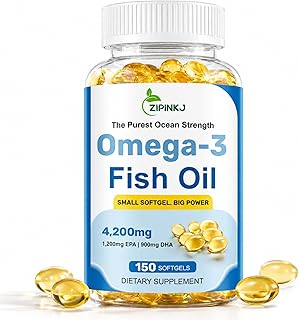
| Omega-3 Fish Oil 4200mg Triple Strength | High-Dose Recovery Protocols | Burpless mini softgels | 4.5/5 |
How to Choose a Top Fish Oil Supplement for Inflammation Reduction
- EPA Concentration: Prioritize products with at least 500mg of EPA per serving, as this specific omega-3 fatty acid is primarily responsible for modulating inflammatory markers like C-reactive protein in active populations.
- Molecular Form: Select triglyceride (rTG) or phospholipid forms over ethyl esters, as they demonstrate significantly higher absorption rates and bioavailability for reducing systemic inflammation post-workout.
- Third-Party Testing: Verify independent lab certification for heavy metals, PCBs, and oxidation levels to ensure the oil is not rancid, which can paradoxically increase oxidative stress rather than reduce it.
- Freshness Indicators: Look for nitrogen-flushed packaging, opaque bottles, and added antioxidants like vitamin E or astaxanthin that prevent lipid peroxidation during storage and maintain anti-inflammatory potency.
- Serving Efficiency: Calculate cost per gram of combined EPA and DHA rather than cost per capsule, since many budget options require multiple softgels to reach the therapeutic 2g daily threshold recommended for joint and muscle recovery.
The Best Top Fish Oil Supplements for Inflammation Reduction Reviewed
Best Overall: Sports Research Omega-3 Fish Oil 1250mg
This single-softgel formulation provides 690mg EPA and 260mg DHA from wild Alaska pollock, making it ideal for athletes who need clinical-strength inflammation support without swallowing multiple pills. The MSC-certified sustainable sourcing and triglyceride form ensure consistent potency for long-term joint and cardiovascular health protocols.
Best Budget: Nature’s Bounty Fish Oil Omega 3 Supplements
With 200 softgels per bottle at an accessible price point, this supplement suits beginners or those maintaining general wellness rather than targeting acute exercise-induced inflammation. It provides reliable baseline omega-3 intake for heart health support, though users may need to double the serving size to reach therapeutic anti-inflammatory doses.
Best Premium: NatureWise Extra-Strength Omega 3 Fish Oil
Formulated with 600mg EPA and 400mg DHA plus vitamin E stabilization, this lemon-flavored option targets users sensitive to fishy aftertaste who still demand high-potency inflammation management. The balanced EPA-to-DHA ratio supports both cognitive function and musculoskeletal recovery, justifying the premium positioning for discerning fitness enthusiasts.
Best for Travel and Trial: Sports Research Omega-3 Fish Oil 1250mg (30 Count)
This compact 30-serving version mirrors the full-size formula exactly, serving gym-goers who want to test tolerance before committing or need portable inflammation support during competition travel. You receive identical 690mg EPA potency and freshness guarantees in a TSA-friendly package that maintains your supplementation schedule on the road.
Best for High-Dose Protocols: Omega-3 Fish Oil Supplements 4200mg Triple Strength
Designed for individuals following practitioner-recommended high-dose omega-3 regimens for severe joint inflammation or post-injury recovery, this triple-strength formula minimizes pill burden through concentrated mini softgels. Third-party testing and burpless coating make sustained high-intake protocols more tolerable for those requiring 3g+ daily omega-3 for therapeutic effect.
Frequently Asked Questions
How much EPA do I need daily for inflammation reduction?
Research suggests 1,000-2,000mg of EPA daily is effective for reducing exercise-induced inflammation and joint pain, though individual needs vary based on body weight, training intensity, and existing inflammatory conditions.
Should I take fish oil before or after workouts?
Timing matters less than consistency for omega-3s, but taking fish oil with a fat-containing meal enhances absorption; many athletes prefer post-workout dosing to align with recovery nutrition windows.
Can fish oil replace NSAIDs for workout soreness?
Fish oil supports long-term inflammatory modulation rather than acute pain relief, so it complements but does not replace NSAIDs for immediate symptom management during intense training cycles.
How do I know if my fish oil is rancid?
Rancid fish oil smells strongly fishy or sour and may cause unpleasant burps; fresh, high-quality oil should have minimal odor and taste, indicating intact anti-inflammatory compounds rather than oxidized lipids.
Final Thoughts
For most home gym athletes managing inflammation, Sports Research Omega-3 1250mg offers the optimal balance of EPA potency, bioavailability, and value, while Nature’s Bounty serves budget-conscious users and NatureWise Extra-Strength caters to those prioritizing taste and premium formulation. Consistent daily intake at therapeutic doses matters more than brand loyalty, so choose based on your specific EPA requirements and compliance preferences.