Key takeaways
- Concentrate example: $45 for a 2kg tub containing ~1,500g protein = $0.030 per gram of protein.
- Isolate example: $70 for a 2kg tub containing ~1,720g protein = $0.041 per gram of protein.
What's inside
Whey isolate carries more protein and less lactose and fat per scoop because it goes through extra filtration, while whey concentrate keeps more of the natural dairy fat and carbs that make it taste richer and bake better. The real difference isn’t marketing, it’s math: once you line up the labels side by side and work out cost per gram of protein, the “better” option depends entirely on your gut tolerance, your budget, and whether that scoop is going into a shaker or a batch of muffins.
As an Amazon Associate we earn from qualifying purchases at no extra cost to you.


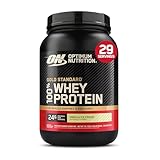
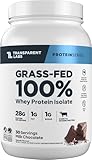
What filtration actually removes
Both start as the liquid byproduct of cheese or casein production. Concentrate is filtered just enough to strip away most of the water and some lactose, landing at roughly 70-80% protein by weight. Isolate goes through additional microfiltration or ion-exchange processing that strips out nearly all the remaining lactose, fat, and cholesterol, pushing protein content to 90% or higher.
That extra processing step is the entire reason for the price gap and the entire reason for the macro differences. It’s not a different protein source, just a more refined version of the same one.
Side-by-side label math
Numbers vary by brand, but here’s a realistic comparison using typical label values per 30g scoop, which is the standard serving size for most tubs on the market in 2026.
| Metric (per 30g scoop) | Whey Concentrate | Whey Isolate |
|---|---|---|
| Protein | 22-24g (~75-80%) | 25-27g (~85-90%) |
| Lactose/carbs | 3-5g | 0.5-2g |
| Fat | 1.5-3g | 0-1g |
| Calories | 110-130 | 100-115 |
| Typical price range (2kg tub) | $35-$55 | $55-$85 |
The protein gap looks small on paper, around 3-5g per scoop, but it compounds over a tub. A 2kg concentrate tub might deliver roughly 1,500g of total protein, while an isolate tub of the same size can deliver closer to 1,700-1,750g, simply because less of the powder’s weight is filler.
Cost per gram of protein, worked out
This is the number that actually matters for budgeting, not the price on the tub.
- Concentrate example: $45 for a 2kg tub containing ~1,500g protein = $0.030 per gram of protein.
- Isolate example: $70 for a 2kg tub containing ~1,720g protein = $0.041 per gram of protein.
Isolate typically costs 25-40% more per gram of actual protein delivered, not just per scoop or per dollar on the shelf price. If you’re hitting a daily protein target of, say, 150g from supplements alone, that gap adds up to real money over a month: roughly $4.50/day on concentrate versus $6.15/day on isolate, a difference of about $50 over 30 days.
Where isolate earns that premium back is for people who are lactose-sensitive. If concentrate causes bloating or digestive discomfort that limits how much you can actually use, the “cheaper” option isn’t cheaper if half the tub goes unused or you’re dealing with GI issues. Anyone with a diagnosed lactose intolerance or ongoing digestive symptoms should talk to a doctor or dietitian rather than troubleshooting through trial and error with powder.
Which one holds up in baking vs. a shake
This is the part most comparisons skip, and it’s where the two powders behave very differently outside of a shaker bottle.
In a plain shake
Isolate mixes thinner and tastes noticeably less creamy because the fat that carries flavor has been filtered out. Concentrate is thicker, mixes a bit less smoothly if you’re using a spoon instead of a shaker, but most people describe it as tasting closer to a milkshake. For a straightforward water-and-powder shake, concentrate generally wins on taste and mouthfeel; isolate wins on digestibility for lactose-sensitive users and on hitting a leaner macro profile.
In baking (protein pancakes, muffins, bars)
Concentrate performs better in baked goods. The small amount of residual fat and lactose helps with browning, moisture retention, and preventing the dry, chalky texture that protein baked goods are known for. Isolate, with almost no fat, tends to bake drier and denser, and it can turn rubbery in anything that needs to rise, since it lacks the binding fat content that supports structure in batters.
If you’re making protein pancakes or muffins regularly, concentrate is the more forgiving ingredient. Isolate works better blended into no-bake recipes like protein balls, frostings, or raw batters where texture from baking isn’t a factor.
Decision matrix: which one fits your situation
| Your situation | Better choice | Why |
|---|---|---|
| Lactose sensitive or dairy-sensitive stomach | Isolate | Minimal lactose reduces bloating/GI discomfort |
| Tight supplement budget | Concentrate | Lower cost per gram of protein |
| Cutting phase, tracking calories tightly | Isolate | Less fat and carbs per gram of protein |
| Bulking, less concerned about extra calories | Concentrate | Extra calories and better taste aid consistency |
| Regularly bakes protein pancakes/muffins | Concentrate | Residual fat improves texture and browning |
| Mixes no-bake protein balls or shakes only | Either works | Texture differences matter less without heat |
| Takes protein right before bed | Concentrate (or casein) | Slightly slower digestion than isolate |
Ownership realities worth knowing
- Clumping: Concentrate clumps more over time, especially in humid climates, because it retains more moisture-attracting lactose. Isolate stays looser in the tub longer.
- Scoop drift: The included scoop is calibrated to one specific product’s density. Switching brands or types without checking the actual gram weight on a kitchen scale is the most common reason people under- or overshoot their protein targets.
- Shelf life: Both last 12-18 months unopened under normal storage, but once opened, isolate’s lower fat content means it’s slightly less prone to going rancid if stored somewhere warm.
- Blends: Many “whey protein” tubs on shelves in 2026 are actually concentrate/isolate blends. Check the ingredient list, not just the front label, since “whey protein isolate” listed second or third means it’s mostly concentrate with a small isolate addition.
Bottom line
Pick concentrate if you tolerate dairy well, want better taste and baking results, and care about cost per gram of protein. Pick isolate if you’re lactose-sensitive, cutting calories tightly, or want the leanest macro profile per scoop regardless of the price premium. Neither is objectively superior, they’re filtered to serve different priorities, and for most people without digestive issues, concentrate remains the better value for daily shakes while isolate earns its keep for specific dietary needs.