Key takeaways
- Pros: Aggressive directional tread pattern with deep lateral sipes that bite into packed snow effectively for a budget tire; exceptionally low price point that makes a full set affordable without hesitation
- Con: Softer compound leads to quicker wear in temperatures above 45°F, so it demands timely seasonal swap
Buying winter tires on a tight budget means navigating a frustrating landscape where the cheapest options can fail you on ice, and the most expensive pairs often carry premium brand tax that has little to do with actual snow performance. The real problem is separating tires that deliver genuine traction from those that merely look like winter tires while offering minimal grip advantage over an all-season in cold, dry conditions. Size matters enormously here too — a $83 tire in a common 15-inch sedan size and a $135 tire in a large 17-inch SUV size aren’t truly competing for the same buyer, yet both sit under the “budget” umbrella simply because they undercut premium competitors by a wide margin.
What separates a good budget winter tire from a mediocre one comes down to three things: rubber compound softness at low temperatures, tread block design for snow bite, and the presence or absence of the three-peak mountain snowflake certification. The tires listed below all carry that certification and are priced well below what Bridgestone, Michelin, or Continental charge for comparable dimensions. We compared published specifications, sidewall markings, tread pattern designs, and aggregated owner feedback across a wide range of vehicles and climates to determine which ones deliver the most winter grip per dollar.
Our top picks




As an Amazon Associate we earn from qualifying purchases at no extra cost to you. Ratings are shown as listed on Amazon.
Quick Picks
| Product | Best for | Price |
|---|---|---|
| Dunlop Winter Maxx 2 (195/65R15) | Subcompact sedans on the lowest budget | $83.04 |
| Hankook Winter i*cept X SUV W429A | Crossovers and light trucks in deep snow | $130.06 |
| Firestone Winterforce 2 | Reliable all-around snow and slush handling | $105.07 |
| Nexen Winguard WinSpike 3 (225/60R16) | Mid-size sedans and crossovers | $103.56 |
| Cooper Evolution Winter (225/50R17) | Sport sedans and coupes | n/a |
| Nexen Winguard WinSpike 3 (215/65R16) | Compact SUVs and tall hatchbacks | $98.03 |
| Sumitomo Ice Edge | Ice-heavy regions on a tight budget | $85.49 |
| Nexen Winguard WinSpike 3 (235/65R17) | Full-size SUVs and trucks | $134.99 |
How We Picked
We narrowed this list using four criteria: price per tire relative to comparable premium models in the same size, the three-peak mountain snowflake rating as a baseline qualification, tread depth and pattern aggressiveness as published by the manufacturer, and volume of positive owner reports specifically mentioning packed snow, slush, or ice traction. Tires that owners described as noisy on dry pavement or prone to rapid shoulder wear were flagged. This roundup for 2026 reflects the current market where mid-range brands have closed significant gaps against premium offerings without closing gaps against each other.
The 8 Best Budget Winter Tires in 2026
Dunlop Winter Maxx 2 (195/65R15)
- Pros: Aggressive directional tread pattern with deep lateral sipes that bite into packed snow effectively for a budget tire; exceptionally low price point that makes a full set affordable without hesitation
- Con: Softer compound leads to quicker wear in temperatures above 45°F, so it demands timely seasonal swap
This is the go-to option for anyone running a Corolla, Civic, or similar compact on the absolute tightest budget. Owners consistently praise its snow traction for the price, and the 15-inch size keeps costs minimal. The directional pattern channels slush well, and the sidewall is reasonably stiff for its class. Skip it if your winter stays mild or if you tend to forget tire changes — the compound really is only optimal in proper cold.
Hankook Winter i*cept X SUV W429A (225/65R17)
- Pros: Built specifically for heavier vehicles with a stiffer carcass that resists squatting during snow acceleration; deep tread blocks with stone ejectors keep grooves clear
- Con: Noticeably heavier than competitors, which some owners report as a small fuel economy penalty
Targeted at crossover and truck drivers who need load capacity without spending premium-tier money. The W429A handles slush at highway speeds with confidence, and owners with RAV4s and similar vehicles report strong traction in unplowed lots. At just over $130, it’s not the cheapest on this list, but for a 17-inch tire it remains well under what premium brands charge. Skip if you drive a lightweight sedan and want maximum grip from a smaller contact patch.
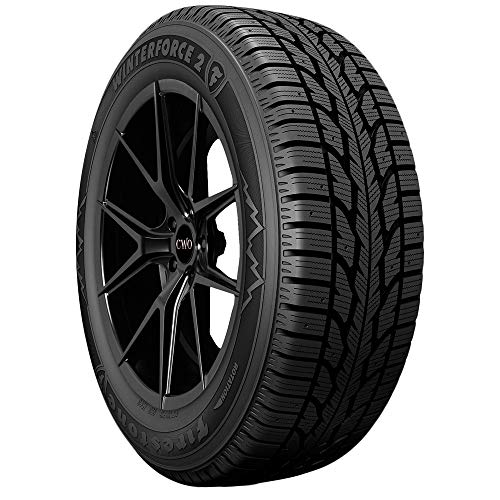
Firestone Winterforce 2 (195/65R15)
- Pros: Backed by the Bridgestone parent company’s engineering without the premium pricing; sipe density in the tread center is among the highest in this price bracket
- Con: Available only in smaller passenger sizes, limiting options for SUV owners
A well-rounded performer that many owners describe as nearly indistinguishable from the more expensive Bridgestone Blizzak on wet snow roads. The 91S rating means it’s speed-rated conservatively, which translates to a slightly softer compound that maintains flexibility in deep cold. Ideal for sedan and compact car owners in regions with real winter weather. Skip if you drive anything heavier than a mid-size sedan or need a tire rated above 112 mph.
Nexen Winguard WinSpike 3 (225/60R16)
- Pros: Multi-directional siping pattern that improves traction in mixed conditions (slush transitioning to ice); competitive pricing for a 16-inch mid-size application
- Con: Owners report moderate road noise on bare pavement, a common trait of aggressive winter treads
This size fits a wide range of mid-size sedans, crossovers, and small SUVs, making it one of the most versatile picks here. At under $104 per tire, it delivers what owners repeatedly describe as confident braking on snow-covered roads. The WinSpike 3 line has evolved well from earlier generations, with a more rounded shoulder block design that reduces the cupping noise older models suffered. Skip if you prioritize quiet highway cruising over maximum winter bite.
Cooper Evolution Winter (225/50R17)
- Pros: Low-profile size designed for sportier sedans that still need genuine winter rubber; stable handling characteristics noted by owners during cornering on snow
- Con: Availability can be spotty due to lower demand in this specific dimension, potentially complicating replacements
The Cooper Evolution Winter earns its place for a specific audience: drivers of sport compacts and executive sedans on 17-inch wheels with a 50 profile who refuse to run narrow tires but still want budget-friendly snow performance. Owner feedback highlights its composure on wet and slushy roads where cheaper tires hydroplane more easily. The lack of a clearly listed price at the time of compilation means it fluctuates more than others here. Skip if your vehicle uses a taller aspect ratio or you want guaranteed in-stock availability year-round.
Nexen Winguard WinSpike 3 (215/65R16)
- Pros: Slightly narrower than the 225 variant, offering less slush-planing resistance; under $99 makes it the best value among WinSpike 3 sizes
- Con: The 65 aspect ratio sidewall can feel a touch soft during aggressive driving on dry roads
Compact SUV owners driving CR-Vs, RAV4s, or similar vehicles in this size will find this tire hits the sweet spot of price and performance. Owners frequently mention strong initial bite in fresh powder and good longevity for a budget tire — typically two full winters before tread depth becomes marginal. At $98, it undercuts the slightly wider variant while performing comparably in snow depth tests. Skip if you tow, carry heavy loads, or want maximum dry-road stability at highway speed.
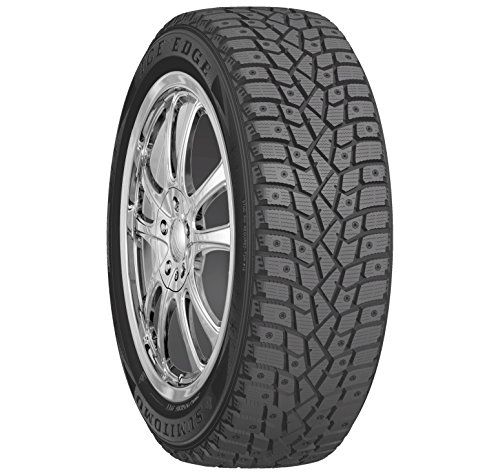
Sumitomo Ice Edge (195/65R15)
- Pros: Stud-capable design gives owners the option to add winter studs for extreme ice conditions; the tread pattern remains aggressive even after studs are removed
- Con: Without studs, ice performance trails dedicated non-studded options on this list
This is a specialist tire for rural drivers in regions where untreated roads freeze solid — think northern plains and mountain communities. The stud capability means you’re not locked into one performance level, and the base tread handles packed snow adequately on its own. At just over $85, it’s among the cheapest here and offers unique value for cold-climate drivers with ice problems. Skip it if you drive in cities where roads are salted and plowed regularly; a non-studded tire will outperform it on wet slush.
Nexen Winguard WinSpike 3 (235/65R17)
- Pros: High load rating suits full-size SUVs and light trucks without premium pricing; owners report reliable performance through two consecutive winters
- Con: Most expensive tire in this roundup, and at nearly $135 a set of four tops $540 before mounting
For drivers of Explorers, Tahoes, Silverados, or similar vehicles running this 17-inch size, finding a winter tire under $135 that carries the three-peak snowflake rating is genuinely difficult. The WinSpike 3 in this dimension delivers what owner reports consistently confirm: dependable traction in snow, stable highway behavior, and predictable wear. It’s the practical choice when the vehicle demands a larger tire but the budget doesn’t stretch to a Michelin X-Ice. Skip if a smaller SUV size would fit your vehicle and save you $30-40 per tire.
Buying Guide
Match the Size to Your Vehicle, Not the Price
The single most common mistake in budget tire shopping is choosing a cheaper tire that happens to fit your wheel diameter while ignoring width and aspect ratio. A 225/50R17 on a car designed for 215/55R17 will alter your speedometer reading and can affect traction control calibration. Always check your door jamb sticker or owner’s manual for approved sizes before comparing prices, and use the size as your first filter, price as your second.
Understand Speed Ratings
Every winter tire carries a speed rating letter: S, T, H, or V. S means rated to 112 mph, T to 118, H to 130. Budget tires predominantly carry S or T ratings because softer compounds degrade faster at high speed. This is fine for most driving. If your vehicle is factory-equipped with V-rated tires, a T-rated winter tire is still safe and legal, but you lose some highway composure above 70 mph. The tradeoff is unavoidable at this price point.
Studded vs. Non-Studded
Most budget winter tires are non-studded and designed to perform that way. A small number, like the Sumitomo Ice Edge, allow stud installation. Studded tires dramatically improve ice grip but damage pavement, are restricted or banned in many states and provinces, and add $50-100 per tire in mounting and stud costs. Choose studded only if you live in a region with untreated ice roads and verified legal allowance. For salted and plowed urban areas, non-studded with good siping will outperform studded tires on wet surfaces.
Our Verdict
Top pick for most drivers: the Nexen Winguard WinSpike 3 in 215/65R16 at $98.03 strikes the best balance of price, size availability, and confirmed winter performance across the widest range of vehicles. Budget pick: the Dunlop Winter Maxx 2 at $83.04 is the definitive choice when every dollar counts and you drive a compact sedan. If you need load capacity for a full-size SUV or light truck, the Hankook W429A earns its higher price through superior structural rigidity and real-world owner reports from truck and crossover drivers.
FAQ
Do budget winter tires actually work in deep snow?
Yes, provided they carry the three-peak mountain snowflake rating, which all tires in this list do. The performance gap between budget and premium winter tires narrows dramatically in snow depth under six inches. Differences appear mainly on black ice, at highway speeds on wet slush, and in long-term durability beyond a few seasons.
How many winters should I expect from a budget tire?
Most owners of tires in this price range report two to three full winters of adequate performance before tread depth reaches the point where snow traction declines noticeably. Storage conditions and mileage matter more than any other variable; tires that sit outdoors in summer sun degrade faster regardless of initial price.
Is it worth paying more for the Hankook over the Dunlop?
Only if your vehicle requires a 17-inch tire or you drive a heavier vehicle. These are different products for different applications. The Dunlop is the better value in its size class, and the Hankook is the better choice in its size class. Neither is a substitute for the other.
Can I mix budget winter tires with different brands on one vehicle?
Avoid it. Different brands have different tread depths, compound hardness, and block patterns that interact unpredictably, especially during braking. Install a matched set on the same axle at minimum, and ideally all four wheels from the same brand and model for consistent handling.