Key takeaways
What's inside
- Evaluate Steel Gauge and Structural Integrity
- Examine Bearing Quality and Movement Mechanics
- Check Weight Horn Compatibility and Sleeve Diameter
- Prioritize Biomechanical Adjustability and Ergonomics
- Account for Space Requirements and Ceiling Clearance
- Avoid Common Buyer Mistakes
- Related Guides
- FAQ
- Related Guides
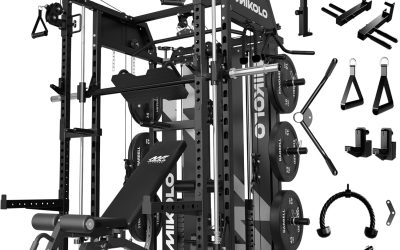
Setting up a serious home gym requires an investment, especially when you step up to commercial-grade, plate-loaded apparatus. Unlike selectorized stacks or basic resistance bands, premium plate-loaded home gym machines mimic the heavy, raw feel of traditional gym equipment without the monthly membership fees. However, choosing the right piece of kit for your specific space, lifting style, and biomechanical needs can feel overwhelming given the sheer volume of options available on the market today.
- Evaluate Steel Gauge and Structural Integrity
- Examine Bearing Quality and Movement Mechanics
- Check Weight Horn Compatibility and Sleeve Diameter
- Prioritize Biomechanical Adjustability and Ergonomics
- Account for Space Requirements and Ceiling Clearance
- Avoid Common Buyer Mistakes
- Related Guides
- FAQ
- Related Guides
Navigating this landscape in 2026 means looking past flashy marketing claims and focusing on structural integrity, gauge thickness, pivot mechanics, and true weight capacity. Whether you are building out a dedicated garage box or upgrading a corner of your basement, understanding the engineering details that separate professional-tier machines from consumer-grade novelties will save you money and prevent injury. Let us break down the exact criteria you need to evaluate before pulling the trigger on your next major strength equipment investment.
As an Amazon Associate we earn from qualifying purchases at no extra cost to you. Product prices and availability are accurate as of the date shown and are subject to change.

Evaluate Steel Gauge and Structural Integrity
The foundation of any good plate-loaded machine is the steel used in its primary frame. When shopping at the premium tier, you should look exclusively for heavy-duty commercial steel, typically rated at 11-gauge or thicker. Thinner steel gauges, such as 14-gauge or 16-gauge, are prone to flexing and twisting under heavy loads, which compromises safety and long-term durability. A heavier frame naturally translates to a higher overall machine weight, which is actually a positive attribute because it keeps the equipment firmly planted on the floor without requiring you to bolt it down for basic movements.
Examine Bearing Quality and Movement Mechanics
The smoothness of a plate-loaded machine dictates how well it isolates your target muscles. Premium machines generally rely on either industrial linear bearings or heavy-duty brass bushings at their primary pivot points. Linear bearings provide an ultra-fluid, friction-free glide that is ideal for multi-directional presses and sliding carriages. Bushings, on the other hand, offer a slightly more rigid feel that many seasoned lifters prefer for controlled, strict isolation movements. Avoid budget machines that use cheap plastic sleeves or unsealed bearings, as these tend to degrade quickly and develop an annoying wobble under load.
Check Weight Horn Compatibility and Sleeve Diameter
Before purchasing, verify the diameter of the weight horns on the machine. Standard Olympic plates require standard 2-inch sleeves, but some specialized commercial machines use proprietary or non-standard diameters that force you to buy matching plates from the same manufacturer. Furthermore, check the usable length of the weight horns. If you lift heavy, you need enough sleeve space to load multiple thick cast-iron or bumper plates without running out of room. Look for weight horns constructed from solid stainless steel rather than hollow tubing with a painted finish that chips away over time.
Prioritize Biomechanical Adjustability and Ergonomics
No two bodies are built exactly alike, which is why adjustability is paramount on premium equipment. Look for machines offering micro-adjustments on seats, backpads, and footplates using durable, spring-loaded pop-pins or quick-release levers. The upholstery should consist of high-density molded foam wrapped in tear-resistant industrial vinyl. If a machine forces your joints into an unnatural path of motion because it lacks proper ergonomic alignment, you risk chronic tendonitis or acute joint strain over months of heavy training.
Account for Space Requirements and Ceiling Clearance
Plate-loaded machines have a notoriously large footprint compared to cable pulleys or adjustable dumbbells. Beyond measuring the floor space required for the base of the machine, you must account for the swing radius of the weight arms, the extra room needed to slide plates onto the horns safely, and your vertical ceiling clearance. Certain leverage squat machines and vertical press stations require significant overhead space, particularly at the top of the movement when your arms or legs are fully extended.
Avoid Common Buyer Mistakes
A frequent mistake among home gym builders is chasing novelty multi-gyms that promise dozens of exercises on a single plate-loaded chassis. While versatility sounds appealing on paper, these multi-purpose frames often compromise on the biomechanics of individual exercises, leaving you with mediocre pressing, pulling, and squatting angles. Another oversight is ignoring flooring; heavy plate-loaded iron demands dense rubber stall mats to absorb impact, protect your foundation, and dampen vibrations that travel through your home during heavy drop sets.
Related Guides
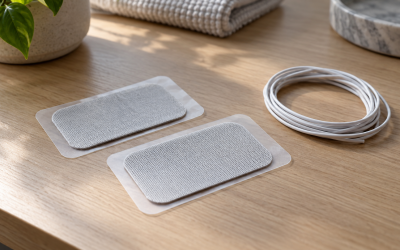
If you are still deciding which specific models to look into, check out our roundup of the best premium plate-loaded home gym machines. For those looking to target their upper back development further, our guide on the best lat pulldown machines offers valuable insights. Additionally, if recovery after heavy lifting is on your mind, explore our recommendations for the best EMS foot massager machines.
FAQ
Are plate-loaded machines better than selectorized weight stacks?
Plate-loaded machines generally offer a higher maximum weight capacity and a more raw, authentic resistance profile because you are moving actual iron plates rather than selectorized pins. They are also typically more durable and require less maintenance over years of intense use. However, selectorized stacks win points for speed if you need to drop-set quickly between working sets.
Do I need special flooring for heavy plate-loaded equipment?
Yes, heavy equipment requires high-density rubber flooring to protect both your subfloor and the machine’s steel base from impact damage. Standard puzzle foam mats are far too soft and will compress permanently under the immense weight of a loaded commercial machine. Solid rubber stall mats of appropriate thickness provide the ideal stable and protective surface.
What is the difference between linear bearings and brass bushings?
Linear bearings utilize recirculating ball bearings housed in a steel raceway to deliver an exceptionally smooth, frictionless sliding motion. Brass bushings rely on metal-on-metal sliding surfaces that offer a more rigid, traditional gym feel requiring very little maintenance. Both are durable options, but your choice depends entirely on whether you prefer frictionless fluidity or a slightly more structured resistance feel.
Can I use bumper plates on standard plate-loaded machines?
You can use bumper plates on most plate-loaded machines, provided the sleeve diameter matches and the horns are long enough. However, keep in mind that bumper plates are generally much thicker than calibrated steel plates. This means you may run out of sleeve space much faster when loading heavy working sets on machines designed primarily for thin iron plates.