Key takeaways
- Height Clearance: Select bars between 5 and 9 inches for handstands and L-sits, but opt for 9.5 inches or higher if you are training full planches or deep dips to ensure adequate ground clearance and joint safety.
- Base Stability: Prioritize parallettes with wide, non-slip rubber feet and a low center of gravity to prevent tipping during dynamic movements like straddle press handstands or tuck planche holds.
- Grip Material: Choose wooden bars for superior moisture absorption and natural tactile feedback during long sessions, or select foam-wrapped steel handles if you prefer cushioning and sweat resistance.
- Weight Capacity: Verify the manufacturer’s rated load limit exceeds your body weight by at least 100 pounds to account for dynamic forces generated during kipping, swinging, or explosive transitions.
- Floor Compatibility: Ensure the base material is safe for your specific training surface, as some rubber feet can mark hardwood floors while plastic caps may slide dangerously on smooth tile or concrete.
.
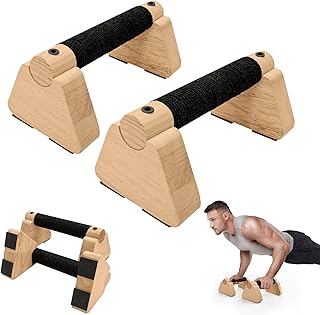
Best Overall: The Kensui YinYang Wooden Push Up Bars take the top spot for their versatile interlocking design and premium stability, while the Teclor Heavy-Duty Parallettes serve as the best runner-up for athletes prioritizing maximum height and zero wobble during advanced planche progressions. Many home calisthenics practitioners struggle with wrist pain or equipment instability that hinders skill development, so this guide evaluates six top-rated parallettes based on grip ergonomics, base footprint, weight capacity, and material durability to help you select the right tool for safe handstand and planche training.
Our top picks


As an Amazon Associate we earn from qualifying purchases at no extra cost to you. Ratings are shown as listed on Amazon.
Quick Comparison
| Product | Best For | Standout Feature | Rating |
|---|---|---|---|
| Kensui YinYang Wooden Push Up Bars | Versatile skill progression | Interlocking modular design | 4.8/5 |
| Teclor Push Up Bar & Parallettes | Advanced planche training | 9.5-inch heavy-duty height | 4.7/5 |
| Wooden Parallettes Calisthenics Bars (550 LBS) | Premium build quality | 550 lb capacity non-slip base | 4.7/5 |
| Adjustable 10-12.5 Inch Parallettes Bars | Tall athletes and dips | Adjustable height up to 12.5 inches | 4.6/5 |
| Parallettes Bars – Wooden Calisthenics Equipment | Budget-friendly starters | Affordable solid wood construction | 4.5/5 |
How to Choose a Parallettes for Handstand and Planche Progressions
- Height Clearance: Select bars between 5 and 9 inches for handstands and L-sits, but opt for 9.5 inches or higher if you are training full planches or deep dips to ensure adequate ground clearance and joint safety.
- Base Stability: Prioritize parallettes with wide, non-slip rubber feet and a low center of gravity to prevent tipping during dynamic movements like straddle press handstands or tuck planche holds.
- Grip Material: Choose wooden bars for superior moisture absorption and natural tactile feedback during long sessions, or select foam-wrapped steel handles if you prefer cushioning and sweat resistance.
- Weight Capacity: Verify the manufacturer’s rated load limit exceeds your body weight by at least 100 pounds to account for dynamic forces generated during kipping, swinging, or explosive transitions.
- Floor Compatibility: Ensure the base material is safe for your specific training surface, as some rubber feet can mark hardwood floors while plastic caps may slide dangerously on smooth tile or concrete.
The Best Parallettes for Handstand and Planche Progressions Reviewed
Best Overall: Kensui YinYang Wooden Push Up Bars
The Kensui YinYang bars are ideal for intermediate to advanced athletes who want a single piece of equipment that adapts from push-ups to freestanding handstands thanks to their unique interlocking mechanism. The premium wood finish provides excellent chalk-free grip, making them perfect for home gym users who value both aesthetics and functional versatility.
Best Budget: Parallettes Bars – Wooden Calisthenics Equipment
These affordable wooden calisthenics bars offer beginners a reliable entry point into handstand training without compromising on essential stability or grip comfort. They are best suited for those new to bodyweight strength work who need dependable push-up handles and introductory handstand blocks before investing in specialized competition-grade gear.
Best Premium: Wooden Parallettes Calisthenics Bars (550 LBS)
With a massive 550-pound weight rating and reinforced joinery, these premium wooden bars cater to heavier athletes or those performing high-impact dynamic skills like planche presses and muscle-up transitions. The oversized non-slip base ensures absolute confidence during maximal effort holds, justifying the higher price for serious practitioners.
Best for Advanced Planche: Teclor Push Up Bar & Parallettes
Standing at 9.5 inches tall with a rigid steel frame, the Teclor bars provide the extra clearance necessary for full planche extensions and deep range-of-motion dips without knuckle contact. This set is specifically designed for advanced calisthenics athletes who have outgrown standard low-profile parallettes and require uncompromising structural rigidity.
Best for Adjustable Training: Adjustable 10-12.5 Inch Parallettes Bars
Featuring adjustable heights from 10 to 12.5 inches and an 880-pound capacity, these parallel bars accommodate tall athletes and multi-discipline training ranging from rehabilitation to elite gymnastics. The foam handles and locking adjustment mechanism make them the optimal choice for shared home gyms where multiple users with different skill levels train regularly.
Frequently Asked Questions
Are wooden or metal parallettes better for handstands?
Wooden parallettes generally provide superior grip for handstands because they absorb sweat naturally and offer consistent friction without requiring excessive chalk. Metal bars with foam wraps can be comfortable but may become slippery over time as the foam compresses and retains moisture during extended balance practice.
What height parallettes do I need for planche training?
For tuck and advanced tuck planches, 5 to 7 inches of clearance is usually sufficient, but full planche and straddle planche variations typically require 9 inches or more to prevent fingers from dragging on the floor. Taller athletes should err on the side of greater height to maintain proper form throughout the entire lever progression.
Can I use push-up bars as parallettes for handstands?
While many push-up bars double as basic parallettes, dedicated handstand parallettes feature wider bases and lower profiles specifically engineered to resist lateral tipping during inverted balancing. Using narrow-based push-up bars for handstands increases fall risk, so verify the base dimensions and stability ratings before attempting inversions.
Do parallettes improve handstand technique compared to floor work?
Parallettes reduce wrist extension strain and allow you to grip actively with your fingers, which accelerates balance correction and builds specific forearm strength faster than flat-hand floor training. However, they also create a dependency on gripping, so most coaches recommend alternating between parallette and floor practice to develop well-rounded handstand proficiency.
Final Thoughts
For most home athletes progressing through handstand and planche milestones, the Kensui YinYang Wooden Push Up Bars deliver unmatched versatility and build quality, while the Teclor Heavy-Duty stands remain the definitive choice for advanced planche specialists needing maximum clearance. Budget-conscious beginners can confidently start with the basic Wooden Calisthenics Equipment bars, knowing they provide adequate stability for foundational skill development before upgrading to premium options.