Key takeaways
- Best Overall: 90 Degree By Reflex Full Zip Running Track Jacket – light, slim, thumbholes, easy to stuff in a belt.
- Best for Sun: baleaf Women’s UPF 50+ Sun Shirt Long Sleeve – full-arm coverage for summer and trail miles.
- Best for Cold: baleaf Men’s Fleece Winter Pants – fleece-lined, wind-resistant legs for freezing mornings.
- Best Premium Tights: Nike Challenger Dri-FIT Running Tights – reflective detail and a brand-standard cut.
- Best Value Tee: Under Armour Tech 2.0 Short-Sleeve – a simple, dependable base layer.
- Best Wind Shell: adidas adi365 Essentials Running Jacket – a second jacket option with brand-standard sizing.
- Best Budget Shorts: Pudolla Men’s 2-in-1 5-Inch Running Shorts – built-in liner and phone pockets.
The best running apparel is the set of layers that matches the weather you actually run in, not one hero garment. For a cool-morning shell, the 90 Degree By Reflex Full Zip Running Track Jacket is our overall pick because it is light, slim, and has thumbholes that keep sleeves in place. For hot, sunny miles, the baleaf Women’s UPF 50+ Sun Shirt is the runner-up and the easiest sun-cover upgrade on this list. Below you will find seven main picks sorted by temperature and conditions, four alternatives, and a buying guide with fit and fabric thresholds you can apply to any brand.
Most runners buy clothing one item at a time and end up with a drawer of cotton-blend tees and a single jacket that is too warm at mile one. This guide flips that around. We start with the temperature band, then pick the garment that does the best job inside it. Everything here is a current, widely sold listing, and we name only the specs the manufacturers list. Where a detail is not published, we say “not listed” instead of guessing.
Top Picks at a Glance
- Best Overall: 90 Degree By Reflex Full Zip Running Track Jacket – light, slim, thumbholes, easy to stuff in a belt.
- Best for Sun: baleaf Women’s UPF 50+ Sun Shirt Long Sleeve – full-arm coverage for summer and trail miles.
- Best for Cold: baleaf Men’s Fleece Winter Pants – fleece-lined, wind-resistant legs for freezing mornings.
- Best Premium Tights: Nike Challenger Dri-FIT Running Tights – reflective detail and a brand-standard cut.
- Best Value Tee: Under Armour Tech 2.0 Short-Sleeve – a simple, dependable base layer.
- Best Wind Shell: adidas adi365 Essentials Running Jacket – a second jacket option with brand-standard sizing.
- Best Budget Shorts: Pudolla Men’s 2-in-1 5-Inch Running Shorts – built-in liner and phone pockets.
Best Running Apparel Compared
| Product | Best for | Key specs | Watch for | Price tier |
|---|---|---|---|---|
| 90 Degree By Reflex Track Jacket | Cool mornings, warm-ups | Full zip, slim fit, thumbholes, lightweight | Slim cut may feel snug over layers | Mid-range |
| baleaf Women’s UPF 50+ Sun Shirt | Hot, sunny runs and trails | UPF 50+, long sleeve, stretchy quick-dry fabric | Long sleeves still run warm in heat waves | Budget |
| baleaf Men’s Fleece Winter Pants | Freezing, windy runs | Fleece lining, windproof panels, listed for roughly 4-20 degrees F | Too warm above about 40 degrees F | Mid-range |
| adidas adi365 Essentials Running Jacket | Wind and light chill | Running-cut jacket; fabric details not listed | Confirm sleeve length on the size chart | Mid-range |
| Nike Challenger Dri-FIT Tights | Cool-weather road runs | Dri-FIT fabric, reflective accents | Not a winter-weight tight | Premium |
| Under Armour Tech 2.0 Tee | Everyday base layer | Short sleeve, moisture-wicking polyester | Loose cut; size down only if you want it snug | Budget |
| Pudolla 2-in-1 5-Inch Shorts | Warm-weather runs | 5-inch inseam, liner, phone pockets, quick-dry | Liner fit varies by body | Budget |
1. 90 Degree By Reflex Full Zip Track Jacket: Best for Cool-Morning Runs
- Full-length zip with a lightweight athletic fabric
- Slim fit with thumbholes in the cuffs
- Listed in black; sizes run from small up through larger men’s sizes (check the maker’s size chart)
- Zip pockets are listed on the jacket; exact fabric blend is not listed in the short title
Best for: runners who start cool and finish warm. Skip if: you need real wind or rain protection, since this is a track jacket, not a shell.
A track jacket earns its place by being comfortable for the first mile and easy to remove for the rest. The 90 Degree cut is slim, so it lies flat against a base layer and does not flap in a breeze. The thumbholes are the small feature that matter most: they pin the cuff over the back of your hand on cold starts and stop the sleeves from riding up while you swing your arms. When the temperature rises, you unzip, push the sleeves up, and the jacket tied around the waist is not a bulky load.
What the specs mean in practice: a lightweight single-layer fabric dries fast, but it will not block wind the way a coated shell does. Treat it as your 45 to 60 degree F layer. If you run in colder air, wear it over a long-sleeve base. If you regularly face rain, add a separate packable shell instead of expecting this jacket to do both jobs.
Pros: light; thumbholes; slim, non-flapping cut; easy to pair with any tee; good for warm-ups and cooldowns. Cons: not wind- or water-proof; slim fit may feel tight over thicker layers.
2. baleaf Women’s UPF 50+ Sun Shirt: Best for Sun Protection
- UPF 50+ sun-protection fabric (maker’s claim)
- Long sleeves; stretchy, quick-dry, lightweight construction
- Rash-guard style cut that also works for hiking and water sports
- Offered in multiple colors; check the size chart for torso length
Best for: sunny trail and road runs where you want arms covered. Skip if: you prefer a looser, boxy fit or run primarily in the dark.
A UPF 50+ garment is clothing that the maker says blocks about 98 percent of UV rays through the fabric. For runners, the practical benefit is simple: you do not have to reapply sunscreen on your forearms halfway through a long run. A long-sleeve shirt may sound hot, but a thin stretch knit with quick-dry fibers often feels cooler on the skin than bare arms in direct sun, because sweat wicks and evaporates rather than baking. Many marathon runners wear exactly this style in summer for that reason.
Because it is a fitted, rash-guard cut, the baleaf shirt also behaves as a base layer under a jacket in shoulder season. The stretch panels let your shoulders rotate freely. Wash it cold and hang it dry; high dryer heat is hard on stretch fibers and can shorten the life of the elasticity. Dermatology guidance on sun protection is general: ask a doctor about your own skin, and treat UPF clothing as one layer of sun care, not a total guarantee.
Pros: UPF 50+ claim; stretchy; light; works across sports; inexpensive. Cons: fitted cut is not for everyone; may feel warm in extreme heat; sleeves are long for petite frames.
3. baleaf Men’s Fleece Winter Pants: Best for Freezing Mornings
- Fleece-lined interior for insulation
- Windproof fabric; the listing says it keeps warm in roughly 4 to 20 degrees F
- Designed for cycling and mountain use, also sold as running thermal pants
- Zippered details are described in the listing; check the size chart for waist and inseam
Best for: deep-winter runs and walks where a normal tight is not enough. Skip if: you run warm or live somewhere that stays above about 40 degrees F.
Winter running is where most people buy the wrong thing. A thin tight under running shorts is fine at 45 degrees F, but at 15 degrees F the thighs are directly exposed to wind, and that is when the cold becomes painful. A fleece-lined, wind-blocking pant solves that with a thick interior and a barrier on the outside. The temperature range printed on the listing is the maker’s own guidance and varies with wind, pace, and personal tolerance, so treat it as a starting point.
Fleece traps heat very well, which is also the risk: if you run at a tempo pace, these will feel hot quickly. Use them for easy runs, long slow miles, and cold-weather walks, and keep a lighter tight for workouts. Wear a thin base layer underneath only if you are very cold-sensitive. Keep in mind this is a cycling-origin design, so the cut can sit a bit snug at the thigh; verify with the size chart.
Pros: warm fleece interior; wind-blocking fabric; great for the coldest days; modest cost for winter gear. Cons: too hot above freezing at a fast pace; cycling cut may feel tight; bulky to pack.
4. adidas adi365 Essentials Running Jacket: Best Brand-Name Wind Layer
- Men’s running jacket from the adi365 Essentials line
- Listed in black; sizes are standard adidas men’s sizing
- Fabric blend, pockets, and reflective details: not listed in the short title
- Check the maker’s size chart for sleeve length
Best for: runners who like predictable brand sizing and a clean, simple look. Skip if: you need confirmed waterproofing; the title does not claim it.
The adidas jacket is the second jacket option for readers who want a name-brand piece for everyday running, commuting, and gym use. Because adidas publishes consistent size charts, buyers who already own adidas apparel can expect the new item to fit similarly. That predictability is worth something when you are ordering without trying on.
It does not replace a true rain shell. Think of it as the layer between a tee and a heavy coat on a breezy, dry day. If you are choosing between this and the 90 Degree jacket above, the deciding factor is mostly fit: the 90 Degree is a slimmer track cut with thumbholes; the adidas piece is the more conventional brand fit. Either works for 45 to 60 degree F mornings.
Pros: reliable brand sizing; versatile for running and daily wear; clean design. Cons: fabric details not listed in the title; not marketed as waterproof.
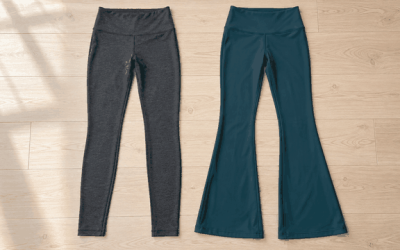
5. Nike Challenger Dri-FIT Running Tights: Best Cool-Weather Tights
- Dri-FIT moisture-wicking fabric
- Reflective accent (the listed color is black with reflective silver)
- Men’s running tight cut; check the size chart for inseam
- Thickness described as a regular running-weight tight rather than a winter fleece
Best for: road runs between roughly 30 and 55 degrees F. Skip if: you need windproof, fleece-lined legs for single digits.
The Challenger tight sits in the middle of the clothing spectrum. It is warm enough that you can run at 35 degrees F without feeling like you are wearing nothing, yet thin enough to avoid overheating at 55 degrees F. Reflective detailing matters for runners who go out before sunrise or after dark; it does not replace a headlamp or a reflective vest, but it adds visibility from the side and back.
The Dri-FIT label means the polyester fabric is designed to pull sweat off the skin. In daily use, the advantage is that the tight dries quickly and does not feel clammy in the stops at lights. Pair it with a long-sleeve tee and a light jacket, and you have a full cool-weather outfit. The tradeoff is cost: this is the priciest garment in the main picks, so it makes the most sense if you run several times a week through autumn and spring.
Pros: sweat-wicking; reflective accents; flexible across temperatures; trusted brand fit. Cons: premium cost; not a deep-winter tight.
6. Under Armour Tech 2.0 Short-Sleeve Tee: Best Everyday Base Layer
- Short-sleeve crew with moisture-wicking polyester
- Loose, athletic cut; offered in many colors
- Anti-odor technology is mentioned on the brand’s page for this line (check the product details)
- Check the maker’s size chart for length
Best for: hot-weather runs and as an inner layer. Skip if: you prefer a fitted compression shirt.
The Tech 2.0 tee has been a staple for years because it does little wrong. It is thin, dries fast, and is cheap enough to own several. Most runners should replace cotton tees with a synthetic shirt like this simply because cotton holds sweat, gets heavy, and can chafe at the underarms and chest on longer runs. A basic wicking tee solves all three.
Use it as the foundation of the other layers in this guide. Under the 90 Degree jacket, it keeps the top light. Under a long-sleeve in cold weather, it adds a moisture-moving inner layer. In summer, it is the only layer you need with sunscreen. If you hate seams, check the neckline and side seams the first time you wear it on a long run.
Pros: inexpensive; dries fast; many colors; works in every season as a base. Cons: loose cut can flap in wind; no sun-protection claim on this listing.
7. Pudolla Men’s 2-in-1 5-Inch Running Shorts: Best Budget Shorts
- 5-inch inseam with built-in liner (2-in-1 construction)
- Quick-dry fabric
- Phone pockets on the shorts, as stated in the listing
- Offered in black and other colors; check the size chart for waist
Best for: warm-weather road runs, gym cardio, and travel. Skip if: you dislike liners or want a longer 7-inch inseam.
The 2-in-1 design is practical: the outer short gives coverage and pockets, while the inner liner reduces chafing and means you can skip a separate pair of underwear. For runners who carry a phone, a pocket that holds it securely against the body is more comfortable than an armband. Try the pocket by jogging in place with the phone inside before you head out; a good pocket keeps the device from bouncing.
At the budget tier, you accept some tradeoffs in stitching and fabric. Expect decent performance for runs under an hour or two. If you plan to log high-mileage weeks, buy two pairs so each one rests between washes. Liners differ in cut between brands; if you have wide thighs or a longer torso, read the sizing notes and consider ordering a size up.
Pros: inexpensive; liner and pockets; quick-dry; easy to wear for several sports. Cons: liner fit is subjective; fabric is not premium; limited length options.
Also Consider
BROKIG Men’s Windbreak Running Jacket
A zip-up hoodie-style windbreaker with zip pocket, aimed at running, gym, and golf. Pick it if you want a hood and a lighter wind layer than the track jacket. Fabric details are not listed in the short title.
Under Armour ColdGear Armour Leggings
A fitted, warmer tight that works as a base layer under shorts or pants in cold weather. Choose it if the Nike tight is not warm enough but a full fleece pant is too much.
Locachy Women’s Lightweight Zip-Up Athletic Jacket
A stand-collar jacket marketed as windproof with sun protection, useful for women who want a light layer for spring runs. Confirm the sun-protection rating in the full listing before relying on it.
NELEUS Men’s 3-Pack Running Compression Shorts
A multi-pack of compression shorts with pockets, best as a base layer under looser shorts or for gym days. A pack lowers the cost per wear.
How We Chose
This guide is research-based. We did not personally use these products. We compared manufacturer product pages, listing titles, and size charts, and read independent running-gear coverage from publications such as Runner’s World and Outside to confirm what features matter at each temperature. We chose items that are currently sold and clearly belong to a running or athletic category, and we limited ourselves to two items per brand. Where a spec is not published in the listing, we marked it as not listed. We avoided claims about durability over months of wear because we cannot verify them without long-term use.
Selection followed a simple logic: one item per weather situation, then fill in the base layers. We did not rank by popularity counts or review numbers. Price is shown only as a tier word (Budget, Mid-range, Premium) because retail pricing changes constantly.
Buying Guide
Match the garment to the temperature band
Use a rough rule: dress as if it is 15 to 20 degrees F warmer than the air temperature, because you will heat up within ten minutes. At 65 degrees F and above, a single wicking tee and shorts are enough. From 50 to 65, add a long-sleeve or a light jacket you can tie around the waist. From 35 to 50, use tights, a long-sleeve base, and a jacket. Below 30, add a windproof layer or fleece pants, gloves, and a hat. At 15 degrees F or lower, windproof fleece legs, a thermal top, and a shell make sense. The point is to remove layers as you warm up, so zippers and thumbholes matter more than a single heavy coat.
Fabric: pick synthetics, skip cotton
Polyester, nylon, and elastane blends move sweat away from the skin and dry in a fraction of the time that cotton takes. Cotton can be fine for short, easy runs in dry weather, but on a 60-minute run it holds moisture and increases chafing. Look for “moisture-wicking,” “quick-dry,” or a branded wicking fabric name. Merino wool is another good option in cold weather, though it was not in this lineup.
Sun protection numbers
UPF 30 is considered good and UPF 50+ is the top category on labeling standards. Dark and tightly knit fabrics block more UV than light, loose knits. Wearing UPF clothing does not remove the need for sunscreen on exposed skin, such as the face and hands, and anyone with a skin condition should speak with a doctor.
Fit and sizing
Running clothes should allow a full range of motion without rubbing. Check the maker’s size chart and measure your chest, waist, and inseam instead of trusting your usual letter size. Brands differ: Nike and adidas tend to follow a consistent athletic cut, while lower-cost brands can vary between batches. If you are between sizes, choose the larger for jackets (room for layers) and the smaller for tights (no bunching).
Visibility and safety
If you run in low light, choose garments with reflective trim and add a light. Bright colors help in daylight; reflective panels work best at night because they bounce headlights back. Avoid all-black outfits on roads without sidewalks.
Common Mistakes to Avoid
- Overdressing: if you feel comfortable standing at the door, you will be too warm in ten minutes.
- Wearing cotton socks and tees in cold weather, which can make you colder once damp.
- Ignoring the wind: a 35-degree day with a 15 mph wind feels much colder than a calm 30-degree day.
- Buying only one heavy jacket instead of two light layers.
- Skipping a wash cycle: wicking fabrics hold odor and work best when cleaned regularly without fabric softener.
Frequently Asked Questions
What is the best running apparel for beginners?
A wicking tee, a pair of 5-inch lined shorts, and one light jacket cover most conditions. Add tights and a sun shirt as your weather range grows.
Do I need a running jacket or will any jacket do?
A running jacket is lighter, breathes better, and has a cut that allows arm swing, so it is usually more comfortable than a casual jacket, which often traps heat.
Is a long-sleeve sun shirt too hot for summer running?
Not always. A thin, stretchy knit often feels cooler than bare skin in direct sun, but in very high heat and humidity you may prefer a short sleeve and sunscreen.
How do I layer a sun shirt and a jacket?
Start with the sun shirt as your base, add a light jacket when it is cool, and take the jacket off as you warm up. This is a simple three-layer approach.
Are fleece winter pants good for running?
Yes for easy runs in freezing, windy weather. At faster paces or above about 40 degrees F, they will feel too warm, so keep a lighter tight handy.
How should running tights fit?
Snug but not restrictive, with no bunching at the knees and a waistband that stays in place without digging in. Check the maker’s size chart and consider sizing based on inseam.
How long does running apparel last?
It depends on washing and wear. Wash cold, hang dry when possible, and avoid fabric softener, which can coat wicking fibers.
Which One Should You Buy?
If you only buy one piece, make it the 90 Degree By Reflex Track Jacket for shoulder-season versatility. If you run mostly in summer sun, the baleaf UPF 50+ Sun Shirt is the better first purchase. If winter is your problem, the baleaf Fleece Winter Pants solve the hardest cold-weather gap. For year-round tights, pick the Nike Challenger. Start with the weather you face most often, then build the other layers over a season. Always confirm sizing against the maker’s chart, since cuts differ across brands and genders.
Sources
- 90 Degree By Reflex manufacturer product page
- baleaf manufacturer product pages (sun shirt and fleece pants)
- Nike, adidas, and Under Armour manufacturer product and size-chart pages
- Runner’s World clothing and layering guidance
- Skin Cancer Foundation guidance on UPF clothing
Last updated: October 2026