Key takeaways
- Best Espresso Grinders Under $500 The best espresso grinders under $500 are the Baratza Sette 270 for fast, low-retention grinding; the Eureka Mignon Silenzio for a quieter, more enclosed workflow; and the DF64 Gen 2 for experienced users who want…
Best Espresso Grinders Under $500
The best espresso grinders under $500 are the Baratza Sette 270 for fast, low-retention grinding; the Eureka Mignon Silenzio for a quieter, more enclosed workflow; and the DF64 Gen 2 for experienced users who want 64 mm flat burrs and room to experiment. Choose based on how you adjust grind size, whether you single-dose or grind into a portafilter, and how much noise and cleanup you’ll tolerate—not burr diameter alone.
Quick comparison
Prices below are approximate U.S. market ranges and vary with sales, versions, and included accessories. Dimensions and weights are manufacturer-listed or commonly published figures; check the exact model’s specifications before buying, since configurations can change.
Our top picks


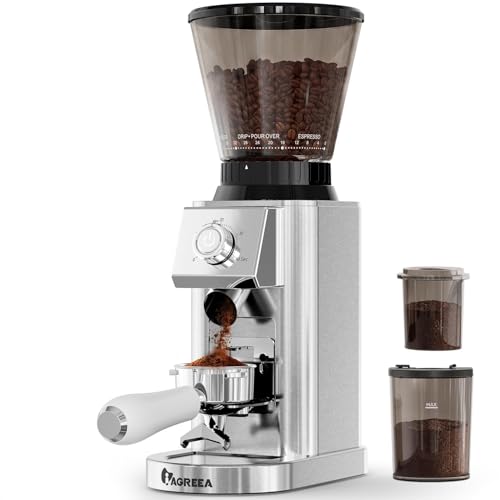

As an Amazon Associate we earn from qualifying purchases at no extra cost to you. Ratings are shown as listed on Amazon.
| Grinder | Burrs | Adjustment and dosing | Approx. size and weight | Typical price range | Best fit |
|---|---|---|---|---|---|
| Baratza Sette 270 | 40 mm conical steel | Stepless macro and micro adjustment; grinds by time into a portafilter or bin | About 13.5 × 9.5 × 16 in; 7 lb | $350–$450 | Frequent espresso and quick dosing |
| Eureka Mignon Silenzio | 50 mm flat steel | Stepless adjustment; timed dosing; portafilter fork | About 13.8 × 4.7 × 7.1 in; 12 lb | $400–$500 | Quiet, compact, hopper-based use |
| DF64 Gen 2 | 64 mm flat steel; compatible aftermarket burr options exist | Stepless collar; single-dose workflow | About 12.6 × 5.1 × 9.8 in; 14 lb | $400–$500 | Experimenting with beans and brew styles |
| Baratza Encore ESP | 40 mm conical steel | Stepped adjustment with espresso-focused lower range; timed by user | About 13.3 × 5.5 × 6.3 in; 7 lb | $150–$200 | New espresso users on a tighter budget |
Choose by your routine
| Your situation | Best starting choice | Why it fits | Trade-off to expect |
|---|---|---|---|
| First espresso setup; occasional shots; limited budget | Baratza Encore ESP | Accessible price and a dedicated finer adjustment range make dialing in less awkward than on a general-purpose grinder. | Stepped changes can make fine tuning between shots less precise. |
| Several drinks a day; want fast, direct dosing | Baratza Sette 270 | Its timed portafilter dosing and low-retention design suit a repeatable morning routine. | It is notably loud and its open design can scatter grounds. |
| Small kitchen; noise matters; keep one bean in the hopper | Eureka Mignon Silenzio | Narrow footprint, sound-dampening design, and timed operation suit a settled, set-and-repeat workflow. | The small adjustment dial can feel slow when switching beans or brew methods. |
| Single-dose, rotate beans, or explore different burr profiles | DF64 Gen 2 | A large flat-burr platform and single-dose format make bean changes and burr upgrades practical. | It needs more hands-on weighing and routine than a timed hopper grinder. |
What matters in daily use
Burr type and adjustment range
All four models use steel burrs, but burr geometry and alignment affect particle distribution and flavor as much as diameter does. Conical burrs on the Sette and Encore ESP provide a capable, cost-conscious route to espresso. The Eureka’s 50 mm flats and DF64’s 64 mm flats appeal to buyers comparing flat-burr profiles, but a bigger burr is not a promise of better shots. The coffee, roast, machine, and ability to adjust the grind all matter.
Espresso often requires small grind changes to correct shot flow. The Sette, Silenzio, and DF64 use stepless adjustment, which offers fine control but makes it harder to return to an exact setting after changing brew methods. The Encore ESP uses steps, giving clear repeatable positions; the compromise is that the ideal point may fall between two clicks. For a beginner making one espresso recipe, repeatability can matter more than having the widest adjustment range.
Dosing consistency, retention, and noise
Timed dosing is convenient, but it is not the same as weighing every dose. The Sette 270 and Silenzio can be programmed around a usual dose; changes in bean density, roast, or grind setting can still shift the amount delivered. Weighing the beans or ground coffee is the more reliable way to keep dose consistent while learning. The Encore ESP requires a user-controlled grind time, so a scale helps establish a repeatable routine.
Retention is the coffee left inside the grinder after grinding. The Sette is known for a short, direct path and relatively little retained coffee, while a single-dose grinder such as the DF64 is designed around putting in a weighed dose and clearing the grounds afterward. The Eureka and Encore ESP are more naturally used with a hopper; some coffee remains in the burr chamber and chute. A small retained amount matters most when switching beans frequently, because the next dose can contain grounds from the previous coffee.
Noise is a real countertop factor: the Sette is generally the loudest of these choices, while the Silenzio is specifically designed to reduce operating sound. No home grinder is silent. The DF64 and Encore ESP make motor noise too, and the pitch can be as noticeable as loudness in a small room.
Workflow differences that affect the choice
For a hopper workflow, keep your usual coffee loaded, set a grind time, and grind directly into the portafilter or bin. This saves steps, but expose only the amount of coffee you will use soon and store the rest airtight. For single-dosing, weigh beans before each shot, grind, then use the grinder’s bellows or included clearing method as directed. It gives more control over bean changes, but adds weighing and cleanup.
Switching between espresso and drip is easiest when you record settings and accept that some grinders need purging after a large adjustment. Stepless dials are not always indexed in a way that makes returning effortless. If you regularly switch brew styles, note the dial position and dose, then run a small amount through after moving from coarse to fine; otherwise, retained coarse grounds can make the first espresso dose inconsistent.
Ownership: cleaning and wear
Brush loose grounds from the chute and burr area regularly, following the manufacturer’s instructions. Avoid washing burrs or putting water into the motor housing. Coffee oils and fines build up over time, particularly with dark, oily beans, and can contribute to stale flavors or a restricted chute. Clean more often if you notice clumping, slower output, or a change in flavor—not by blindly disassembling the grinder every week.
Burrs are wear parts, but replacement intervals depend heavily on coffee volume, bean hardness, and cleanliness. Home users may go a long time before replacement is needed. Check that replacement burrs and service parts are available for the exact model and version before purchase. A common mistake is changing several variables at once: adjust grind size first, keep dose and target yield steady, and make one change per shot so you can tell what improved the result.
Bottom line
For a first espresso grinder under $200, the Encore ESP keeps the entry cost manageable. Choose the Sette 270 if fast, low-retention dosing matters more than quiet operation. Pick the Silenzio for a compact, quieter hopper grinder, or the DF64 Gen 2 if you want a single-dose routine and an upgrade-friendly flat-burr platform. Whichever you choose, budget for a small coffee scale: it improves consistency more than relying on grind time alone.