Key takeaways
- Best Snowboard Bindings for a Secure Ride The best snowboard bindings are the ones whose flex, highback support, straps, cushioning, and mounting system match your boots, riding style, terrain, and experience level—not simply the most expensive pair. For an all-mountain…
Best Snowboard Bindings for a Secure Ride
The best snowboard bindings are the ones whose flex, highback support, straps, cushioning, and mounting system match your boots, riding style, terrain, and experience level—not simply the most expensive pair.
For an all-mountain rider who wants one dependable setup, choose a medium-flex binding with a supportive but adjustable highback, tool-free strap adjustment, solid ankle padding, and compatibility with your board’s mounting pattern. Freeriders generally benefit from a stiffer chassis and highback, while beginners and park riders usually prefer a more forgiving, flexible design.
Our top picks

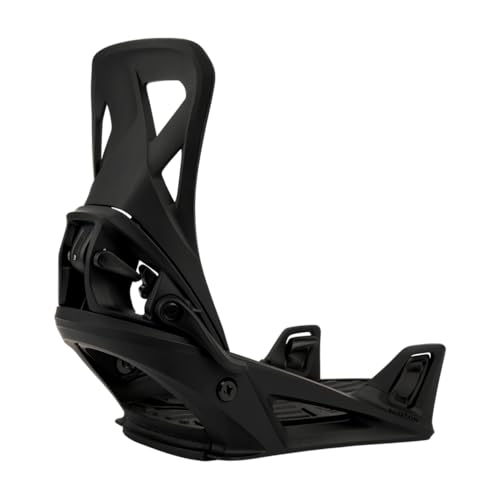
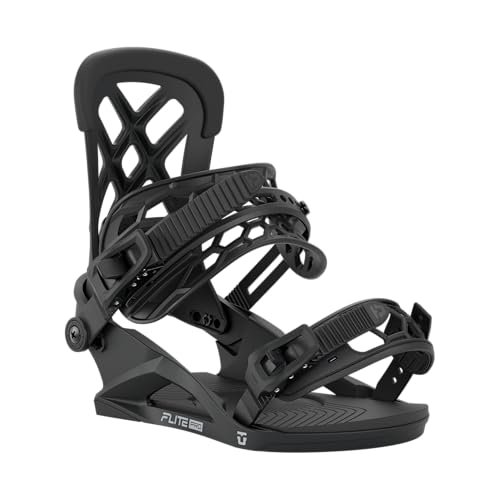

As an Amazon Associate we earn from qualifying purchases at no extra cost to you. Ratings are shown as listed on Amazon.
Quick picks by riding situation
| Rider or board setup | Binding type to choose | Useful target specifications | Typical market range |
|---|---|---|---|
| Beginner riding groomed runs | Soft-to-medium all-mountain binding | Flex 3–5 out of 10; cushioned footbed; easy ratchets | $150–$250 |
| One-board all-mountain setup | Medium-flex adjustable binding | Flex 5–7; forward-lean adjustment; multiple mounting options | $220–$350 |
| Park, presses, and buttering | Flexible freestyle binding | Flex 2–5; shorter or flexible highback; shock-absorbing footbed | $180–$320 |
| Freeride and steep terrain | Stiff, responsive binding | Flex 7–10; firm highback; reinforced chassis; strong ankle strap | $280–$500 |
| Burton Channel board | EST or Re:Flex-compatible binding | Confirm compatibility before buying; two-screw Channel mounting | $200–$450 |
| Burton Step On boots | Matching Step On binding system | Step On boots and bindings must be used together; no conventional straps | $300–$500 |
The price ranges are broad market estimates for new bindings and vary by construction, season, and retailer. A less expensive binding with the right fit is usually a better choice than a premium model that does not match your boots or board.
What to look for in the best snowboard bindings
1. Match binding flex to your riding
Flex is the most important performance decision. Soft bindings allow easier ankle movement, which helps with presses, spins, buttering, and learning linked turns. They also feel less demanding when your technique is still developing.
Medium bindings are the safest choice for most riders. They provide enough support for carving and variable snow without making small mistakes feel severe. A medium binding is particularly suitable for an all-mountain board used on groomers, powder, and occasional park laps.
Stiff bindings transfer energy quickly and help strong riders control a stiff board at speed. The trade-off is reduced forgiveness. If your boots are soft but your bindings are very stiff, the setup can feel disconnected; ideally, boot, binding, and board flex should be reasonably aligned.
2. Examine the highback design
The highback supports the back of your boot when you press your knees toward the heel edge. A tall, stiff highback offers quick response for carving and steep terrain. A shorter or more flexible highback gives park riders more freedom for grabs, presses, and rotational tricks.
Useful features include tool-free forward-lean adjustment, a rotating highback, and a smooth release mechanism. Highback rotation can align the support with the board’s heel edge rather than leaving it noticeably angled away from the board. Excessive forward lean, however, can restrict ankle movement and make a binding feel unnecessarily aggressive.
3. Prioritize strap security over decoration
The ankle strap should hold the boot firmly across the instep without creating a pressure point. A wide, padded strap spreads force more comfortably than a narrow strap. Look for ratchets that engage in small increments and release without sticking.
The toe strap should sit over the toe box or wrap around the front of the boot, depending on its shape. It should not ride up onto the laces or leave a gap at the sides. Test both straps with your actual snowboard boots: a binding that fits one boot shape may feel loose or awkward with another.
Adjustable ladders are valuable because they compensate for boot wear and different sock thicknesses. Check that the ladder has enough unused length for future adjustment but does not extend so far that it catches on the snow.
4. Treat cushioning as a performance feature
Cushioning reduces harshness from tracked-out snow, flat landings, and long traverses. EVA foam footbeds, rubberized padding, and heel dampening can make a meaningful difference during a full day on the mountain.
More cushioning is not automatically better. Very soft padding can absorb some board feel, while a firm, thin footbed may suit riders who value precise edge control. Freestyle riders often appreciate impact protection; carving-focused riders may prefer a more direct connection.
5. Confirm the mounting system
Traditional four-hole bindings fit most standard four-hole boards and many boards using a 2×4 or 4×4 insert pattern. Mini-disc systems reduce the binding’s contact area with the board and can provide a more flexible feel.
Burton Channel boards require compatible hardware. Burton Re:Flex bindings work with multiple mounting patterns, while Burton EST bindings are designed specifically around the Channel system and offer extensive stance adjustment. Burton Step On is a separate boot-and-binding interface: conventional snowboard boots cannot be used with Step On bindings.
Before ordering, check the board manufacturer’s mounting instructions and confirm that the included discs and screws are appropriate. Using screws that are too long can damage the board’s base.
Notable binding choices by rider profile
Best versatile choice: Union Force or Burton Cartel
The Union Force and Burton Cartel families are established medium-to-medium-stiff options for riders who want dependable all-mountain response. They suit riders who carve, ride variable snow, and occasionally visit the park. Choose between them based on boot compatibility, preferred footbed feel, highback shape, and the board’s mounting system rather than assuming one is universally superior.
Best for a forgiving freestyle setup: Rome Vice or Salomon District
The Rome Vice and Salomon District lines are appropriate starting points for riders who want easier presses, spins, and lower-effort turn initiation. Their more forgiving character can also help beginners build confidence. They are less suitable for riders who regularly charge hard on steep, firm terrain.
Best for responsive freeriding: Burton Cartel X or Union Atlas
Burton Cartel X and Union Atlas bindings are aimed at riders who want quicker power transfer and stronger support than a soft freestyle model provides. They pair well with medium-stiff or stiff boards and boots. If you ride slowly, have limited ankle mobility, or prefer a surfy feel, this category may feel too demanding.
Best for step-in convenience: Burton Step On
Burton Step On removes conventional ankle and toe straps, allowing the rider to connect compatible boots to the bindings through mechanical attachment points. It can be convenient for frequent stops or riders who prefer not to crouch and ratchet straps. Fit is especially important: the boot must lock securely, and the system should be checked for snow or ice around the attachment points before riding.
Fit and setup: a five-minute check that prevents most problems
-
Place the boot in the binding. The heel should sit fully against the highback with minimal side-to-side movement.
-
Center the boot. Adjust the heel cup, baseplate, or disc so the toe and heel overhang are approximately even. A small difference is acceptable, but excessive toe overhang can cause toe drag.
-
Set the straps. With the boot seated, the ankle strap should cross the instep securely and close near the middle of its ladder. The toe strap should hold the front of the boot without crushing it.
-
Adjust forward lean. Start with a neutral or modest setting. Add forward lean only if you want more immediate heel-edge response.
-
Torque every screw. Tighten hardware evenly, then recheck it after the first run and periodically throughout the day.
For example, if a binding has 10 forward-lean positions, starting at position 2 or 3 gives you room to increase support without immediately making the stance restrictive. The exact number is less important than making one change at a time and testing it on familiar terrain.
Ownership realities: what wears first
Ratchet ladders, ankle-strap padding, toe ramps, and baseplate cushioning usually show wear before the main chassis. Keep spare ladders and compatible screws if you ride often; these parts are inexpensive compared with replacing a complete binding.
After riding, brush away packed snow and let the bindings dry at room temperature. Do not place them directly against a heater, which can degrade foam and plastic. Inspect the ladders for cracked teeth, check that ratchets release smoothly, and look for looseness around the disc and highback screws.
A practical ownership calculation helps justify a higher-quality pair. A $300 binding used for 30 days per season over three seasons costs about $3.33 per riding day: $300 divided by 90 days. That value only holds if the binding remains comfortable, repairable, and correctly matched to your boots, so replace visibly damaged parts rather than continuing to ride with compromised hardware.
Bottom line
For most snowboarders, the best snowboard bindings are medium-flex models with supportive highbacks, padded adjustable straps, useful cushioning, and a mounting system that matches the board. Choose softer bindings for learning and freestyle movement, stiffer bindings for speed and steep terrain, and a dedicated Step On setup only if you are prepared to use compatible boots. Correct boot fit, centered mounting, and regular hardware checks matter as much to a secure ride as the brand name on the highback.